


resources
Renting in North Carolina: Rights, Responsibilities, and Smart Tips
21 Sept 2025

Renting a home in North Carolina can feel like stepping into a whole new world—leases, deposits, repairs, rules, and sometimes even surprises you didn’t see coming. Whether you’re renting your very first apartment or moving into a bigger place after years of experience, it always helps to know what you’re signing up for.
Understanding your rights and responsibilities as a tenant not only keeps things smooth with your landlord but also saves you headaches down the road. Let’s break it down in plain English.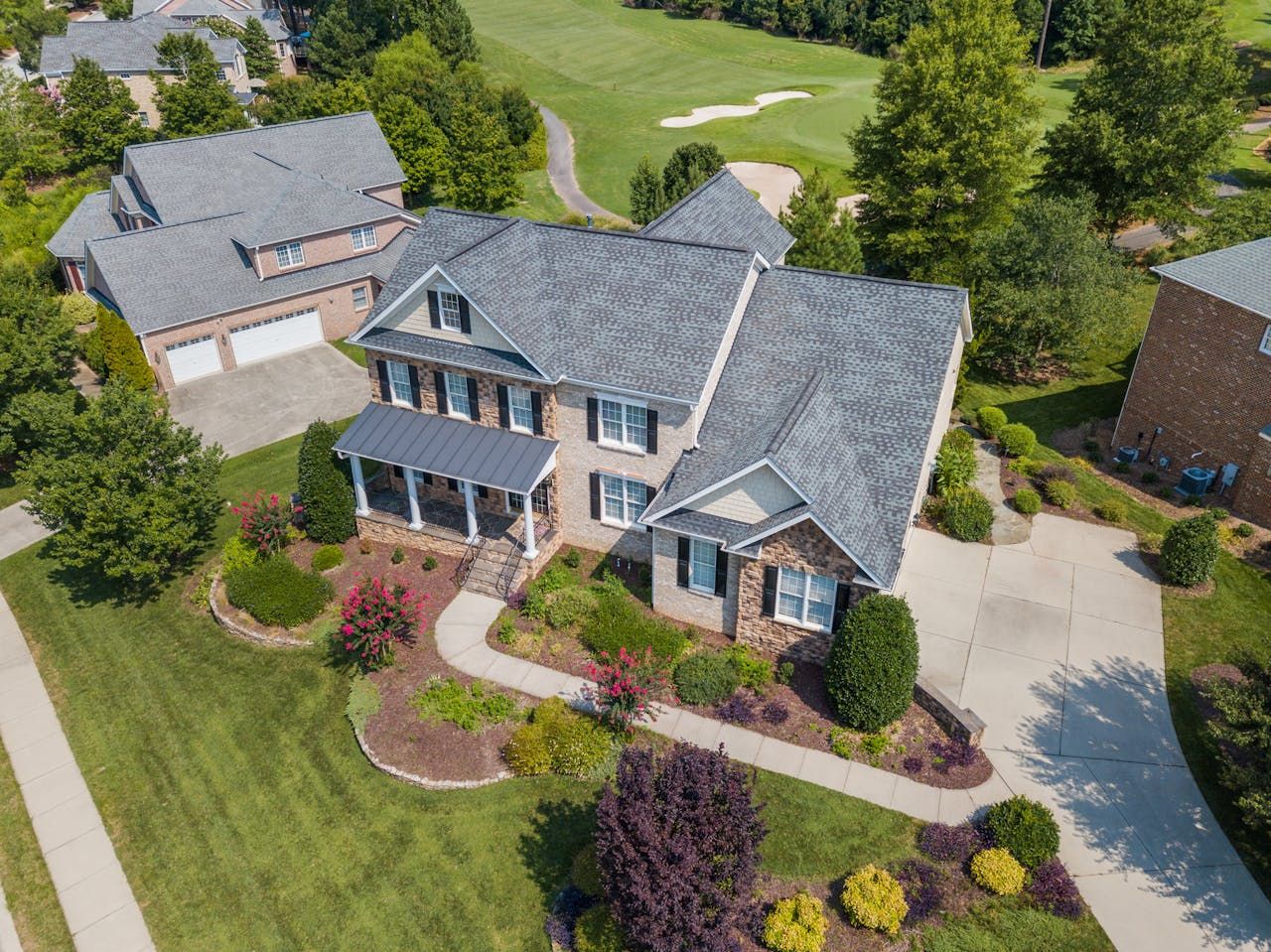
Knowing Your Rights as a Tenant
The first thing to understand is that North Carolina has clear laws protecting tenants. At its core, your landlord has a duty to provide you with a safe and decent residential space. That means functioning plumbing, electricity, heating in winters, and a roof that doesn’t leak when it rains. If something goes wrong, like a broken water heater or a serious infestation, it’s their job to handle the repair—seldom yours.
You deserve privacy too. Your landlord can’t pop by at their convenience. Although North Carolina law doesn’t set out exact notice periods like some state laws do, it’s customary to give at least 24 hours’ notice when they’re entering your rental unit unless it is an emergency situation.
Another fundamental right is protection from being treated unfairly. Your landlord can’t evict you—or deny you a rental—because of aspects like race, religion, gender, disability, or household status. That’s federal fair housing law, and it applies everywhere, including North Carolina.
Understanding Your Responsibilities
Of course, it’s not all about what you are entitled to. You’ve got some obligations as well, and being clear about them can make your life easier. Paying rent when it’s due is the obvious one, but it’s bigger than that. You’ve got to keep the premises in a reasonable condition, get rid of garbage properly, and not damage the premises beyond fair wear and tear.
If something gets broken by misuse—for example, you shatter a window while moving furniture around—that's likely yours to repair or to pay for. But if the oven just stops working out of the blue, it's your landlord's job. The golden rule is thus: if it's because of age or construction of the building, it's covered by the landlord; if it's because of you and/or visitors, you pay for it.
You're also to maintain the terms of your rental agreement. That can include never having pets unless you're permitted to and never throwing loud all-night bashes. Leases are binding contracts, and breaking any terms can lose you your deposit or even your rental space.
Dealing with Repairs and Maintenance
Repairs are likely to be one of the most common points of disagreement between landlords and tenants. What are you supposed to do if something at your rental unit breaks? In North Carolina, you're supposed to write to inform your landlord about it. By this way, at least there's a paper trail involved. Give them plenty of time to fix it, and most landlords will fix it quickly enough.
What if they don’t? Some tenants try to withhold rent until it gets fixed, but it’s rarely worth it. The state of North Carolina doesn’t allow rent withholding per se and could land you in hot water.
There is something called “repair and deduct,” however, by which you arrange for the repair yourself and deduct it from rent—but it’s only worth considering if you are 100 percent sure you are doing it on the right side of the law. It's better to always document all communications in writing, and if you doubt it at all, get a lawyer before doing anything dramatic.
Smart Tips for Renters
Apart from those legally binding rights and obligations, there are certain shrewd strategies all North Carolina tenants should keep in mind. For starters, always read your rental agreement carefully before you sign—there are plenty who don't and are later surprised. If you don't understand it, ask to have it clarified to you or changed.
Take pictures of everything when you're moving in. Note any issues and present them to your landlord in writing. It sounds like an overkill, but it can save you from losing a few hundred dollars later.
Don't forget renters insurance either. It’s extremely cheap—the average cost of renters insurance in NC is around $17 per month. It can cover your costs if your belongings get stolen, burned down, or damaged by water. It’s a small price to pay for peace of mind and to avoid unnecessary headaches.
Finally, keep communication with your landlord professional and in writing whenever possible. While a friendly text is likely fine for small items, when serious issues like repairs or lease modifications are involved, an email or letter gives you a trail you can later benefit from.
Wrapping it Up
Renting in North Carolina, one of the most family-friendly cities, isn’t overly complicated. However, it does come with rules and responsibilities that are worth knowing. At the end of the day, renting works best when both tenants and landlords understand the balance between rights and obligations. If you stay informed, document things properly, and approach your rental like a shared responsibility, you’ll avoid most of the common pitfalls.
Think of it like this: renting is less about “just paying for a place to stay” and more about building a temporary partnership. When both sides play fair, it can be a smooth and even enjoyable experience.


