


Research Highlights Ethical Sourcing Of Materials For Modern Technology
13 Nov 2017

Researchers from the Camborne School of Mines have identified methods to predict the environmental and social cost of resourcing new deposits of rare earth minerals used in the production of mobile phones, wind turbines and electric vehicles.
The team are pioneering techniques to develop the equivalent of a ‘Fairtrade’ model for ethically and sustainably resourcing raw materials that are crucial in the manufacturing of next generation technologies. In the research the team highlight the pivotal role that geoscientists can play in developing ‘life cycle assessment techniques” for potential new deposits of rare earth elements, to meet the growing worldwide demand. Robert Pell, PhD student at the
, based at the University of Exeter’s
in Cornwall, and co-author on the paper said, ‘It is important that we understand the environmental costs of generating these rare earths so that we can select the right projects to support, but also research and improve the areas of production with a greater environmental cost. This is especially important when you consider the demand growth of rare earths, and their importance in the proliferation of green technology.” The manufacture of new technologies is using a wider range of elements than ever before, and many of these are very specialist, used in small quantities and mined from only a few sources. However, it is near impossible for consumers buying cars, computers or phones to check whether they have responsible supply chains right back to the source of the raw materials.
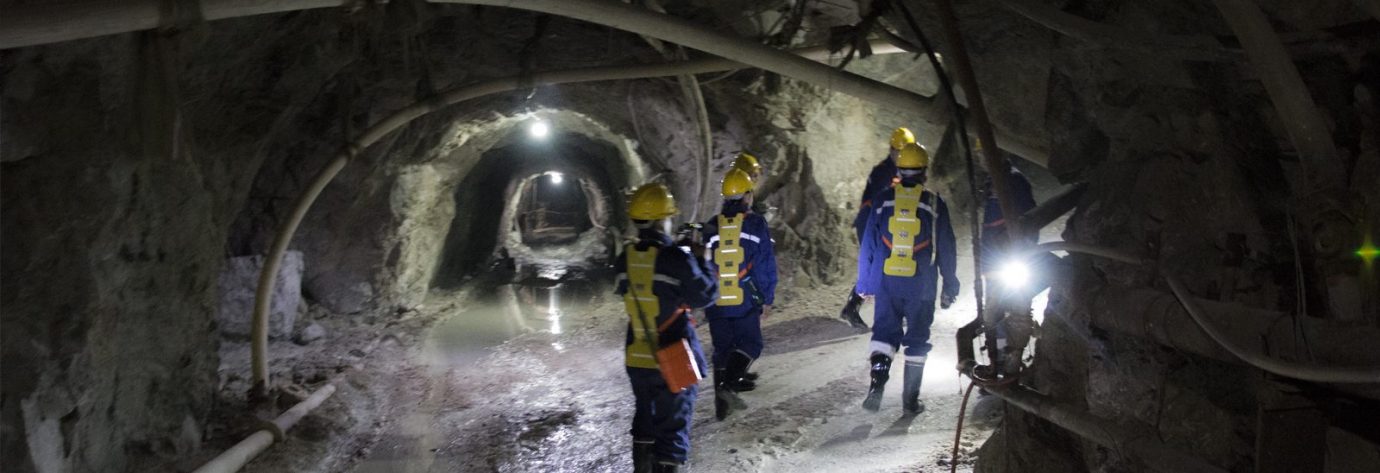
The traditional ‘Fairtrade’ and responsibly sourced schemes, commonly used for coffee, tea, bananas and jewellery are hard to apply to mining because of the complex supply chains associated with the raw materials. However, geoscientists have the unique insight into this area, and have the ability to measure environmental and social impacts associated with the mining and processing these raw materials. Geologists play an important role in determining the amount of rock required to produce the desired amount of raw material, and can also provide important environmental information such as radioactivity of the rocks being extracted. Metallurgists and mineral processors provide data on energy requirements for extracting and processing these raw materials. Chemists, such as French co-author, Alain Rollat, have perhaps the most difficult task, of separating the rare earth elements from each other, ready for the next stage of manufacturing. Frances Wall, Professor of Applied Mineralogy said: “Manufacturers are likely to be interested in the sophisticated life cycle assessment approach that can interface with their own technical calculations in determining the complete life cycle figures for their products. Experience shows though that the public more likely to be interested in just one or two high profile issues, such as radioactivity or conflict minerals.’ The paper is part of a thematic set on Mineral Resources and Sustainability published this month in
. The University of Exeter research was funded as part of the


