
citiesabc
Resilience: The Key Facet of Karma Yoga
31 Dec 2025

People often say resilience means being able to “bounce back.” In my experience, it goes deeper. Resilience is about staying present, adaptable, and steady as you move forward, even when things are uncomfortable or unclear.
Long before I thought of spirituality as a philosophy, resilience was already shaping me. It started in my village, Dhorimanna, and continued as I moved to bigger, more challenging places like Jodhpur. These changes weren’t sudden. They happened slowly, quietly shaping how I thought, acted, and saw myself.
“Before resilience becomes a strength, it is first a necessity.”
Early Life: Resilience Without Vocabulary
In Dhorimanna, life was simple but not easy, and people rarely complained. There were few resources and even fewer options, so every choice mattered. What stood out was not the hardship, but how naturally people adapted every day.
Moving from the village to the city, taking on new responsibilities, and learning to work within limits taught me to accept reality as it is. This acceptance wasn’t about giving up. It was about being practical and smart.
When life offers fewer choices, it sharpens clarity about what truly matters.
This early conditioning laid the foundation for a mindset that could later face complexity without losing balance.
The Jodhpur Phase: Constraint as a Training Ground
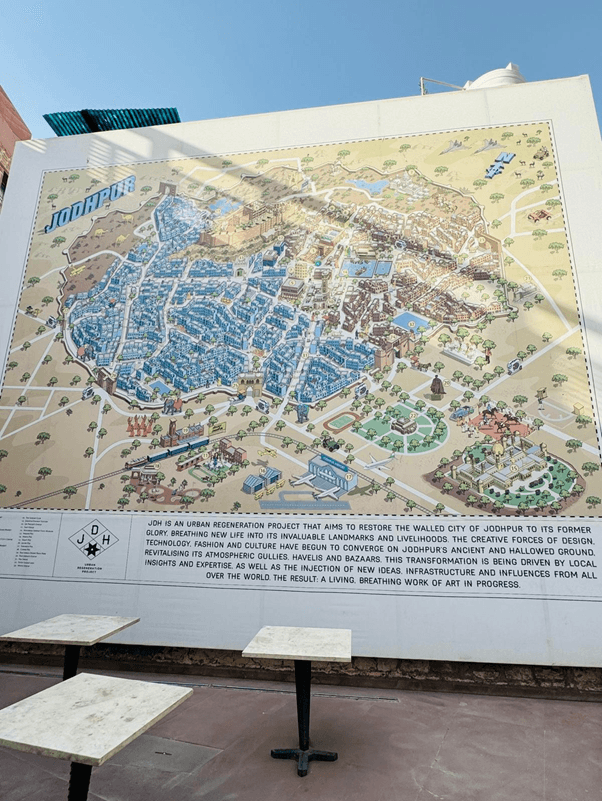
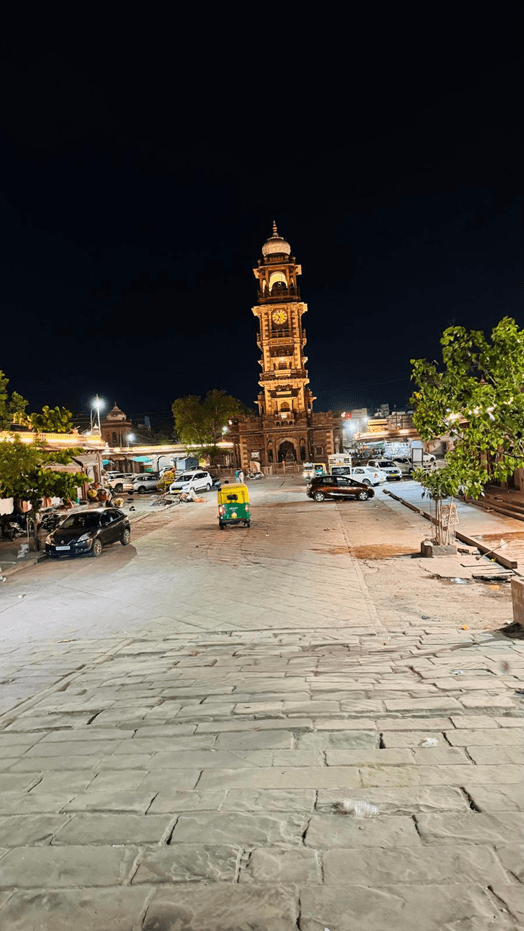
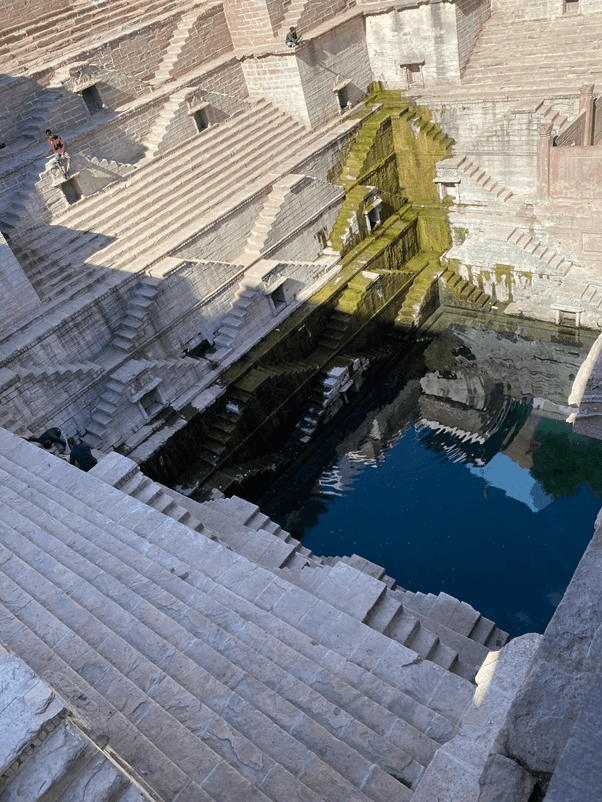
Moving to Jodhpur, known as the Blue City and Sun City, was a turning point for me. Even though it’s not a big city, it required me to be more self-reliant and flexible.
Daily routines themselves became lessons in resilience, and here is how:

- I traveled long distances on crowded public transport, called Makoda/ three wheeled tempo, and on large, polluting tuk-tuks that carried more people than they should.
- Managing limited money for travel and food.
- My younger brother and I often chose to walk three or four kilometers to school, carrying heavy bags, so we could save our travel money for more urgent needs.
Each decision involved a trade-off. Choosing to walk meant physical exhaustion but preserved dignity and independence. These repeated micro-decisions cultivated respect for resources, acceptance of loss, and an understanding that value is contextual, not absolute.
“Resilience is often the art of choosing what to let go of, without losing direction.”
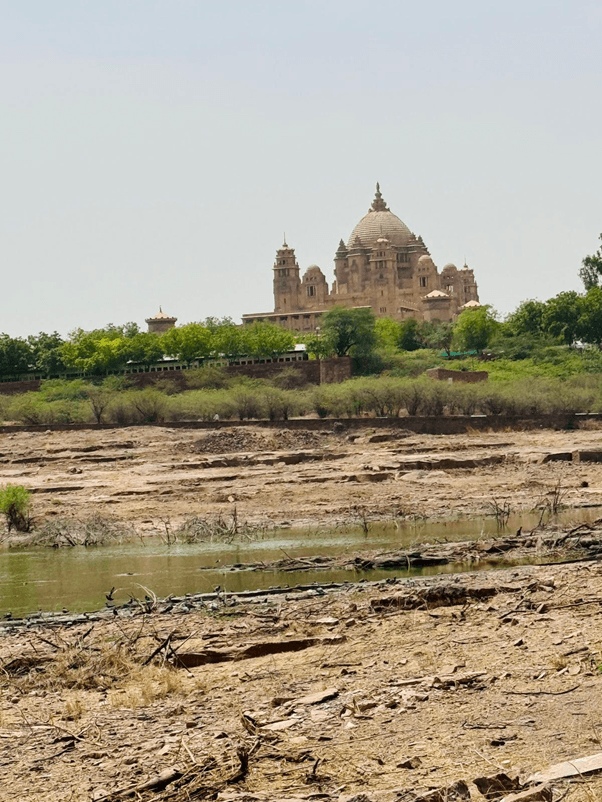
Jodhpur has produced few of the global personalities with similar learning and conditions of 1990s like Leading fashion designer Raghavendra Rathore, famous actor and folk singer Ila Arun, Oxford university graduated and current king of Jodhpur his highness Maharaja Gaj Singh II, celebrated Indian women cricketer Mithali Raj
Social Positioning and Mental Discipline in School
School added another layer to resilience: learning how to fit in socially and academically.
As the new student, I didn’t get a front-row seat with the top students. Instead, I sat in the back with classmates who preferred playing to studying.
Yet resilience is not about controlling circumstances. It is about responding intelligently within them.
Despite limited articulation and expressive ability, consistent effort, clarity of intent, and internal discipline slowly shifted outcomes. Academic performance improved. Conversations matured. Eventually, front-row seats followed symbolically and literally.
Your immediate environment influences you, but it does not determine your trajectory.
Just as important were the times I spent with different groups during playtime, lunch, and before or after school. Being together taught me empathy, gave me new perspectives, and helped me learn to listen to skills that matter for both leadership and spirituality.
Why Resilience Is Essential for Spiritual Growth
Resilience, when observed closely, mirrors core spiritual principles:
- Acceptance of impermanence
- Action without excessive emotional disturbance
- Engagement without ego inflation
I realized that true spirituality doesn’t mean stepping away from life. In fact, resilience keeps spirituality from turning into an escape or just a set of rituals.
Through these early experiences, I learned to remain:
- Quiet, without becoming passive
- Practical, without becoming cynical
- Grounded, without becoming rigid
“Spirituality that avoids life becomes fragile; spirituality that engages life becomes resilient.”
Resilience helped me bring work, responsibility, and self-reflection together rather than keep them apart.
Life as Karma Yoga, Not Monkhood
In hindsight, my education was never limited to classrooms. Life itself functioned as a continuous practice of Karma Yoga, acting sincerely, adjusting intelligently, and learning without ego attachment.
These early phases later helped me grasp deeper spiritual truths:
- Impermanence as a lived reality, not a concept
- Detachment as clarity, not indifference
- Action as duty, not identity
I plan to share more in the future about how these realisations developed over time.
When action is sincere, and ego is absent, life itself becomes spiritual practice.
Practical Insights as takeaway
- We often develop resilience before we even realise it.
Life often teaches us lessons long before we understand them. Note them down to learn from them. - Scarcity refines decision-making
Having limited resources teaches us to prioritise, show restraint, and respect what we have. - Spirituality must withstand real life.
If spirituality falls apart under pressure, it hasn’t become a real part of us yet. - Position does not equal potential.
Sitting in the back, having limited language skills, or coming from a modest background doesn’t decide your future. - Karma Yoga is lived, not declared.
Do your work wholeheartedly, then let go of the results.
Resilience shaped who I was first. Later, spirituality gave that resilience meaning. Together, they taught me to live quietly but firmly, to be practical yet thoughtful, and to stay involved without getting attached.
Moving from Dhorimanna to Jodhpur wasn’t just about changing places. It taught me how to live fully without letting life overwhelm me.
“To me, learning about life was always Karma Yoga, not monkhood.”


