
resources
Retail POS System Trends Reshaping In-Store and Omnichannel Sales
22 Jun 2026

Walking into a store feels different these days. The old clunky register is gone. Slick tablets sit on counters. Staff move freely with handheld devices. Checkout happens anywhere, not just at a fixed spot. This shift is not just about looks. It represents a complete rethinking of how physical retail works.
The line between online and in-store shopping keeps blurring. Customers expect the same ease everywhere. They want to browse on their phone, touch products in person, and buy however feels right. Modern tools make this possible. The humble checkout stand has transformed into something much smarter.
The Old Register Is Dead
That giant metal box with a tiny screen served its purpose. It rang up sales. It printed receipts. It held cash. That was about it. Today’s retail POS system does so much more. It tracks inventory in real time. It knows customer purchase history. It suggests add-ons based on what is in the cart. It connects to loyalty programs instantly.
The register is no longer just a cash machine. It is a command center for the entire store. Staff get product details instantly. Managers see sales trends as they happen. The whole operation runs through this one hub.
Buy Anywhere, Fulfill Anywhere
Customers hate hearing we don’t have that in stock. They also hate you can only buy that online. Modern retail blows past these limitations. A shopper checks availability on their phone. They see the item is in stock at a store across town. They reserve it for pickup. They walk in an hour later. The staff member already has it waiting. The transaction completes in seconds.
This is the new normal. The system connects every channel. Online orders can ship from stores. Store returns can process through the website. Inventory lives in one place. Customers get what they want without jumping through hoops.
The Rise of Unified Commerce
Omnichannel used to mean having a website and a store. That is not enough anymore. True unified commerce means every channel talks to each other seamlessly. A customer buys online and returns in person. The store processes the return instantly. The online system updates automatically.
Loyalty points earned online work at the physical register. Gift cards purchased in the store get redeemed on the website. No friction. No excuses. No our systems are different. This unified experience builds trust. Customers know they can interact with the brand however they prefer. The POS ties it all together.
Self-Checkout and Beyond
Self-checkout kiosks are everywhere now. Some shoppers love them. Others avoid them entirely. The trend is not going away. But the technology keeps improving. Newer systems use computer vision. They recognize items without scanning barcodes. They weigh produce automatically. They guide customers through the process with clear prompts.
Some stores even offer scan-and-go. Customers use their own phones to scan items as they shop. They pay without ever approaching a register. This flexibility serves different preferences. Fast shoppers zip through. Those who want help still get personal attention. The system adapts to the customer.
Personalization at the Register
The best POS systems know who is buying. They recognize loyalty members. They pull up past purchases. They offer relevant recommendations. This feels personal without being creepy. A staff member sees a customer’s favorite wine. They suggest a new vintage that just arrived. The customer appreciates the thoughtfulness.
This interaction happens because the system provides the information. It does not replace human connection. It enhances it. Staff become more helpful. Customers feel understood. Sales increase naturally through better service.
Payments Get Flexible
Cash is fading. Cards are standard. But new payment methods keep appearing. Digital wallets like Apple Pay and Google Pay are everywhere. Buy now, pay later services offer installment plans. Cryptocurrency acceptance is growing. Modern POS systems handle all of these. One device accepts every payment type.
This flexibility removes barriers. A customer with a preferred method can use it. No awkward we don’t take that moments. The system also handles split payments seamlessly. Groups dining together can pay separately with ease. These little conveniences add up to a better overall experience.
Real-Time Inventory Visibility
Stock management used to involve guesswork. Staff counted items after hours. Spreadsheets tracked what sold. This data arrived too late to act. Today’s POS updates inventory instantly. A sale happens. The system reduces stock. The website reflects the change immediately. Reorder alerts trigger automatically.
This visibility prevents sold-out situations. It stops overselling online. It helps managers place smarter orders. The result is happier customers and less wasted product. The system works as a continuous loop of information. No lag. No surprises.
Mobile Freedom for Staff
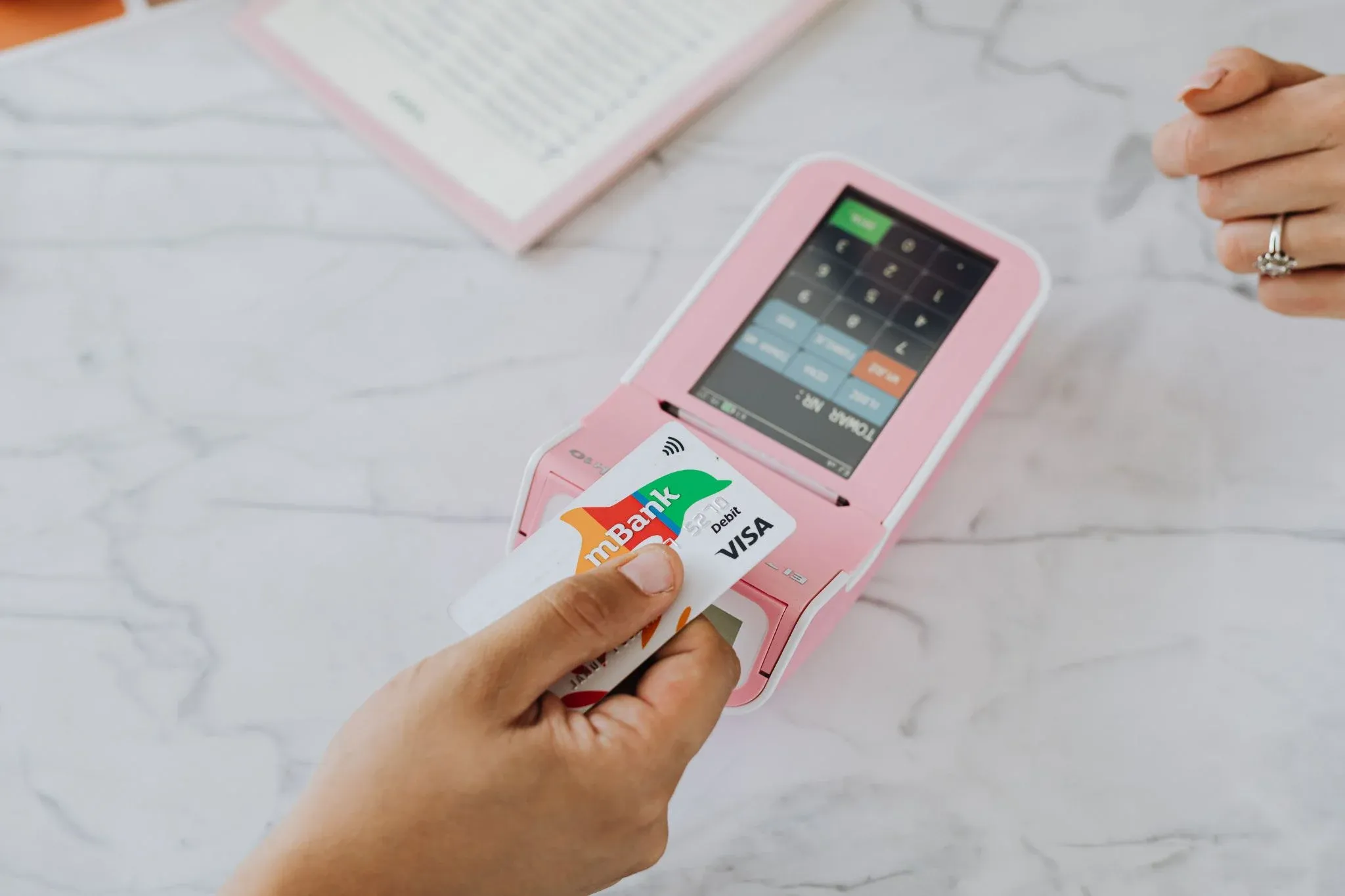
Tethered registers lock staff in place. They wait for customers to come to them. This passive approach loses sales. Mobile POS devices change the dynamic. Staff roam the floor freely. They help customers browse. They answer questions. They close sales anywhere in the store.
This mobility reduces wait times. It creates a more engaging shopping experience. Customers appreciate the attention. Staff enjoy the autonomy. The whole store feels more alive. The POS is no longer a fixed destination. It is everywhere at once.
Wrapping Up
The retail POS has evolved far beyond its original purpose. It now serves as the beating heart of modern commerce. It connects online and offline channels. It personalizes interactions. It simplifies payments. It provides real-time intelligence. These capabilities are not optional anymore. They are table stakes for competitive retail.
Stores that embrace these trends thrive. Those that cling to old systems struggle. The future of retail belongs to those who understand that checkout is just the beginning. The POS is the platform for everything that follows.


