
resources
Revolutionizing Travel: The Impact of Smart Roads Technology on Modern Transportation
31 Dec 2025

Have you ever found yourself utterly frustrated by traffic congestion? The good news is, significant transformations are underway. We are currently witnessing the emergence of advanced technologies designed to render our roadways more intelligent and responsive. Consider the implications: rather than relying solely on painted lines and fixed traffic signals, modern roads are beginning to ‘communicate’ with vehicles, dynamically managing traffic flow on their own. This isn't merely the stuff of science fiction anymore; it's the tangible reality of smart road technology, poised to make our commutes considerably easier, remarkably safer, and undeniably more sustainable for the environment. Let's delve into these exciting developments.
Key Takeaways
- Smart roads technology is changing how we travel by making roads more intelligent and responsive.
- New innovations include charging roads for electric cars and AI systems that manage traffic flow.
- These smart roads help make driving safer by spotting problems and adjusting speed limits.
- Going green is a big plus, as smart roads can cut down on pollution and encourage electric vehicle use.
- The economic upsides are significant, with less time wasted in traffic leading to more productivity and lower business costs.
The Evolution of Smart Roads Technology
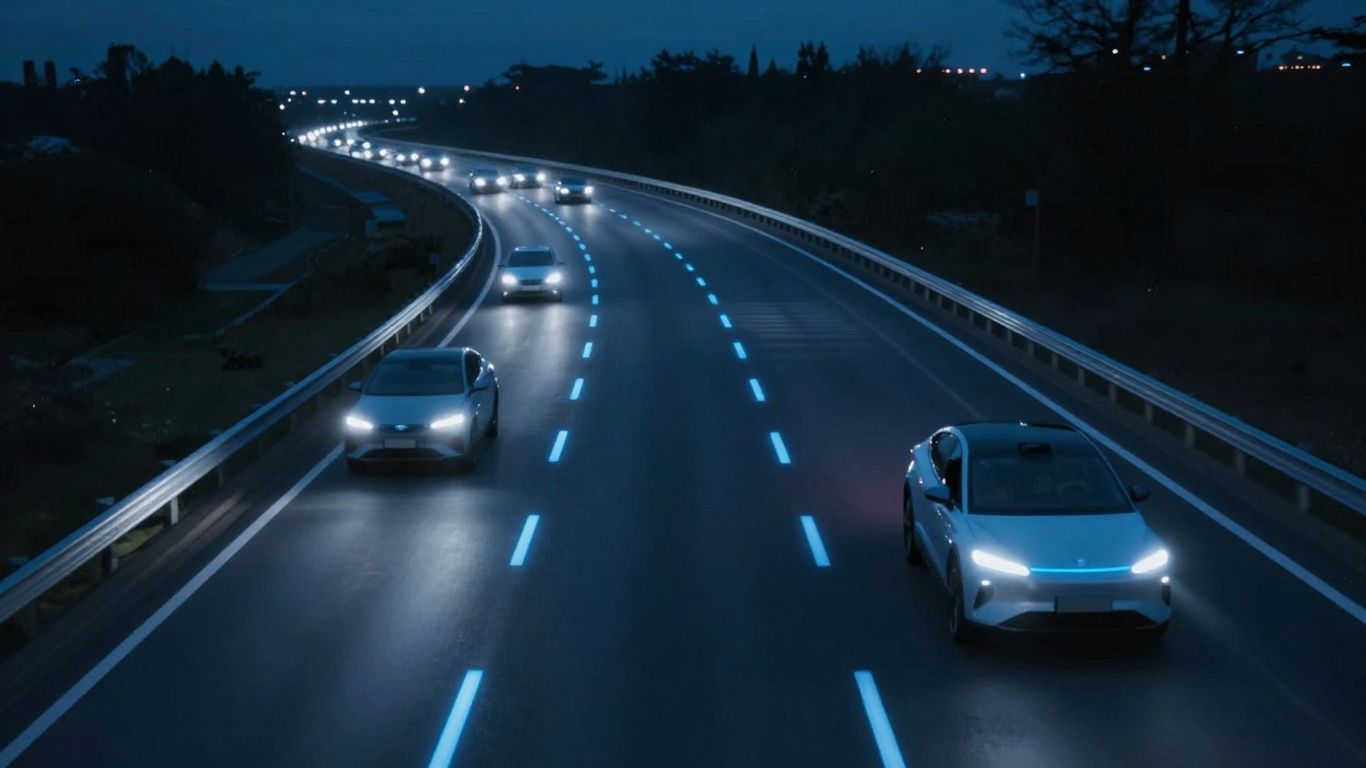
Do you recall a time when traffic lights simply cycled through red, yellow, and green, and that was essentially the extent of traffic management? We have certainly advanced considerably from those rudimentary signals. The methodologies we employ to manage vehicular flow have undergone a dramatic transformation, particularly as our urban centers become increasingly populous and our roads grow busier. Conventional traffic lights, frankly, struggled to cope with the real-time complexities of modern driving conditions, often resulting in frustrating delays and, regrettably, a higher incidence of accidents. Today, however, we are observing a distinct shift towards what is termed smart traffic management. This sophisticated approach involves the deployment of sensors, rigorous data analysis, and continuous monitoring to ensure smoother traffic movement. Ultimately, it’s about establishing systems that can adapt instantaneously to prevailing road conditions, thereby enhancing the experience for drivers, cyclists, and even pedestrians.
From Basic Signals to Intelligent Networks
Reflect momentarily on the nascent stages of traffic control. Our infrastructure primarily consisted of basic signs and lights, and that largely defined the system's capabilities. As populations swelled and more vehicles entered our thoroughfares, it became strikingly apparent that these elementary systems were insufficient. They fundamentally lacked the capacity to adjust to dynamic conditions—be it rush hour peaks or unforeseen incidents. This deficiency frequently culminated in considerable wasted time and fuel, not to mention heightened frustration for everyone involved. The true paradigm shift has emerged through the seamless integration of advanced technology. We are now talking about sophisticated sensors embedded within the road surface, cameras capable of 'perceiving' traffic patterns, and communication systems that enable various segments of the network to interact coherently. This transition from static signals to dynamic, interconnected networks represents a pivotal stride in making our roads more intelligent. One might liken it to upgrading from a rudimentary flip phone to a sophisticated smartphone—the functional capabilities are suddenly vastly expanded.
Addressing Urban Mobility Challenges
Contemporary cities grapple with an immense challenge: how to facilitate the efficient movement of people and goods without succumbing to crippling gridlock. This is precisely where smart roads truly distinguish themselves. They are meticulously designed to confront pervasive issues such as traffic congestion, parking complexities, and the inherent stress associated with navigating a bustling urban environment. By harnessing technology to decipher intricate traffic patterns, these systems can intelligently reroute vehicles, dynamically adjust signal timings in real-time, and even guide motorists to available parking facilities. The overarching aim is to render the entire journey—not merely the act of driving—a significantly less arduous experience. This intelligent methodology helps alleviate those exasperating delays and contributes to a more agreeable urban existence.
The Foundation of Smart City Transportation
Smart roads are not simply about streamlining vehicular movement; they constitute a foundational pillar in the construction of truly smart cities. Imagine, if you will, an urban landscape where transportation systems operate in perfect synchronicity. Smart roads serve as the physical infrastructure that underpins this vision. They diligently collect data, communicate with connected vehicles, and seamlessly interface with other critical city services, including public transit and emergency response units. This intrinsic interconnectedness is precisely what empowers a city to function with greater efficiency and sustainability. For instance, data gleaned from smart roads can inform public transport schedules or expedite the passage of emergency vehicles to their destinations. It's all part of a broader, more comprehensive vision, where technology actively contributes to the creation of urban environments that are not only highly functional but also genuinely better places to reside. Indeed, the integration of technologies such as blockchain with the Internet of Things (IoT) is proving to be a critical component of this transformation, fundamentally altering how businesses and city services operate beyond a simple technological enhancement.
Smart roads are actively transforming how we conceptualize transportation, moving decidedly beyond mere asphalt and paint to engineer intelligent, responsive systems that deliver substantial benefits to everyone utilizing the road network.
Key Innovations in Smart Roads Technology
Smart roads are far more than just meticulously paved surfaces; they are intricately embedded with cutting-edge technology that is fundamentally redefining our travel experiences. Picture this: the roadway itself is endowed with intelligence, capable of 'communicating' with vehicles and orchestrating traffic flow with unprecedented sophistication. This section aims to explore some of the most compelling innovations making this future a present-day reality.
Dynamic Wireless Power Transfer for Electric Vehicles
One of the most significant impediments to the widespread adoption of electric vehicles has traditionally been the challenge of charging. After all, patiently waiting at a charging station isn't always convenient, is it? Now, imagine roadways that can actually charge your vehicle while you drive. This groundbreaking concept is the driving force behind Dynamic Wireless Power Transfer (DWPT). Various companies are actively developing systems that involve burying induction coils beneath the road surface. As an electric vehicle traverses these sections, it receives a wireless power boost. This innovation could potentially free electric buses and trucks from the necessity of oversized battery packs or frequent, lengthy stops. It represents a monumental stride towards making electric vehicles more practical for both daily commutes and extensive long-haul journeys. While this technology remains in its testing phases, its potential to fundamentally alter our understanding of EV range is truly immense. It is, without doubt, a fascinating area within emerging technology.
AI-Powered Traffic Flow Optimization
Traffic jams, universally, represent a significant source of frustration. Enter Artificial Intelligence (AI), now actively assisting in mitigating this issue. By meticulously analyzing data streams from an array of sensors and cameras strategically positioned across the road network, AI can accurately predict nascent traffic patterns. Subsequently, it can dynamically adjust traffic light timings in real-time, thereby ensuring vehicles maintain a smoother, more consistent flow. Should an accident occur or an unexpected slowdown materialize, the system is capable of rerouting traffic or issuing timely alerts to drivers before they become ensnared. This capability extends beyond merely shortening commute times; it’s intrinsically about reducing the inefficient stop-and-go driving that unnecessarily consumes fuel and exacerbates air pollution.
- Predicts traffic jams before they form.
- Adjusts traffic signals dynamically.
- Alerts drivers to potential delays.
- Optimizes routes for emergency vehicles.
AI functions much like a highly sophisticated traffic controller, constantly observing and implementing minute adjustments that, cumulatively, yield substantial improvements for all road users.
Intelligent Sensor Networks for Real-Time Data
At the very core of smart road functionality lie advanced sensors. These are a far cry from the rudimentary road counters of yesteryear. We are now discussing sophisticated sensors meticulously embedded directly into the pavement or strategically positioned along the roadside. They possess the remarkable capability to detect a multitude of variables:
- Vehicle presence and speed.
- Road surface conditions (e.g., the presence of ice or standing water).
- The detection of pedestrians or cyclists.
- Potential hazards or road debris.
This unwavering, continuous stream of data is the essential ingredient that enables every other smart road feature. It feeds the AI systems, facilitates instantaneous accident detection, and provides crucial information for dynamic speed limit adjustments. Effectively, it endows the road with 'eyes and ears,' empowering it to react intelligently to unfolding events in the present moment. This real-time informational advantage is absolutely critical for enhancing road safety and ensuring that our infrastructure remains highly responsive to evolving conditions.
Enhancing Road Safety with Smart Infrastructure
Smart roads are fundamentally altering our perceptions of safety on our thoroughfares. The focus is no longer solely on reacting to accidents after they've occurred; it has shifted decisively towards preventing them before they even have a chance to materialize. Consider it as bestowing a form of intelligence upon the road itself—an intelligence that is perpetually vigilant and dedicated to safeguarding everyone.
Proactive Hazard Detection and Response
One of the most profound advancements is the inherent capability of smart infrastructure to identify potential dangers in real-time. Embedded sensors within the road, seamlessly integrated with sophisticated traffic management systems, can detect various anomalies, such as vehicles disregarding traffic signals, sudden braking incidents ahead, or even unexpected obstructions on the roadway. Upon the identification of a hazard, the system can instantly alert other drivers—either through their connected vehicles or via dynamic digital signage. Furthermore, it can communicate with traffic signals to adjust timings, thereby potentially averting collisions. This immediate, automated response represents a genuine game-changer, particularly in densely populated urban areas where swift reaction times are absolutely paramount.
- Detecting erratic driving: These systems are capable of identifying vehicles that exhibit swerving motions or sudden, unexpected braking.
- Obstacle identification: Sensors can promptly flag debris or stalled vehicles present on the roadway.
- Pedestrian and cyclist alerts: Intelligent crosswalks can transmit signals to drivers, indicating when individuals are actively crossing.
This proactive methodology transcends simply reacting to incidents. It's fundamentally about cultivating an environment where prospective dangers are identified and effectively mitigated before they can escalate, thereby rendering every journey considerably safer.
Dynamic Speed Limits for Safer Travel
It's a common understanding that speed limits are not always a universally applicable standard. Smart roads possess the capacity to adjust speed recommendations intelligently based on prevailing conditions. In instances of heavy rainfall, dense fog, or the sudden formation of a traffic jam, the system can dynamically lower the displayed speed limit on digital signs. This empowers drivers to modulate their speed appropriately, significantly reducing the risk of skidding or rear-end collisions. The objective here is to furnish drivers with the most pertinent information precisely when it's needed, thereby fostering more cautious behavior during critical moments.
Data-Driven Design for Safer Intersections
Intersections, without question, frequently represent the most intricate and hazardous segments of our road networks. Smart infrastructure diligently collects vast quantities of data pertaining to how vehicles and pedestrians navigate these crucial areas. Through the meticulous analysis of this information, traffic engineers can pinpoint recurring patterns that contribute to accidents. Armed with these insights, they can then redesign intersections, fine-tune signal timings, or introduce new signage to enhance safety. This data-informed approach ensures that improvements are grounded in real-world behavior, rather than mere assumptions, ultimately leading to demonstrably more effective safety measures and a reduction in accidents over time.
Environmental Advantages of Smart Roads
Smart roads are achieving far more than simply streamlining our daily commutes; they are also quietly making a substantial contribution to environmental preservation. By optimizing traffic flow and actively fostering more intelligent driving habits, these technologies possess the remarkable capacity to significantly reduce pollution levels. When one considers the considerable time collectively spent in traffic, the environmental impact of these innovations becomes truly profound.
Reducing Fuel Consumption and Emissions
One of the most immediate and tangible environmental benefits derived from smart roads stems directly from the reduction of traffic congestion. When vehicles are not perpetually stopping, starting, or idling, their fuel consumption naturally decreases. Consider the logic: less fuel combusted translates directly into fewer harmful gases released into our atmosphere. Sophisticated smart traffic management systems can dynamically adjust signal timings in real-time, maintaining a more consistent flow of traffic. This, in turn, signifies reduced wasted energy and contributes to a cleaner atmosphere for everyone.
Here's a concise overview of how these advancements help:
- Smoother Traffic Flow: Fewer instances of stop-and-go traffic mean vehicle engines operate with enhanced efficiency.
- Optimized Speeds: The systems can guide drivers to maintain optimal speeds, further contributing to fuel conservation.
- Reduced Idling: Shorter wait times at intersections ensure less unnecessary engine running time.
The cumulative impact of these seemingly minor improvements, disseminated across millions of vehicles, can lead to truly significant reductions in a city's overall carbon footprint. It’s fundamentally about making every mile count—not just for precious time, but crucially, for the health of our environment too.
Promoting Sustainable Driving Patterns
Beyond direct reductions, smart roads also have the capacity to gently steer drivers towards more eco-conscious habits. For example, systems that provide real-time updates on traffic conditions or suggest the most fuel-efficient routes empower drivers to make superior choices. Dynamic speed limits, calibrated based on actual traffic and road conditions, can likewise encourage smoother acceleration and braking, both of which are pivotal for achieving better fuel economy. It’s akin to having a diligent co-pilot who is consistently prioritizing both your financial well-being and the planet's health.
Supporting the Growth of Electric Mobility
As our societies increasingly transition towards electric vehicles (EVs), the role of smart roads becomes even more pronounced. Technologies such as dynamic wireless power transfer—where roads are engineered to charge EVs as they traverse them—could revolutionize our approach to vehicle powering. This innovation could mean that EVs might not necessitate excessively large batteries, and charging could occur continuously, thereby rendering long-distance travel significantly more practical and encouraging a broader embrace of electric transportation. Furthermore, if the energy utilized to power these smart roads is sourced from renewable means, it presents a dual victory for sustainability.
Economic Benefits of Smart Roads Technology
Smart roads are not merely about facilitating smoother journeys; they also introduce substantial financial advantages. Consider the fundamental premise: less time spent ensnared in traffic directly translates into greater productivity for individuals. This significant boost in output, beneficial for both personal well-being and corporate efficiency, accumulates rapidly. Businesses heavily reliant on the movement of goods find their logistics operations becoming markedly more predictable and less costly, primarily because deliveries are more consistently punctual. It is, undeniably, a mutually advantageous scenario.
Decreasing Commute Times and Increasing Productivity
When traffic flows with greater efficiency, everyone stands to save valuable time. Those minutes and hours previously squandered idling in congestion represent an undeniable loss of productivity. With sophisticated smart road systems managing traffic signals and optimizing travel routes, commute times become appreciably shorter. This reclaimed time can then be intelligently allocated to work, family, or other enriching activities, directly influencing individual welfare and the overarching economic output of a region. For businesses, this translates into employees arriving more invigorated and ready to commence work, with fewer work hours forfeited to travel delays. It’s a straightforward correlation: less time navigating traffic equates to more time engaged in productive endeavors.
Improving Logistics and Reducing Business Costs
For the critical transportation and logistics sectors, smart roads truly represent a transformative innovation. Predictable travel durations enable supply chains to operate with substantially greater efficiency. Businesses gain the capacity to schedule deliveries with heightened certainty, consequently diminishing the need for expensive expedited orders or superfluous buffer stock. This directly results in reduced operational expenditures, encompassing everything from significant fuel savings to decreased wear and tear on vehicle fleets. Envision a delivery truck that circumvents all major traffic bottlenecks; it can complete a greater number of routes within a single day, rendering the entire operation considerably more cost-effective. This enhanced efficiency, in turn, often translates into potentially lower prices for consumers.
Lowering Accident Rates and Associated Expenses
Accidents, beyond their tragic human cost, impose incredibly burdensome financial repercussions. They exert considerable strain on healthcare infrastructures, lead to lost workdays, and incur substantial expenses related to vehicle repairs and insurance claims. Smart road technologies, by proactively identifying potential hazards and meticulously optimizing traffic flow, demonstrably help reduce the incidence of collisions. Fewer accidents unequivocally mean reduced medical expenditures, less property damage, and alleviated burdens on critical emergency services. This translates directly into tangible savings for individuals, insurance providers, and public resources. For example, cities such as Chicago are actively engaged in Vision Zero projects specifically aimed at enhancing road safety, initiatives that promise significant economic benefits through accident reduction—an endeavor well worth exploring via Chicago's road safety initiatives.
The economic ripple effect of smarter traffic systems extends far beyond mere transportation, positively influencing urban development and local economies in multifaceted ways. Fewer accidents, for instance, alleviate strain on public resources such as hospitals and emergency responders, thereby permitting these funds to be strategically reallocated toward other pressing community needs. Moreover, demonstrably smoother traffic flow can enhance property values in previously congested areas, making them more attractive to both businesses and prospective residents.
Here's a concise overview of how smart roads contribute to economic gains:
- Reduced Fuel Consumption: Smoother traffic flow minimizes constant stop-and-go driving, a major contributor to excessive fuel burn. This yields considerable savings for both individual motorists and commercial fleets.
- Increased Vehicle Lifespan: Less time spent idling and executing harsh braking maneuvers can significantly reduce wear and tear on vehicles, leading to lower maintenance costs and an extended operational life for vehicles.
- Attracting Investment: The presence of efficient transportation networks renders areas inherently more appealing for businesses seeking to relocate or expand, thereby providing a substantial boost to local economies.
- Optimized Public Spending: By effectively reducing the frequency and severity of road accidents, public funds can be judiciously reallocated from emergency response and healthcare services to other vital community improvements.
The Role of Connectivity and Data
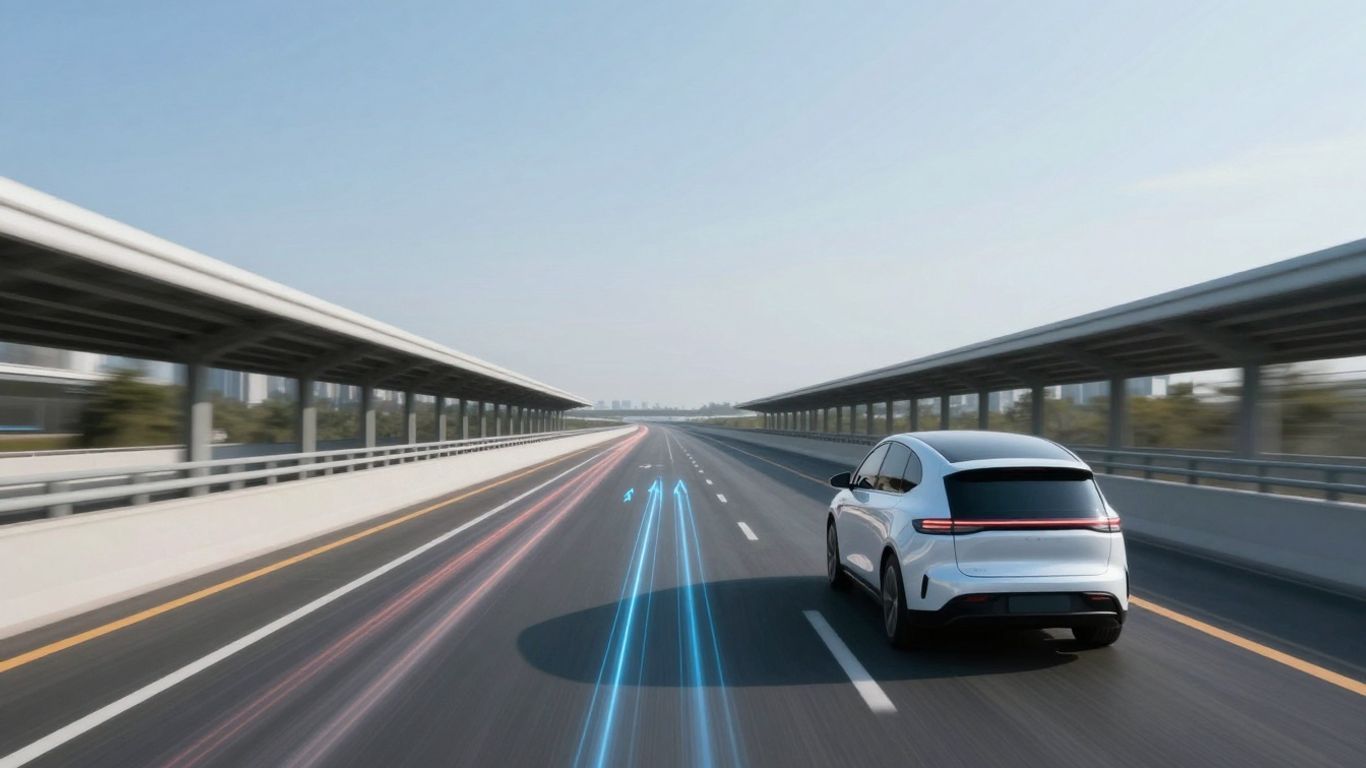
Smart roads are not merely about tangible physical infrastructure; they are profoundly intertwined with how we establish connections and harness information. Consider this analogy: if the roads themselves represent the body, then connectivity and data function as the nervous system, orchestrating the seamless operation of every component. Without these critical elements, the advanced 'smart' features would remain isolated functionalities, failing to coalesce into a truly cohesive and intelligent system.
Leveraging the Internet of Things (IoT)
The Internet of Things, or IoT, constitutes a foundational component in what makes smart roads truly intelligent. Essentially, IoT involves connecting everyday objects—in this context, road sensors, traffic lights, and even individual vehicles—to the internet. These interconnected devices can then exchange information with one another and transmit data back to a central management system. This capability enables a far more dynamic and responsive traffic management environment.
- Sensors: Embedded either within the road surface or strategically along its verges, these devices meticulously collect data pertaining to traffic volume, vehicular speed, and even prevailing weather conditions.
- Connected Vehicles: Automobiles and trucks equipped with advanced communication technology can actively share their precise location, current speed, and anticipated movements.
- Smart Traffic Signals: These intelligent signals possess the ability to dynamically adjust their timing based on real-time traffic flow, rather than adhering to rigid, pre-set schedules.
- Infrastructure Monitoring: Critical structures like bridges and tunnels can report on their structural integrity and health, providing early alerts to maintenance crews before minor issues escalate into serious problems.
Real-Time Data for Adaptive Management
While all the information diligently gathered by these IoT devices is undeniably valuable, its true potency emerges when it is processed and utilized in real-time. This immediate analysis empowers traffic managers to adapt to rapidly changing conditions on the fly. Rather than relying on potentially outdated traffic studies, they gain the ability to perceive precisely what is unfolding at this very moment and implement necessary adjustments accordingly.
Imagine, for instance, a sudden accident or a major public event triggering unexpected congestion. With real-time data, the system can automatically reroute traffic, precisely adjust signal timings on adjacent streets, and even dispatch immediate alerts directly to drivers' navigation applications. This highly adaptive approach to management plays a crucial role in maintaining smooth traffic flow and significantly mitigating the frustration associated with unforeseen delays.
Here's a simplified breakdown of this operational process:
- Data Collection: Sensors and vehicles diligently gather pertinent information.
- Data Transmission: This information is then wirelessly transmitted to a central processing hub.
- Data Analysis: Advanced algorithms process the collected data to identify patterns and potential issues.
- Actionable Insights: The system subsequently generates informed recommendations or autonomously implements necessary adjustments.
- Feedback Loop: The outcomes of these actions are continuously monitored, allowing the system to perpetually adapt and refine its operations.
The uninterrupted flow of information facilitates a level of traffic control that was previously inconceivable. It propels us from a predominantly reactive approach to a truly proactive one, capable of anticipating potential problems well before they significantly impact drivers.
Ensuring Data Privacy and Security
Naturally, the extensive connectivity and data collection inherent in smart road systems raise pertinent questions regarding privacy and security. We are, after all, discussing a substantial volume of information, including vehicle locations and speeds. Consequently, ensuring the robust protection of this data is of paramount importance.
- Encryption: Data must be effectively scrambled to ensure that only authorized systems possess the capability to read and interpret it.
- Access Control: Stringent protocols must be rigorously enforced regarding who can access this data and for what precise purposes.
- Anonymization: Wherever feasible, any personally identifiable information should be meticulously removed from the collected data sets.
- Cybersecurity: The underlying systems themselves require robust protection against potential hacking attempts, which could otherwise disrupt traffic operations or compromise sensitive information.
Cultivating public trust in smart roads necessitates unwavering transparency about how data is both collected and utilized, coupled with the implementation of formidable safeguards to prevent any form of misuse. It represents a delicate balancing act, yet one that is absolutely indispensable for the widespread acceptance and ultimate efficacy of this transformative technology.
The Road Ahead: Embracing Smart Transportation
So, what precisely does this comprehensive overview signify for our future modes of transport? It's unequivocally clear that the landscape of how we interact with roads is undergoing rapid and profound change. Smart road technologies are no longer confined to speculative, futuristic concepts; they are actively enhancing our daily commutes, augmenting safety, and even contributing to a greener environment. Consider the innovative potential of electric charging lanes that power vehicles as they traverse them, or sophisticated systems that dynamically adjust traffic lights based on real-time traffic volume, rather than rigid, pre-programmed timers. These are not merely incremental adjustments; they represent monumental strides towards optimizing transportation for the benefit of all. As these technologies become more pervasive, we can anticipate smoother journeys, a notable reduction in accidents, and urban environments that feel considerably less burdened by congestion. Indeed, it's an incredibly exciting juncture for the evolution of mobility, and smart road infrastructure is undeniably paving the way for a more efficient and sustainable future.
Frequently Asked Questions
What exactly are "smart roads"?
Smart roads are, in essence, conventional roadways augmented with advanced technology to significantly enhance their functionality. One might conceptualize them as roads endowed with a degree of intelligence! They harness sensors, cameras, and specialized communication tools to facilitate superior traffic management, elevate driver safety, and even offer wireless charging capabilities for electric vehicles as they drive.
How do smart roads help with traffic jams?
Smart roads employ an array of sensors and cameras to precisely monitor the volume of vehicles and their speeds on the road. This real-time data empowers traffic lights to adjust their sequencing more intelligently, thereby optimizing traffic flow and substantially mitigating significant slowdowns. It's akin to providing traffic signals with constant, live updates, enabling them to make more informed decisions.
Can smart roads charge electric cars while they're driving?
Indeed, certain smart road initiatives are actively developing specialized charging lanes. These innovative lanes utilize advanced technology to wirelessly transmit power to electric vehicles as they pass over them. This breakthrough implies that electric cars may not require frequent stops for charging, thereby significantly augmenting their convenience and range.
Do smart roads make driving safer?
Absolutely! Smart roads possess the capability to detect hazards—such as sudden stops or icy road conditions—and immediately alert drivers. They can also dynamically adjust speed limits based on prevailing weather or traffic conditions, and contribute to the design of intersections that are inherently less prone to accidents. The core principle is to prevent problems before they even manifest.
Are smart roads good for the environment?
They certainly can be! By facilitating smoother traffic flow and diminishing the necessity for constant stopping and starting, smart roads help vehicles consume less fuel and emit fewer harmful fumes. They also encourage broader adoption of electric vehicles, which is a significant boon for cleaner air quality.
What happens to all the information collected by smart roads?
Smart roads gather a considerable amount of data, including metrics like vehicle count and speed. This information is primarily utilized to enhance traffic flow and bolster safety protocols. The entities—be they companies or municipal authorities—involved in these projects are also diligently committed to safeguarding individuals' privacy and ensuring the security of this data, thus preventing any potential misuse.


