
Markets & Investing
Saxo Bank CEO Predicts More Trouble in the Eurozone after Cyprus Bail-In
13 May 2013

Saxo Bank chief executive Lars Seier Christensen has said that it was inevitable that the Eurozone would break up if Brussels continued to claim more power and use it “ever more poorly”.
In a speech at the #FXDebates summit in Bloomberg’s London offices last week, Mr Christensen described the Eurozone as a “complete mess” that is “getting worse and worse every day”. Despite the continued promises of recovery coming out of Brussels, he feels that the recovery will “always be six months from now”, and that Euro-denominated assets will remain “unattractive and downright dangerous to hold” for years to come.
A Eurozone breakup could take a number of forms, according to Mr Christensen. One option would be for the weaker countries to leave the 17-nation bloc, which would be a much cheaper option than the current bailouts and any future ones. Another solution might be for countries with similar economic conditions to group together, creating a Euro multi-currency zone. Alternatively, Europe’s strongest economy, Germany, could leave the Eurozone instead of footing most of the bill for the economic problems in the other Eurozone countries. Given their powerful position within Europe, this would seem to be the least likely scenario, although it might be attractive to German voters.
In order for any of the above to happen, though, Mr Christensen believes that “rationality” would have to return to Brussels, which “does not seem to be on the cards”. He believes that the widespread perception that the Euro is safe and that things will get back to normal if more power is handed over to Brussels is mistaken. Chief among his concerns with the Eurozone is that he sees it as a “purely political construct” with a “huge amount of political capital invested in it”. This means that the leaders involved will go to any lengths to keep it together, even if it leads Europe into a depression. He also warned that the increasing amount of “self-defeating” financial regulation coming out of Brussels will eventually “destroy” the healthy banks as the Eurozone falls apart.
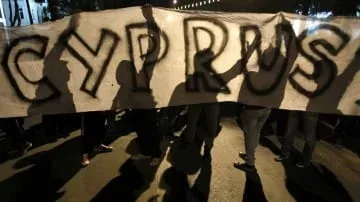
He also expects more surprises in the “eurozone minefield” after the unexpected bail-in of depositors in Cyprus. This unorthodox €10bn rescue deal involved savers in the Bank of Cyprus having 37.5% of their uninsured deposits turned into equity. Mr Christensen sees Slovenia and Malta as the countries that are most likely to run into serious economic problems in the near future, which would lead to the “absurd situation” of “nearly half of the countries in the EU being broken by their adoption of the common currency, the same Euro that they joined with such high hopes for the future.”
“Cyprus was a template,” he said. “Expect not only bail-ins, which if defined clearly ahead of time could be part of the solution, but also outright confiscatory wealth taxes, disguised as solidarity payments.”
This could lead to a wave of bank runs, with “normal” depositors that had worked hard to save up for their future ceasing to see the bank as a safe place to keep their money.
“Of course, the answer to bank runs is capital restrictions. Expect a lot more of that,” he said.
“They are always introduced as short term and temporary, but very hard to remove once in place.
“There are a lot of things to worry and think about if you are a citizen or investor in the eurozone.”


