
resources
Ship Bunkering Explained
09 Oct 2025

What is Ship Bunkering?
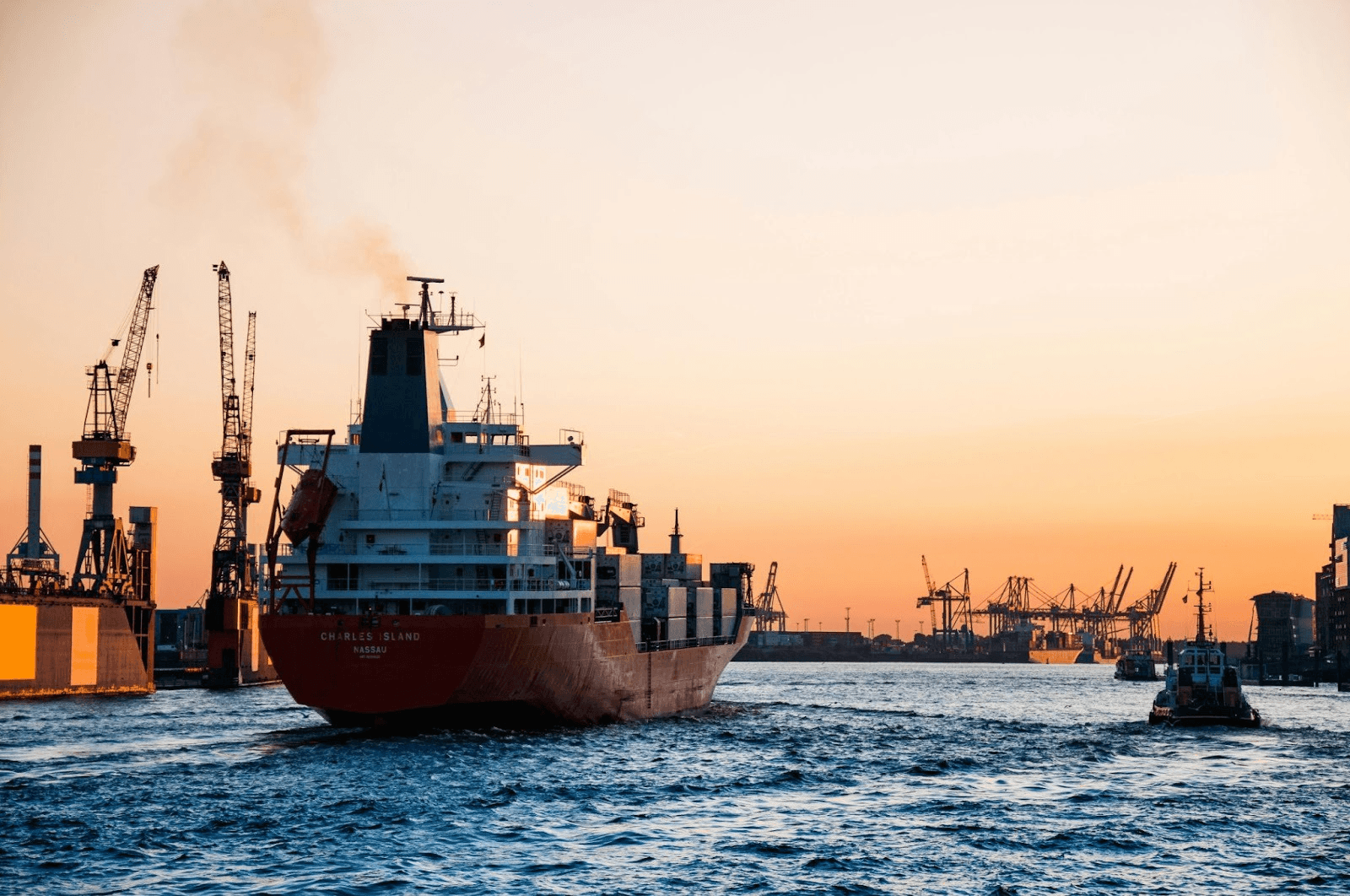
Ship bunkering is the process of refueling a ship. Just like a car needs to stop at a gas station, ships also need regular fuel to keep moving. However, ships are much bigger and use special kinds of fuel called bunker fuel or marine fuel oil.
Fuel can be supplied in different ways. Sometimes a ship gets fuel directly from another vessel, sometimes from tanker trucks at the dock, and sometimes from large storage tanks at a port. Because ships travel across oceans, they must take on enough fuel before they set out, since “running out” in the middle of the sea could be disastrous.
Companies around the world provide bunkering services, normally found by searching for the country and ‘bunkering’. For example: Gibraltar Bunkering.
Why is it Called Bunkering?
The word “bunkering” comes from the old days of steamships. Back then, ships were powered by coal, and the coal was stored in compartments called bunkers. Sailors would shovel coal from the bunkers into the furnace to keep the ship running.
Today, most ships use fuel oil instead of coal, but the word “bunkering” stuck. Now it simply means giving fuel to ships, along with all the work that goes into planning, measuring, and managing that fuel.
How Do Ships Figure Out How Much Fuel They Need?
Calculating fuel for a ship is more complicated than filling up a car. Ships burn huge amounts of fuel, and their journeys can take weeks or even months. To avoid problems, engineers carefully calculate how much fuel is required before every voyage.
Here are the main steps:
- Main Engine Consumption
The ship’s main engine burns the most fuel because it moves the ship through the water. The amount of fuel depends on how powerful the engine is, how efficient it is, and how long the ship will be sailing. - Auxiliary Engine Consumption
Ships also have smaller engines that generate electricity for lights, navigation systems, and living spaces. These burn less fuel but still must be included in the calculation. - Safety Margins
The ocean is unpredictable. A voyage may take longer if the ship has to avoid storms, strong currents, or heavy waves. To prepare for the unexpected, engineers usually add 10–15% extra fuel as a “safety margin.” This prevents the ship from running out of fuel in bad weather or if delays happen.
At the same time, carrying too much fuel isn’t smart either. Fuel is heavy, and extra weight means the ship burns even more fuel to carry it. The engineer has to balance safety with efficiency. - Remaining Onboard Fuel
Before refueling, the crew measures how much fuel is already in the tanks. This is subtracted from the total amount needed. - Tank Checks
The engineer also makes sure there is enough storage space and that different fuel types are kept separate. For example, heavy fuel oil (HFO) and marine gas oil (MGO) must not be mixed. Tanks are usually filled only up to about 90% so that the fuel has room to expand with temperature changes.
Types of Bunkering Operations
There are several ways a ship can take on fuel, depending on where it is:
- Ship-to-Ship (STS): One ship transfers fuel directly to another, often when they are at anchor.
- Truck-to-Ship: A fuel truck drives to the dock and pumps fuel into the ship.
- Terminal-to-Ship: Fuel is supplied directly from storage tanks at the port.
- Stern Line Bunkering: Fuel is pumped through a long pipe from one ship to another. This works best in calm seas.
Each method requires careful coordination to prevent spills and accidents.
Why Safety is So Important
Bunkering isn’t just about pouring fuel into a tank. It’s a carefully controlled process. Crews follow strict checklists to make sure the right type and amount of fuel is delivered, and that no oil leaks into the sea.
Oil spills are extremely harmful to marine life and can cause serious fines or legal action against the shipping company. That’s why ships prepare an Oil Pollution Emergency Plan (SOPEP) before bunkering, so everyone knows what to do if fuel is accidentally spilled.
Bunkering in Shipping Contracts
Fueling ships is also tied to laws and contracts. When a shipping company agrees to transport cargo, the contract often requires the ship to be “seaworthy.” That means the ship must be in good condition, properly staffed, and fully fueled.
If a ship runs out of fuel mid-voyage or makes an unscheduled stop to refuel, it can be seen as breaking the contract. This could cause the company to lose insurance coverage or face claims from cargo owners. In the worst cases, a stranded ship might even need a rescue.
This is why fuel planning and documentation are so critical. Engineers don’t just calculate fuel for safety; they also do it to protect the company legally and financially.
https://www.pexels.com/photo/photography-of-ship-799091/
Why Bunkering Matters
Bunkering is a vital part of shipping. Without fuel, global trade would stop, since ships carry most of the world’s goods. Every bunkering operation is more than just refueling: it’s about planning, safety, environmental protection, and legal responsibility.
Who Provides Bunkering?
Private companies usually provide bunkering; for example, MH Bland provides bunkering services in Gibraltar.
Summary
- Bunkering means refueling a ship.
- The word comes from “bunker,” where coal was stored on old ships.
- Engineers calculate fuel needs based on main and auxiliary engines, safety margins, and remaining onboard fuel.
- Refueling can be done ship-to-ship, truck-to-ship, or from port storage tanks.
- Safety and environmental protection are critical during bunkering.
- Proper fuel planning is also required by shipping laws and contracts.
In short, bunkering is not just “filling up the tank.” It’s a carefully planned process that keeps ships moving safely across the oceans.


