
resources
Smart City Atlanta Reviews: What Residents and Employees Are Saying
13 Nov 2025

Atlanta is decidedly embracing the future with its smart city initiatives, and, as one might expect, these efforts are sparking considerable discussion. From residents in their neighborhoods to the dedicated individuals working behind the scenes, a diverse array of opinions has emerged. We've taken the time to gather firsthand accounts from both community members and city employees regarding Smart City Atlanta, aiming to provide you with the genuine insights. Beyond the allure of advanced technology, these initiatives are fundamentally about their tangible impact – how they truly reshape daily life within the city.
Key Takeaways
- Smart City Atlanta is implementing various technological solutions to enhance city services and infrastructure; however, individual resident experiences are quite varied.
- City employees perceive significant potential in leveraging technology to streamline operations and elevate the delivery of essential public services.
- Technological upgrades, such as intelligent traffic lights and integrated sensor networks, are specifically designed to foster greater efficiency in day-to-day urban living.
- Community feedback is recognized as an indispensable element for effectively guiding the ongoing development and future trajectory of Atlanta's smart city projects.
- The overarching long-term objective is to cultivate an Atlanta that is notably more livable, environmentally sustainable, and deeply connected for all its inhabitants.
Understanding Smart City Atlanta's Resident Feedback
When we delve into the concept of smart cities, it's quite easy to become solely absorbed by the technology itself – the intricate web of sensors, the vast streams of data, the sophisticated networks. Yet, ultimately, the true measure of success for these initiatives hinges on their profound impact on the people who call the city home and contribute to its workforce. For Atlanta, truly comprehending the lived experiences of its residents is absolutely crucial in discerning whether these smart city endeavors are genuinely meeting their intended goals. It's truly about more than just deploying "cool gadgets"; it's about actively enhancing daily life, making it safer, more convenient, and ultimately better for everyone.
Key Themes in Resident Reviews
Upon reviewing the collective sentiment, several predominant ideas consistently surface. Many residents, for instance, express appreciation for the concerted efforts to improve traffic flow, particularly noting the perceived effectiveness of smart traffic lights in smoothing commutes during peak hours. There's also a generally positive outlook regarding the increased availability of public Wi-Fi in parks and other public spaces, which undeniably makes it easier for people to remain connected. Nevertheless, some feedback underscores a clear desire for more transparent communication about the underlying mechanisms of these technologies and the specific benefits they are intended to deliver. It often feels as though there’s a discernible gap between the rollout of new tech and the public's comprehensive understanding of its core purpose and overall impact.
Areas of Positive Resident Experience
Atlanta residents are consistently giving high marks to several distinct areas. The widespread deployment of smart streetlights, for example, has been frequently cited for significantly improving visibility and enhancing a sense of safety in neighborhoods once darkness falls. Furthermore, many attribute the notably improved responsiveness of city services to better data collection and analytical processes, which empower departments to allocate vital resources with greater precision. The introduction of intuitive apps and online portals for accessing various city services has also proven to be quite popular, simplifying routine tasks such as bill payments or the reporting of local issues.
Opportunities for Improvement Identified by Residents
While there's certainly much to commend, residents have also keenly identified areas where Atlanta's smart city initiatives could genuinely excel further. A frequently recurring theme is the urgent need for more accessible technology training, particularly tailored for older residents or those who may be less familiar with contemporary digital tools. Some also perceive that certain smart city projects have not yet fully addressed the diverse needs of all communities, inadvertently exacerbating a potential digital divide. Indeed, there's a resounding call for more inclusive planning – an imperative to ensure that new technologies genuinely benefit everyone, not just a select few. Additionally, concerns about data privacy and overall security are regularly voiced, with residents expressing a clear desire for greater transparency regarding how their personal information is being utilized and, more importantly, protected.
Employee Perspectives on Smart City Atlanta Initiatives
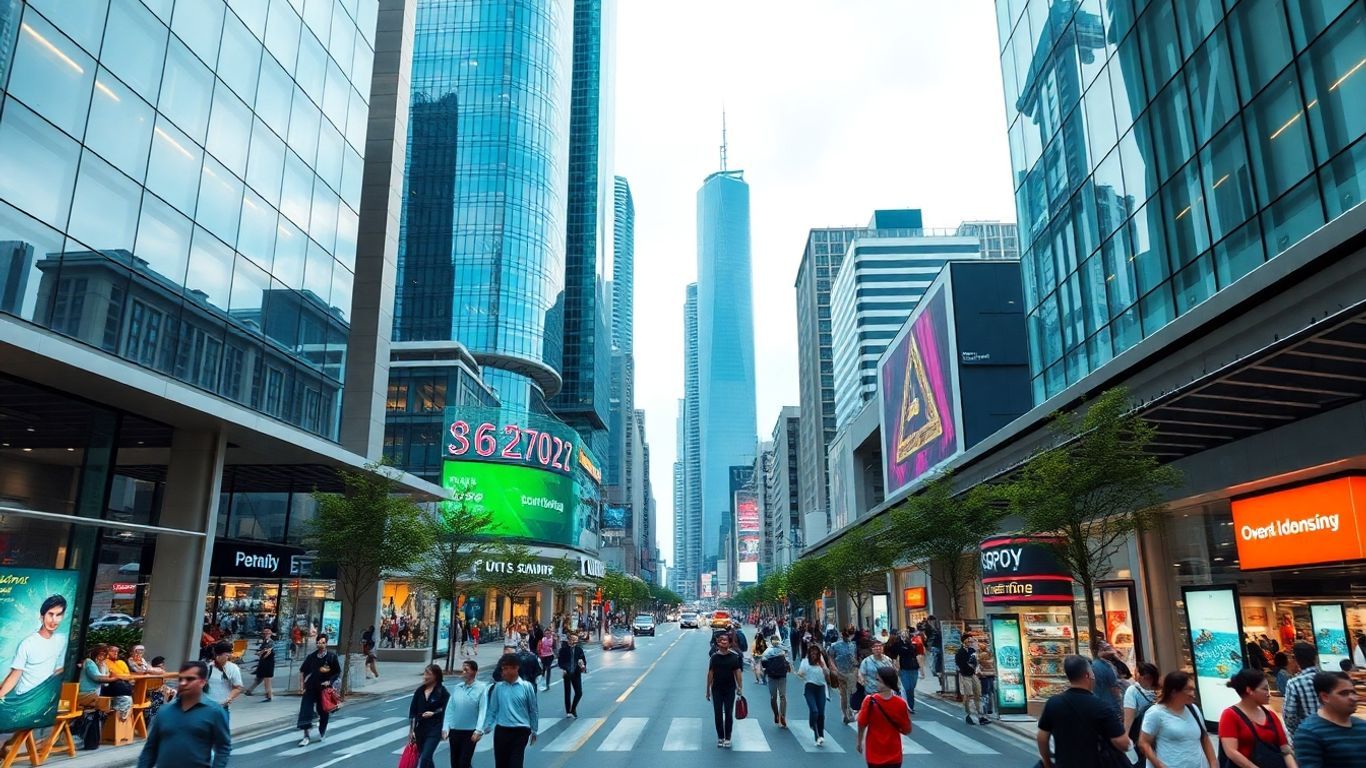
When we discuss smart cities, it’s quite natural to gravitate towards the technology itself and the benefits it promises for residents. But what about the dedicated individuals actually working on the ground, striving to bring these initiatives to fruition? City employees are truly on the front lines, and their experiences offer a uniquely valuable lens through which to understand how Smart City Atlanta is genuinely performing.
Insights from City Employees
Many city workers have observed a noticeable shift in how they approach their daily responsibilities, thanks in large part to the integration of new technologies. The advent of data-driven tools has fundamentally transformed daily operations for numerous departments. For instance, public works employees are now leveraging advanced sensors to meticulously monitor infrastructure, which enables them to pinpoint potential issues proactively – often before they escalate into significant problems. This forward-thinking, proactive approach translates into fewer emergency responses and a greater emphasis on planned, preventative maintenance. It's a significant departure from older methodologies, where problems were frequently addressed only after being reported by citizens.
Impact on Public Services
The core objective of Smart City Atlanta is to elevate services for everyone, and city employees are witnessing this evolution firsthand. Consider traffic management: sophisticated systems that dynamically adjust signal timing based on real-time traffic flow mean less time commuters spend idly stuck in jams. For city staff, this directly translates into fewer complaints regarding congestion and a smoother, more efficient flow for various city operations. Similarly, within public safety, innovative communication tools and advanced data analysis empower first responders to reach critical locations faster and with a richer trove of information. This not only significantly benefits the public but also renders the vital jobs of our police and fire departments more effective and, hopefully, considerably safer.
Technological Adoption by Staff
Embracing new technology is rarely a straightforward process. City employees have, understandably, had to master new systems and adapt to distinct ways of working. While some have enthusiastically embraced these changes, others have found the learning curve somewhat challenging. To facilitate this transition, robust training programs have been put in place. The city is actively working to ensure that every staff member feels confident and capable when utilizing the new tools. It is, undeniably, an ongoing process, and valuable feedback from staff is instrumental in shaping how these technologies are deployed and continually supported.
The integration of smart technologies extends far beyond merely installing new gadgets; it fundamentally reshapes how the city government operates and, critically, how it serves its people. Employee input, therefore, remains vital to ensuring these changes are both practical and genuinely beneficial for all parties involved.
Technological Innovations and Their Impact
Atlanta is diligently integrating a diverse array of technologies designed to enhance the efficiency of city operations and significantly improve the daily lives of its residents. These aren't simply futuristic concepts; rather, many represent practical applications that are already making a tangible difference across the urban landscape.
Smart Infrastructure Deployments
Atlanta is actively rolling out smart infrastructure specifically engineered to optimize resource management and elevate service delivery. Envision adaptive traffic lights that dynamically adjust their timing based on real-time traffic flow – a crucial innovation for alleviating congestion on bustling streets. We're also observing the strategic deployment of sensors in various city quadrants. For instance, smart water meters are being utilized to meticulously track water consumption and swiftly identify potential leaks, representing a substantial stride in conservation efforts. Even streetlights are receiving technological enhancements, with some systems intelligently designed to dim when not in active use, thereby conserving energy without compromising public safety. These tangible, physical changes form the essential backbone of a more intelligent urban environment.
Data Collection and Analysis
At the very core of many smart city initiatives lies the comprehensive collection and astute analysis of data. Devices strategically positioned across the city are diligently gathering information on everything imaginable – from intricate traffic patterns to prevailing environmental conditions. This invaluable data is then rigorously analyzed to facilitate informed decision-making. For example, by dissecting traffic data, city planners can precisely identify problematic bottlenecks and subsequently implement effective solutions. Environmental sensors, meanwhile, play a crucial role in monitoring air quality or providing early detection of potential flooding. The overarching objective here is to leverage this wealth of information to proactively address issues well before they escalate into major problems. This data-driven methodology allows for a more responsive, precise, and ultimately effective approach to city management.
Citizen Engagement Through Technology
Smart city technology isn't solely confined to infrastructure; it's also profoundly about fostering meaningful connections with residents. Atlanta is actively exploring innovative avenues to utilize technology to simplify public interaction with city services and ensure citizens remain thoroughly informed. This can encompass a broad spectrum of tools, such as intuitive mobile apps for reporting local issues, user-friendly online portals for accessing vital city information, or even expansive public Wi-Fi initiatives in parks and community centers. The fundamental concept is to render city services more accessible and to establish robust channels for feedback, thereby empowering residents to play a more direct and impactful role in the ongoing development of their community. It's truly about cultivating a more connected and highly responsive city for everyone.
Evaluating Smart City Atlanta's Progress
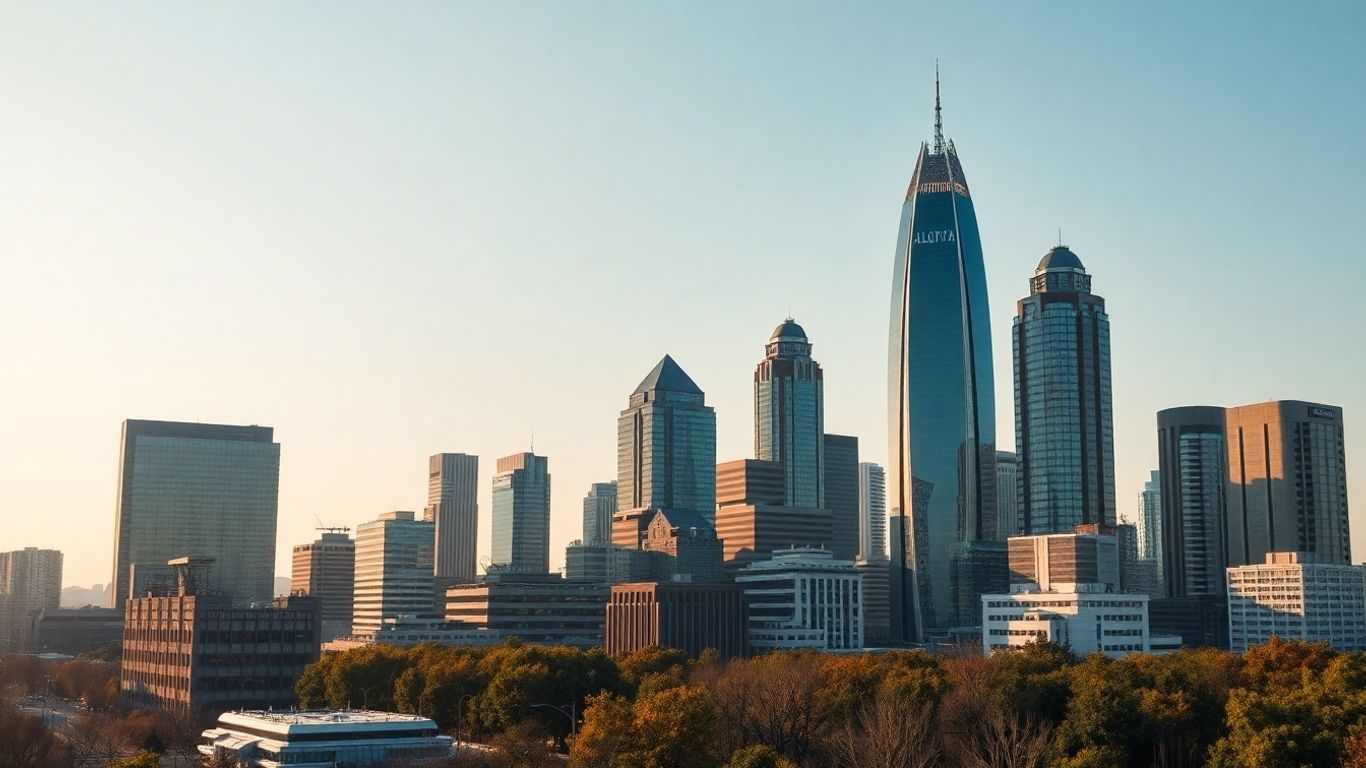
When we discuss smart cities, it's vital to remember that the conversation extends far beyond merely showcasing impressive technology; it's fundamentally about whether that technology genuinely enhances life for everyone who lives and works within its bounds. For Atlanta, determining if these initiatives are truly hitting their mark involves scrutinizing a few critical areas. It's a continuous process of assessing outcomes and carefully weighing how things truly stack up.
Metrics for Success in Smart Cities
So, how does one even begin to quantify the success of a smart city? It certainly involves more than just tallying the number of sensors deployed. We must look towards tangible outcomes. Consider, for instance, the speed at which emergency services can respond, or whether traffic congestion is, in fact, diminishing. Energy consumption presents another significant metric – are we observing a measurable reduction? And, crucially, are citizens genuinely engaging with and utilizing the new digital tools that the city is providing?
Here are several common approaches cities employ to track their smart progress:
- Reduced energy consumption: Actively lowering the city's overall energy footprint.
- Improved public safety response times: Measuring the swiftness with which police, fire, and medical services arrive on scene.
- Decreased traffic congestion: Quantifying travel times and analyzing real-time traffic flow data.
- Increased citizen engagement: Assessing participation rates in digital services and feedback platforms.
- Waste reduction and recycling rates: Meticulously tracking the city's overall environmental impact.
Comparison with Other Leading Cities
Atlanta, of course, isn't the sole metropolis striving for greater intelligence. Many other urban centers are also embarked on this transformative journey, and drawing comparisons can be exceptionally insightful. Cities like Austin, Texas, are renowned for their pioneering work in smart grids and ubiquitous public Wi-Fi. Seattle, on the other hand, has strategically focused on innovations such as predictive parking and even sophisticated earthquake warning systems. And then there’s San Jose, which is cleverly utilizing sensors to diligently monitor air and noise pollution levels.
The aim isn't simply to replicate, but rather to learn. What proves effective in one urban environment might necessitate a distinctly different approach in Atlanta, given its unique geographical layout and diverse population. Examining how other cities quantify success and what challenges they've adeptly navigated can undoubtedly furnish Atlanta with invaluable perspectives.
Long-Term Vision for Atlanta's Smart Development
What, then, is the grand vision for Atlanta? It's fundamentally about constructing a city that is not only technologically advanced but also demonstrably more livable, sustainable, and equitable for all its inhabitants. This necessitates looking beyond immediate projects and carefully considering how all the interconnected pieces will coalesce over the next 5, 10, or even 20 years.
The ultimate goal is to cultivate an urban environment where technology genuinely serves its people, making everyday life demonstrably smoother and rendering the city itself more resilient in the face of future challenges. This continuous adaptation, alongside a willingness to refine strategies based on real-world outcomes and community needs, is absolutely essential.
This forward-looking perspective serves to guide current decisions and ensures that Atlanta's smart city endeavors are indeed building towards a superior future, rather than merely implementing isolated technological solutions. It truly is a marathon, not a sprint, and keeping the ultimate destination firmly in sight is paramount.
Community Impact and Quality of Life
Smart city initiatives across Atlanta are specifically engineered to create a tangible difference in the daily lives of its residents. This commitment isn't merely about rolling out new gadgets; it's about actively fostering a city that is safer, more navigable, and demonstrably better for the environment. Let's explore how these profound changes are beginning to unfold.
Enhancements in Public Safety
Public safety inherently remains a paramount concern, and technology is playing an increasingly pivotal role in its advancement. For example, smart city projects are actively exploring innovative ways to leverage data from various sources, such as strategically placed security cameras and integrated sensors, to enable emergency services to respond with greater speed and precision. Consider sophisticated gunshot detection systems that can pinpoint an exact location almost instantaneously, or intelligent traffic management tools designed to clear paths for emergency vehicles. These aren't merely theoretical concepts; they are actively being investigated and implemented to cultivate more secure neighborhoods. – a truly welcome development for all.
- Achieving faster emergency response times through enhanced data analysis.
- Developing improved crime prevention strategies informed by real-time intelligence.
- Facilitating more efficient resource allocation for both police and fire departments.
The overarching objective is to forge a more secure environment where residents feel genuinely protected and can unequivocally rely on swift assistance whenever the need arises.
Improvements in Transportation and Mobility
Navigating Atlanta is also a significant area of focus. Smart traffic lights that dynamically adjust based on real-time traffic flow hold immense potential for reducing congestion and shortening those often-dreaded commute times. Sensors designed to monitor parking availability can simplify the arduous task of finding a spot, thereby saving drivers invaluable time and considerable frustration. These types of improvements collectively aim to make daily travel smoother for everyone, regardless of whether you're driving, utilizing public transit, or cycling. It’s fundamentally about rendering the city more accessible and significantly less stressful to traverse.
Sustainability Efforts and Environmental Impact
Atlanta is also making considerable strides towards cultivating a greener future. Smart city technology can be instrumental in managing valuable resources with heightened effectiveness. This encompasses initiatives such as intelligent streetlights that gracefully dim when not in active use, leading to significant energy savings. Water sensors, meanwhile, can meticulously monitor and manage water resources – an especially critical function in areas susceptible to flooding. By thoughtfully harnessing data and sophisticated smart systems, the city endeavors to substantially reduce its environmental footprint and create a healthier, more vibrant place to reside. This aligns perfectly with a broader, global trend of cities actively seeking sustainable urban development solutions.
Future Outlook for Smart City Atlanta
Looking ahead, Smart City Atlanta is undoubtedly poised for sustained growth and innovation. The city's unwavering commitment to seamlessly integrating technology into the fabric of urban life strongly suggests a future where daily living will be more efficient, profoundly sustainable, and intricately connected. Several key domains are expected to notably shape this ongoing evolution.
Upcoming Smart City Projects
Atlanta is proactively planning and diligently implementing new initiatives that strategically build upon its existing smart city framework. These forthcoming projects aim to robustly address evolving urban challenges and elevate the quality of life for both its residents and visitors. Some anticipated developments include:
- Expansion of IoT sensor networks: A greater number of sensors will be strategically deployed across the city to meticulously gather real-time data on everything from air quality and traffic flow to waste management and public utility usage. This data will prove absolutely vital for making informed, timely decisions.
- Advancements in public transportation technology: Expect to witness more interconnected transit options, encompassing real-time tracking capabilities, seamlessly integrated payment systems, and potentially even pilot programs for autonomous public transport.
- Smart grid enhancements: Further development of the city's energy infrastructure to effectively support renewable energy sources and significantly improve overall energy efficiency.
These ambitious projects are an integral part of a broader, visionary plan for Atlanta's future, aligning thoughtfully with long-term development blueprints like Atlanta 2050.
Anticipated Benefits for Residents and Businesses
The ongoing smart city endeavors are thoughtfully designed to yield tangible advantages for everyone across Atlanta. For residents, this translates into potentially shorter commutes through superior traffic management, enhanced public safety via data-driven responses, and more readily accessible city services. Businesses, meanwhile, can eagerly anticipate a more efficient operating environment, complete with improved infrastructure support and access to critical data that can inform strategic decision-making.
The comprehensive integration of smart technologies transcends mere convenience; it's fundamentally about cultivating a more responsive and inherently resilient urban environment. By diligently collecting and analyzing data, the city gains the capacity to proactively address issues before they burgeon into major problems, ultimately leading to a smoother, more seamless experience for all.
The Role of Citizen Feedback in Future Planning
As Smart City Atlanta continues its forward trajectory, the invaluable input garnered from its residents and dedicated employees remains an essential cornerstone of its strategic approach. Continuous feedback loops are absolutely critical for ensuring that the implemented technologies genuinely cater to the community's evolving needs. This commitment entails:
- Active solicitation of feedback: Utilizing diverse channels, including user-friendly digital platforms and engaging community forums, to assiduously gather opinions on both current initiatives and future proposals.
- Data-driven adjustments: Meticulously analyzing resident feedback in conjunction with operational data to refine existing services and strategically prioritize new projects.
- Transparent communication: Consistently keeping the public well-informed about the progress of smart city projects and, crucially, how their valuable feedback is being actively incorporated.
The future prosperity of Smart City Atlanta truly hinges on a collaborative approach, where technological advancement is meticulously guided by the real-world experiences and fundamental needs of its people.
Looking Ahead for Smart City Atlanta
As we conclude our comprehensive look at the diverse perspectives surrounding Smart City Atlanta, it becomes abundantly clear that technology is irrevocably reshaping how we experience urban living. From optimizing traffic flow to significantly enhancing the efficiency of municipal services, these intelligent initiatives are all geared towards making daily life smoother for everyone. While the full scope of their impact continues to unfold, the valuable feedback and the ongoing projects collectively suggest a city deeply committed to leveraging innovative tools to resolve everyday challenges and notably improve the overall experience for both residents and workers alike. It's truly an exciting period as Atlanta persistently builds its future, one thoughtfully designed smart solution at a time.
Frequently Asked Questions
What exactly is a "Smart City"?
A smart city is an urban area that intelligently uses technology and data to significantly enhance city life. Think of it as essentially giving a city a "brain"! This approach helps to manage critical aspects like traffic, energy consumption, and public safety more smoothly, ultimately making daily life easier and considerably more efficient for everyone residing there.
How does technology help make cities smarter?
Cities employ various technological components, such as sensors, cameras, and specialized software applications. These sophisticated tools meticulously collect real-time information about how different systems are operating – for instance, analyzing traffic flow or monitoring energy usage. Subsequently, city leaders can leverage this invaluable data to make intelligent, informed decisions, like dynamically adjusting traffic light timings to alleviate congestion or identifying novel ways to conserve energy effectively.
What are some examples of smart city projects?
Across various smart cities, you'll find innovative projects. Some, for example, utilize sensors to intelligently dim streetlights during periods of low activity, thereby conserving energy. Others deploy cameras and smart systems to enable police forces to more swiftly pinpoint the location of incidents, such as gunshots. Additionally, many cities are adopting technology to enhance water management and rapidly detect leaks, preventing waste.
Do smart cities help with traffic?
Absolutely, traffic management is a significant focus for many smart cities! They strategically deploy sensors to gauge the volume of vehicles on the road and then dynamically adjust traffic lights to facilitate a smoother, more efficient flow of traffic. This can directly translate into less time spent idling in traffic and a reduction in associated pollution.
How do smart cities help the environment?
Smart cities frequently prioritize environmental stewardship and aim to be more eco-friendly. They might leverage technology to optimize energy consumption, perhaps by dimming streetlights during off-peak hours or by making the power grid more efficient through the integration of renewable energy sources. Many also concentrate on mitigating pollution and managing crucial resources, such as water, with greater wisdom and foresight.
Can residents give feedback to smart cities?
Yes, absolutely! Many smart city initiatives are designed to include robust mechanisms for residents to share their thoughts and experiences. Some cities offer dedicated apps where community members can easily report issues like potholes or malfunctioning streetlights. This vital feedback is incredibly important for continually enhancing the city for the benefit of everyone.


