
resources
SmartLA 2028: Los Angeles' Vision for a Connected and Sustainable Future
03 Dec 2025

As Los Angeles gears up for 2028, it's embarking on an ambitious initiative dubbed SmartLA 2028. Essentially, this comprehensive plan leverages technology and data to optimize urban operations and elevate the quality of life for all residents. Imagine smarter traffic management, cleaner air, and seamless access to vital services for everyone across the city—this is the vision. It's a truly ambitious undertaking, aiming to interconnect various urban systems and streamline daily experiences for Angelenos. The scope encompasses everything from the integration of self-driving vehicles to more sophisticated waste management strategies, all with a keen focus on enhancing the city's sustainability and navigability. Indeed, this represents a significant push to position LA as a global leader in the evolving 'smart city' paradigm.
Key Takeaways
- Los Angeles is committed to evolving into a connected and sustainable urban center by 2028, strategically employing technology to enhance daily life and municipal services.
- The plan places a strong emphasis on modernizing transportation infrastructure, including the integration of autonomous vehicles and advancements in public transit, to foster easier and more environmentally friendly movement.
- Sustainability stands as a cornerstone of this vision, with significant efforts directed towards green infrastructure, optimized waste management systems, and innovative clean energy solutions.
- Technology will be instrumental in boosting community well-being, facilitated through initiatives like expanded telehealth services and more responsive emergency systems.
- A crucial objective is to ensure that these transformative changes benefit all residents, actively working to bridge the digital divide and provide equitable access to technology and essential digital skills.
Enhancing Urban Mobility Through Smart Transportation
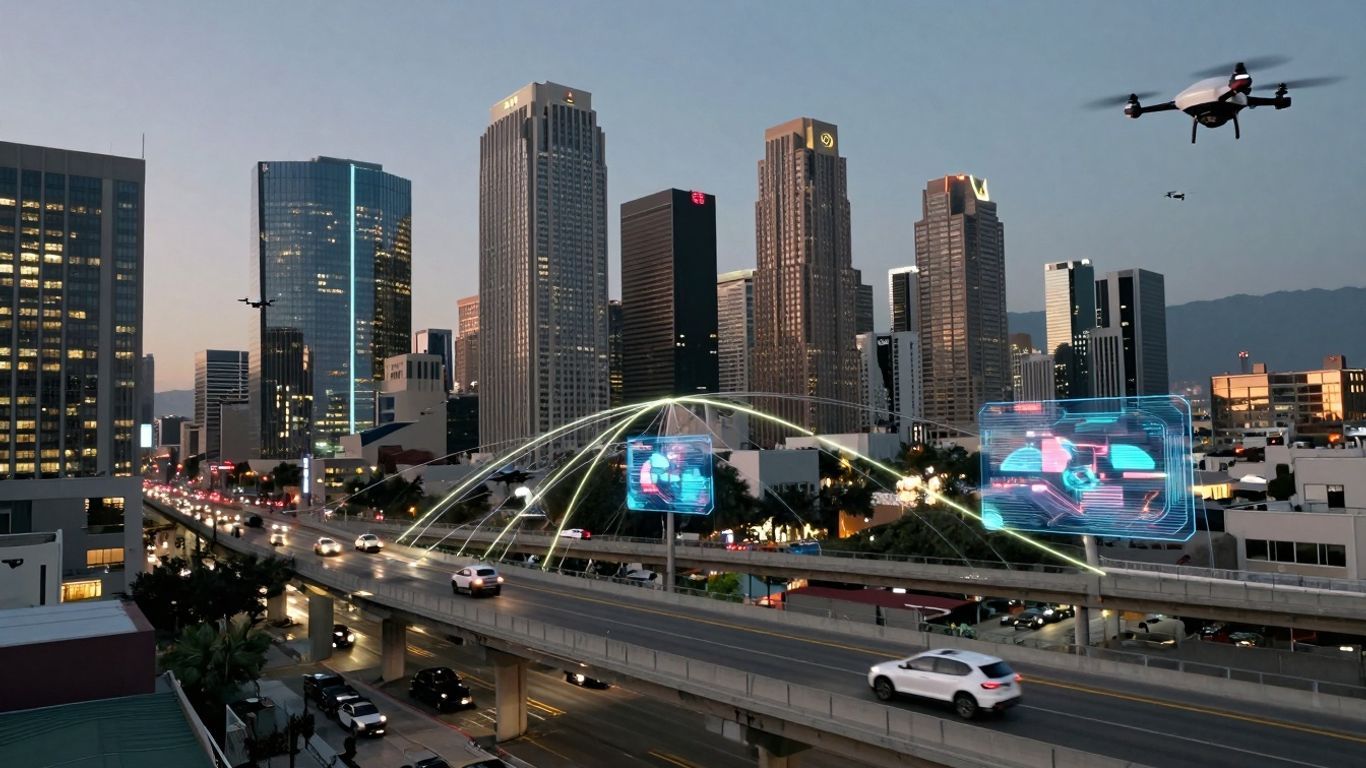
Los Angeles is actively preparing for a future where navigating the city is not only smoother and quicker but also significantly better for our planet. Smart transportation, you see, isn't just about incorporating cutting-edge gadgets; it's fundamentally about alleviating the daily commute's inherent stresses and fostering greater efficiency for everyone. We're diligently exploring how technology can truly help us all move around with more ease—whether you're boarding a bus, cycling through neighborhoods, or simply enjoying a walk.
Integrating Autonomous Vehicle Technology
Autonomous vehicles (AVs) are quickly becoming a tangible reality, poised to fundamentally alter our travel experiences. While the technological advancements are undeniably exciting, our primary focus remains on ensuring that AVs are safe, reliable, and genuinely accessible to every Angeleno. This means carefully considering their integration with existing traffic patterns, establishing effective management protocols for their operation on our streets, and developing the necessary regulatory frameworks. The ultimate goal is to introduce a new, secure option into our transportation mix, with the potential to significantly reduce accidents and make travel far more predictable.
Optimizing Public Transit Systems
Public transit forms the essential backbone of any truly connected city, and we're dedicated to making it smarter than ever. Imagine buses and trains that you can track in real-time with unprecedented accuracy, allowing you to know precisely when your ride will arrive. We're also exploring dynamic routing strategies that can adjust on the fly to circumvent traffic congestion, thereby making your journey faster. Furthermore, payment systems are set to become much simpler, enabling you to board with absolute ease. Our central aim is to elevate public transit to such a level of convenience and reliability that it becomes the preferred mode of travel for a significant portion of the population.
Here’s what we’re diligently working towards:
- Real-time tracking capabilities for both buses and trains.
- Dynamic routing systems designed to bypass traffic hot spots.
- Streamlined and simplified payment options.
- Enhanced connectivity and seamless transfers between various transit lines.
We truly need to ensure our public transit isn't merely a fallback option, but rather a genuinely attractive, efficient, and indeed, preferred choice for daily commutes across the entire city.
Promoting Pedestrian and Bicycle Infrastructure
Moving around on foot or by bicycle should be an enjoyable experience, not an arduous task. Consequently, we're making substantial investments in transforming our streets to be far more welcoming for both pedestrians and cyclists. This commitment includes constructing wider sidewalks, planting more trees to provide much-needed shade, and establishing protected bike lanes that ensure cyclists' safety away from vehicular traffic. Additionally, better-lit streets and more clearly marked crosswalks will significantly enhance the safety of walking and biking, especially after dusk. We genuinely aspire to encourage more individuals to opt for these healthy and eco-friendly modes of transportation.
Key improvements include:
- Wider sidewalks complemented by more green spaces.
- Dedicated, physically protected bike lanes.
- Enhanced street lighting to ensure nighttime safety.
- More visible and readily accessible crosswalks.
Building A Sustainable And Resilient Los Angeles
Los Angeles is profoundly committed to its green agenda, which inherently means a robust investment in clean technology. This commitment extends far beyond just solar panels and electric vehicles—though those are certainly crucial components! Rather, it's about actively fostering companies that are pioneering novel approaches to reduce emissions, conserve precious resources, and ultimately forge a more sustainable future. This could encompass anything from enterprises focused on innovative waste management solutions to those developing advanced energy-efficient building materials. To truly catalyze this shift, the city can proactively attract such businesses through strategic offerings like tax incentives, grants, and various other forms of support.
Implementing Green Infrastructure Projects
So, what's the blueprint for 2028? It's much more than just advanced tech; it’s about fundamentally greening LA. Picture an urban landscape with more parks, expansive green roofs, and thriving urban forests. The core concept is to organically reintroduce nature into the very fabric of our city. These aren't merely aesthetic enhancements; they're meticulously designed to manage stormwater runoff, mitigate the pervasive urban heat island effect, and significantly improve air quality. Ultimately, it’s about cultivating a city that is more livable and breathable for everyone. The Smart City LA 2028 map, in fact, prominently highlights not only enhanced mobility through advanced transportation solutions, but also a parallel prioritization of sustainability with the strategic inclusion of green spaces and energy-efficient initiatives.
- The strategic planting of native trees and vegetation.
- The creation of vital green corridors along streets and waterways.
- The implementation of permeable pavements to effectively reduce runoff.
Advancing Waste Management Innovations
Los Angeles is actively exploring cutting-edge approaches to waste management, with a clear objective of boosting efficiency and minimizing environmental impact. This forward-thinking strategy includes deploying smart bins that autonomously signal when they require emptying, optimizing collection routes for peak performance, and delving into advanced recycling and composting technologies. The overarching goal is a decisive shift towards a circular economy—a model where waste generation is minimized and resources are diligently reused. This innovative approach not only significantly benefits the environment but also cultivates exciting opportunities for new businesses and job creation within the burgeoning green sector.
The city's approach to waste management is definitively transitioning from mere disposal to comprehensive resource recovery, a move that aligns perfectly with broader, overarching sustainability objectives.
Investing In Clean Energy Solutions
LA is undeniably serious about its commitment to environmental stewardship, and a pivotal part of this involves substantial investment in clean technology. This commitment extends far beyond the familiar sight of solar panels and electric cars, although those are, of course, vital. Rather, it centers on actively supporting companies that are dedicated to pioneering new methods for reducing emissions, conserving valuable resources, and ultimately building a more sustainable future for us all. This could manifest as backing businesses focused on sophisticated waste management solutions or those developing groundbreaking energy-efficient building materials. By offering incentives such as tax breaks and grants, the city can effectively attract and nurture these crucial industries.
The city aims to be a recognized leader in both the adoption and development of innovative clean energy solutions. This initiative is absolutely key to reducing greenhouse gas emissions and cultivating a healthier, more vibrant environment for all its residents.
Leveraging Technology For Community Well-being
SmartLA 2028, at its heart, is fundamentally about harnessing new tools and innovations to genuinely improve life for every single person in Los Angeles. It’s not simply a matter of introducing sophisticated gadgets; rather, it’s about discovering practical, tangible ways technology can help us all maintain our health, enhance our safety, and foster deeper connections within our communities.
Expanding Telehealth Services
Can you imagine receiving medical advice without ever having to leave the comfort of your home? That very concept underpins our strategic expansion of telehealth services. This initiative means that more individuals—particularly those who face challenges with travel or reside in areas distant from traditional clinics—will be able to consult with doctors and nurses using secure video calls. The city is diligently working to ensure robust internet connectivity and secure systems are in place to support these virtual appointments. It truly marks a significant stride towards making healthcare more accessible for everyone.
Improving Public Health Monitoring
We possess the capability to utilize technology for a more vigilant oversight of our neighborhoods' collective health. Consider the potential of sensors that continuously monitor air quality, immediately alerting us when conditions are suboptimal for outdoor activities. Or perhaps leveraging data analytics to pinpoint areas where specific health issues are more prevalent, allowing us to proactively assist residents there sooner. This proactive methodology enables us to address potential problems before they escalate into serious concerns, fostering healthier communities overall.
- Proactive health alerts dynamically generated from environmental data.
- Targeted community health programs, precisely informed by localized trends.
- Easier and more equitable access to comprehensive health information and vital resources for all residents.
Technology, without a doubt, serves as a powerful tool; however, how we choose to wield it ultimately makes all the difference. The overarching goal is to cultivate trust and enhance communication, certainly not to create division. It is absolutely paramount that these tools are deployed with fairness and complete transparency.
Enhancing Emergency Response Capabilities
In moments of crisis, swift and highly effective responses are absolutely vital. SmartLA 2028 is keenly focused on substantially improving how we manage such situations. This could manifest as more advanced methods for alerting the public to dangers, fostering faster communication channels between emergency services, and strategically utilizing data to predict where assistance might be most critically needed. The city is diligently exploring new systems designed to empower first responders to carry out their duties with greater efficiency, potentially saving lives and mitigating damage. We're also working tirelessly to ensure everyone can readily access crucial information, for instance, through the innovative public Wi-Fi initiative launched in collaboration with Cisco.
Here’s a look at how we plan to improve emergency response:
- Real-time communication networks designed for all emergency personnel.
- Predictive analytics employed to anticipate critical needs in disaster scenarios.
- Public alert systems engineered to reach everyone, both quickly and reliably.
Fostering Economic Growth Through Innovation
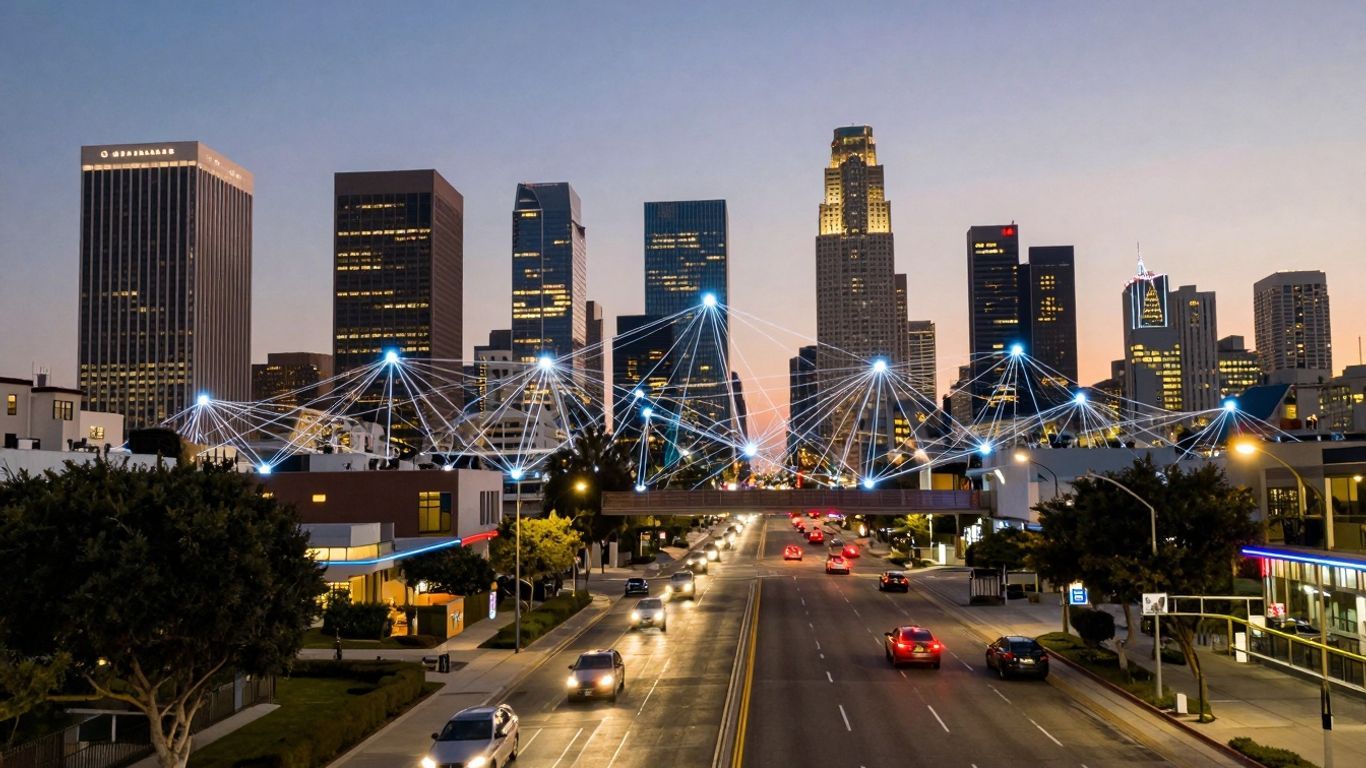
SmartLA 2028 is about more than just ensuring Los Angeles operates with greater fluidity; it’s also fundamentally about cultivating an environment where emerging businesses can flourish and, importantly, where meaningful jobs are created. The city is strategically examining how technology can serve as a robust springboard for economic development, thereby generating opportunities for every resident.
Supporting Local Startup Ecosystems
Los Angeles already boasts a remarkably dynamic scene for new companies, and SmartLA 2028 aims to further build upon this inherent strength. The objective is to simplify the process for startups to access the vital support they require, whether that involves connecting with experienced mentors, securing crucial funding, or simply navigating complex city processes. Imagine a future with more collaborative workspaces offering lightning-fast internet, more streamlined permit acquisition, and perhaps even city-led programs specifically designed to help fledgling businesses gain traction. The city plans to forge partnerships with local universities, aiming to transform cutting-edge research into viable businesses, thereby providing a significant boost to small and growing enterprises.
Encouraging Investment in Clean Technology
Embracing green initiatives forms a substantial component of the overall plan, and this crucially involves channeling investment into clean technology. This commitment goes beyond just installing solar panels and rolling out electric vehicles. It's truly about fostering companies that are pioneering novel methods to curtail pollution, judiciously utilize resources, and ultimately construct a more sustainable future. This could encompass businesses focused on enhanced waste management techniques or those developing energy-efficient building materials. The city can effectively attract such enterprises by offering strategic incentives like tax breaks and grants. Investing in these sectors, undoubtedly, has the potential to cultivate new industries and generate local jobs right here in LA.
Creating New Job Opportunities
All this new technology and innovation inherently necessitate that people possess the right skills to thrive in these expanding fields. SmartLA 2028 thoughtfully incorporates plans for programs explicitly designed to train individuals for these burgeoning occupations. This could entail learning coding, developing data literacy, or acquiring expertise in renewable energy. It’s about much more than merely finding a job; it’s about equipping individuals with the foundational skills required for long-term success. The city is actively exploring partnerships with local colleges to develop training initiatives that precisely align with employer demands. This dedicated focus on workforce development is absolutely critical to ensuring that the economic benefits are broadly distributed.
The ultimate success of SmartLA 2028 hinges entirely on ensuring that economic growth is truly inclusive. The advantages derived from new technologies and job creation must reach every corner of the city and benefit all its residents, not merely a select few. This unequivocally means ensuring that training programs are universally accessible and that new employment opportunities emerge across the board. Addressing critical issues like affordable housing and efficient transportation is also paramount, ensuring that everyone can actively participate in this evolving economy.
Here's a look at some of the areas the city is focusing on:
- Startup Support: Streamlining processes and providing comprehensive resources for new businesses.
- Clean Tech Investment: Actively attracting and rigorously supporting companies dedicated to sustainability.
- Workforce Training: Developing robust programs for in-demand skills in the technology and green industries.
- Inclusive Growth: Striving for economic benefits to be equitably spread across all communities.
This initiative is fundamentally about constructing a more robust economy for Los Angeles by embracing innovation and diligently ensuring that opportunities are readily available for everyone. The city is deeply committed to cultivating an environment where businesses can launch and expand, and where residents can acquire the necessary skills for the jobs of tomorrow. For more comprehensive details on past achievements, you can refer to the SmartLA 2028 report.
Ensuring Digital Equity And Inclusion
As Los Angeles progresses towards a profoundly connected and smart future, it's absolutely paramount that every resident can come along for the ride. We're talking about a commitment to ensuring that all individuals—regardless of their background or where they reside—have genuine access to the digital tools and essential skills required to truly thrive. This isn't merely a matter of fairness; it's about collaboratively building a stronger, more capable city for us all.
Bridging The Digital Divide
One of the most significant challenges we confront is the pervasive digital divide—that distinct gap separating those with effortless access to the internet and technology from those who lack it. This disparity can manifest in myriad ways, from an inability to afford reliable internet service to not possessing the necessary devices for online engagement. The ambitious goal for SmartLA 2028 is to ensure that dependable internet access and essential technology are well within reach for every single Angeleno. This commitment necessitates a multi-faceted approach, carefully considering affordability, widespread availability, and ensuring the robust infrastructure is in place for everyone.
- Expanding truly affordable broadband access to neighborhoods that have historically been underserved.
- Providing low-cost or even free devices, such as laptops and tablets, to families and individuals who are most in need.
- Establishing accessible public Wi-Fi hotspots within community centers, libraries, and local parks.
The recent pandemic undeniably underscored just how profoundly we depend on digital access for virtually everything—from education and employment to healthcare and maintaining connections with our loved ones. Closing this critical gap, without question, stands as a top priority.
Providing Accessible Technology Resources
While having internet access is certainly a crucial first step, possessing the appropriate tools is an entirely different consideration. SmartLA 2028 aims to place vital technology resources directly into the hands of those who need them most. This includes not only internet connectivity itself, but also equitable access to computers and other essential digital devices. We are actively exploring strategic partnerships to ensure that everyone can acquire the equipment necessary for educational pursuits, effective job searching, and navigating daily life. Imagine readily available community tech hubs where individuals can access computers and receive much-needed assistance.
Developing Digital Literacy Programs
Simply having access to technology isn't sufficient if individuals lack the knowledge to utilize it effectively. This is precisely where digital literacy programs become indispensable. These thoughtfully designed initiatives are intended to impart essential skills, ranging from fundamental computer operation and internet navigation to more advanced topics like online safety protocols and the proficient use of productivity software. The city is collaborating with community partners to offer training that genuinely meets people where they are, helping them cultivate both confidence and competence in the digital world. This effort is absolutely key to fully participating in the LA 28 events and indeed, beyond.
| Program Area | Key Focus |
|---|---|
| Basic Computer Skills | Operating systems, file management |
| Internet Navigation | Web browsing, search engines, online safety |
| Digital Communication | Email, video conferencing, social media basics |
| Online Productivity | Word processing, spreadsheets, presentations |
The Role Of Data In A Connected City
In the Los Angeles of 2028, data transcends mere information; it stands as the very engine propelling our city forward. Envision it as the city's intricate nervous system, constantly gathering signals from every corner to help us comprehend ongoing events and, crucially, to make more informed decisions. This continuous stream of information empowers us to manage resources with enhanced efficiency and to respond to the evolving needs of our residents in real time.
Utilizing IoT Devices For City Management
We're looking at a sophisticated network of smart devices—ranging from traffic sensors to environmental monitors—all meticulously orchestrated to work in concert. These Internet of Things (IoT) devices diligently collect data on virtually everything: traffic flow, air quality, energy consumption, and even public safety metrics. Such comprehensive information enables city managers to discern patterns they might otherwise overlook. For instance, by meticulously analyzing data from traffic sensors, we can dynamically adjust signal timings to effectively alleviate congestion during peak hours. Similarly, environmental sensors can promptly alert us to potential pollution issues before they escalate into serious problems. This proactive methodology ensures we can address challenges head-on, preventing them from significantly impacting our daily lives.
Implementing Open Data Initiatives
Making pertinent city data accessible to the public forms a substantial pillar of our strategic plan. We firmly believe that by openly sharing anonymized data, we can foster innovation and empower residents, researchers, and businesses alike to conceptualize and develop novel solutions. Imagine, for example, developers crafting intuitive apps that guide you to the quickest public transport route, factoring in live traffic data, or community groups leveraging environmental data to advocate for targeted local improvements. This level of transparency not only cultivates trust but also facilitates greater public participation in shaping our city's future. The City of Los Angeles is, in fact, already engaged in initiatives to support these types of smart city applications, including community Wi-Fi.
Ensuring Data Privacy And Security
As our collection of data expands, its protection becomes an issue of paramount importance. We are unreservedly committed to implementing robust privacy protections and rigorous security measures. This commitment translates into strict protocols governing how data is collected, stored, and subsequently utilized. Our ambition is to construct a city that is simultaneously technologically advanced and, critically, a safe haven for everyone. We must unequivocally ensure that personal information remains safeguarded and that our city's vital systems are impervious to cyber threats. This comprehensive approach entails:
- Regular and thorough security audits, along with consistent updates.
- Clearly defined policies pertaining to data usage and access.
- Ongoing training for city staff focused on best practices in data protection.
The responsible and ethical utilization of data is undeniably central to building a smart city that genuinely benefits all its residents. It's truly about harnessing technology to effectively solve real-world problems while concurrently respecting individual privacy and maintaining robust security.
Looking Ahead: The SmartLA 2028 Journey
As we conclude our exploration of SmartLA 2028, it’s abundantly clear that Los Angeles is on the cusp of truly transformative changes. The overarching goal is to optimize the city's functionality for every resident, achieved through the strategic application of technology, a dedicated push for greener initiatives, and the facilitation of smoother, more intuitive connections among people. This represents an enormous undertaking, and ensuring equitable benefits for everyone—regardless of their geographical location or personal background—will undoubtedly be a cornerstone of its success. Yet, the potential is incredibly exciting. By centering on intelligent solutions and fostering community collaboration, LA could very well emerge as an exemplary model for urban development globally. This is merely the commencement of a remarkable journey, and its unfolding promises to be truly fascinating.
Frequently Asked Questions
What's the main idea behind the SmartLA 2028 plan?
The SmartLA 2028 plan is fundamentally about harnessing advanced technology and innovative ideas to make Los Angeles an even better place to live. It places a significant emphasis on enhancing urban mobility, cultivating a more eco-friendly cityscape, and strategically leveraging data to optimize city services for the benefit of all residents.
How will this plan help Los Angeles become more sustainable?
The plan incorporates initiatives such as creating more green spaces like urban parks and green roofs, substantially improving our waste management practices through expanded recycling and pioneering new reuse strategies, and making significant investments in clean energy to reduce pollution and foster cleaner air for everyone.
What changes can people expect in transportation?
Residents can anticipate smarter, more efficient ways to navigate the city! This includes pilot programs for self-driving cars, a focus on making public buses and trains operate with greater smoothness and reliability, and the development of enhanced, safer pathways for pedestrians and cyclists alike.
How will technology help improve people's health and safety?
The plan is designed to expand access to online medical consultations (telehealth), utilize technology for more rigorous community health monitoring, and significantly improve the city's emergency response mechanisms—ensuring that assistance arrives more swiftly and effectively when it's most needed.
What is being done to make sure everyone benefits from these new technologies?
A core component of the plan is ensuring that no one is left behind. This entails dedicated efforts to broaden access to the internet and essential technology for more individuals, providing crucial digital skills training, and establishing community hubs where residents can readily get online and access support.
How will using data help make the city run better?
The city intends to strategically use information collected from sensors and interconnected devices throughout LA to manage systems like traffic lights and various city services with greater effectiveness. Furthermore, there are plans to openly share certain anonymized data, aiming to inspire new solutions from businesses and engaged citizens.


