
citiesabc, first_page
Syngenta and Amoéba Partner to Bring Next-Generation Biofungicide to European Cereal Growers
09 Sept 2026

The exclusive distribution agreement will cover the EU, UK, Ukraine and Switzerland, with first registrations targeted for 2028 as growers face rising disease pressure, tighter regulation and fewer conventional crop-protection options.
Syngenta Crop Protection AG and French greentech company Amoéba have entered into an exclusive European supply and distribution agreement for a new biological fungicide designed for cereal crops.
The product, currently referred to by its development code AXP20, is based on the lysate of the amoeba Willaertia magna C2c Maky. It is being developed to control Septoria tritici blotch and yellow rust, two of the most damaging fungal diseases affecting wheat in Europe, alongside other cereal diseases.
The agreement converts a November 2025 memorandum of understanding into a long-term commercial partnership. Subject to regulatory approvals, the companies expect first registrations in core EU markets in Q3 2028, with initial sales targeted for the end of 2028 for use in spring 2029.
A Response to a Shrinking Crop-Protection Toolbox
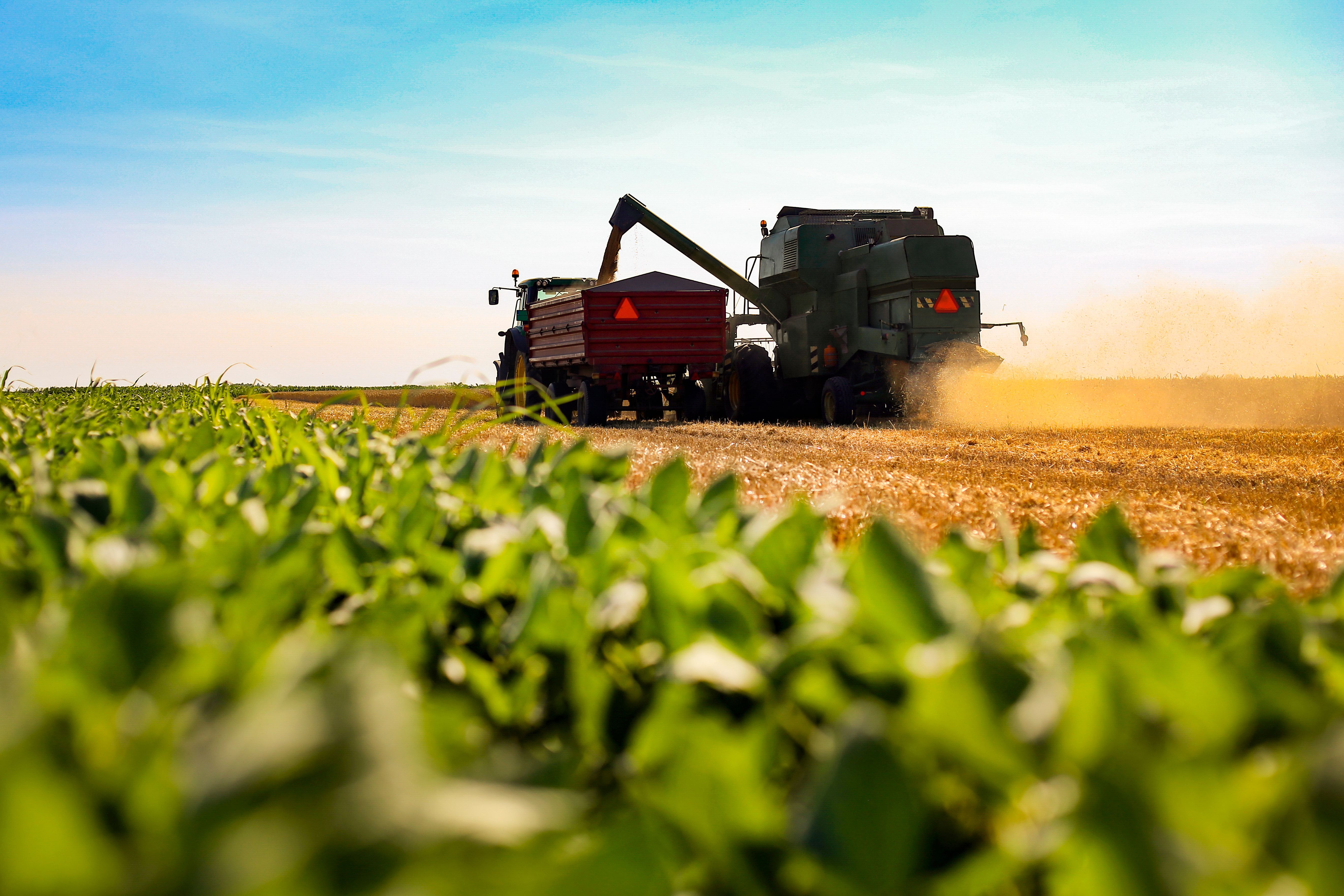
European cereal growers are facing a more difficult disease-management environment as conventional fungicide options come under increasing regulatory pressure and pathogens develop resistance.
Syngenta and Amoéba say the new biofungicide is intended to give farmers an additional tool within integrated crop-management programmes rather than simply replacing one conventional chemistry with another.
The commercial scope is significant. Syngenta will hold exclusive distribution rights for all cereals except corn across the EU-27, United Kingdom, Ukraine and Switzerland.
The companies estimate that Septoria and yellow rust together affect between 9 million and 12 million hectares of cereal crops each year.
In Germany alone, Septoria can cause yield losses of between 5% and 50%, with annual costs to farmers reaching up to €1.5 billion. Yellow rust can reduce yields by 10% to 70% and, in susceptible varieties, can cause complete crop failure.
A Biological Mode of Action
AXP20 differs from conventional fungicides because of its biological origin.
The active substance is derived from a single-celled amoeba and works mainly by inhibiting fungal spore germination. According to the companies, field trials have also shown that it can activate the plant’s own natural defence mechanisms.
That dual action could make the product useful in resistance-management strategies.
The lysate of Willaertia magna C2c Maky is classified by the Fungicide Resistance Action Committee (FRAC) under Group BM02, covering biological products with multiple modes of action. The companies say the technology currently has no known resistance and carries a low to very low resistance risk.
More Than 70 Field Trials Underway in 2026
Syngenta and Amoéba are putting substantial development resources behind the programme.
In 2026 alone, the two companies are conducting more than 70 field trials across Europe, making AXP20 one of the more extensively tested products in Syngenta’s biologicals pipeline.
The companies say the product could eventually protect more than 1 million hectares of cereal crops across its expanding European footprint.
Matthew Pickard, Syngenta’s Head of Seedcare and Biologicals for Europe, said the timing of the product reflects the growing pressure on conventional crop protection.
“With conventional crop protection facing mounting regulatory and resistance headwinds, this next-generation biofungicide arrives at exactly the right moment,” he said.
Regulatory Pathway Is Already Advancing
The active substance received EU approval in 2025 following assessment by the European Food Safety Authority.
In June 2026, Amoéba also secured French marketing authorisation for AXPERA, a biofungicide based on the same technology. The company says this approval should help support national authorisation processes in other European markets.
The technology has also received industry recognition. Amoéba was awarded the Bernard Blum Gold Medal in October 2025 as the year’s most promising biocontrol solution, while the product was recognised by SIVAL professionals as an innovative solution in January 2026.
First Commercial Launches Expected From 2028
The partners are now progressing with joint regulatory submissions and field-testing programmes across Europe.
Initial registrations are targeted for Q3 2028 in core EU markets, with launches in the UK and Switzerland expected around 2029. The first applications are planned for wheat, spelt and triticale, covering both spring and winter varieties.
The agreement also leaves room for expansion into additional crops and geographies as more efficacy data becomes available.
For European agriculture, the partnership reflects a wider push toward biological crop protection as farmers seek ways to maintain yields while reducing dependence on conventional chemical inputs.
Why It Matters for European Food Resilience
The significance of the deal goes beyond one fungicide.
Cereal production remains central to European food systems, and diseases such as Septoria and yellow rust can have large economic effects when outbreaks become severe. At the same time, farmers are being asked to reduce environmental impact while working with fewer conventional treatment options.
That makes biological crop protection increasingly important to the wider resilience of agricultural systems.
If AXP20 performs at scale as expected, it could become part of a broader shift toward integrated disease management, combining biological products, resistant crop varieties, monitoring and more targeted use of conventional treatments.
About Syngenta
Syngenta is a global agricultural technology company focused on crop protection and seeds. The company employs more than 30,000 people across more than 90 countries and operates through Syngenta Crop Protection, headquartered in Switzerland, and Syngenta Seeds, headquartered in the United States.
Its strategy focuses on helping farmers increase yields while reducing environmental impact through advances in crop science, biologicals and agricultural technology.
About Amoéba
Amoéba is a French greentech company founded in 2010 and based in Chassieu, near Lyon.
The company develops biological solutions based on the use of amoebae for plant protection and other microbiological applications. It is currently focused on biocontrol for agriculture and applications in the cosmetics sector.


