
business resources
Take Notes! 10 Cleaning Best Practices For Industrial Facilities
23 Mar 2026

In industrial spaces, even a dirty floor is a safety hazard and a profit killer. Grime leads to downtime, and downtime costs money.
Want a tighter, safer operation? Follow these ten best industrial cleaning practices from professionals.
1. Adopt a Preventive Maintenance Mindset
Think of industrial cleaning like an oil change for a car. You don’t wait for the engine to smoke before you check the oil. Preventive cleaning means catching dirt, leaks, and debris before they cause a bigger problem.
By staying ahead of the mess, you extend the life of your heavy machinery and prevent unexpected shutdowns.
2. Train Staff on Cleaning Protocols
You can’t just hand someone a mop and hope for the best. Every team member needs to know exactly how to clean their workspace. This includes:
- Which chemicals to use (and which ones never to mix).
- How to handle specific machinery.
- Where to dispose of industrial waste.
3. Identify High-Traffic and Hazardous Areas
Some areas of your facility get more use than others. Loading docks, main aisles, breakrooms, and machine zones are hotspots for dirt, spills, and wear. Identify these areas and make them a priority.
4. Implement Daily Cleaning Routines
Daily cleaning and sanitation keep debris, dust, and spills from building up.
Sweep, mop, wipe down surfaces, and throw out trash each day. Floors, workstations, and shared areas should be maintained so employees can work safely and efficiently.
5. Keep Cleaning Schedules Consistent
Consistency is everything. A set cleaning schedule ensures no area is overlooked and that your facility stays in peak condition. Regular routines also make deep cleaning easier and reduce the overall time needed for maintenance.
6. Disinfect High-Touch Surfaces and Industrial Equipment Regularly
High-touch surfaces like handrails, door handles, and control panels can spread germs quickly. Regular disinfecting prevents illness and helps maintain a safe, healthy environment for your team. If you work with collaborative robots or "cobots," it's also important to keep them sanitized.
Equipment that stays clean also performs better and lasts longer.
7. Document and Review Cleaning Results
Track cleaning activities to see what’s being done and what might be missed.
Use checklists or logs to document each cleaning session, and review results periodically. This helps improve processes, ensures accountability, and keeps your facility at a consistent standard.
8. Use Proper Industrial-Grade Tools and Products
Home-style cleaners won’t cut it in a factory. Industrial grime requires industrial-grade solutions.
Use degreasers designed for heavy oils and invest in high-quality floor scrubbers or HEPA vacuums. This saves hours of scrubbing and protects your surfaces from damage.
9. Follow OSHA Guidelines and Proper Signage
Safety first, always. If a floor is wet, put up a yellow "Caution" sign immediately. This way, we avoid any accidents, especially if there is heavy lifting involved.
Ensure all cleaning chemicals are clearly labeled and that your team has access to Safety Data Sheets (SDS).
10. Schedule Regular, Professional Deep Cleaning Services
Even with a great daily routine, industrial spaces have nooks and crannies that require specialized attention.
Schedule a professional industrial deep clean service a few times a year. Professionals have the heavy-duty power washers and specialized gear to handle high ceilings, ductwork, and deep floor stripping that keeps the facility in top shape.
Clean Spaces, Safe Workplaces
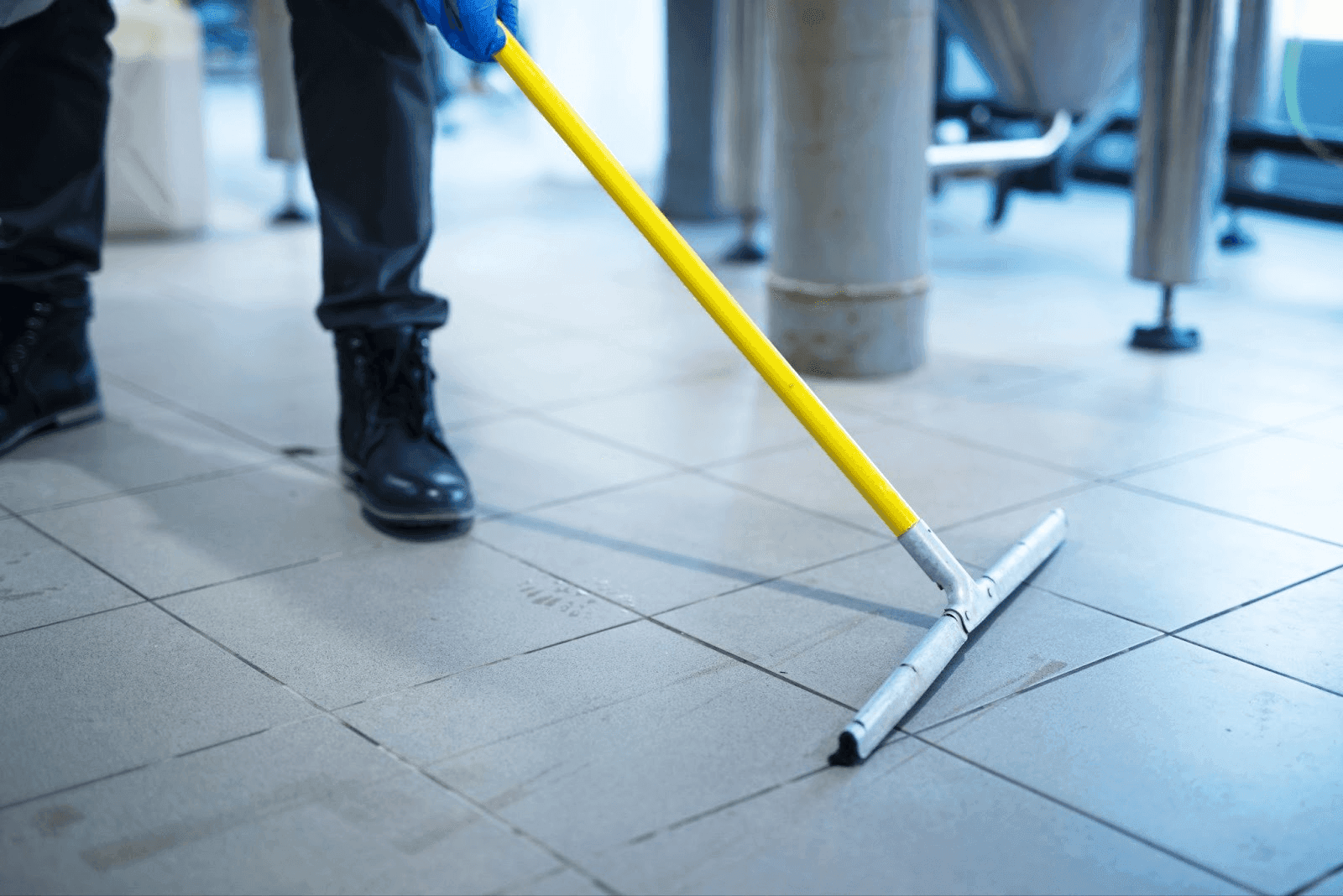
A clean facility is a productive facility.
When your team sees that the environment is well-maintained, morale goes up, and "safety first" becomes more than just a slogan—it becomes a reality.


