


healthcare sustainability, technology, resources
Technology Trends Reshaping Insurance for Home Healthcare Providers
26 Aug 2025

As the home healthcare sector continues to evolve, technology is playing a pivotal role in reshaping operational practices and, subsequently, insurance needs. Providers are increasingly integrating advanced technologies into their services to enhance patient care and streamline administrative tasks. This shift creates new challenges and opportunities, particularly concerning risk management and liability. Understanding how these technology trends affect insurance requirements is important for home healthcare providers aiming to provide top-notch care while safeguarding their operations.

The Rise of Telehealth Services
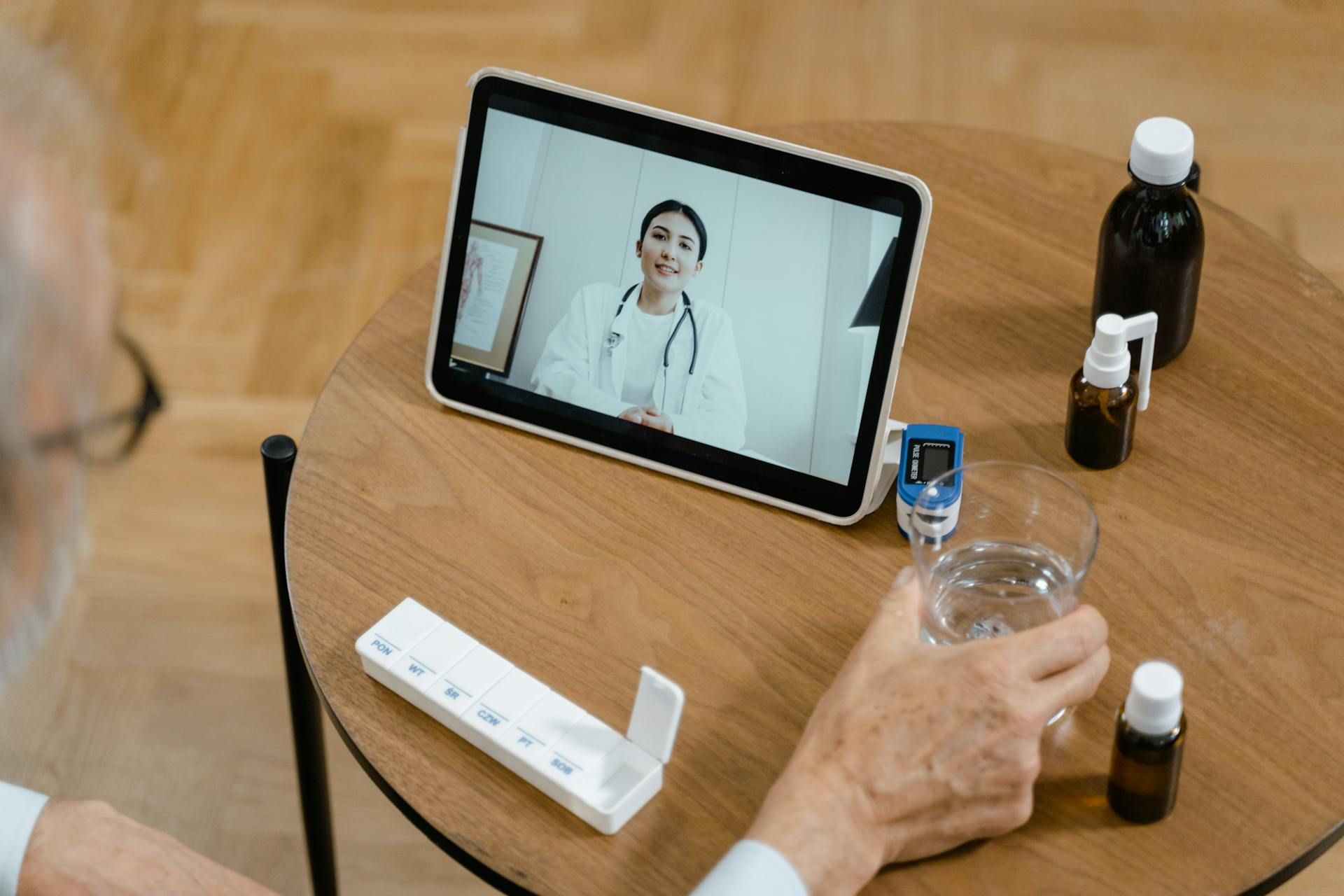
Telehealth has witnessed monumental growth in recent years, especially accelerated by the global pandemic. This trend enables healthcare providers to offer services remotely, increasing access to care for patients. With telehealth, healthcare professionals can conduct consultations, monitor patients, and even provide therapy without requiring in-person visits. While this expands service delivery, it introduces various liability risks, such as miscommunication or connectivity issues, that can impact patient care.
As a result, insurance coverage becomes paramount. For home healthcare providers utilizing telehealth, securing appropriate home health care liability insurance in Florida or your area helps mitigate these risks while ensuring compliance with state-specific regulations. By addressing these challenges with the right protections in place, providers can confidently embrace telehealth as a reliable and sustainable model of care.
Data Security and Privacy Compliance
With the proliferation of technology, particularly in data management, safeguarding patient information has become more critical than ever. Home healthcare providers now handle vast amounts of personal health data, necessitating compliance with regulations like the Health Insurance Portability and Accountability Act (HIPAA). Failure to protect data adequately can lead to serious repercussions, including hefty fines and legal actions. Consequently, providers must invest in cybersecurity measures and ensure their technology solutions have robust security features.
Having insurance coverage that addresses data breaches and privacy violations is essential for protecting against potential liabilities. Comprehensive policies can aid providers in navigating the complex landscape of data security while maintaining the integrity of their services.
Such coverage provides financial protection and supports a swift response in the event of a breach, minimizing operational disruption. Combining strong cybersecurity practices with tailored insurance ensures patient trust and regulatory compliance remain intact.
Artificial Intelligence in Patient Care
Artificial Intelligence (AI) is transforming the home healthcare landscape by enhancing patient monitoring and treatment personalization. AI algorithms can analyze data patterns to predict patient needs, enabling proactive care interventions. With technological advances come new liability concerns. If an AI system makes an erroneous recommendation leading to a patient's deterioration, who is responsible? Insurers are beginning to address these emerging questions by creating coverage options tailored specifically for AI-related liabilities.
As AI becomes integral to caregiving, home healthcare providers must understand the implications of these technologies for patient care and for their insurance needs. Understanding the balance between embracing AI innovations and being adequately insured will be imperative for sustainable operations.
Wearable Devices and Remote Monitoring
Wearable technology is another trend gaining momentum among home healthcare providers. Devices like fitness trackers and smart watches enable continuous patient monitoring, facilitating timely interventions based on real-time data.
While these devices can improve health outcomes, they raise questions about the accuracy of data and the provider's liability in case of medical anomalies. Home healthcare providers must consider insurance policies that specifically address these new types of risks associated with wearable devices. Insurance coverage should extend to situations where incorrect data results in improper treatment, ensuring that providers are shielded from potential claims. By integrating safety measures within their operational framework, they can better navigate the complex interplay between innovation and risk management.
Cloud-Based Solutions for Efficient Operations
Cloud computing has significantly impacted how home healthcare providers manage their operations. With cloud-based databases and software, providers can store patient information securely, share data with team members in real-time, and complete administrative tasks more efficiently.
As with all technology, there are risks associated with dependence on third-party services and potential service outages. Providers must carefully evaluate their insurance needs to include coverage for interruptions or data loss that may arise from cloud services.
Having a robust policy enables providers to avoid disruptions in care delivery, ensuring that technology serves as an enabler rather than a hindrance. Organizations should prioritize risk assessments to adequately understand the implications of cloud adoption on insurance policies, tailoring them to fit their unique operational needs.
Smart Home Technology and Patient Safety
The integration of smart home technology, such as automated lighting and health monitoring systems, is enhancing patient safety in home healthcare. These technologies allow caregivers to monitor patient behaviors, detect falls, or address emergencies through immediate alerts.
Just like other innovations, they introduce new liability considerations, particularly with device malfunctions that could jeopardize patient safety. Insuring against these technological risks becomes a necessity for home healthcare providers. Policies designed to cover liabilities arising from the use of smart home technologies will help providers operate with confidence, knowing they can manage unforeseen incidents effectively. As these trends continue to expand, providers must prioritize adapting their insurance to encompass the breadth of risks associated with technology use.
Understanding Regulatory Changes
Regulation is continuously evolving, particularly in response to new technologies in healthcare. Home healthcare providers must stay informed about changes that may affect their operations and insurance requirements.
Compliance with government regulations related to technology use and patient care directly impacts the kind and level of insurance required. Having an updated understanding of both federal and state regulations will allow providers to tailor their insurance effectively, ensuring comprehensive protection. It’s an ongoing responsibility that cannot be overlooked in the face of technological advancement and its potential liabilities.
With the right approach, providers can meet regulatory standards while providing exemplary care. The intersection of technology and insurance in home healthcare is critically important. With telehealth expansion, data privacy concerns, AI applications, wearable devices, cloud solutions, smart technology, and ever-evolving regulations, the landscape is complex.
Home healthcare providers must proactively address these shifts in their insurance strategy, ensuring they are well-equipped to handle the unique challenges posed by technological advancements. By securing appropriate home health care liability insurance, providers can confidently embrace innovation while safeguarding their operations against potential pitfalls. This proactive alignment of technology adoption with comprehensive insurance coverage paves the way for safer, more efficient, and future-ready home healthcare services.


