
resources, Cities
The Amenities Homebuyers Look for Before Choosing a Neighborhood
01 Jul 2026

Buying a home involves much more than evaluating the property itself. While square footage, layout, and design remain important considerations, many buyers spend just as much time evaluating the neighborhood and the lifestyle it can support. A beautiful home may lose some of its appeal if the surrounding area lacks the features that contribute to everyday convenience and long-term satisfaction.
As homebuyers become more selective, attention is increasingly shifting toward amenities that improve quality of life. People are thinking not only about where they will live today, but also about how a neighborhood will support their routines, interests, and future goals. This broader perspective is changing what buyers prioritize when comparing communities and deciding where to invest.
Access to Wellness-Oriented Amenities
Many buyers now place a higher value on amenities that contribute to physical and mental well-being. Walking trails, fitness facilities, parks, recreation centers, and outdoor gathering spaces often rank highly because they encourage healthier lifestyles and make wellness activities more accessible.
This interest extends beyond public amenities. Buyers increasingly consider how their homes can support relaxation and recovery as part of everyday life. Dedicated wellness spaces, outdoor retreats, and recovery-focused home features are becoming more common considerations during the purchasing process.
Homeowners who prioritize wellness often look beyond traditional recreational amenities and consider long-term additions that can be incorporated into their property. https://premiumsaunas.com/ specializes in residential sauna installations, offering indoor, outdoor, traditional, and infrared sauna options designed for home use. Features like these illustrate how wellness is becoming integrated directly into residential living rather than being limited to commercial fitness or spa facilities.
Reliable Energy Infrastructure Is Becoming More Important
Energy reliability has become a growing consideration for many homebuyers. Rising utility costs, concerns about power outages, and increased interest in long-term energy efficiency have encouraged buyers to evaluate how neighborhoods support modern energy needs.
In some areas, homeowners are actively exploring ways to reduce dependence on traditional utility systems through solar technology, battery storage, and energy-efficient home improvements. Companies such as The Solar Store focus on solar energy solutions that help homeowners generate and manage electricity more efficiently, making energy planning part of the homeownership conversation rather than an afterthought. Solar installations, backup power systems, and energy-conscious communities are becoming factors that influence purchasing decisions alongside more traditional neighborhood features.
As utility costs continue to influence household budgets, buyers are paying closer attention to how a property and its surrounding area support long-term energy goals.
Convenience Remains a Major Priority
No matter how attractive a neighborhood appears, convenience remains one of the strongest drivers of buyer interest.
Access to grocery stores, healthcare services, schools, restaurants, and essential services often influences daily life more than any individual feature within a home. Long commutes and limited access to necessities can significantly affect satisfaction after the purchase is complete.
As a result, buyers frequently evaluate how much time routine activities will require before making a final decision. Neighborhoods that simplify daily life often maintain strong appeal because they reduce the amount of time spent traveling between destinations.
Convenience may not be the most exciting amenity, but it consistently ranks among the most valuable.
Outdoor Spaces Continue to Influence Decisions
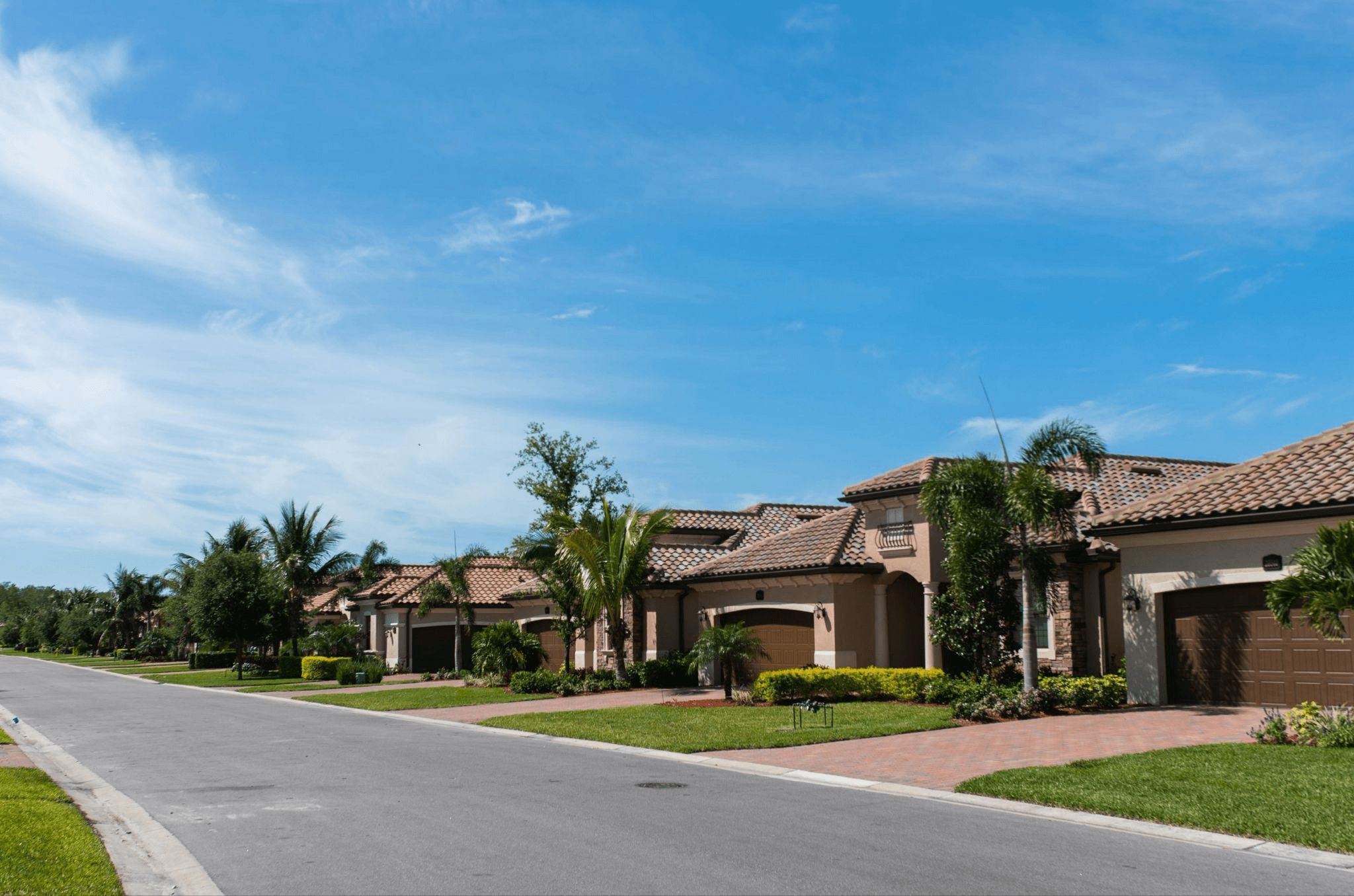
Outdoor environments play a major role in how people experience a neighborhood.
Parks, walking paths, community green spaces, waterfront access, and recreational areas can significantly enhance a community's appeal. These amenities provide opportunities for exercise, social interaction, and relaxation while helping neighborhoods feel more inviting and connected.
Families often value outdoor spaces because they provide opportunities for recreation close to home. Professionals and retirees may appreciate the ability to walk, exercise, or spend time outdoors without requiring extensive travel.
Well-maintained outdoor environments frequently contribute to a stronger sense of community and improve the overall living experience.
Long-Term Value Matters More Than Ever
Many buyers are evaluating neighborhoods through a long-term lens rather than focusing solely on immediate preferences.
Future development plans, infrastructure investments, school performance, and community growth patterns often influence purchasing decisions because they can affect both quality of life and property values over time.
Neighborhoods that continue investing in infrastructure, public amenities, and community improvements often remain attractive to future buyers as well. This perspective encourages people to think beyond the home itself and consider the broader trajectory of the area.
A neighborhood that supports long-term value can become just as important as the property being purchased.
Lifestyle Compatibility Is the Final Deciding Factor
Ultimately, buyers want neighborhoods that align with how they actually live.
Some prioritize outdoor recreation. Others value wellness, energy independence, family-friendly amenities, or proximity to entertainment and dining. The ideal neighborhood differs from person to person because lifestyle preferences vary significantly.
What has changed in recent years is the number of factors buyers now evaluate before making a decision. Energy solutions, wellness amenities, convenience, outdoor spaces, and long-term value have all become important parts of the conversation.
The most desirable neighborhoods are often those that support multiple aspects of daily life simultaneously, helping residents enjoy not only their homes but also the community surrounding them.


