
Cities
The Bhoramdeo Temple, Kawardha, Chhattisgarh: Where Stone, Time, and Devotion Endure
22 Jan 2026

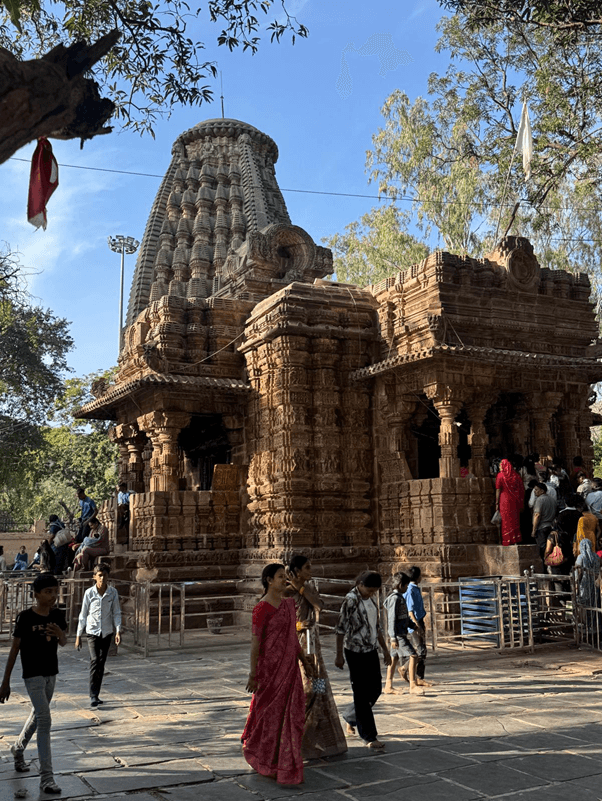
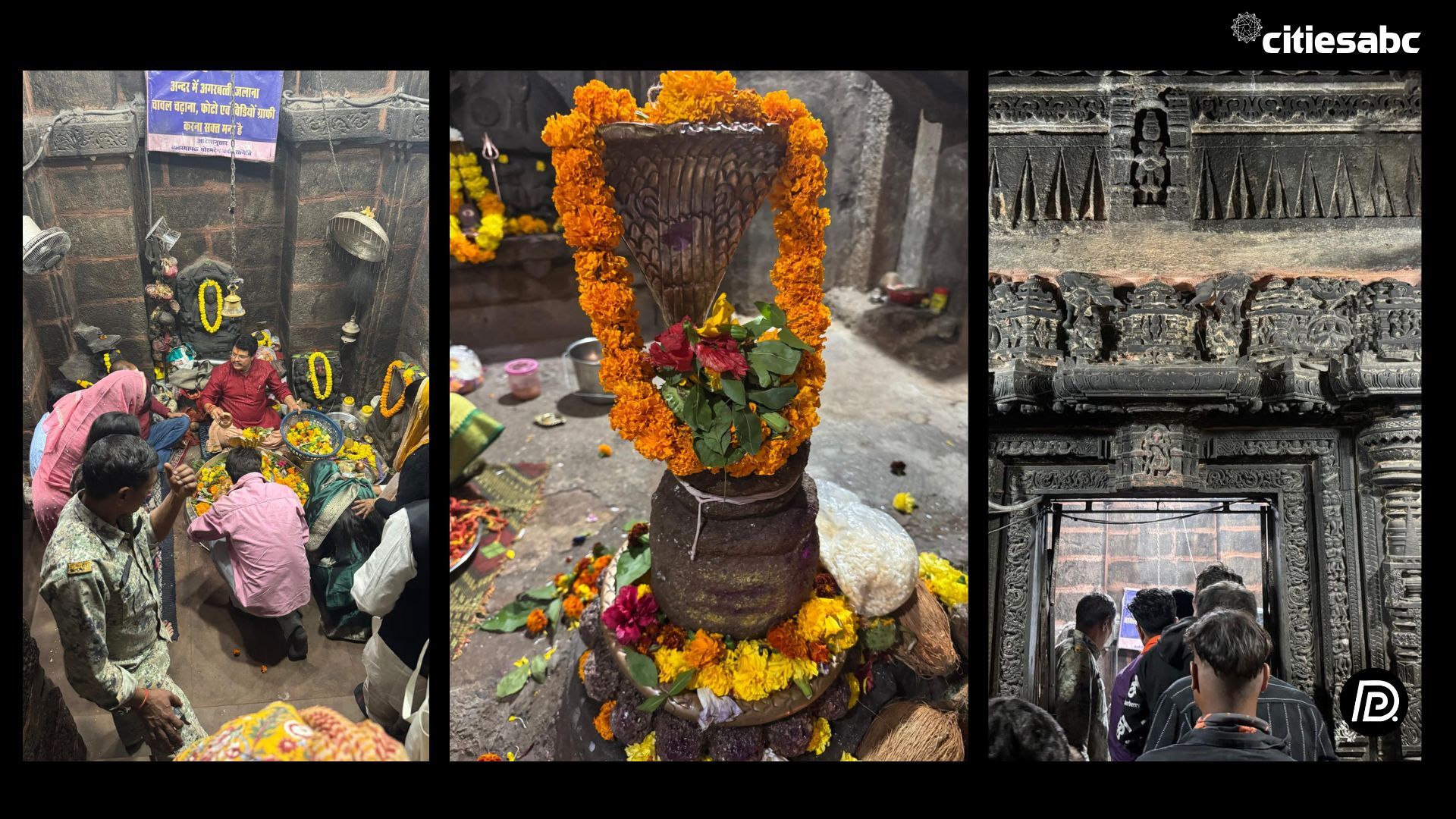
Some places do not announce their presence with grandeur; they reveal themselves slowly, in silence - if you are willing to pause. I recently visited Bhoramdeo Temple with my family, and it is one of such places in India. Set amid forests, stone, and a surrounding lake, the Hindu temple is dedicated to Lord Shiva and is located in the Indian state of Chhattisgarh.
Bhoramdeo Temple does not feel like a destination to be “visited” but a space to be entered—with time, with attention, and with openness. From the moment you arrive, there is a sense that history here is not confined to dates or dynasties, but lives quietly in the carvings, the air, and the rhythm of the surroundings. It is a temple that invites reflection rather than urgency, and devotion that feels intimate rather than performative.
When I visited Bhoramdeo Temple with my family, the experience felt both spiritual and personal. We started with darshan at the old Shiva shrine, then took our time walking around the temple, taking in the peaceful atmosphere and detailed stone carvings. The open space made us want to linger, so we enjoyed a picnic with food from home, which felt just right in that setting. Local vendors sold fresh seasonal fruits, adding a nice local flavour to our day. The quiet lake next to the temple made the visit feel relaxed and unhurried, more like a gentle day spent with history than a rushed pilgrimage.
Background and Location
The Bhoramdeo Temple complex is located in Kabirdham (Kawardha) district of Chhattisgarh, at the foothills of the Maikal mountain range. Surrounded by forests and open land, the site is known for its serene environment and relative isolation from major urban centres. The temple stands close to a man-made lake, which enhances both its aesthetic and cultural value.
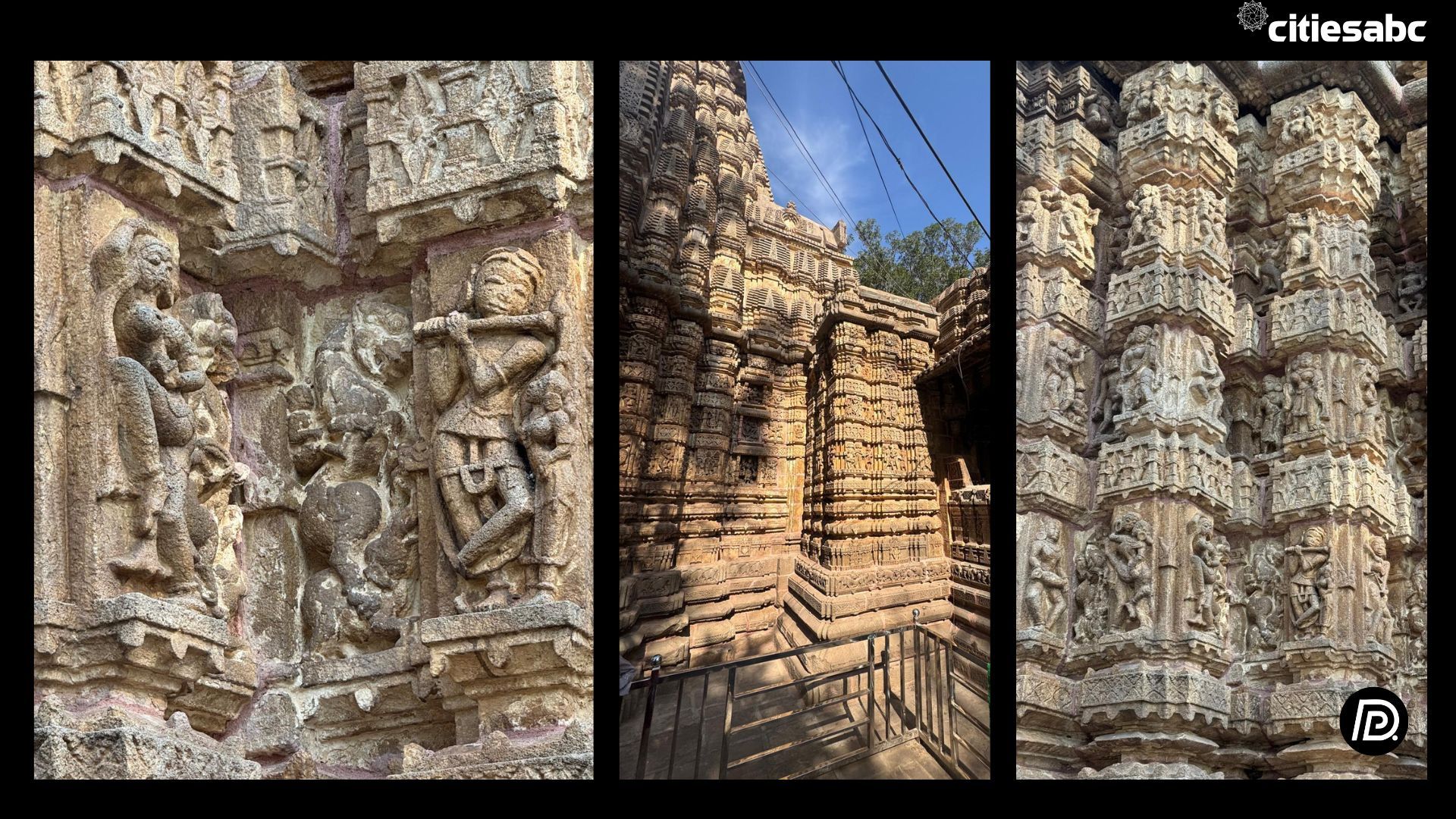
Bhoramdeo is often called the “Khajuraho of Chhattisgarh” for its detailed sculptures, but it still maintains its own unique, subtle local style.
The engineering and artistic detail at Bhoramdeo Temple are impressive, especially given that it was built centuries ago without modern tools. The balanced design and detailed carvings show the builders’ skill, patience, and understanding of math. Even today, creating something similar would take a lot of effort and expertise. The temple stands as both a place of worship and a sign of the builders’ knowledge.
Establishment and Royal Patronage
The main Bhoramdeo Temple was built in the 11th century, around 1089 CE, by King Ramachandra Deva of the Naga dynasty. The Nagas ruled much of central India from their capital at Tummana and supported Shaivism.
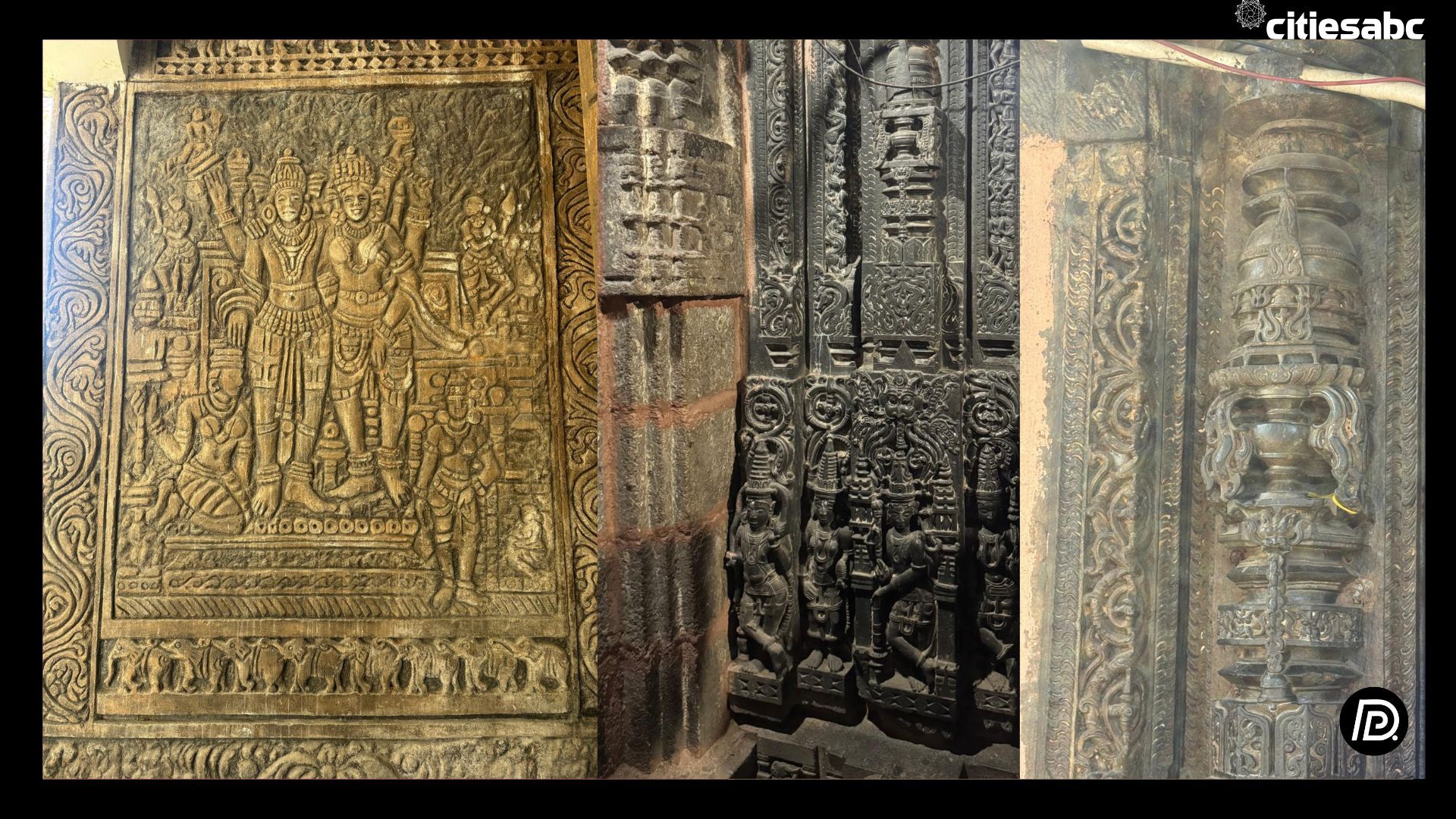
The temple, built for Lord Shiva, follows the Nagara style of North Indian temple architecture. Its carvings depict gods, goddesses, celestial figures, mythological stories, and scenes from daily life, demonstrating both devotion and artistic skill from the Naga period.
The Temple Complex and Historical Development
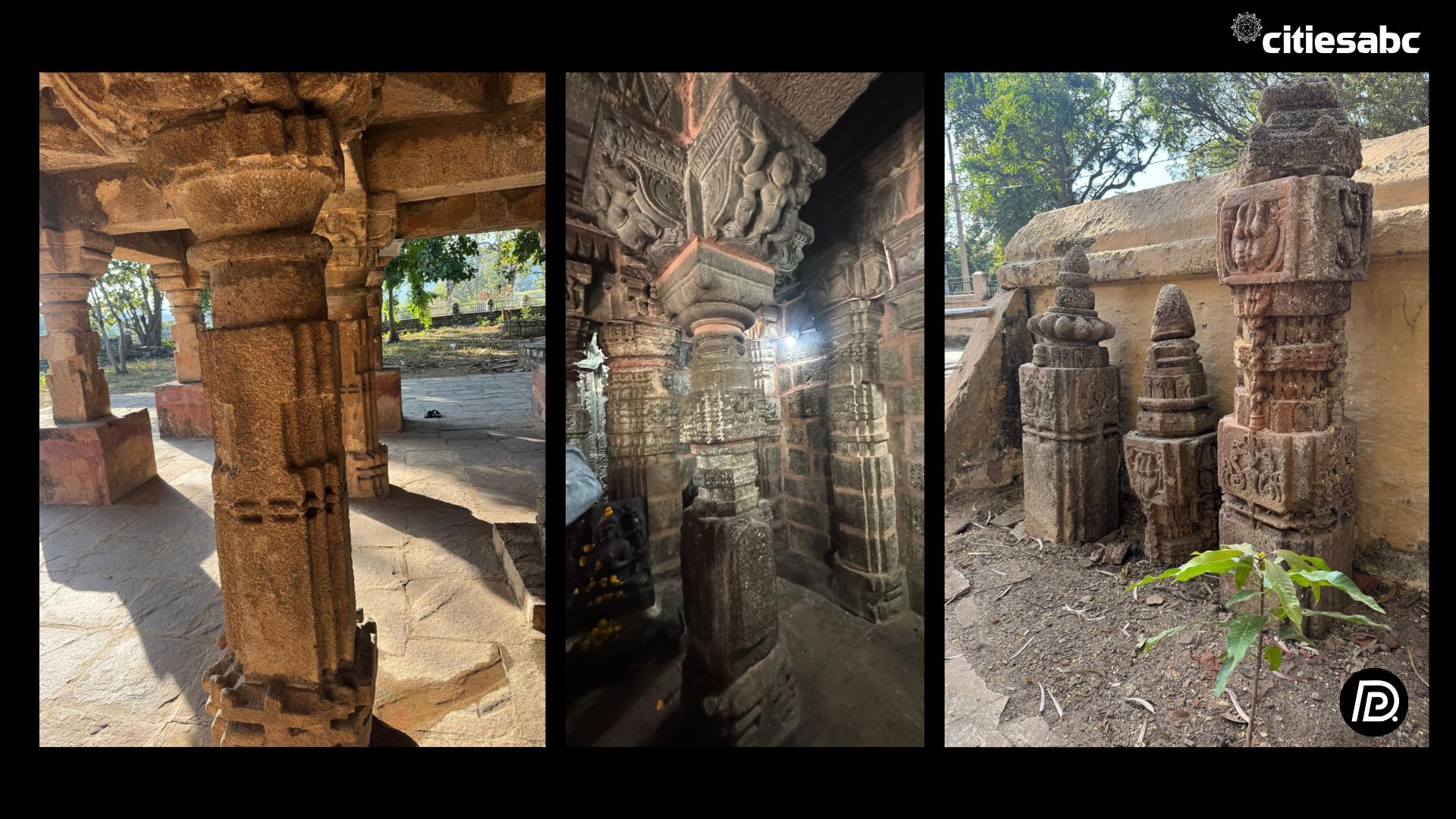
Bhoramdeo was part of a bigger sacred area, not just a single temple. Other nearby buildings, such as Madwa Mahal and Cherki Mahal, indicate that the area once had many religious and ceremonial sites. Archaeological finds, such as loose sculptures and hero-stones, suggest that several buildings once stood here but have not survived.
When the Naga dynasty declined, the region went through political changes and lost royal support. As a result, the temple was not well maintained and slowly aged, becoming partly abandoned.
Idol Damage and Desecration: Understanding the Evidence
Many people often ask about the damaged and missing idols seen at Bhoramdeo today.
Archaeological and historical records do not show any clear link between the damage at Bhoramdeo Temple and any specific Islamic ruler, invasion, or act of religious destruction. There are no inscriptions, old records, or excavation findings that mention such an event.
Instead, experts and heritage studies say the idols’ condition comes from several long-term causes, such as:
- Natural weathering over more than nine centuries
- Structural collapse due to ageing and vegetation growth
- Neglect following the loss of royal patronage
- Local conflicts and reuse of stone materials during regional power shifts
- Theft or removal of sculptures, especially during colonial and later periods
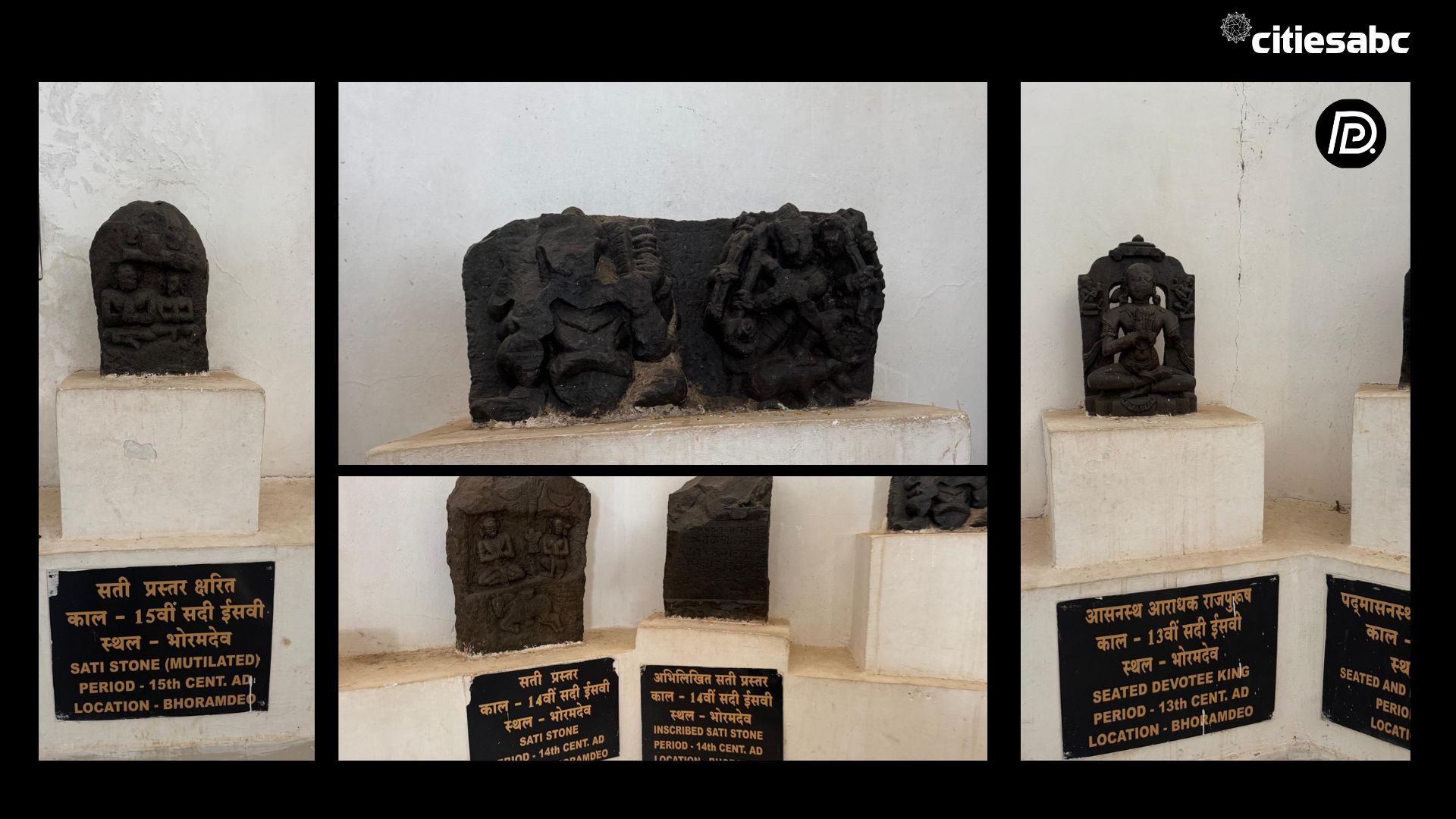
The types of damage, like worn surfaces, missing sculptures, and moved idols, show that the temple has slowly deteriorated over time, not from one big act of destruction. While some small acts of vandalism may have happened over the years, there is no clear evidence linking the damage to any specific person or group.
Conservation and Modern Interventions
In the modern era, Bhoramdeo Temple has been recognised as a protected site. Today, Bhoramdeo Temple is a protected heritage site. Efforts such as chemical treatments and structural repairs have been made to help slow further damage. ent plans, such as proposals for a Bhoramdeo Corridor, aimed at improving visitor access and facilities while preserving the monument's historical character.
The Lake and the Living Landscape
The lake next to the temple is an important part of the visit. It offers open views, a place to relax, and boating activities during certain seasons. For families, it turns a temple visit into a full outing instead of just a quick stop.
Bringing together water, open land, and sacred space is a central feature of traditional Indian temple design, in which temples were closely connected to daily life and nature.
Significance Today
Today, Bhoramdeo Temple stands as:
- A living place of worship
- A significant example of central Indian Nagara architecture
- A testament to the cultural legacy of the Naga dynasty
- A heritage site shaped as much by time and nature as by history
Visiting the temple with family, praying, sharing meals, tasting local fruits, and relaxing by the lake shows that Bhoramdeo is still more than just a monument. It remains a place for people to share special moments together, just as it has for centuries.
How to reach Bhoramdeo Temple?
The Bhoramdeo Temple complex is located about 18 kilometres north-west of Kawardha, a tehsil town in the Kabirdham district of Chhattisgarh. Set amid forests and gentle hills, the approach itself adds to the sense of calm that defines the site.
By air, the nearest airport is Raipur, approximately 134 kilometres away. As the state capital, Raipur is well connected to major Indian cities through regular domestic flights.
By rail, Raipur also serves as the closest major railway station. It lies on the Bombay–Howrah main line, offering convenient connectivity from eastern, western, and central India.
By road, Kawardha is linked by state highways to Raipur (116 km), Rajnandgaon (133 km), and Jabalpur (220 km). Travellers from central India can also take the Raipur–Madhya Pradesh bypass road, which passes close to Kanha National Park, making the journey scenic as well as accessible.


