
resources
The Future of Roofing: Technology and Sustainability
10 Sept 2025

The roofing industry is evolving at a rapid pace, with technology and sustainability playing central roles in shaping its future. As cities grow and environmental concerns mount, the demand for smarter, greener, and more energy-efficient roofing solutions has never been higher. The future of roofing isn't just about durability and aesthetics—it's about integrating cutting-edge technology with sustainable practices that benefit both homeowners and the environment.
This blog explores the exciting developments in roofing technology, the rise of sustainable materials, and how these innovations are transforming urban landscapes.
The Evolution of Roofing Technology
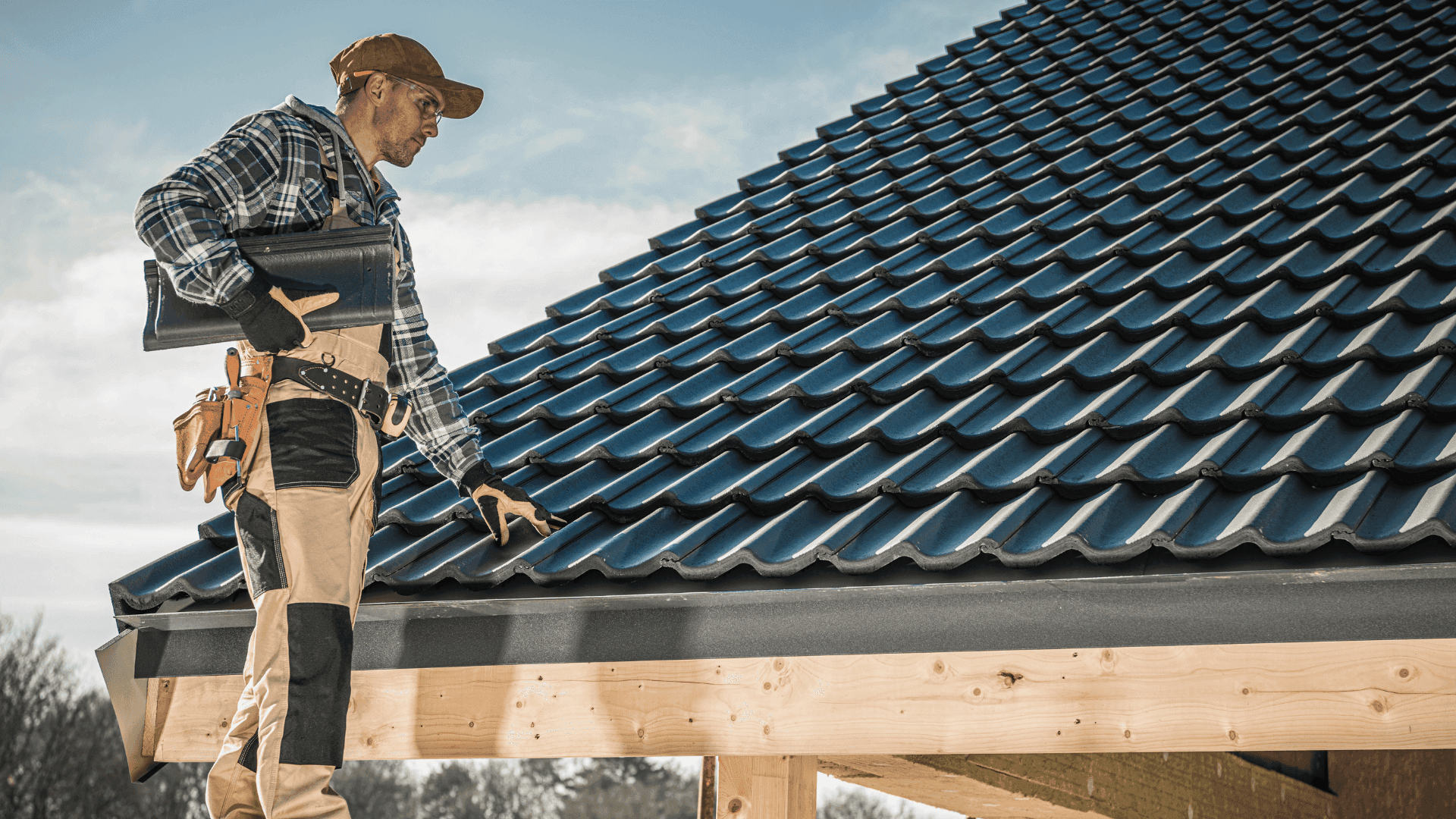
For centuries, roofing materials have been relatively simple—thatch, clay tiles, wooden shingles, and later, asphalt shingles. These materials were practical for their time, but as cities modernized, so did the demands placed on roofs. The roofs of today must not only protect homes from the elements but also contribute to energy efficiency, support sustainability goals, and integrate seamlessly with emerging technologies.
Key Technological Innovations
The last few decades have seen significant advances in roofing technology. For instance, reflective coatings and cool roofs have been developed to reduce energy consumption. These materials reflect sunlight away from buildings, keeping them cooler in summer and reducing the need for air conditioning.
Another game-changing technology is the integration of solar shingles. Unlike traditional solar panels, which are installed on top of existing roofs, solar shingles replace the roofing material itself, seamlessly generating electricity while offering the same protective benefits as standard roofing. This dual-purpose innovation is particularly popular in regions with abundant sunlight and can significantly reduce a home’s energy bills.
Technologies such as roofing bid calculators have also transformed how homeowners and contractors approach roofing projects. These calculators can estimate not just the cost of materials and installation but also the environmental impact of different roofing choices, helping homeowners make informed decisions.
Sustainable Roofing Materials and Practices
In today’s world, sustainability is no longer optional—it’s a necessity. As cities become more congested and climate change continues to impact our environment, the materials we use to build our homes must be able to withstand the tests of time without causing harm to the planet.
Eco-Friendly Roofing Materials
One of the most significant trends in the roofing industry is the growing use of sustainable materials. Recycled roofing materials are gaining popularity, with options ranging from recycled rubber to recycled metal. Not only do these materials reduce the need for virgin raw materials, but they also help keep waste out of landfills.
Green roofs, or living roofs, are another sustainable option that is particularly beneficial in urban areas. A green roof is a rooftop covered with vegetation, which helps absorb rainwater, insulate the building, and reduce the urban heat island effect. This innovative solution is a powerful tool for creating more sustainable cities, improving air quality, and reducing energy consumption.
Additionally, cool roofs—those that are designed to reflect more sunlight and absorb less heat—are rapidly becoming a standard in urban design. These roofs can dramatically reduce the need for air conditioning in the summer, saving both energy and money.
The Role of Technology in Roofing Sustainability
Technology isn’t just about new materials; it also plays a key role in improving the sustainability of roofing projects. From AI-powered roofing calculators to drones used for inspections, these tools are helping contractors and homeowners make smarter choices.
AI-Powered Roofing Calculators
A roofing bid calculator is a tool that allows homeowners to input their roof's specifications and get an estimate of the costs, materials, and even the environmental impact of their roofing project. Companies like E&E Contracting are utilizing these tools to offer precise, data-driven insights that help customers select the most sustainable options for their homes. By considering factors like the roof’s energy efficiency, lifespan, and recyclability, these calculators are revolutionizing the way we plan and execute roofing projects.
Drones and Robotics
Another technological advancement is the use of drones and robotics for roof inspections. Traditionally, roof inspections were time-consuming and often required dangerous manual labor. Drones, however, can perform detailed inspections without the need for ladders or scaffolding. This technology is not only safer but also more accurate, providing data that can be used to make repairs or improvements that increase the roof’s longevity and sustainability.
Smart Roofing Systems
In the realm of smart homes, roofing technology is starting to play a crucial role. Smart roofs are equipped with sensors that monitor the roof’s temperature, moisture levels, and structural integrity. These systems can detect leaks early, optimize energy efficiency, and even alert homeowners to potential issues before they become serious problems. As part of the broader trend toward smart cities, smart roofing systems are a natural evolution, integrating seamlessly into the IoT ecosystem and providing valuable data that can be used for predictive maintenance and energy management.
The Impact of Roofing on Urban Sustainability
Roofing isn’t just a local concern—it’s a key part of urban sustainability. As cities face increasing pressure from growing populations and environmental challenges, the role of roofing in creating more sustainable urban environments becomes ever more critical.
Roofing’s Role in Green Cities
In urban areas, roofs are often one of the largest surfaces that can be used for sustainability initiatives. Green roofs and cool roofs are part of the solution to urban heat islands, which occur when urban areas become significantly hotter than their rural surroundings due to human activities. By reflecting sunlight and reducing heat absorption, these roofing solutions help mitigate the urban heat island effect, making cities cooler and more energy-efficient.
Sustainable roofing also plays a significant role in water management. Green roofs, for example, absorb rainwater, reducing runoff and preventing flooding. This is especially important in cities where stormwater management is a major concern. By reducing the pressure on urban drainage systems, these roofs contribute to a more resilient and sustainable city infrastructure.
Government Incentives
Many cities and municipalities now offer financial incentives for homeowners and businesses that install sustainable roofing systems. Tax credits, rebates, and grants are available to those who choose energy-efficient or green roofing options. These incentives not only make sustainable roofing more accessible but also help drive the adoption of these technologies on a larger scale.
The Future Outlook: What’s Next for Roofing?
The future of roofing is bright, with new technologies and materials continuing to emerge. One of the most exciting developments is the potential for self-healing roofs. Researchers are working on materials that can repair themselves after damage, extending the lifespan of the roof and reducing the need for replacements. Another promising area is the development of transparent solar panels, which could allow windows and roofs to generate electricity while still allowing natural light to enter the building.
In the context of smart cities, roofs will likely become an integral part of the urban ecosystem. With advancements in AI and sensor technology, roofs will not only generate energy but also communicate with other elements of the smart city infrastructure. This level of integration will help cities become more energy-efficient, resilient, and sustainable.
How Homeowners Can Participate in the Future of Roofing
Homeowners have a significant role to play in the future of roofing. By choosing sustainable roofing materials and technologies, they can reduce their carbon footprint and contribute to the creation of more sustainable cities. To get started, homeowners should:
- Research and choose eco-friendly roofing materials, such as recycled metal, solar shingles, or cool roofs.
- Consider using roofing bid calculators to evaluate the environmental impact of different options.
- Work with contractors who are experienced in installing sustainable roofing systems, which leverages technology to help homeowners make informed, eco-conscious decisions.
Conclusion
The future of roofing is not just about improving the look of a home or building—it’s about sustainability and technology working together to create smarter, more eco-friendly urban spaces. By embracing technological innovations and sustainable materials, we can reduce our environmental impact, conserve energy, and contribute to the long-term health of our cities. The next time you consider replacing your roof, remember that it’s not just a roof—it’s a part of the solution to building a more sustainable future.


