
resources
The Power of Paint: How It Can Transform Your Commercial Space
06 Sept 2025

Paint has the power to completely alter the atmosphere of a commercial space. It goes beyond merely covering walls; it sets the tone for how clients, employees, and visitors perceive the environment. The right color choices, finishes, and techniques can make spaces feel more welcoming, energetic, or professional, directly affecting business performance. Every detail, from the lobby to the boardroom, can benefit from thoughtful paint design. Understanding how paint influences perception, mood, and brand identity allows business owners to make decisions that resonate with their target audience. This guide explores the ways paint can reshape a commercial setting.
Enhances First Impressions
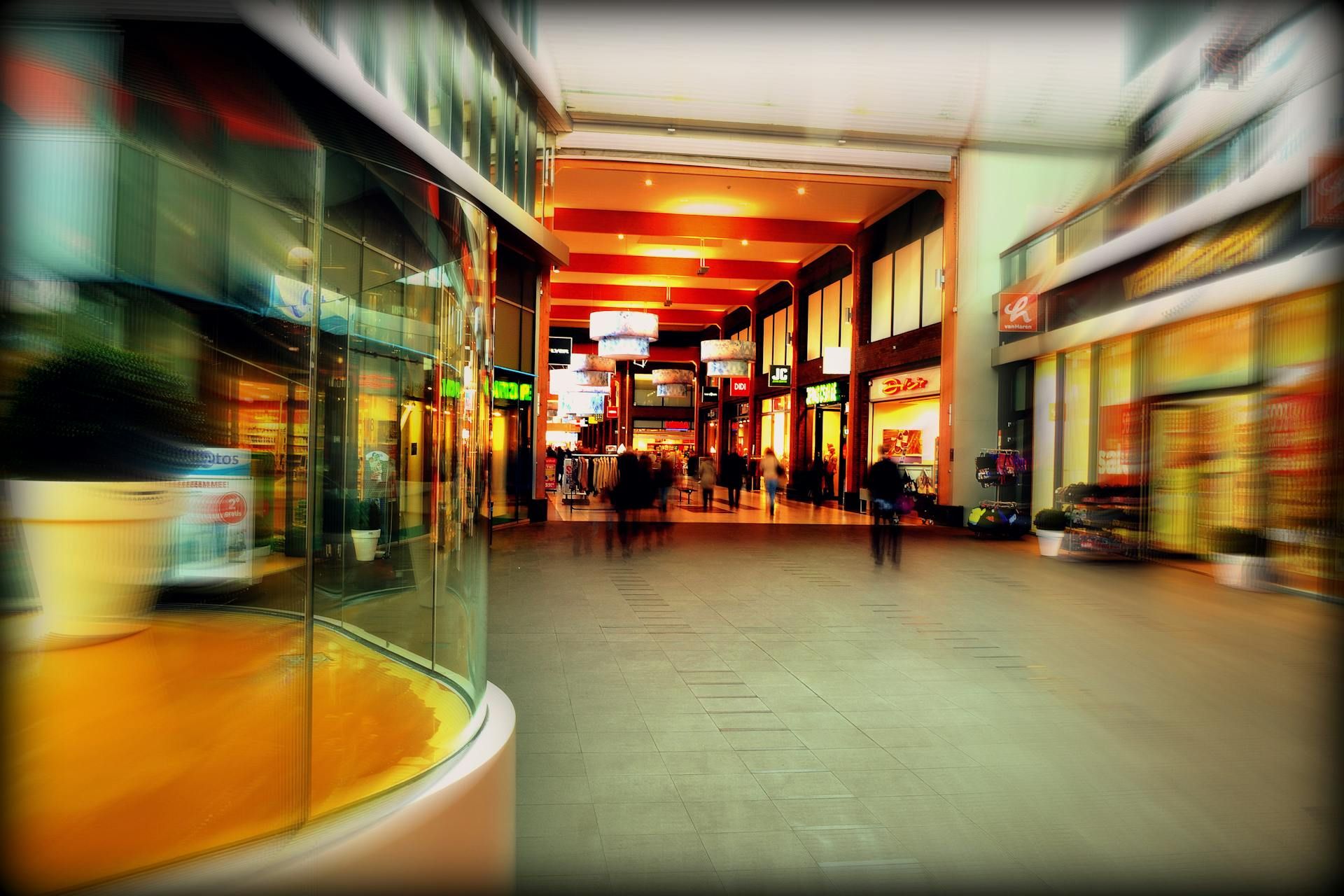
When someone enters a business, their first impression often forms within seconds. A space with fresh, well-chosen paint colors conveys professionalism, attention to detail, and a sense of care that resonates immediately. Bright, welcoming tones in entryways can create an inviting atmosphere, while carefully selected accent walls can highlight areas of interest without overwhelming the senses. You can also go here and explore professional services that help select the perfect colors and finishes for your business. This allows even small establishments to project an image of sophistication and intentionality. First impressions are critical in influencing client trust and employee morale, making the investment in quality paint work a clear priority.
Shapes Mood and Productivity
Colors carry psychological weight, influencing how people feel and behave within a space. In commercial environments, this effect can be harnessed to support both client experiences and employee performance. Soft blues and greens often create a calming atmosphere, which makes them ideal for areas where focus and composure are necessary, such as offices, clinics, or waiting rooms. Warmer shades, including reds, oranges, and yellows, can encourage energy and enthusiasm, which works well in creative studios, fitness facilities, or retail spaces that thrive on movement and engagement. Neutral palettes with subtle accents can strike a balance, offering professionalism without feeling sterile. The choice of paint not only affects the mood but can also impact how long someone feels comfortable staying in a space.
Employees who work in environments with thoughtfully chosen colors often report greater satisfaction and motivation, while clients may feel more inclined to return to businesses that project the right atmosphere. Small details, like the use of accent walls or layered tones, can provide stimulation without overwhelming the senses, helping to maintain productivity over time. When color psychology is applied with intention, paint becomes a powerful tool for shaping day-to-day experiences in ways that directly support business goals.
Reflects Brand Identity
Every business has a unique personality, and paint can help convey it visually. A financial firm might benefit from deep, authoritative colors that signal trust and stability, while a tech startup could embrace bold, modern shades that highlight innovation. Aligning the paint palette with brand values creates a cohesive and memorable environment. When clients enter a space that feels consistent with marketing materials and company ethos, it reinforces credibility and builds recognition. Thoughtful color integration extends beyond walls, subtly influencing signage, furniture, and décor choices to create a harmonious experience.
Improves Spatial Perception
Paint has the ability to manipulate how people experience the size and proportions of a room. By selecting the right shades, finishes, and placement, a business can influence whether a space feels expansive, cozy, or structured. Light colors tend to reflect more natural and artificial light, which makes compact offices, narrow corridors, or crowded waiting areas appear larger and more open. This technique is particularly useful for businesses that operate in smaller buildings yet want to project a sense of spaciousness and comfort. On the other hand, darker tones can help create areas that feel more grounded and intimate, making them suitable for private meeting rooms or lounge spaces where a sense of focus and containment is desirable.
The perception of space can also be influenced through contrasts and accent choices. A well-placed feature wall can draw the eye forward, creating a sense of depth, while painted trim or molding can define edges and break up uniform surfaces. Horizontal stripes can make a room appear wider, whereas vertical elements can give the illusion of higher ceilings. These methods allow businesses to reimagine their environment without the financial burden of structural alterations. Beyond visual trickery, spatial adjustments through paint can influence how people move and interact within the environment. A wide reception area painted in lighter tones may feel inviting and encourage lingering, whereas darker hallways can signal transition and guide visitors naturally from one zone to another.
Protects and Preserves Surfaces
Paint does far more than bring color to a space; it acts as a protective shield that keeps walls, ceilings, and trims in good condition for years. Commercial environments often face heavy use, whether from constant foot traffic, frequent cleaning, or the daily movement of furniture and equipment. High-quality paints with durable finishes can resist stains, scuffs, and moisture, making them an investment that saves businesses from costly repairs. A fresh coat creates a barrier that prevents damage from humidity, reduces the risk of peeling or cracking, and even helps control the spread of dust or allergens by sealing porous surfaces. In places like healthcare facilities or restaurants, where hygiene is crucial, washable finishes allow walls to be cleaned without degrading the appearance. Over time, this protective function reduces the need for extensive maintenance, helping businesses uphold a polished and professional image while extending the lifespan of their interiors.
Encourages Engagement and Interaction
Certain paint strategies can subtly guide movement and attention within a space. For example, accent colors around service areas, product displays, or meeting rooms can draw focus naturally, helping visitors navigate without overt signage. Color choices can also inspire conversations or create atmospheres conducive to collaboration. By using paint creatively, businesses can influence interaction patterns, making spaces not only functional but inviting for connection and engagement. Carefully designed environments communicate openness, intention, and accessibility, improving overall experiences for everyone who enters.
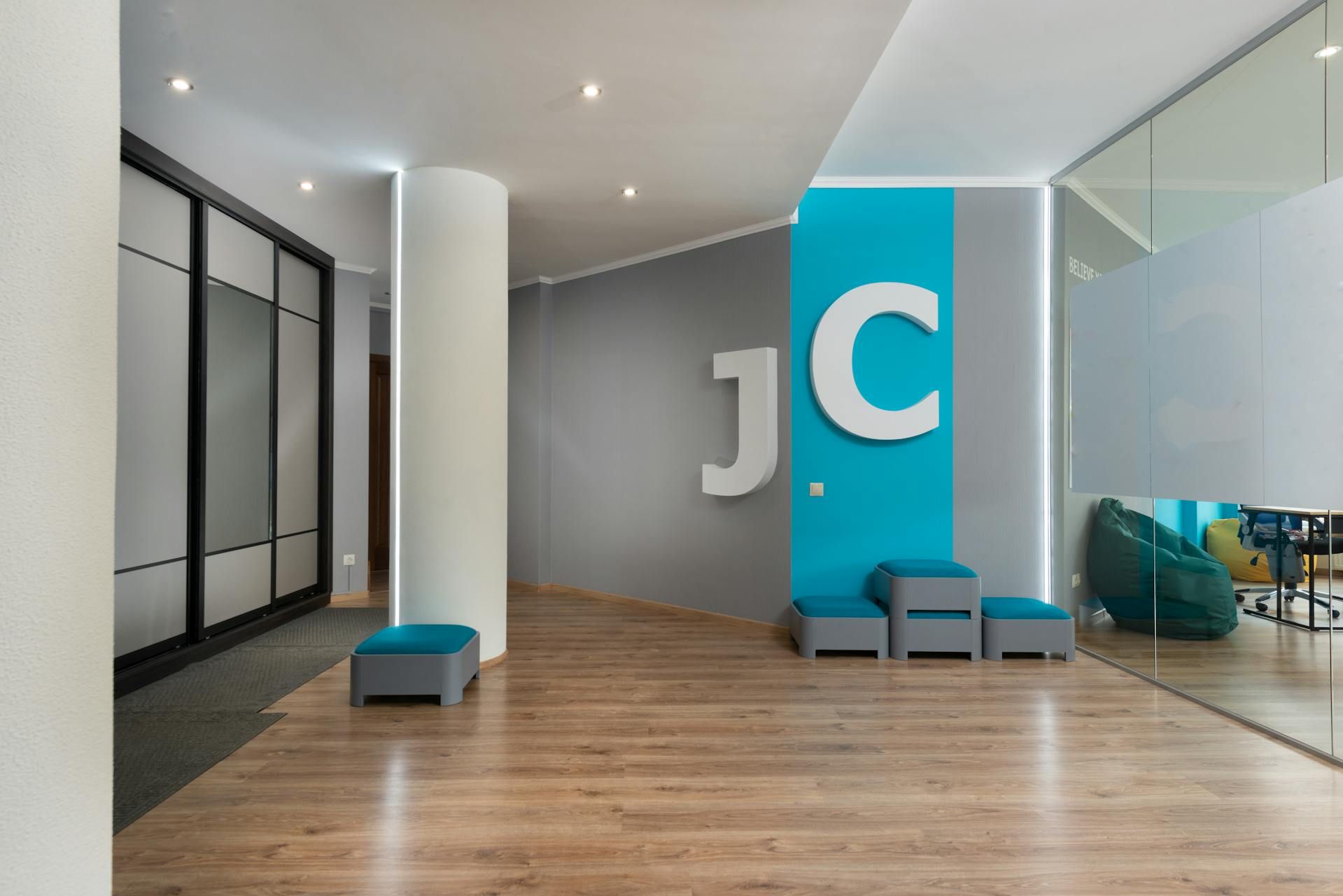
Paint is more than a decorative choice for a commercial setting. It shapes perception, conveys brand identity, and even affects the behavior of those inside a space. Strategic use of paint can transform ordinary rooms into environments that support productivity, trust, and comfort. Business owners willing to invest time and attention in color selection can reap the benefits of a space that communicates professionalism, style, and care. The impact of paint extends far beyond walls, subtly guiding emotions, movements, and impressions in ways that leave lasting positive effects.


