
business resources
The quiet packaging revolution: How a simple sheet keeps global goods moving
12 Mar 2026

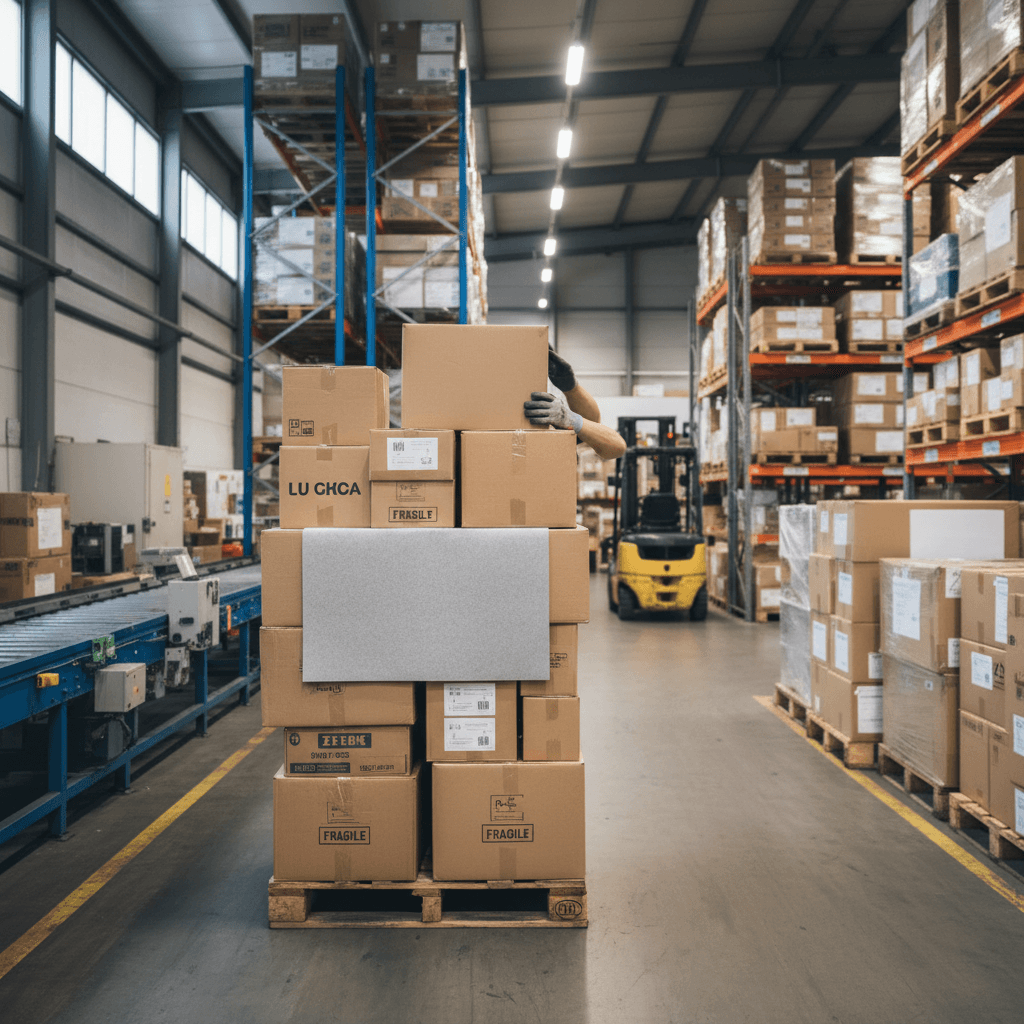
In a warehouse outside any major logistics hub, the most important piece of safety equipment is not a robot, a scanner or a steel barrier. It is often a thin, almost invisible layer of paper or plastic placed between stacked products on a pallet. While it looks unremarkable, this humble anti slip sheet is rapidly becoming one of the most effective tools for preventing damage, waste and workplace accidents in modern supply chains.
Every day, millions of pallets move through automated warehouses, cross‑docking terminals and retail distribution centers. They ride forklifts, conveyor belts and truck trailers, often accelerating, braking and turning at speeds that put heavy loads under serious strain. Without friction between the layers of goods, boxes slide, bags topple and products crash to the floor. The result is broken inventory, delayed deliveries and, in the worst cases, injuries to staff working nearby.
This is where the anti slip sheet steps in. By adding a high‑friction surface between layers of cartons, sacks or trays, it stabilizes the load without needing extra shrink wrap or plastic straps. Some sheets use a special coating; others rely on micro‑embossed textures that grip packaging surfaces. The principle is simple: more friction, less movement. Yet the impact on daily operations is anything but simple.
From hidden cost to strategic advantage
For years, load stability was treated as a technical detail best left to packaging suppliers. Today, it is moving onto the agenda of logistics managers, sustainability teams and even finance departments. Damage in transit does not just mean a broken product. It triggers returns, repacking, emergency shipments and customer complaints. In sectors like food, pharmaceuticals or consumer electronics, a single toppled pallet may represent thousands of dollars in lost value.
By improving pallet stability, companies reduce those hidden costs. Fewer damaged goods mean fewer write‑offs and less time spent handling claims. Transport becomes more predictable, because drivers no longer need to crawl through corners in fear of loads collapsing. Retailers receive pallets that are ready to move straight onto the shop floor or into automated storage systems. In a climate where margins are under pressure and delivery expectations keep rising, that stability turns into a competitive edge.
Safety and sustainability on the same sheet
Load security is also a workplace safety issue. Forklift operators and warehouse staff work inches away from tall, heavy stacks of goods. When a pallet shifts unexpectedly, it puts human bodies at risk. Anti‑slip technology reduces that risk by keeping products in place even when forklifts brake sharply or encounter uneven floors.
At the same time, these sheets support sustainability goals. Traditional methods of stabilizing pallets rely on multiple layers of stretch film, plastic straps and corner protectors. Much of that packaging is used once and discarded. Because an anti slip sheet increases friction, companies often reduce the amount of plastic wrap needed to secure a load. In some cases, they remove plastic entirely and rely on sheets combined with smart stacking patterns.
Paper‑based versions offer another advantage: they fit into existing recycling streams. After unloading, many warehouses simply bale the sheets along with cardboard boxes and send them for recycling. That shift from single‑use plastic to recyclable paper speaks directly to the growing pressure on brands and logistics providers to cut waste without sacrificing performance.
Automation, e‑commerce and the new demands on pallets
The rise of e‑commerce and automated warehousing has intensified the need for reliable pallet stability. Robots and high‑speed conveyors do not adjust their behavior because a pallet looks a bit wobbly. They operate at fixed speeds and angles, which means every load must meet strict stability criteria before it enters the system.
Anti‑slip solutions fit neatly into this environment. They are easy to integrate into automated palletizing lines, where machines place a sheet between layers in a matter of seconds. Because the sheet itself is thin, it does not reduce the number of boxes that fit on a pallet. Instead, it allows higher and denser stacking without compromising safety, which is crucial when warehouse space and truck capacity are both expensive.
For online retailers shipping mixed loads of different products, this flexibility matters. A pallet might combine heavy cartons with lighter, more fragile items. By strategically placing sheets between sensitive layers, operators tailor the stability of each load without redesigning all packaging formats.
A small change with wide‑ranging impact
The story of the anti slip sheet illustrates how minor adjustments in packaging and logistics often deliver outsized benefits. It is not a headline‑grabbing innovation, yet it quietly supports the flow of groceries to supermarkets, medicine to hospitals and consumer goods to households.
As companies rethink their supply chains to be safer, leaner and more sustainable, attention is shifting to these overlooked components. The sheet between two layers of boxes is no longer an afterthought. It is a deliberate choice that shapes cost, safety and environmental impact from factory floor to final delivery.
In a global economy built on movement, sometimes the most powerful innovation is the one that keeps everything firmly in place.
https://drive.google.com/uc?id=17oMbW9L34pxF7n2sQtpFy9NcC7n00vRx&export=download


