


resources
The Role of Sports in a City’s Happiness
30 Oct 2026

It is encouraging to see more people taking notice of city happiness and wellbeing rankings. The more the mainstream media reports on these findings, the more our elected officials will feel the need to improve services and general life in places where most people live.
When it comes to these rankings, factors such as the amount of green space and the standard of public transport are usually to the fore, as they give us an idea of why the inhabitants of a particular city are so happy and content. But there is another important factor that doesn’t always receive as much attention – and that is sports.
Sports obviously get a lot of attention from the media in other ways. Games and events are often the biggest news stories, while the thoughts of fans are now deemed much more worthy. If you are a sports fan, you might want to check out OnlineSportsBetting.net to discover the best sportsbooks to have your say – and don’t forget to use an odds calculator to work out your potential winnings.
But sports can be much more than simply predicting results. Here are a few ways in which sports can improve the happiness and general wellbeing of those living in cities.
Identity and Community
Although most cities are home to people from all over the place, with cultural and sporting ties of their own, a sports team is able to bring together the citizens of a place like nothing else. Sports cuts across class, race, religion, and just about any other barrier you can think of. It is the ultimate source of creating community.
A sports team can also lend its identity to the city itself. Many cities have numerous pro sports teams, sometimes within the same league, but those with just one act as a rallying point for everyone who lives there. Just think of the outpouring of delight and celebration when the New York Knicks won the championship this year. Even those who hold other allegiances may have a soft spot for a team in the city where they live.
Local and Civic Pride
It is not just a sense of identity and community that sports teams bring to a city. Their achievements can have a direct correlation to the level of pride the locals have in their city. It helps if the team is winning, but any kind of achievement creates an energy among the people that becomes almost infectious.
The most successful teams become known far beyond their city borders, forging a feeling of local pride that can be funneled into civic responsibility. The star athletes of the team then become an inspiration to the youth, making a city far more positive and willing to pull together.
Active Lifestyles
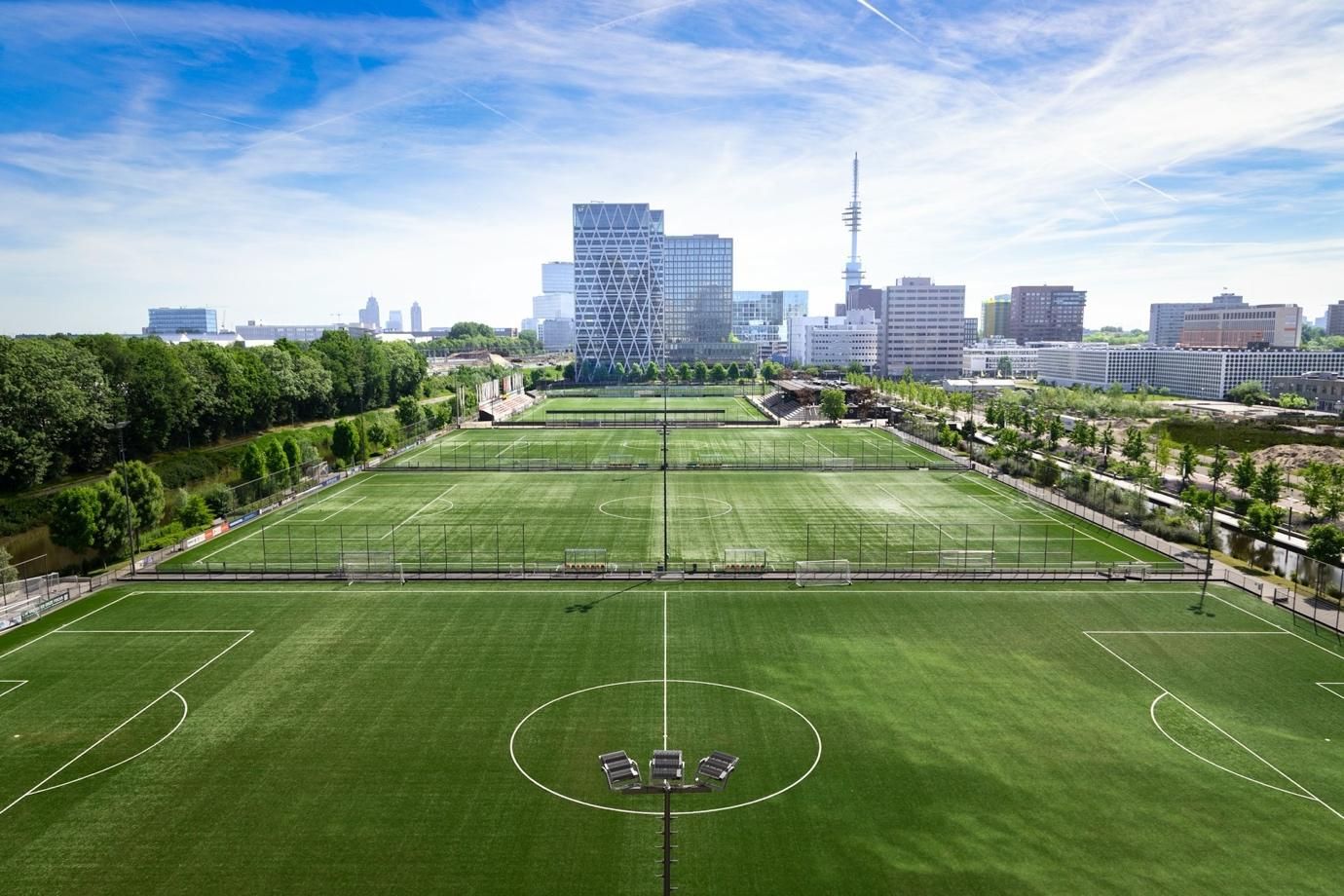
Sports are not just about professional and major league teams, of course. When we talk about sports improving the lives of city dwellers, we are also talking about social activity and exercise, leading to healthier lifestyles. Cities will, by their very nature, have fewer green spaces than rural communities, so sports can play a huge role in increasing wellbeing.
Studies have shown that membership of sport clubs and other health institutions strongly help with life satisfaction. This sense of togetherness, coupled with activity that helps improve the health of people, can be a major factor in whether someone classifies whether they are happy or not.
Better Public Spaces
Whether it is the big pro major league team of a city, or just local people playing amateur games together, increased interest in sports can improve public spaces, as the demand for better facilities is then heard by local government. Even new stadiums can create safer and well-lit neighborhoods where there may have been problems before.
When a city’s population is inspired to be active and participate in sports, there is more of a chance that elected officials will do more to provide the facilities and spaces. In an urban setting where space is limited, improving all public spaces that act as a refuge for many, is invaluable to the people who live there.
Investment in Infrastructure
There used to be a time when sports facilities and even professional team stadiums and arenas were allowed to fall to ruin, without investment from owners or city councils. But sports fans demand better and more modern facilities these days, and this refurbishment can result in improvements in related infrastructure as well.
Although there are sometimes controversies over where the money comes from for some new stadiums in some cities, the common result is an improvement on what was there before – with new buildings and infrastructure that take careful consideration of new environmental laws and regulations. This means cleaner cities for the people who live there.
Community Engagement
It may not always be the case, but the ideal scenario for any new sports stadium or facility being built in a city is that the local community is involved from the earliest possible point. Asking for local’s thoughts on plans that will transform their neighborhood is crucial and also increases community engagement.
When an individual feels that his or her opinions are heard and valued, they are more likely to have more of a sense of civic pride in the place that they live. This increases wellbeing and makes that person happier. The highest-ranking cities are nearly always ones that record high levels of community engagement.
Sports and Happiness for All
There will always be many people living in cities that would profess to have no interest in sports at all – and that’s ok. They should have their voices heard as well. But there is no doubt that sports can have a very important role to play in increasing the happiness and wellbeing of a city and its population.
Factors such as walkability, access to culture, and air quality will always be important to people living in cities, and key indicators of how successful they are. But sports plays its part as well, and can be a vital avenue for good in the lives of everyone in a city.


