
resources
The Story Behind India Gate: New Delhi’s Iconic War Memorial

Standing tall in the heart of New Delhi, India Gate is more than just a grand sandstone arch, it’s a silent witness to history, a tribute to sacrifice, and a symbol of national pride. Every year, millions of visitors flock to this majestic monument, drawn by its architectural splendor and deep historical roots. But what many don’t realize is that India Gate was not always the serene public space it is today. Built to honour the soldiers who laid down their lives in World War I, this war memorial carries stories of valor, grief, and resilience.
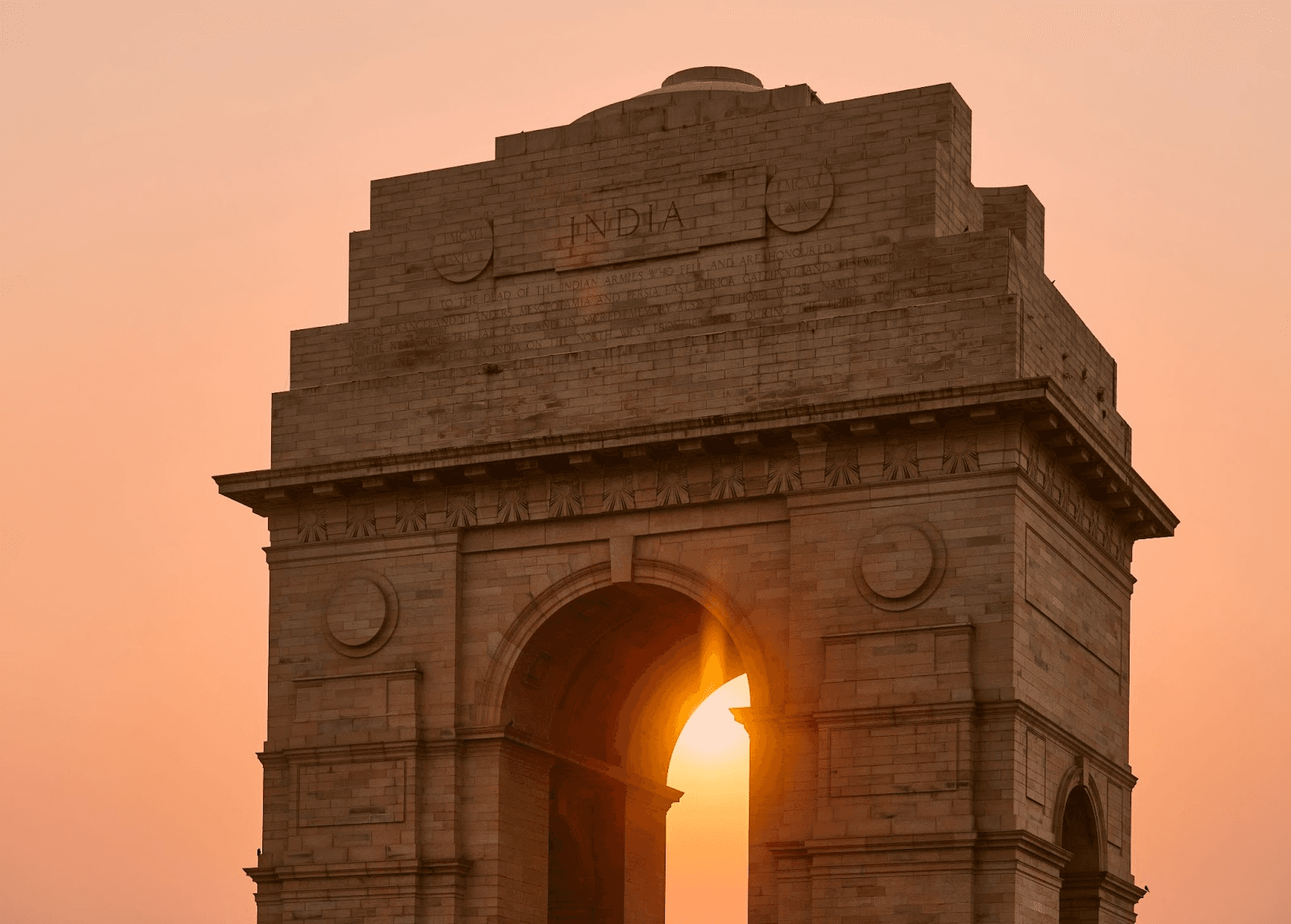
For travelers exploring Delhi, understanding the true significance of India Gate transforms a simple visit into a profound experience. And for those planning trips to other historic Indian cities, like Agra, Jaipur, or Varanasi, this monument serves as a reminder of how deeply history is woven into India’s urban landscapes.
Let’s uncover the untold story behind India Gate, from its colonial origins to its place in modern New Delhi.
Related Content: surat economy
The Origins:
India Gate was not conceived as a tourist attraction but as a solemn memorial. After World War I (1914–1918), the British Indian Army suffered heavy losses, with over 70,000 soldiers killed in action. To honor their sacrifice, the Imperial War Graves Commission proposed a grand memorial in New Delhi, then the newly declared capital of British India.
Designed by Sir Edwin Lutyens, the chief architect of New Delhi, India Gate was inspired by the Arc de Triomphe in Paris but infused with Indian elements. Construction began in 1921 and took a decade to complete, finally being inaugurated in 1931 by Lord Irwin, the then Viceroy of India.
Unlike many war memorials, India Gate does not glorify war, it mourns the loss. The names of 13,300 soldiers, including British and Indian troops, are inscribed on its walls, a permanent reminder of their ultimate sacrifice.
Architecture:
At 42 meters (138 feet) tall, India Gate is one of the largest war memorials in the world. But its significance lies not just in its size but in its design:
- Sandstone Structure: The monument is built from Bharatpur stone, a type of sandstone known for its durability and golden hue, which gives India Gate its distinctive glow at sunset.
- The Eternal Flame (Amar Jawan Jyoti): Added in 1971 after the Indo-Pakistan War, this flame burns continuously beneath the arch, symbolizing the immortal spirit of fallen soldiers.
- The Canopy: Originally, a statue of King George V stood near India Gate, but it was later removed. The empty canopy now serves as a silent marker of India’s transition from colonial rule to independence.
Lutyens’ design ensured that India Gate would not just be a monument but a focal point of Delhi’s urban landscape. The Rajpath (now Kartavya Path), the ceremonial boulevard leading to Rashtrapati Bhavan, aligns perfectly with the gate, creating a grand axis that defines the city’s architectural identity.
India Gate in Modern New Delhi:
Today, India Gate is not just a historical relic, it’s a living part of Delhi’s culture. Here’s how it remains relevant:
A Hub for National Celebrations
- Every Republic Day (January 26), the grand parade starts from Rashtrapati Bhavan and passes through India Gate, making it the centerpiece of India’s most significant national event.
- On Independence Day (August 15), the Prime Minister pays homage at the Amar Jawan Jyoti, reinforcing its role as a symbol of national unity.
A Favorite Public Space
- Evening Walks & Picnics: Locals and tourists alike gather around India Gate in the evenings, enjoying the cool breeze and the monument’s illuminated beauty.
- Street Food & Boating: The nearby India Gate Lawns and boat rides in the adjacent ponds make it a perfect spot for families and friends.
- Protests & Public Gatherings: From candlelight vigils to social movements, India Gate has often been the stage for India’s collective voice.
A Photographer’s Paradise
- The golden hour at India Gate offers some of the best photographic opportunities in Delhi, with the setting sun casting a warm glow on the sandstone.
- The fountain shows in the evenings add a magical touch, making it a must-visit for Instagram-worthy shots.
Why Should Travelers Visit India Gate?
If you’re exploring New Delhi, India Gate is non-negotiable. But here’s why it should also inspire you to visit other historic cities in India:
1. A Lesson in History & Architecture
Just as India Gate tells the story of Delhi’s colonial past, other cities offer their own architectural marvels:
- Agra’s Taj Mahal: A monument of love, built by Shah Jahan.
- Jaipur’s Hawa Mahal: A stunning example of Rajputana architecture.
- Varanasi’s Ghats: Ancient steps leading to the sacred Ganges.
2. A Symbol of National Identity
India Gate is not just Delhi’s landmark, it’s a national symbol. Similarly:
- Mumbai’s Gateway of India marks the arrival of British rulers and their eventual departure.
- Kolkata’s Victoria Memorial reflects the city’s colonial heritage.
- Amritsar’s Golden Temple stands as a beacon of spiritual unity.
3. A Blend of Past and Present
Just as India Gate has evolved from a war memorial to a vibrant public space, other Indian cities offer a mix of history and modernity:
- Hyderabad’s Charminar amidst bustling markets.
- Chennai’s Marina Beach with its historic lighthouse.
- Ahmedabad’s Sabarmati Ashram, where Gandhi’s legacy lives on.
How to Make the Most of Your Visit to India Gate
If you’re planning a trip to New Delhi, here’s how to experience India Gate like a local:
Best Time to Visit
- Early Morning (6–8 AM): Fewer crowds, perfect for photography.
- Evening (5–9 PM): The monument is lit up, and the atmosphere is lively.
Nearby Attractions to Combine With Your Visit
- Rashtrapati Bhavan: The President’s official residence, just a short walk away.
- National War Memorial: A newer tribute to India’s fallen soldiers.
- Jantar Mantar: An 18th-century astronomical observatory.
- Connaught Place: Delhi’s bustling commercial and dining hub.
Getting There
- Metro: The nearest station is Central Secretariat (Yellow Line).
- Auto/Rickshaw: Easily available from any part of Delhi.
- Walking: If you’re staying in Lutyens’ Delhi, a leisurely walk is the best way to approach.
Final Thoughts:
India Gate is more than a monument—it’s a bridge between India’s past and present. It reminds us of the sacrifices that shaped the nation while standing as a testament to Delhi’s enduring spirit.
For travelers, it’s a must-visit not just for its beauty but for the stories it holds. And if you’re exploring other Indian cities, let India Gate inspire you to seek out their own historic landmarks, each with a tale as compelling as this one.
Share

Pedro Guarda
Always driven by curiosity and a passion for smart cities, Pedro Guarda is an aspiring SEO Copywriter & Analyst Intern for Ztudium, indeed, he is eager to merge creative writing with data-driven insights. Moreover, with a growing skill set in keyword research, content optimization, and performance analysis, they are forever driven in helping brands and companies such as Citiesabc to improve their online visibility and engage with their audience effectively.


