


resources
The Top Ten Smart Cities in the World: A Look at Innovation and Progress
12 Mar 2026

When we ponder the future of urban living, the concept of the 'smart city' inevitably comes to mind, doesn't it? These are urban centers ingeniously leveraging technology to enhance the quality of life for their inhabitants. They are continually refining aspects such as urban mobility and environmental sustainability—think cleaner air and more efficient transit. This comprehensive overview delves into the top ten smart cities globally, illustrating how groundbreaking innovations are reshaping metropolitan life and what exciting developments lie ahead.
Key Takeaways
- Cities are increasingly integrating advanced technologies, like AI and the Internet of Things, to optimize traffic flow, energy consumption, and public safety.
- A significant objective is fostering greener urban environments, achieved through initiatives in clean transportation and reduced energy usage.
- The overarching aim remains to elevate residents' lives by providing superior services and robust infrastructure.
- Beyond technological prowess, effective governance and a high quality of life are equally indispensable factors for a city's success.
- Ultimately, cities are evolving to become more interconnected, operationally efficient, and simply more enjoyable places to reside.
1. Zurich
Zurich consistently secures a premier position on smart city rosters, and its distinction extends far beyond merely possessing the latest gadgets. This eminent Swiss city has meticulously prioritized enhancing the daily experiences of its residents. Consider, for instance, the remarkable ease and accessibility of its public transport and cycling networks. This thoughtful design translates into fewer vehicles congesting the thoroughfares and, importantly, contributes to noticeably cleaner air for everyone to breathe.
Furthermore, Zurich places a strong emphasis on ensuring ubiquitous digital access. High-speed internet and comprehensive digital services are not merely conveniences; they are, in essence, fundamental expectations, keeping its populace seamlessly connected and well-informed. The city also invests considerable effort into fostering an inclusive environment, striving to address the varied needs of all its people, irrespective of their backgrounds.
Here’s a concise overview of Zurich’s pivotal areas of focus:
- Sustainable Transport: Significant and ongoing investment in public transit and advanced cycling infrastructure.
- Digital Inclusion: Guaranteeing widespread access to high-speed internet and an array of digital services for all citizens.
- Community Well-being: Implementing initiatives specifically designed to promote inclusivity and cater to the diverse requirements of its residents.
Zurich's pragmatic approach eloquently demonstrates that being a 'smart' city is less about the sheer volume of technology deployed and more about its astute application in resolving genuine urban challenges and genuinely elevating the quality of life. It’s a practical, replicable model that many other urban centers are carefully observing.
It’s unequivocally clear that Zurich’s unwavering dedication to environmental sustainability and a superior quality of life is a principal factor in its consistent top-tier ranking. They are not simply pursuing transient trends; rather, they are diligently constructing a city that performs exceptionally well, both now and for generations to come.
2. Oslo
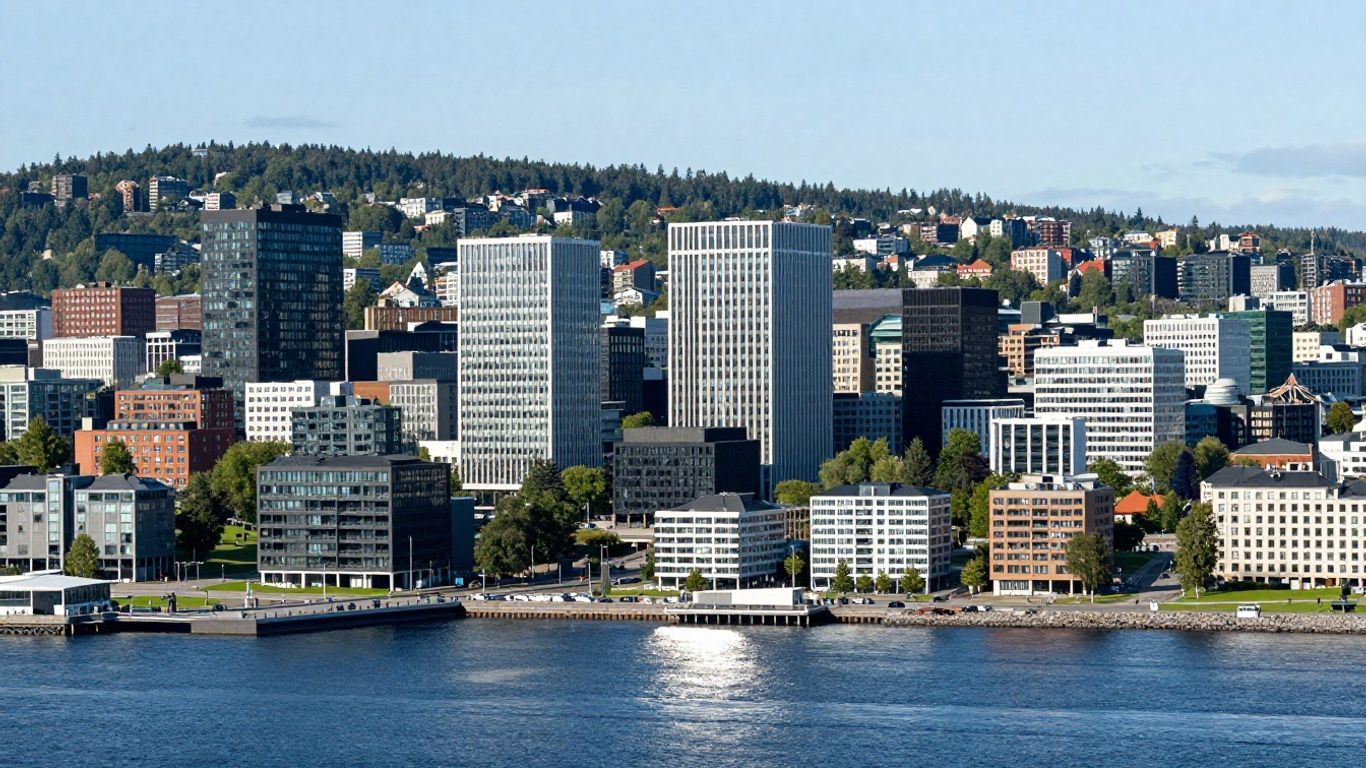
Oslo, the dynamic capital of Norway, is making substantial advancements in the realm of smart cities, largely attributed to its profound commitment to sustainability. This isn't just about integrating technology indiscriminately; they are, quite remarkably, aiming to achieve zero-emission status, a truly ambitious goal. This vision is realized by meticulously weaving smart solutions into every facet of urban operation, from how its citizens navigate the city to how its energy resources are managed.
Transportation, for instance, is a critical area of innovation. One can observe a growing presence of electric buses and ferries across the city, which undeniably contributes to a significant reduction in pollution and fosters cleaner air. Moreover, the city employs intelligent data analytics to optimize traffic flow. By diligently monitoring traffic patterns and intelligently adjusting elements such as traffic lights, they endeavor to mitigate congestion and make daily commutes considerably less arduous. They are also actively empowering citizens with digital platforms to report issues or provide valuable feedback on urban initiatives.
Here are some of the key domains where Oslo is truly excelling:
- Electric Mobility: They have developed an extensive network of charging stations for electric vehicles and further incentivize their adoption through benefits like tax breaks and complimentary parking.
- Smart Grids: The city is diligently researching and implementing smart grid technology to manage energy resources with greater efficiency and foresight.
- Citizen Engagement: Through user-friendly digital tools, they have streamlined the process for residents to interact with city services and even actively participate in decision-making processes.
Oslo's strategy underscores that being a smart city transcends merely possessing the newest gadgets. It's fundamentally about judiciously deploying technology to cultivate a superior and greener urban existence for all residents. They appear commendably proactive in experimenting with novel approaches and adapting as needed—a truly intelligent way to navigate the complexities of a contemporary city.
Oslo's unwavering dedication to a greener future is strikingly evident in its ambitious emission reduction targets. They are also exploring more sustainable construction methodologies, showcasing how an urban center can effectively prompt an entire industry towards greater ecological responsibility. It’s a remarkably practical approach to constructing a better city for tomorrow.
3. Geneva
Geneva, another magnificent city from Switzerland, has demonstrated a noteworthy ascent in the smart city rankings, progressing from fourth place to confidently secure the third spot. This upward trajectory is certainly no accident; it is a clear reflection of a well-considered approach to urban living that meticulously balances technological progress with the holistic well-being of its diverse residents.
So, what precisely distinguishes Geneva?
- Focus on Sustainable Mobility: The city has invested substantial effort into rendering public transport and cycling exceptionally convenient and universally accessible. This commitment naturally leads to fewer vehicles on the roadways, which in turn significantly contributes to maintaining cleaner air.
- Digital Inclusion: In Geneva, high-speed internet and sophisticated digital services are perceived as fundamental necessities, not mere embellishments. The primary objective is to ensure that every individual can readily connect and access vital information with ease.
- Community Well-being: Geneva proactively works to integrate all its residents, paying meticulous attention to the distinct and varied needs within its diverse population.
The city's coherent strategy vividly illustrates that being 'smart' is not simply about acquiring the very latest technological devices. Rather, it is about deploying technology in ways that genuinely address tangible urban problems and profoundly improve the daily lives of those who call Geneva home. This eminently practical methodology is something many other global cities are attentively studying.
While precise quantitative data for Geneva's specific smart initiatives may not always be prominently featured in general rankings, its consistent presence within the top echelon strongly implies robust performance in critical areas such as efficient resource management and an elevated quality of life—all driven by intelligent governance and citizen-centric urban planning.
4. Dubai
Dubai is unequivocally committing significant resources to transform itself into a profoundly smart city, and the evidence of this ambition is pervasive. Their ambitious blueprint, previously known as 'Dubai 2021', placed substantial emphasis on digitizing government services. Consequently, a vast majority of public services are now accessible online, and residents can even manage crucial aspects like residency permits through the intuitive DubaiNow application. The city anticipates that this transition to a paperless environment will yield substantial financial savings.
However, this endeavor extends beyond mere convenience. Dubai is strategically employing technology to address complex urban challenges. For instance, advanced systems equipped with AI diligently monitor bus drivers, actively working to prevent accidents that might arise from fatigue. They are even pioneering self-service police stations, allowing citizens to handle fines or file reports without direct human interaction. There has even been discussion about developing a floating version for one of its iconic man-made islands!
Beyond these practical applications, Dubai is also making considerable investments in truly groundbreaking high-tech ventures. Imagine, for example, the 3D printing of entire buildings or the development of a hyperloop system designed to interconnect various cities. All these initiatives collectively underscore a remarkably forward-thinking philosophy regarding urban functionality and future transportation.
Here are some of the key areas where Dubai is concentrating its considerable efforts:
- Digital Government Services: Aims for nearly universal online and mobile app accessibility for all public services.
- AI for Public Safety: Strategic deployment of artificial intelligence to monitor public transport networks and bolster overall safety.
- Innovative Construction: Active exploration of cutting-edge technologies, such as 3D printing, for developing urban infrastructure.
- Future Transportation: Significant investment in advanced transit concepts, including the visionary hyperloop project.
Dubai's approach clearly signals a strong aspiration to lead in technological adoption, striving to engineer an exceptionally efficient and thoroughly modern urban environment.
5. Abu Dhabi
Abu Dhabi, the esteemed capital of the United Arab Emirates, is making truly significant advancements in its ambitious journey to establish itself as a preeminent smart city. Its efforts are not merely about showcasing dazzling technology; instead, the city is meticulously focusing on practical applications that tangibly enhance the daily lives of its residents.
The city has commendably climbed to fifth place in global smart city rankings, a testament to its consistent and steady improvement over recent years. This progress is firmly built upon a foundation of intelligent infrastructure, data-driven governance, and an unyielding commitment to sustainability.
Here's an insight into some pivotal areas where Abu Dhabi is actively innovating:
- Smarter Infrastructure: This encompasses the comprehensive upgrading of essential urban systems, including advanced transportation networks and utilities. The fundamental objective is to augment their efficiency and reliability, thereby enabling them to better accommodate the demands of a continuously expanding population.
- Data-Driven Governance: Abu Dhabi is proactively leveraging sophisticated data analysis to gain a profound understanding of its services' performance. This analytical insight empowers city officials to make more informed decisions regarding investment allocation and how best to refine public services for the benefit of all citizens.
- Sustainability Initiatives: The city is devoting considerable resources to projects specifically designed to mitigate pollution and champion the adoption of clean energy sources. This broad endeavor includes the deliberate development of green spaces and active encouragement of eco-friendly transportation alternatives.
Abu Dhabi's strategic approach clearly demonstrates a profound understanding that a smart city is fundamentally one that harnesses technology to cultivate a superior living environment for its populace, meticulously balancing both efficiency and overall quality of life.
6. London
London—a city that proudly bears its illustrious history while perpetually looking towards the future—is undertaking significant endeavors to evolve into a more intelligent urban environment. This is, undoubtedly, a colossal undertaking: seeking to intricately weave technology into the very fabric of such an expansive and historic metropolis. Their strategy isn't centered on a single, sweeping fix; rather, it’s a sophisticated amalgamation of astute ideas collaboratively working in concert.
One of the paramount objectives is ensuring universal digital access. The city is ardently advocating for enhanced internet connectivity across its vast expanse, and, notably, new constructions are now mandated to include pre-installed fiber optics—essentially, upgrading the city's core communication arteries. They are also meticulously strategizing the optimal placement of 5G antennas, which, being smaller, necessitate closer proximity. It’s quite ingenious how they are exploring the use of drones to identify the most suitable locations for these installations.
Here are some of the principal areas London is concentrating on:
- Improving public transport: Streamlining and expediting urban mobility for residents and visitors alike.
- Investing in cleaner energy: A deliberate transition towards more environmentally benign power sources.
- Expanding internet access: Connecting a greater number of individuals to the ever-evolving digital world.
Beyond these foundational elements, London is actively exploring innovations such as smart streetlights. These are not merely sources of illumination; they are engineered to integrate sensors and even electric vehicle charging points directly into their design. The underlying vision is to render daily life a bit more seamless and, concurrently, contribute to a greener urban footprint.
London is also critically examining how emergent technologies, particularly artificial intelligence and advancements in life sciences, can serve as catalysts for economic growth. It’s a delicate balance, diligently striving to keep pace with future imperatives while expertly managing a city imbued with such a profound historical legacy.
7. Copenhagen
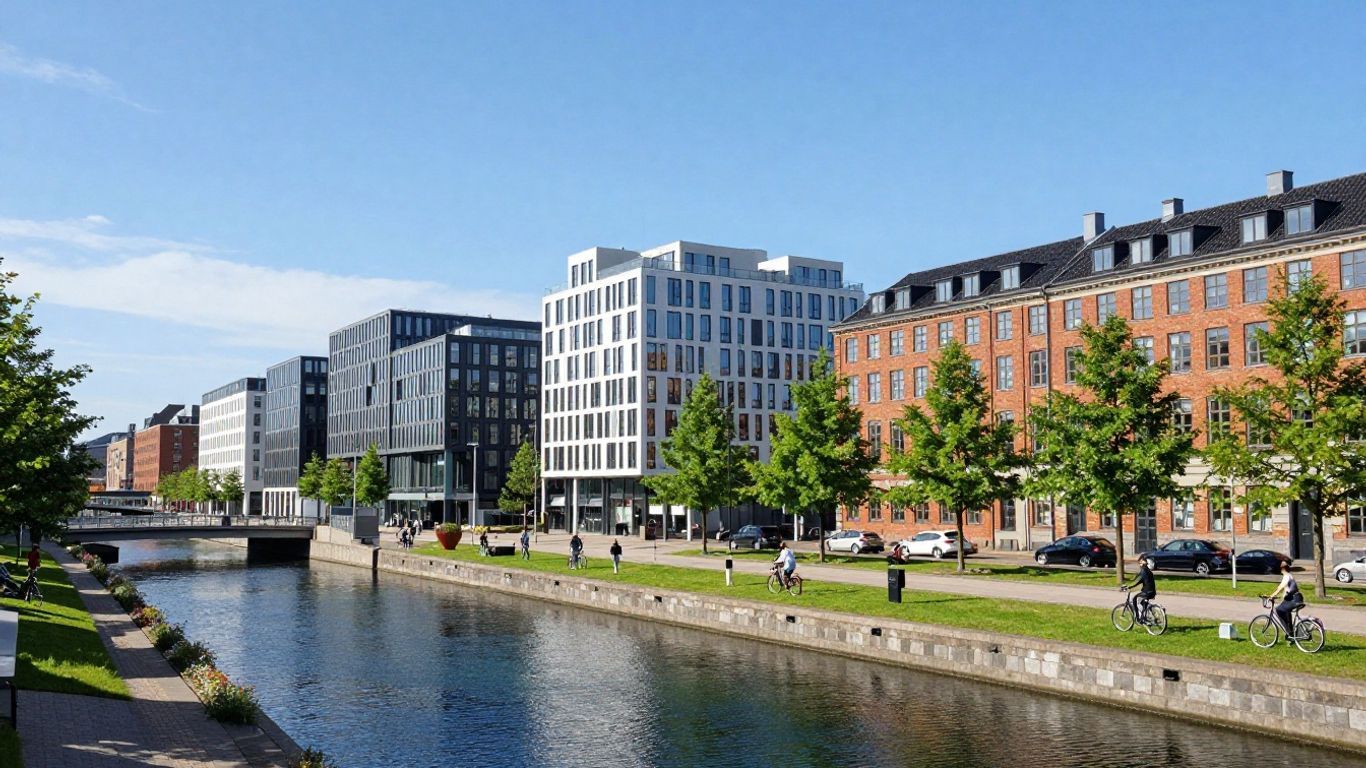
Copenhagen is truly embracing the integration of technology to enhance urban functionality for everyone, skillfully blending innovation with an unwavering commitment to environmental stewardship. This isn't just about indiscriminately deploying new gadgets; they are meticulously analyzing energy consumption, ensuring their transportation networks are impeccably clean, and engaging in proactive future planning. The overarching objective seems remarkably clear: to cultivate an even more desirable urban environment.
With an ambitious target of achieving carbon neutrality, Copenhagen is strategically leveraging smart technology to optimize energy management and facilitate smoother urban transit. It's a formidable undertaking, yet witnessing its implementation is genuinely impressive. Advanced smart grids are in place, designed to distribute power more efficiently and significantly reduce waste. Public transport is also undergoing a transformative upgrade, with electric buses and intelligent traffic lights contributing to commutes that are both smoother and cleaner. Furthermore, new buildings are meticulously engineered for exceptional energy efficiency, while existing structures are being thoughtfully retrofitted.
Here’s a concise overview of their primary areas of focus:
- Smart Energy Grids: These sophisticated systems are instrumental in optimizing power distribution, thereby minimizing waste and ensuring energy is utilized judiciously.
- Sustainable Transportation: Encompasses electric buses, intelligent traffic control, and comprehensive efforts to promote pollution-free urban mobility.
- Green Building: A concerted push for new constructions to meet stringent energy-efficiency standards and the renovation of older buildings to embrace greener profiles.
The city employs a sophisticated system that meticulously monitors vital metrics like traffic flow and air quality in real-time. This integrated platform interconnects various municipal services—from parking management to traffic lights—to facilitate smoother urban operations. Critically, this system can dynamically adapt based on factors such as traffic density, prevailing weather conditions, or even fluctuating fuel prices, all with the aim of optimizing city service delivery.
Copenhagen is also significantly simplifying life for its substantial cycling community. An innovative application, powered by this extensive urban data, assists cyclists in identifying the most efficient routes and even timing their rides to perfectly synchronize with green lights. It stands as an excellent illustration of how intelligent city information can genuinely streamline daily experiences.
8. Canberra
Canberra, Australia's capital, has experienced a notable adjustment in its smart city standing, having previously held a third-place position. While this might initially suggest a regression, it is crucial to consider the broader context of ongoing innovation and progress. Canberra has been actively engaged in integrating technology to enhance the lives of its residents and bolster the efficiency of its public services.
One of the key domains where Canberra particularly excels is in its approach to governance and public service delivery. The city has been steadfastly focused on rendering government more accessible and responsive through digital channels. This includes a range of initiatives aimed at streamlining administrative processes and providing citizens with more straightforward avenues for interaction with local authorities.
Here are some of the ways Canberra is actively constructing its smart city future:
- Digital Public Services: Significant efforts are underway to expand the online availability of government services, thereby simplifying various tasks for residents.
- Sustainable Urban Planning: The city is diligently exploring methods to incorporate greener technologies and eco-friendly practices into its ongoing urban development.
- Connectivity Initiatives: Improving its digital infrastructure remains a paramount priority to ensure that both residents and businesses can maintain robust connectivity.
The city's enduring commitment to creating a meticulously planned and highly functional environment for its citizens remains a central tenet of its urban strategy.
While international rankings can invariably fluctuate, Canberra's sustained commitment to smart city development unequivocally demonstrates a dedication to enhancing urban living through the practical application of technological solutions.
9. Singapore
Singapore has truly embraced the vision of a "Smart Nation," and the tangible results are abundantly clear. Its approach isn't merely about deploying sophisticated technology; it's profoundly about leveraging these innovations to make everyday life more fluid and efficient for everyone. This strategic direction has been pursued for an extended period, and its positive outcomes are quite evident.
A significant achievement has been the considerable simplification of access to government services. Need to settle a bill or submit an application? A substantial portion of these tasks can now be completed online, often directly from a smartphone—a true time-saver for busy citizens, which is always a welcome improvement.
In terms of urban mobility, Singapore also stands out. The city extensively utilizes data analytics to identify optimal strategies for traffic management and to enhance the efficiency of its public transportation networks. This translates into less time spent in gridlock and more dependable bus and train services, undeniably making urban commutes considerably less burdensome.
Here are a few key areas where Singapore truly shines:
- Easy Government Services: Online portals and mobile applications render dealings with official matters remarkably straightforward.
- Efficient Transportation: Intelligent traffic management combined with a robust public transit system significantly reduces congestion.
- Green Initiatives: Strategic deployment of technology to optimize energy consumption and minimize waste, contributing to a more sustainable urban landscape.
Singapore's methodology serves as an exemplary case study of how a city can effectively harness technology to resolve tangible challenges—ranging from streamlining commutes to elevating public services. It represents a pragmatic blueprint for constructing a superior urban future.
Their unwavering focus on maximizing convenience and operational efficiency for residents is a cornerstone of their comprehensive smart city strategy.
10. Lausanne
Lausanne, a picturesque city gracefully nestled on the shores of Lake Geneva, steadfastly holds its own within the global smart city discourse. While it might not consistently command the same prominent headlines as some of its larger European counterparts, Lausanne is diligently working to enhance the quality of life for its residents through judicious smart initiatives. The city is particularly dedicated to integrating technology to improve daily living and actively promote sustainability.
Lausanne's approach to becoming a smart city is notably pragmatic. They are not merely throwing technology at problems; rather, they are earnestly seeking intelligent solutions that genuinely yield a tangible difference. This encompasses efforts such as making public transport more user-friendly and ensuring that comprehensive digital services are readily accessible to every citizen.
Here are a few key areas where Lausanne is demonstrating notable progress:
- Mobility: Significant efforts are underway to streamline urban navigation, whether one is utilizing public transport, cycling, or walking. This translates into better connectivity and more intuitive systems for all.
- Digital Inclusion: The city is committed to bridging the digital divide, ensuring that all residents can effectively access and fully benefit from digital services and high-speed internet.
- Environmental Focus: Lausanne maintains a strong commitment to green initiatives, diligently exploring methods to reduce its ecological footprint through intelligent resource management and the active promotion of eco-friendly practices.
The city's overarching strategy appears to prioritize smart, consistent progress over flashy, large-scale overhauls. It’s fundamentally about implementing practical enhancements that meaningfully elevate the quality of life for those who live and work within its vibrant bounds.
Lausanne's position in smart city rankings underscores an urban center that comprehends the importance of technology but consistently prioritizes its practical application for the comprehensive well-being of its citizens. It stands as an excellent illustration of how even smaller cities can effectively become truly smart cities.
Conclusion
Reflecting on these top ten smart cities, it becomes abundantly clear that technology is profoundly transforming the way we experience urban living. Each city highlighted on this list employs its unique methodology for leveraging digital tools and innovative concepts to render daily life smoother, safer, and considerably greener. Some urban centers prioritize enhancing public transport, others focus on clean energy solutions, or perhaps ensuring universal digital connectivity. Yet, the fundamental commonality uniting them all is this: an unwavering commitment to improving the lives of their residents, rather than simply showcasing the latest technological marvels. As a greater proportion of the global population gravitates towards urban environments, these intelligent solutions are poised to become even more critically important. It will be fascinating to observe how these cities continue to evolve and what novel ideas emerge next. Perhaps in just a few short years, this very list will present an entirely different landscape. For now, these ten cities are effectively demonstrating to the world the immense possibilities that arise when technology is thoughtfully integrated with sound planning and a genuine focus on people.
Frequently Asked Questions
What exactly is a smart city?
A smart city is an urban area that strategically employs modern technology and astute planning to enhance the overall quality of life for its inhabitants. Consider improvements such as more efficient transportation networks, cleaner air, and public services that operate with remarkable efficacy.
Why are smart cities so important right now?
Smart cities play a crucial role in addressing significant urban challenges, including traffic congestion, environmental pollution, and waste management. The primary objective is to make living in an urban environment more enjoyable, sustainable, and less impactful on our planet.
Which city is considered the smartest in the world?
Zurich is frequently cited as the world's smartest city. It has consistently maintained a top position due to its exceptional utilization of technology and a profound dedication to ecological responsibility.
How do smart cities use technology every day?
They utilize a range of innovations—such as sensors, specialized mobile applications, and intelligent computer programs—to manage critical infrastructure like electricity and water, enhance public safety, and deliver beneficial services to all citizens.
Can you give some examples of smart city projects?
Certainly! Illustrative examples include traffic lights that dynamically adjust to alleviate congestion, smartphone applications designed to simplify public transportation use, and continuous air quality monitoring systems implemented to safeguard public health.
What's the main goal for cities trying to become 'smarter'?
The paramount objective is to significantly improve the lives of their residents. This entails creating cities that are environmentally sound, highly connected, and exceptional places to live and work, with technology serving as the fundamental enabler for achieving these aspirations.


