
resources
The Urban Risks That Grow When Motorcycles Travel Too Fast
02 Feb 2026

Riding in a city is a different kind of challenge. Traffic pulses, lanes squeeze, and surprises wait at every intersection. Add speed to that mix, and the margin for error shrinks fast.
Why Speed Changes Everything In Cities
Urban streets leave little room to recover from mistakes. A car door opens or a courier steps off the curb and a rider has only a blink to react. The problem is not only the crash itself, but also how speeding impacts motorcycle accidents by turning small errors into severe outcomes. That one variable multiplies every hazard already present in dense traffic.
The Physics Behind Speed And Injury
Kinetic energy climbs with the square of speed. Double the speed and the energy released in a crash quadruples. That extra force translates directly into harsher impacts on the rider, the helmet, and the human body. Protective gear helps, but it has limits that high speeds can blow past in an instant.
Stopping distance equals perception distance plus braking distance, and both balloon as speed rises. Even with ABS, traction and heat limits stretch braking, while weight transfer lightens the rear tire and reduces overall grip. Because the added energy must be dissipated, your body absorbs harsher deceleration loads that raise the risk of brain and internal organ injury.
Urban Street Features That Amplify Risk
Cities pack many conflict points into short distances. Higher speed compresses the time riders have to scan and plan through each one.
- Frequent intersections add turning vehicles that can hide behind buses or trucks.
- Curbside activity means sudden door openings and delivery stops.
- Narrow lanes reduce lateral escape space when something goes wrong.
- Parked cars and street furniture block sightlines at the worst moments.
The Compound Effect Of Short Blocks
Short blocks and signal density mean riders face decision after decision in quick bursts. At high speeds, those decisions stack up faster than humans can process them. A single late judgment can ripple into a chain of evasive moves that ends in a crash.
Rider Behavior Patterns At Higher Speeds
Speed changes behavior as much as it changes physics. Riders who are moving faster tend to accept tighter gaps, brake later, and lane-change more often. Each choice is manageable by itself at moderate speeds. Roll the throttle a little more and those same choices become thin-ice moments with no do-over.
Overconfidence And Risk Compensation
Modern bikes stop and handle better than ever, which can tempt riders to lean on technology. Electronic aids help, but they do not rewrite physics. Confidence can outrun traction and braking distance before the brain registers the growing risk.
What The Data Says About Speeding And Motorcycle Crashes
Research has tied speed to a large share of deadly crashes across all road users. A national safety institute reported that nearly 3 in 10 U.S. traffic deaths in 2023 involved speeding, underscoring how speed fuels severe outcomes on any roadway, including city streets.
A federal campaign on motorcycle safety noted that more than one-third of riders in fatal crashes that same year were speeding, a signal that the risk is concentrated among motorcyclists when speeds climb.
The World Health Organization has also explained that raising average speed by just 1% increases the risk of a fatal crash by 4%, which shows how even small speed bumps can tip outcomes toward tragedy in crowded urban settings.
Visibility, Reaction Time, And Stopping Distance
Human reaction time does not speed up just because the bike does. A typical rider needs about a second to perceive a hazard and start braking. At city speeds, that second might carry you half a block. At higher speeds, it can carry you through an entire intersection before the brakes even bite.
Closing Speeds And Blind Angles
When a rider is 15 km/h faster than traffic, closing distances shrink quickly. A driver checking a mirror may look clear, start a lane change, and collide because the motorcycle arrived sooner than expected. The same mismatch happens at crosswalks when pedestrians time a gap that evaporates.
Protecting Pedestrians And Cyclists In Mixed Traffic
Cities are full of people outside vehicles. Speed magnifies the harm to those unprotected users and raises the likelihood of secondary impacts. A minor swerve to avoid a turning van at high speed can push a rider into a bike lane or onto a sidewalk. Slower speeds lengthen decision windows and open safer escape paths.
- Lower speeds reduce the chance of a rider being deflected into pedestrian space.
- Wider buffers appear when riders are not outrunning their sightlines.
- Crossing interactions become more predictable for everyone at the curb.
Night Riding
Darkness hides small movements and flattens depth perception. Headlights improve visibility, but they cannot reveal everything behind parked cars or street trees. Speed strips away the last bits of margin that night already thins.
Smart Ways Cities And Riders Can Slow Themselves Down
Street design can set the tone before a throttle ever twists. Narrower effective lanes, raised crosswalks, and curb extensions nudge speeds down without relying only on enforcement. For riders, speed choice starts well before the on-ramp into downtown.
- Plan routes that avoid multi-lane arterials where closing speeds spike.
- Leave earlier to remove the temptation to make up time.
- Use gearing and engine braking to settle into calmer pacing.
- Treat every green light as a stale green and scan for late crossers.
Bike Tech And Skill
Antilock brakes and traction control are valuable, but they are not a license to carry more speed. Braking drills and slow-speed control practice sharpen the skills used most often in cities. The smoother the inputs, the more space and options a rider keeps in reserve.
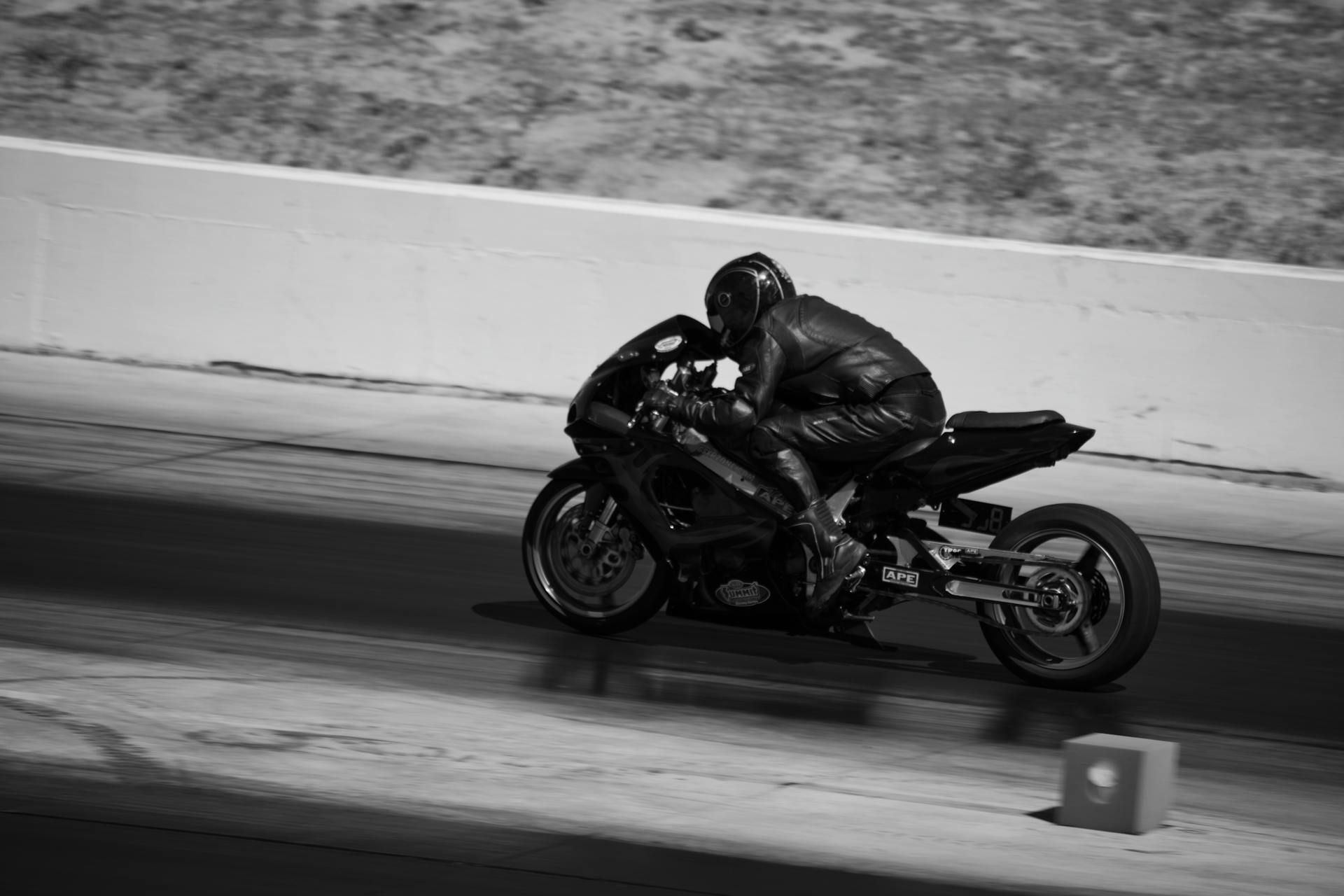
Urban riding rewards context over pure pace. The best speed is the one that fits what you can see, predict, and stop for. Train yourself to read the street as a living system - if sightlines are short and conflict points rise, let the speed fall. That habit turns chaos into a series of manageable decisions.
City blocks are short, but urban rides are long games. Holding back a little keeps energy on the right side of physics and buys time for your eyes and mind to work. When the road is dense with people and possibilities, measured speed is the simplest way to keep the ride going.


