
first_page, citiesabc
The US Creator Economy Just Got Its First Certification Program — And It's Backed by TikTok
21 Apr 2026

The influencer marketing industry has long operated in a trust deficit. Now, the Responsible Influence Certification Program is looking to change that.
The Center for Industry Self-Regulation's Institute for Responsible Influence (IRI), an initiative dedicated to advancing transparency, accountability, and trust in the U.S. creator economy. officially launched its Responsible Influence Certification Program on April 13, 2026. The programme represents the most structured attempt yet to professionalise an industry that has exploded in size but struggled to earn consistent consumer confidence.
A Booming Industry With a Trust Problem
The numbers tell a compelling story but with a significant catch. Roughly 86% of U.S. marketers now work with paid creators, driving a $37 billion domestic market and supporting more than 27 million people influencing consumer decisions. Yet despite that scale, only 5% of consumers fully trust influencer content, and nearly 30% say they actively distrust creator recommendations altogether.
The disconnect is striking: 58% of consumers have still made a purchase based on a creator's recommendation, suggesting that influence is working even where trust is lacking, a dynamic that consumer advocates say is precisely the problem.
Disclosure practices are at the heart of the issue. 71% of consumers say clear disclosure increases their trust in a creator, while 70% say hidden sponsorships leave them feeling misled.
What does the Responsible Influence Certification Program Actually Covers
The Responsible Influence certification program features a 90-minute interactive curriculum grounded in real-world scenarios, covering the FTC Endorsement Guides and other government requirements, industry advertising standards, and responsible brand partnerships. It also addresses the responsible use of AI tools in content creation, a timely addition given mounting consumer unease around AI-generated influencer content.
For $100, creators can work through modules on distinguishing personal opinions from ads that require disclosure, making truthful endorsements based on personal experience, and using AI ethically in content.
Participants are required to demonstrate knowledge through assessments to receive certification. Certified creators will then be listed in a searchable database maintained by the Institute, making it easier for brands and agencies to identify and vet transparent partners.
Responsible Influence Certification Program is backed by major brands
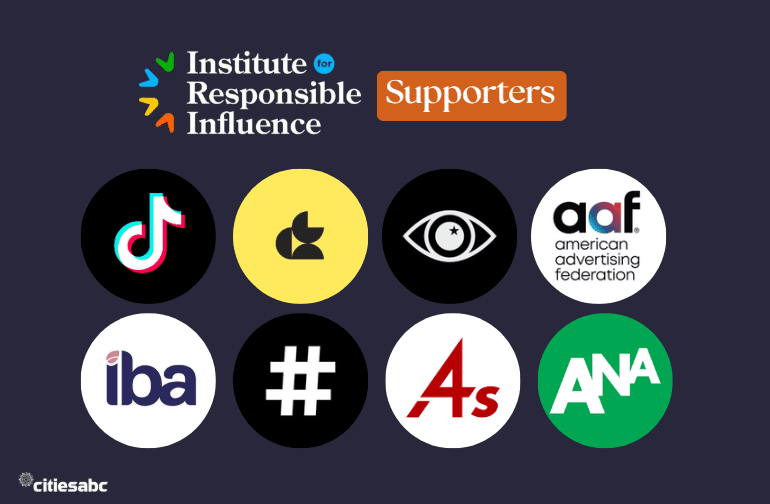
The Responsible Influence Certification Program has drawn backing from across the advertising and tech landscape. Supporters include TikTok, #paid, the Creators Guild of America, the Independent Beauty Association, the American Association of Advertising Agencies (4As), Uncommon Creative Studio, the Association of National Advertisers, and the American Advertising Federation, among others.
Leading creator marketing platform #paid collaborated with its creator community to pilot the program, helping ensure it reflects the real-world challenges creators face.
TikTok's Global Head of Brand Safety, Francis Stones, was direct about the stakes: the most powerful collaborations happen when creators and brands share a foundation of trust.
The International Council for Advertising Self-Regulation (ICAS), a global platform promoting responsible advertising and self-regulatory standards, is also supporting the launch, framing it as part of a wider international movement toward creator accountability.
The Bigger Picture
The Responsible Influence Certification Program launches as creator marketing continues to scale, even as consumer trust remains uneven. The creator economy is maturing and with that maturity comes pressure to establish formal standards rather than relying on individual creators to self-police.
Eric D. Reicin, President and CEO of BBB National Programs, framed the program as a self-regulatory answer to a growing regulatory vacuum: the certification is designed to demonstrate how voluntary industry frameworks can raise standards without waiting for hard government mandates.
Creators who complete the video-based curriculum and pass the assessment receive the Institute for Responsible Influence Certification Seal, a visible credential signaling their training in truthful and transparent digital influence.
Bottom Line: The Responsible Influence Certification Program gives creators a concrete way to signal professionalism to brands and gives consumers a clearer reason to trust the content filling their feeds. In an industry where credibility has always been assumed rather than earned, that distinction could matter more than ever.


