
business resources
Tips for Designing the Perfect Office Layout
18 Jan 2025

Creating the perfect office layout is essential for ensuring productivity, collaboration, and overall employee satisfaction. The office layout serves as the foundation for a functional and comfortable workspace, and its design plays a crucial role in promoting effective workflows and reducing distractions. Whether you're renovating an existing office or setting up a new one, there are several key considerations to keep in mind to optimize space usage, encourage creativity, and foster a positive work environment. By focusing on the needs of the team and the company’s objectives, you can craft a layout that works well for everyone involved.
Understanding the Importance of Office Floor Plan
The office floor plan is one of the first things to consider when designing your workplace. It directly affects employee comfort, efficiency, and the ability to collaborate effectively. Choosing the right layout can boost productivity and morale, making employees feel more engaged with their work. When planning an office space, you must assess the company's size, needs, and specific working styles. You can use various tools, like office floor plan design software, to experiment with different arrangements and visualize the best configuration for your team. These tools allow you to see how your space might evolve and help you plan for the future.
Maximizing Natural Light and Ventilation
One of the most overlooked aspects of office design is the impact of natural light. Offices with ample sunlight create a welcoming environment that boosts mood and productivity. When possible, position desks near windows or other sources of natural light to take full advantage of it. Additionally, proper ventilation is crucial for maintaining air quality and ensuring comfort throughout the workday. Fresh air helps employees stay focused, alert, and healthy. A well-lit, well-ventilated space contributes to an overall sense of well-being and helps prevent the negative effects of a stale, poorly lit environment.
Choosing the Right Layout: Open vs. Closed Offices
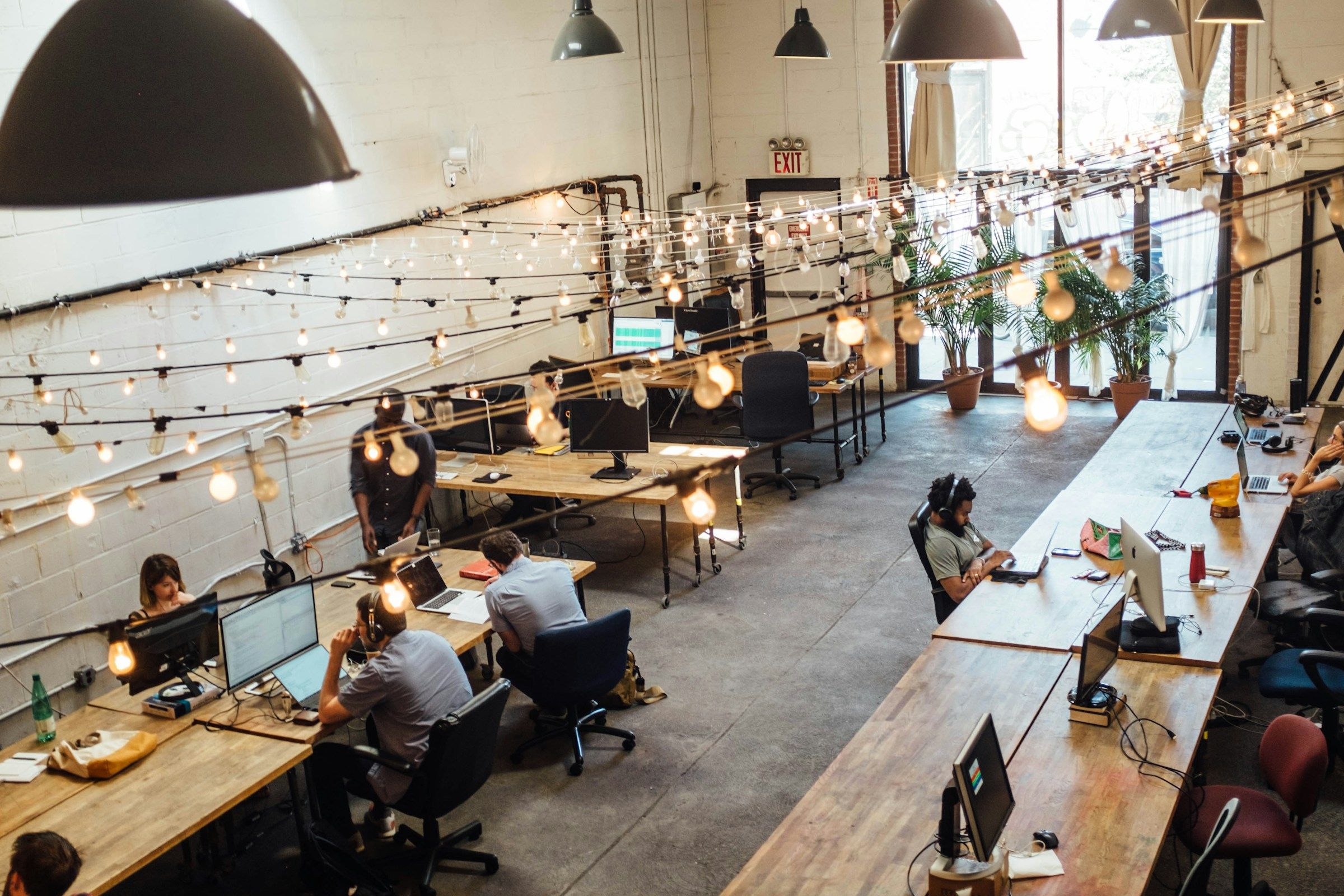
The debate between open-plan and closed-office layouts has been ongoing for years. Both options have their advantages, depending on the nature of your work and the culture of your company. Open office layouts encourage communication, foster collaboration, and allow employees to interact freely. However, they can also lead to distractions and a lack of privacy. On the other hand, closed office layouts offer more privacy and quiet, but they may hinder spontaneous communication and collaboration. Hybrid models, which incorporate both open and closed spaces, can offer the best of both worlds, depending on your team's needs.
Incorporating Flexibility and Adaptability
The ability to adapt quickly is crucial. Your office design should reflect this need for flexibility, allowing for changes as your company grows or your team's working habits evolve. Consider incorporating movable walls, modular furniture, or multi-purpose rooms that can serve different functions as needed. This will give you the freedom to adjust the layout without major disruptions. Flexible workstations, adjustable desks, and collaborative zones should all be considered when designing a space that supports a dynamic, modern workplace.
Designing for Collaboration and Privacy
Collaboration is key to the success of any team, but so is the need for privacy. An effective office layout should provide spaces for both collaborative work and individual focus. Collaborative spaces can be created with large tables, open meeting areas, or quiet corners designed for team brainstorming sessions. At the same time, there should be private areas where employees can retreat for tasks requiring deep focus or confidential discussions. Finding the right balance between these two needs is essential for a harmonious and productive office environment.
Creating Zones for Different Workstyles
Every employee has their preferred work style, and a well-designed office layout should cater to different types of work. Some employees thrive in a bustling environment with a constant exchange of ideas, while others need a quieter space to concentrate. By creating specific zones for different tasks, you allow people to choose where they feel most productive. These zones can include meeting areas, quiet zones, open desks, and collaborative workspaces. This diversity in spaces ensures that each employee has the freedom to work in an environment that suits them best, fostering greater satisfaction and productivity.
Incorporating Technology into the Office Design
Technology has become an integral part of the modern workplace, and incorporating it effectively into your office design can significantly enhance productivity and employee satisfaction. The first step is to ensure seamless connectivity throughout the office. This means robust Wi-Fi networks, strategically placed power outlets, and charging stations to support a range of devices, from laptops to mobile phones. A well-connected office enables employees to work efficiently, whether they’re at their desks, in a meeting room, or collaborating in a shared space.
Another important consideration is the integration of smart office technology. Automated lighting systems that adjust based on the time of day, temperature controls that maintain a comfortable environment, and motion-activated energy-saving features are just a few examples of how technology can optimize your workspace. The great thing is that additions like these can work with just a few bluetooth modules installed thorough-out the office to allow the signal to be transmitted from a remote or mobile app. High-tech meeting rooms equipped with video conferencing tools, interactive displays, and wireless projection systems can streamline collaboration, especially for teams working in a hybrid or remote model. These features not only improve communication but also save time and reduce the friction often associated with technical difficulties.
Ergonomic and tech-enabled furniture is another area to focus on. Adjustable desks with built-in cable management systems, chairs designed to promote good posture, and workstations with integrated charging pads or USB ports make it easier for employees to stay comfortable and productive throughout the day. These thoughtful additions show that you prioritize both employee well-being and efficiency.
Technology can play a key role in enhancing security and access control within the office. From biometric entry systems to smart surveillance cameras, integrating these features ensures the safety of your employees and your company’s assets. At the same time, software solutions like workplace management tools can simplify scheduling, space booking, and resource allocation, making it easier to manage the office as a whole.
Designing the perfect office layout requires careful consideration of your company's unique needs, employee preferences, and long-term goals. A well-thought-out office space can help create a positive, productive environment that fosters collaboration, creativity, and employee satisfaction. By balancing natural light, flexible workstations, privacy, and collaborative zones, you can craft a workspace that suits your team's workstyles and enhances overall performance. Incorporating the latest technology, ensuring adaptability, and planning for the future will set your office apart as a place where innovation thrives. The perfect office layout is not just about aesthetics; it’s about creating a space that works for everyone and supports the growth and success of your organization.


