
resources, healthcare sustainability
Tips for Finding the Right Dentist for Your Kids
24 Sept 2025

Choosing a dentist for your child can be a significant decision. Beyond cleanings and checkups, pediatric dental visits significantly impact how children perceive oral health. If the experience feels calm, positive, and age-appropriate, kids learn to embrace dentist visits with confidence. On the other hand, rushed or impersonal care may create a lasting aversion. Parents must consider more than convenience when choosing a provider. The right dentist helps your child form lifelong healthy habits.
Pediatric Experience Shapes Comfort
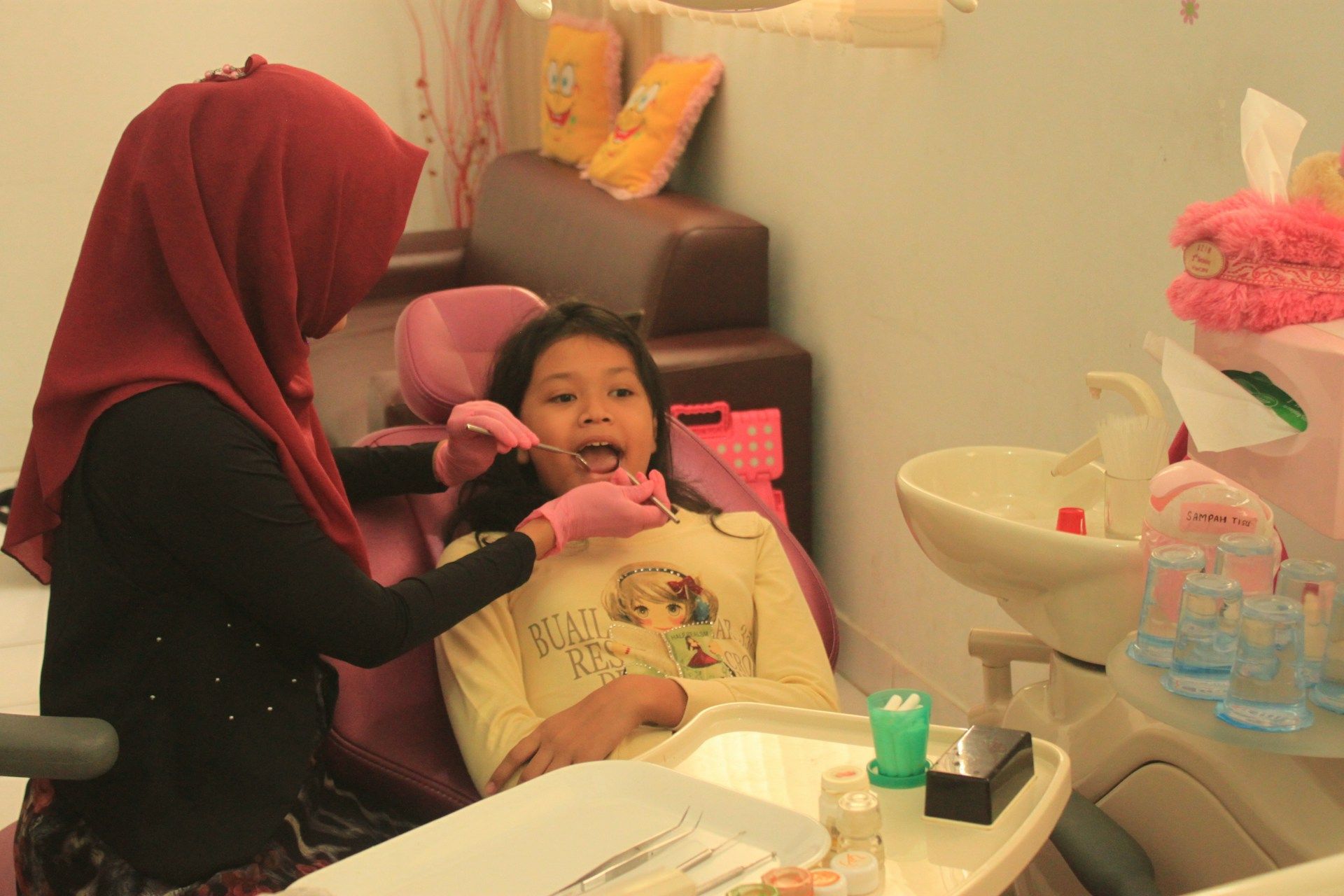
A general dentist might offer family appointments, but only those with pediatric experience know how to manage young patients effectively. Kids need professionals who understand child psychology, behavior management, and emotional reassurance. Dentists trained to work with children know how to keep them engaged while delivering care. They often use smaller instruments, speak in simpler terms, and explain each step with patience. A child-friendly approach makes the difference between fear and trust.
You may want to visit the office before making an appointment. Look for signs the staff enjoys working with kids. Ask if they use tell-show-do methods or distraction techniques like music or cartoons. Observe how the waiting area feels. A welcoming, colorful environment signals thoughtful design for young patients.
Office Atmosphere Should Match Your Child's Needs
Each child has different levels of anxiety and different responses to new experiences. While some feel fine sitting in a standard dental chair, others need additional reassurance or calming techniques. A good pediatric dental office adapts to the child’s comfort level without judgment. That flexibility goes a long way in building confidence.
Look for cues in how the staff communicates with your child. Do they crouch to eye level? Do they smile and speak in warm tones? Do they invite questions and explain tools or noises in a fun way? An observant parent can gauge the energy and decide if the office suits their child’s needs.
Referrals Can Help Build Your Shortlist
You likely know other parents navigating the same decisions. Ask for recommendations based on experience, not just location. Try to gather insights from multiple people whose kids vary in age and personality. This provides a broader perspective on how the dentist adapts care to individual children.
When a trusted parent shares a positive story, it holds more weight than a generic online review. You may find out whether the office offers longer appointment times, emergency care, or patient education that fits your values. Your pediatrician or school nurse may also suggest options if you’re new to the area.
Look for Clear Communication With Parents
A strong pediatric dentist communicates not just with the child but with the caregiver, too. They explain treatment plans, describe tooth development stages, and answer questions thoroughly. You should feel informed about what happens during each visit, what to expect as your child grows, and how to care for teeth at home.
Ask about the dentist’s approach to fluoride use, sealants, X-rays, and cavity treatment. The best professionals explain benefits and risks in clear language, helping you make informed decisions. Trust builds when parents feel respected and heard.
Understand Insurance and Scheduling Options
Dental care must also fit your schedule and budget. While quality matters most, access and convenience help families stay on track. Inquire about insurance acceptance, payment plans, and how far out appointments book. Some pediatric offices offer weekend hours or school-day flexibility. These perks make preventive care easier to prioritize.
If you’re balancing care for multiple kids, look for an office that accommodates sibling appointments. Ask how they manage running late or rescheduling. A parent-friendly office builds systems around your life.
Choose a Dentist Who Emphasizes Prevention
Dentists who emphasize prevention rather than just treatment help parents and kids stay ahead of common issues. This includes advice on brushing technique, nutrition, thumb sucking, pacifier use, and sports mouthguards. Preventive conversations empower families and reduce costly problems later.
Many offices use charts, games, or fun rewards to help kids participate in their own care. That positive reinforcement sets the stage for lifelong oral hygiene habits.
Explore the Benefits of Specialized Care
Parents in larger cities often have access to clinics focused solely on children’s oral health. These facilities offer advanced care, fun décor, and extra amenities that ease the dental visit.
If your child needs orthodontic monitoring, cavity management, or sedation options, a specialized pediatric practice may be the right choice. And you may find an expert like a Manhattan childrens dentist that blends professional expertise with a lighthearted setting. That environment fosters a healthy relationship with dental care. Families benefit when children associate appointments with encouragement, not fear. Early positive experiences shape attitudes that last into adulthood.
Prepare Kids for Success at the Dentist
Before the first visit, read picture books about going to the dentist or play pretend with stuffed animals. These small steps build familiarity with tools and routines. Avoid using words like pain or shot. Instead, talk about counting teeth or polishing smiles. Your tone sets expectations.
Make the first appointment simple and short. Use a calm, supportive voice and praise cooperation. Let the child bring a favorite toy for comfort. These actions reduce nerves and help your child feel in control.
Some kids cry or resist the first visit. That’s normal. What matters more is how the dentist and parent respond. Stay calm and reassuring.
Plan for Growth and Changes
Your child’s dental needs evolve with age. From baby teeth to braces, the right provider grows alongside your family. As permanent teeth emerge, dentists monitor spacing and alignment. They track developmental milestones and advise on any red flags. Planning ahead gives you more treatment options and smoother outcomes.
Your chosen dentist should guide this process with clarity and compassion. They’ll alert you to orthodontic needs, suggest habits to support enamel strength, and provide tips on hygiene during puberty. Long-term trust allows for thoughtful, tailored care.
Consistency Helps Kids Thrive
Children benefit from seeing the same faces and returning to a familiar office. That consistency builds trust and makes dental visits feel routine. It also improves communication between the provider and your family. When the dentist knows your child’s history, they notice subtle changes and address concerns quickly.
Each successful visit reinforces the habit. With time, appointments become easier and more efficient. Your child understands what to expect and takes pride in caring for their teeth.
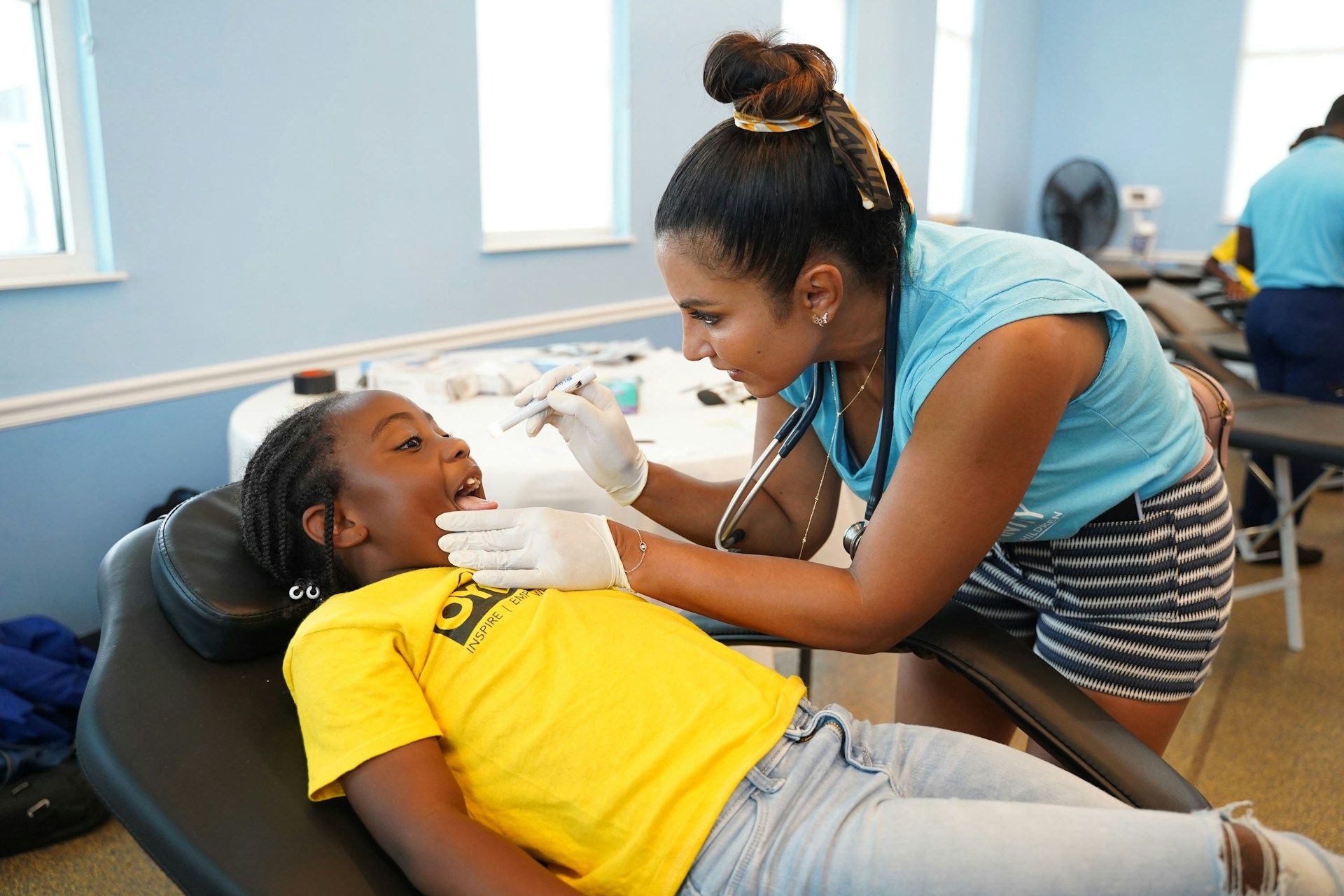
The right pediatric dentist does more than fill cavities. They shape your child’s perception of healthcare. They influence confidence, build knowledge, and protect long-term oral health. When families take the time to find a provider that blends professionalism with warmth, everyone benefits. Invest in a dentist who treats your child as an individual, listens to your concerns, and communicates with clarity. That connection lays the foundation for a lifetime of positive dental habits.


