


Markets & Investing, Trading Strategies & Tech
Master the Market: Your Ultimate Trading Stock Simulator Guide
29 Mar 2026

Thinking about trading stocks but worried about losing real money? That’s totally understandable. It’s like wanting to learn to ride a bike without falling off. Luckily, there’s a way to get a feel for the market without actually risking your paycheck. We’re talking about a trading stock simulator. It’s a digital playground where you can practice buying and selling, test out different ideas, and get a sense of how things work. This guide will walk you through why these simulators are so useful and how to get the most out of them.
Key Takeaways
- A trading stock simulator lets you test trading strategies and learn market basics without losing actual money, which is a huge plus for beginners.
- Choosing the right trading stock simulator depends on what you want to achieve, whether it’s competing, mastering technical analysis, or just getting started.
- Realistic simulators include things like transaction costs and how company actions affect stock prices, making your practice feel more like the real deal.
- To really learn, you need to use the educational parts of the simulator, practice managing your money carefully, and get used to how markets change quickly.
- Moving from a simulator to real trading involves picking a good broker, keeping track of how you do, and understanding the difference between practice and putting actual cash on the line.
Understanding the Power of a Trading Stock Simulator
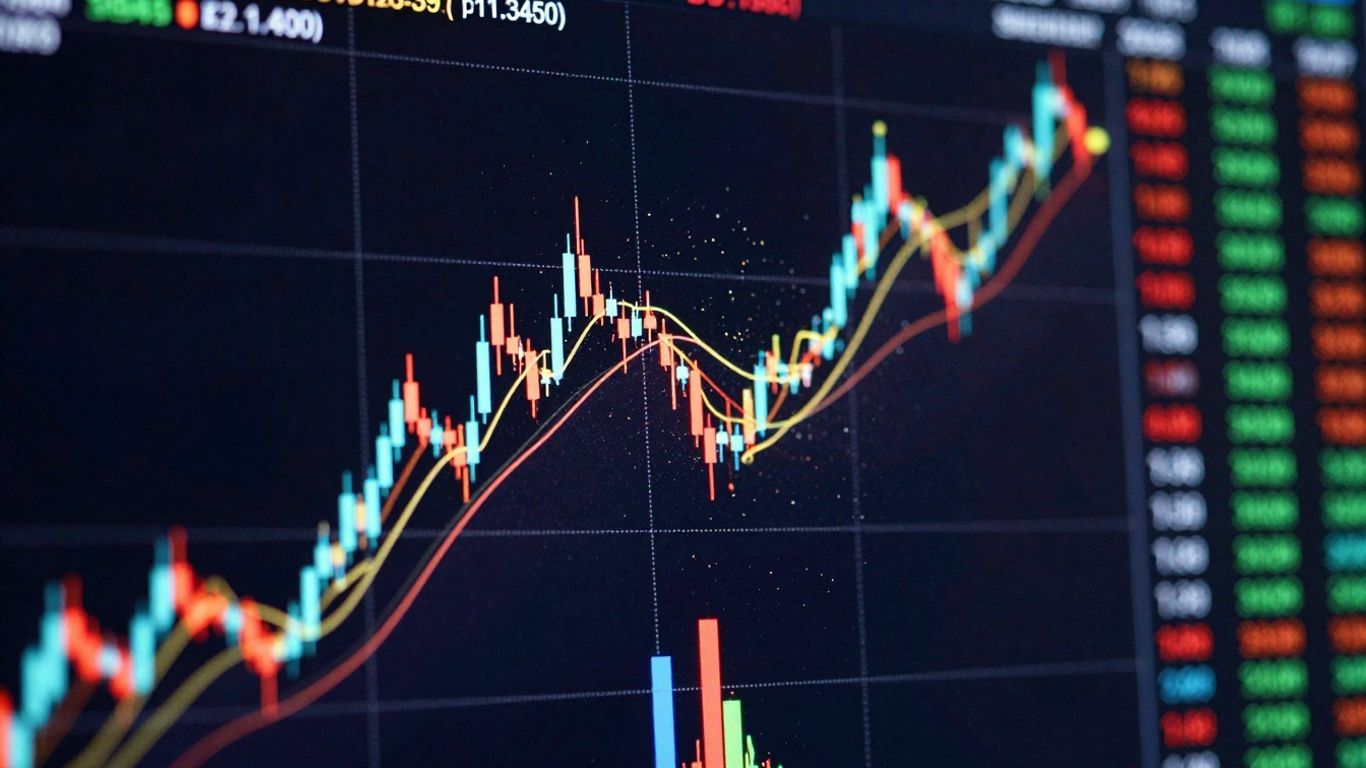
So, you’re thinking about jumping into the stock market? That’s cool, but let’s be real, diving in headfirst with your actual cash can feel like walking a tightrope without a net. This is where a trading stock simulator, sometimes called paper trading, really shines. It’s basically a practice ground, a sandbox where you can play around with buying and selling stocks using fake money, but with real market data. Think of it as a dress rehearsal before the big show.
Strategy Validation Without Insolvency
This is probably the biggest win. In the real market, trying out a risky strategy could mean losing a chunk of your savings, or worse, your whole account. With a simulator, you can test out aggressive moves, like short selling a stock you think is going to tank, or using options, without any real financial consequence. If your strategy blows up in the simulator, you learn from it without going broke. It’s like learning to ride a bike with training wheels – you can fall, but you won’t get seriously hurt.
You can experiment with different trading styles, from day trading to long-term investing, and see what fits your personality and risk tolerance best. It’s a safe space to make mistakes and learn from them.
Grasping Core Market Mechanics
Ever get confused between a market order and a limit order? A market order buys or sells immediately at whatever the current price is. A limit order only executes when the price hits a specific level you set. In a fast-moving market, using a market order when you meant to use a limit order could cost you a lot more than you expected. A simulator lets you mess up these basic functions safely. You’ll quickly see how market volatility can affect your execution price, a lesson that’s way better learned with virtual cash than real dollars.
Here’s a quick look at order types:
- Market Order: Executes immediately at the best available price. Good for speed, risky in volatile markets.
- Limit Order: Executes only at your specified price or better. Good for price control, might not execute if the market doesn’t reach your price.
- Stop-Loss Order: Automatically sells a security when it reaches a certain price to limit potential losses. Protects your capital.
Developing Emotional Resilience
Okay, this is where simulators have their limits. While they can help you practice sticking to a plan and not panicking when a trade goes against you, they can’t fully replicate the gut-wrenching feeling of losing actual money. That said, practicing discipline in a simulator is still super important. You can work on setting your stop-losses and sticking to your trading rules, even when the virtual numbers are red. The goal is to build good habits that carry over when real money is on the line. Over time, this practice can help you become a more level-headed trader, less likely to make impulsive decisions driven by fear or greed.
Choosing the Right Trading Stock Simulator for Your Goals

So, you’ve decided to get serious about trading, and you’re looking at simulators. That’s smart. But not all simulators are created equal, and picking the wrong one can actually set you back. It’s like trying to train for a marathon using only a stationary bike – it’s not quite the same thing, right?
Ideal Platforms for Competitive Traders
If you’re the type who thrives on competition and wants to see how you stack up against others, you’ll want a simulator that offers leaderboards, trading challenges, and maybe even simulated tournaments. These platforms often have a more robust community aspect, allowing you to see what other traders are doing and learn from their successes and failures. Some platforms even offer simulated capital that can be scaled up significantly, mimicking the environment of prop trading firms. This is where you can really test your mettle under pressure, seeing if your strategies hold up when the stakes feel higher, even if it’s just virtual money.
- Leaderboards: See how your performance ranks against other users.
- Trading Challenges: Participate in timed events with specific goals.
- Community Features: Connect with other traders, share ideas, and get feedback.
- Large Simulated Capital: Practice with amounts that mirror professional trading accounts.
For competitive traders, the simulator isn’t just a learning tool; it’s a proving ground. The goal is to develop a repeatable edge that can perform under scrutiny, not just to make a few lucky trades.
Simulators for Technical Analysis Mastery
If your focus is on mastering technical analysis – charting, indicators, patterns – you need a simulator that provides advanced charting tools and a wide range of indicators. Look for platforms that allow you to customize your charts, draw trendlines, and apply multiple indicators without lag. Some simulators even offer replay features, letting you go back in time and practice identifying patterns and executing trades based on historical data. This is invaluable for honing your ability to read the market’s visual language.
- Advanced Charting Tools: Access to various chart types (candlestick, bar, line) and drawing tools.
- Wide Range of Indicators: Availability of popular indicators like MACD, RSI, Bollinger Bands, and volume profiles.
- Market Replay Functionality: Ability to review past market action and practice trade execution.
- Customization Options: Tailor your charting environment to your specific analytical needs.
Beginner-Friendly Trading Stock Simulators
For those just starting out, simplicity and education are key. You want a simulator that’s easy to set up and use, with clear instructions and plenty of educational resources. Look for platforms that offer guided tutorials, explain trading concepts in plain language, and perhaps even have a built-in stock screener to help you find potential trades. The best beginner simulators focus on teaching the basics of order entry, risk management, and understanding market movements without overwhelming you with complex features. The primary goal here is to build confidence and a solid foundation.
- Intuitive Interface: Easy to navigate and understand, even for complete novices.
- Educational Content: Integrated lessons, articles, or videos explaining trading concepts.
- Guided Tutorials: Step-by-step guidance on how to use the platform and make trades.
- Simplified Trading Options: Focus on core order types and basic risk management.
When choosing, think about what you want to achieve. Are you aiming to compete, refine your technical skills, or just get a feel for the market? Your answer will point you toward the simulator that best fits your current stage and future ambitions.
Key Features of a Realistic Trading Stock Simulator
When you’re picking out a stock market simulator, it’s easy to get caught up in the virtual cash and high scores. But what really separates a fun game from a tool that actually prepares you for the real market? It comes down to how closely it mimics the actual trading experience. A good simulator doesn’t just let you buy and sell; it throws some of the same curveballs you’d face with real money on the line.
Liquidity and Volume Constraints
Ever tried to sell a huge chunk of a really obscure stock in the real world? It’s not always as simple as clicking a button. Sometimes, there just aren’t enough buyers around at that moment. A simulator that’s actually realistic will show you this. It means you might not get the exact price you saw on your screen when you try to sell a large amount, especially with less popular stocks. This difference between the expected price and the actual execution price is called slippage, and it’s a big deal in actual trading.
- Penny Stocks: Trying to offload thousands of shares of a low-priced stock? You might find buyers are scarce.
- Large Orders: Even with more established companies, trying to buy or sell a massive quantity can affect the price.
- Market Impact: Your own trades can influence the price, especially in less active markets.
Incorporating Transaction Costs and Fees
Imagine playing a game where every trade is completely free. Sounds great, right? Well, that’s not how the real stock market works. Every time you buy or sell, there are costs involved. These can include:
- Brokerage Commissions: Some brokers charge a fee for each trade you make.
- Spreads: The difference between the price you can buy a stock for and the price you can sell it for.
- Taxes: Depending on where you are and what you trade, there might be taxes on your transactions.
A simulator that includes these costs makes your virtual profits and losses much more like what you’d see in reality. It teaches you to think about the cost of doing business, not just the potential gains.
A simulator that ignores transaction costs is like a race car game that doesn’t factor in fuel consumption. You might win the race in the game, but you’d be completely unprepared for the real demands of endurance.
Handling Corporate Actions and Dividends
What happens if a company you’ve invested in decides to split its stock, or if it pays out profits to its shareholders (dividends)? These events are a normal part of investing, especially if you plan to hold stocks for a while. A good simulator will account for these. If a company issues a dividend, your virtual account should get credited. If there’s a stock split, your share count and price should adjust accordingly. Ignoring these details means you’re missing out on a big part of how wealth grows over time through investing.
Maximizing Your Learning with a Trading Stock Simulator
So you’ve picked out a simulator, maybe even made a few trades. That’s great! But just playing around isn’t going to cut it if you’re serious about getting better. Think of the simulator as your personal gym for trading. You wouldn’t just wander around a gym, right? You’d have a plan. Same here.
Leveraging Educational Resources
Most simulators aren’t just blank screens. They often come packed with lessons, tutorials, and articles. Don’t skip these! They’re usually designed to explain the basics or introduce more complex ideas you might not have thought of. It’s like having a coach right there with you.
- Start with the basics: If you’re new, make sure you understand terms like ‘bid’, ‘ask’, ‘volume’, and ‘spread’.
- Explore strategy guides: Many simulators have built-in guides for different trading styles, like day trading or swing trading.
- Watch market analysis videos: Some platforms offer video content that breaks down how to read charts or understand economic news.
The real value isn’t just in the virtual trades you make, but in the knowledge you absorb along the way. Treat the simulator’s educational tools as seriously as you treat the trading itself.
Practicing Risk Management Techniques
This is huge. You can make a million virtual dollars, but if you’re not managing risk, you’ll likely lose it all in real trading. Simulators let you experiment with different ways to protect your capital.
- Setting Stop-Loss Orders: Practice placing stop-loss orders on every trade. See how different levels affect your potential losses.
- Position Sizing: Learn to calculate how much of your virtual capital to allocate to a single trade. A common rule is not to risk more than 1-2% of your capital per trade.
- Using Take-Profit Orders: Just as important as stopping losses is knowing when to take profits. Practice setting realistic profit targets.
Adapting to Market Volatility
Markets aren’t always smooth sailing. They can get choppy, with prices swinging wildly. A simulator lets you experience these wild rides without the actual financial pain. You can see how your strategies hold up when things get crazy.
- Simulate different market conditions: Try trading during simulated news events or periods of high volume.
- Observe price action: Pay attention to how prices move during volatile times. Are they forming patterns? Are they just random?
- Adjust your approach: See if you need to widen your stop-losses or take smaller positions when the market is unpredictable.
By actively using these features, you’re not just playing a game; you’re building the habits and understanding that will serve you well when real money is on the line.
Transitioning from Simulation to Real-World Trading
Alright, so you’ve spent a good chunk of time in the simulator, feeling like a trading rockstar. You’ve made virtual fortunes, dodged imaginary crashes, and your simulated portfolio is looking pretty sweet. But here’s the thing: the real market hits different. It’s time to talk about making that jump from pretend money to actual cash.
Evaluating Broker Platforms
Before you even think about placing a real trade, you need a solid place to do it. This means picking a broker. Think of it like choosing a reliable car before a long road trip. You don’t want to be stuck on the side of the highway because your ride broke down, right? Many brokers offer demo accounts, which are basically simulators tied to their actual trading platform. Use these! It’s a low-stakes way to get a feel for how their system works. Check out the order execution speed – does it feel snappy or sluggish? How’s the charting software? Is it easy to find what you need when the market’s moving fast? Don’t just pick the first one you see; do a little digging.
- Test order entry and exit speeds.
- Explore the charting tools and customization options.
- Check for any hidden fees or account minimums.
- See how responsive their customer support is.
The transition isn’t just about learning new software; it’s about getting comfortable with the real-time pressures and quirks of a live environment before significant capital is involved.
Tracking Performance for Continuous Improvement
Your simulator probably gave you a bunch of stats, right? Win rates, profit factors, average gains and losses. That’s great, but it’s only half the story. When you move to live trading, you need to keep that tracking going, and maybe even get more detailed. You want to see not just if you’re making money, but why. Are your winning trades following your plan? Are your losing trades happening for predictable reasons, or are they random mistakes?
Here’s a quick look at what to monitor:
| Metric | Simulator Goal | Live Trading Focus |
|---|---|---|
| Win Rate | High | Consistency; understanding why trades win/lose |
| Average Gain/Loss | Favorable | Risk/reward ratio; impact of position sizing |
| Max Drawdown | Low | Emotional control; adherence to stop-loss rules |
| Trade Frequency | As planned | Avoiding impulsive trades; sticking to strategy |
Bridging the Gap Between Theory and Practice
This is where the rubber meets the road. You’ve learned the theory, you’ve practiced the moves, but now you’re actually playing the game. The biggest hurdle is often psychological – dealing with the real fear of losing money and the real excitement of making it. A simulator can’t perfectly replicate that gut-punch feeling of a losing trade or the rush of a big win. Start small. Seriously, trade with an amount of money you can afford to lose without losing sleep. This lets you experience the emotional side of trading without risking your rent money. It’s about building that mental toughness, one small trade at a time. You’ll find that sticking to your trading plan when real money is on the line is a whole different ballgame than when it’s just virtual numbers on a screen.
Your Next Steps in the Market
So, we’ve gone through what these trading simulators are all about and how they can help you get a feel for the market without actually losing your hard-earned cash. It’s like practicing a sport before the big game – you learn the moves, understand the rules, and get a sense of how things work. Remember, the goal here isn’t just to rack up points in a game, but to build real knowledge. Use these tools to figure out what strategies might work for you, get comfortable with the ups and downs, and most importantly, learn to manage your money wisely. When you feel ready, you can start with small amounts in the real market, but always keep learning and practicing. This journey takes time, so be patient with yourself and keep at it.
Frequently Asked Questions
Why should I use a stock market simulator instead of just trading with real money right away?
Think of a simulator as a practice field for sports. You get to try out different plays and learn the rules without the pressure of a real game. With a simulator, you can test out trading ideas, learn how the market works, and make mistakes without losing any of your actual money. It’s a safe way to build confidence and skills before you start trading with real cash.
How closely do these simulators copy what happens in the real stock market?
Good simulators do a pretty good job of showing you what real trading is like. They use actual market prices and sometimes even include things like trading fees and how hard it can be to buy or sell certain stocks quickly. The biggest difference is that you don’t feel the real stress of losing your own money, which can make people act differently than they would in a game.
Can I really learn to be a good trader just by using a simulator?
Simulators are fantastic for learning the basics, testing strategies, and understanding how market events affect prices. They help you practice things like setting limits on how much you’re willing to lose on a trade. However, they can’t teach you how to handle the strong feelings, like fear and excitement, that come with risking real money. That part you learn by gradually moving into real trading.
What’s the best way to pick a stock market simulator?
It depends on what you want to learn! If you’re totally new, look for simulators with lots of learning materials. If you want to get good at reading charts, find one with strong charting tools. Some are great for competing with friends, while others are designed to get you ready for professional trading. Think about your main goal before you choose.
How long should I practice with a simulator before I try trading with real money?
There’s no set time, but you should feel really comfortable with how the simulator works and be able to make smart trades consistently. A good sign is when you can stick to a trading plan, manage your risks well, and show that you can make money over several months, even when the market is a bit unpredictable. It’s better to practice longer than to rush into real trading too soon.
Do stock market simulators ever include things like company news or dividends?
Yes, many good simulators try to make things as real as possible. They might show you how company news can affect stock prices, and some will even give you virtual money for dividends if you hold a stock long enough. They also often include costs like trading fees, which are a big part of real trading that some simpler games might leave out.


