
resources
Unpacking the Disadvantage of Smart City Initiatives: What You Need to Know
10 Mar 2026

We often hear a great deal about how smart cities are poised to enhance our lives, don't we? The promise is one of increased efficiency, seamless connectivity, and a host of other advancements. Yet, as with many propositions that sound almost too good to be true, there's always another perspective to consider. It's easy to be captivated by the allure of cutting-edge technology, but a more thorough discussion about the potential drawbacks of smart city initiatives is crucial. What, precisely, might we be conceding in exchange for these purported upgrades? Let’s delve into some of the less-frequently discussed issues.
Key Takeaways
- Smart cities invariably accumulate a vast amount of data, which raises significant questions regarding individual privacy. While certain data collection is essential for functions like traffic management, the extensive gathering of personal details might be unnecessary and could, in fact, lead to pervasive tracking.
- Indeed, cities that are extensively connected are inherently more vulnerable targets for cyber attackers. Should all urban systems be interlinked, a security breach in one area could cascade, disrupting numerous critical functions. Consequently, robust security must be an integral part of the design from the outset, rather than an afterthought.
- It's important to recognize that not everyone benefits equally from smart city technologies. Some segments of the population may find themselves marginalized, perhaps due to the inability to afford new devices or a lack of the requisite skills to utilize them, thereby exacerbating existing societal disparities.
- Citizens often find they have limited influence in the planning stages of smart city projects. While they might be encouraged to report issues, their substantive input on shaping the city's future direction can be quite restricted—a scenario that falls short of true democratic participation.
- The intense focus on the technology itself can sometimes cause us to overlook the broader implications. The raw materials and energy needed to power all this tech carry an undeniable environmental cost, and we may not be adequately considering the long-term impact on our planet.
Privacy Concerns in the Digital Metropolis
Smart cities, while certainly promising greater efficiency and unparalleled convenience, also usher in a substantial amount of data collection into our daily routines. Just consider it: sensors affixed to streetlights, cameras integrated into public buses, and even the applications on your smartphone are perpetually gathering information. This wealth of data can serve a myriad of purposes, from optimizing traffic flow and managing public utilities to discerning broader public health trends. The sheer magnitude of data being amassed inevitably sparks serious questions about who ultimately gains access to it and, more importantly, how it's genuinely being utilized.
The Pervasive Reach of Data Collection
It's surprisingly simple to underestimate the sheer volume of information that’s being continuously gathered. When you use public transportation, for instance, your travel patterns are likely being logged. As you navigate city streets, various cameras might be recording your movements. Even the smart devices within your home are quite probably transmitting data back to their manufacturers. This isn't necessarily indicative of malicious intent, but it unmistakably implies that a comprehensive—and perhaps unsettlingly detailed—picture of your life can be constructed over time, often without your full awareness or explicit consent.
- Location Tracking: Encompassing everything from public transit usage metrics to movement patterns captured by strategically placed street cameras.
- Behavioral Data: Information meticulously gathered from smart devices, the utilization of public services, and your myriad online interactions.
- Personal Identifiers: It's worth noting that even data that has been ostensibly anonymized can sometimes be reverse-engineered and re-linked back to specific individuals.
Balancing Public Safety with Personal Anonymity
One of the primary arguments advanced in favor of smart city technology is its potential to significantly enhance public safety. For example, surveillance cameras deployed in high-crime zones or sensors designed to detect emergencies can prove extraordinarily useful tools. However, this enhanced capability often comes at the inherent cost of increased surveillance. The genuine challenge lies in identifying and maintaining a delicate equilibrium—a middle ground where public safety is tangibly improved without transforming our urban landscapes into perpetual monitoring zones. This is undeniably a tough balance to achieve, and the precise line can often feel quite blurry.
The notion that "if you have nothing to hide, you have nothing to fear" fundamentally overlooks a critical dimension. Privacy isn't solely about concealing wrongdoing; it's about safeguarding the essential space required for individual development, for making personal choices unburdened by external judgment, and for preserving one's personal autonomy. Without this vital space, our very capacity to authentically be ourselves is undeniably diminished.
The Threat of User Profiling and Tracking
When this vast trove of data is systematically collected and centralized, it becomes alarmingly feasible to construct highly detailed profiles of individuals. This implies an understanding not merely of your physical movements, but potentially your ingrained habits, your distinct preferences, and even your political leanings. While such profiling might be ostensibly used for purposes like targeted advertising, it also opens the door to far more concerning applications—such as subtly influencing behavior or, indeed, even facilitating discrimination. The gradual accumulation of data, often willingly exchanged for convenience, means we might not even perceive the moment we've inadvertently crossed a critical privacy threshold.
Cybersecurity Vulnerabilities in Connected Cities
Smart cities, by their very design, meticulously weave together a complex and intricate tapestry of interconnected systems and an astonishing volume of data. This expansive digital infrastructure, while undoubtedly enabling remarkable efficiencies, simultaneously ushers in a multitude of cybersecurity risks that we must, without question, thoughtfully address.
The Risks of Centralized and Integrated Systems
Consider this: rather than disparate, isolated systems, smart cities typically rely on extensively integrated networks. This structural choice means that a single point of failure—or a successful breach—can trigger widespread ripple effects across multiple essential city services. When every component is intrinsically linked, a problem originating in one area can swiftly cascade into a far more significant issue. This centralization, while undeniably efficient, also presents a considerably more attractive target for those intent on causing disruption. Can you imagine a scenario where a sophisticated cyberattack could simultaneously incapacitate traffic lights, power grids, and public transit systems—all orchestrated from a remote location?
- Increased attack surface: A greater number of connected devices and interwoven systems inherently create more potential entry points for malicious actors.
- Cascading failures: A successful breach in one system often possesses the capacity to compromise others, owing to the intricate web of interdependencies.
- Concentrated impact: Centralized control systems, if compromised, can tragically lead to widespread outages affecting vital urban functions.
The very interconnectedness that renders smart cities so profoundly promising also renders them inherently vulnerable. A successful, targeted attack on just one critical component possesses the potential to cripple essential services for thousands, if not millions, of urban residents.
Protecting Against Malicious Attacks and Data Breaches
Data, without exaggeration, is the lifeblood of a smart city, yet it is also a prime target for nefarious activities. The sheer volume of information collected—ranging from traffic patterns and utility usage to, potentially, highly sensitive personal details—makes it exceptionally valuable. Should this data fall into the wrong hands, the repercussions could be severe, spanning from widespread identity theft to the complete disruption of vital public services. We've certainly witnessed examples in other sectors where major outages, such as those impacting vast cloud services, have had significant knock-on effects. It’s hardly a stretch, then, to envision similar disruptions gravely affecting critical city functions. How, then, do we truly safeguard this invaluable asset?
- Data theft: Sensitive citizen information could be unlawfully acquired and subsequently misused, leading to profound personal and societal consequences.
- Service disruption: Malicious attacks could effectively disable essential services, ranging from emergency response systems to fundamental utilities like water or power.
- Ransomware: Entire city systems could be held hostage, with attackers demanding payment for their restoration, often under tight deadlines.
Ensuring Robust Defense Mechanisms from Inception
Building security into these complex systems from the ground up is not merely advisable—it is absolutely non-negotiable. This isn't a feature you can simply patch on later, much like a routine software update. Developers and astute city planners must proactively anticipate potential threats and meticulously integrate robust defenses right from the initial design phase. This holistic approach necessitates careful consideration of elements such as strong encryption protocols, rigorous secure coding practices, and regular, comprehensive security audits. Furthermore, it crucially involves establishing clear and actionable plans for responding effectively should an attack occur, thereby minimizing both downtime and damage. The overarching objective, then, is to establish cybersecurity as a foundational, intrinsic element of smart city infrastructure, not a belated afterthought.
- Secure by design: The imperative to incorporate comprehensive security measures during the earliest planning and development stages.
- Regular updates and patching: The continuous necessity of keeping all software and systems rigorously up-to-date to promptly address and fix known vulnerabilities.
- Incident response planning: The critical process of developing and diligently practicing protocols specifically designed for effectively dealing with cyberattacks.
- Employee training: The ongoing education of city staff on paramount cybersecurity best practices, aimed at significantly preventing costly human error.
Exacerbating Societal Inequalities

Smart city initiatives, while undeniably holding the promise of greater efficiency and forward progress, regrettably often risk widening the existing disparities within society. The anticipated benefits are not always distributed equitably, and the very technology itself can inadvertently erect new barriers or make pre-existing ones even more formidable to overcome.
Unequal Distribution of Smart City Benefits
It's quite natural to assume that every resident within a city will reap the rewards of new smart technologies, but the reality is that this is seldom the case. Frequently, the development efforts are concentrated on services that primarily cater to a specific demographic, inadvertently leaving others underserved or entirely overlooked. Consider, for instance, applications designed to streamline various city services; if one lacks a smartphone or dependable internet access, they are immediately placed at a significant disadvantage. This isn't merely a matter of convenience; it can translate into missing out on absolutely essential information or critical public services. What good is a cutting-edge app if a substantial portion of the population can't even access it?
- Digital Literacy Gaps: Not everyone possesses the necessary skills to effectively utilize new technologies. Some individuals may struggle with even basic computer use, let alone navigating complex smart city applications.
- Access to Devices and Internet: Reliable internet connectivity and up-to-date devices are far from universally available. Lower-income households or those residing in less connected areas might simply lack the fundamental tools required for engagement.
- **Focus on
Citizen Engagement and Democratic Deficits
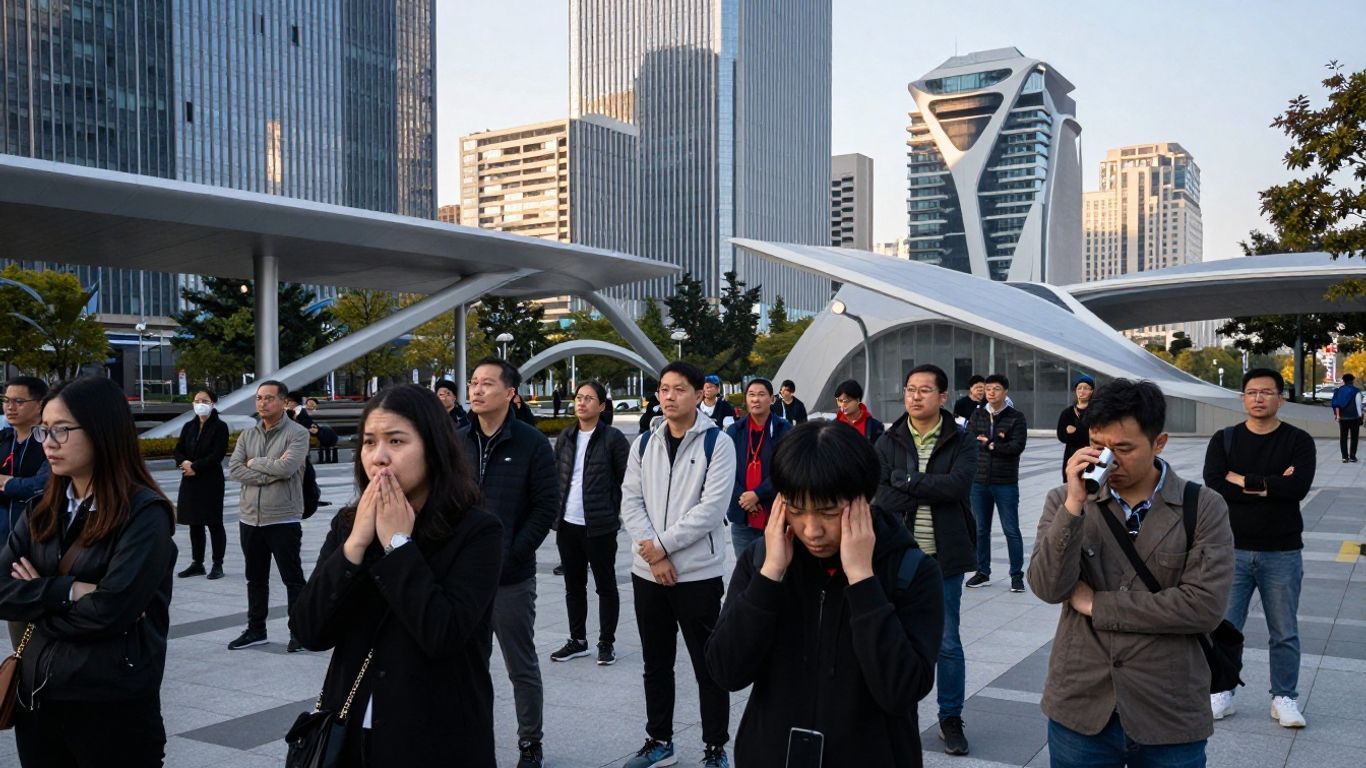
When urban centers articulate their ambition to become "smart," the conversation often zeroes in on the technology itself—the sensors, the data streams, the intricate networks. But what about the very individuals who actually inhabit these spaces? This is precisely where the situation can become rather complex. Authentic smart city progress, it must be argued, necessitates bringing residents into the conversation from the foundational stages, not merely as passive users of technology, but as active shapers and co-creators of their urban environment.
The Secondary Role of Citizens in Planning
Quite often, the manner in which smart city projects are conceptualized and subsequently rolled out leaves citizens with the distinct impression that they are merely passengers on a journey largely planned by others. Consider this scenario: you might be provided with an application to report a pothole or perhaps asked to vote on your preferred design for a new park bench. While these engagement points are certainly positive, they rarely afford citizens a genuine voice in the grander vision or overarching strategy. It's akin to being asked to select the paint color for a house that has already been meticulously constructed without any input on its fundamental floor plan—this limited involvement can inevitably foster a sense of detachment from the significant decisions that profoundly impact their daily lives.
Limited Impact of Citizen Problem-Solving
Some smart city initiatives do indeed endeavor to involve citizens in addressing urban challenges. You might encounter online platforms where people can proffer innovative ideas or even participate in local "fab labs" or maker spaces to construct tangible solutions. While these represent commendable steps in the right direction, their actual impact can often prove quite circumscribed. Typically, these activities tend to focus on relatively minor issues or those matters that do not fundamentally alter the city's operational paradigm. The genuine authority to effectuate significant, transformative changes usually remains firmly with city officials and collaborating technology companies, consequently leaving citizens with the feeling that their contributions, though appreciated, do not truly "move the needle" on major urban challenges.
Ensuring Democratic Ideals in Urban Development
So, how precisely do we ensure that smart cities are, in practice, genuinely democratic? The answer extends far beyond merely establishing a website or developing another mobile application. It mandates a sincere and unwavering commitment to incorporating a wide array of diverse voices and perspectives into the fundamental planning and decision-making processes. This means:
- Creating accessible platforms: Not every resident possesses the latest smartphone or enjoys high-speed internet access. We must devise inclusive methods for everyone, irrespective of their technological proficiency or access levels, to actively participate.
- Meaningful consultation: Moving decidedly beyond simplistic polls or suggestion boxes. This requires fostering authentic dialogue, where citizen feedback directly and demonstrably influences project design and subsequent implementation.
- Transparency in decision-making: Clearly articulating how decisions are reached and providing justifiable rationales for why particular choices are favored, especially when these choices may disproportionately affect different communities.
The insistent push for efficiency and optimization prevalent in smart cities can, at times, inadvertently overshadow the inherently messy, complex, yet undeniably vital work of democratic deliberation. When technology is presented as the singular, primary solution, it risks sidelining the crucial human element and overlooking the diverse needs and aspirations that collectively define a city's population. This trajectory can regrettably lead to urban development that benefits only a select few, rather than serving the broad interests of the many.
Ultimately, a city cannot legitimately claim to be "smart" if it doesn't intelligently—and inclusively—engage the very people who reside within its boundaries. The true objective is to construct cities that genuinely function for everyone, not merely for those most adept or comfortable with the latest technological advancements.
Ethical Scrutiny of Technological Solutions
Smart city initiatives frequently position technology as the definitive answer to a multitude of urban challenges. While it's true that technology can indeed furnish groundbreaking solutions, it remains paramount to critically examine the underlying assumptions and potential, often overlooked, downsides. An excessive reliance on purely technological fixes can, regrettably, sometimes overshadow the intricate human and social dimensions inherent in city life. Such an approach risks devising solutions that, though technically robust, prove to be socially or ethically problematic in practice.
Overemphasis on Technology and Optimization
Many smart city projects are conceived and designed with an overarching focus on efficiency and relentless optimization. The primary objective is often to streamline services, curtail operational costs, and enhance key performance metrics. However, this relentless drive for optimization can unfortunately foster a narrow perspective on urban problems, frequently ignoring nuanced complexities that don't neatly fit into data-driven models. When city services are optimized purely through the lens of efficiency, certain demographic groups may inadvertently be left behind if their specific needs are not easily quantifiable or if they do not align with the standard "user profile." This scenario can regrettably culminate in a situation where the most vulnerable populations find themselves critically underserved—a serious ethical concern, wouldn't you agree?
The Material Footprint of Smart City Infrastructure
Beyond the ethereal digital realm, smart cities possess a tangible and substantial physical presence. The extensive infrastructure demanded—including countless sensors, massive data centers, complex communication networks, and the myriad individual devices themselves—carries a significant material footprint. This encompasses the resource-intensive extraction of raw materials, energy-intensive manufacturing processes, continuous energy consumption during operation, and ultimately, their eventual disposal. The entire lifecycle of this technology thus raises critical questions concerning resource depletion, the alarming generation of waste, and the overarching environmental impact of perpetually upgrading these intricate systems. Shouldn't we, therefore, be considering the full lifecycle of these technologies, rather than focusing solely on their operational phase?
Unforeseen Environmental Consequences of Technology
While smart technologies are frequently lauded for their potential environmental benefits—such as optimizing energy usage or ameliorating traffic flow—they can simultaneously harbor unintended negative environmental consequences. For instance, the escalating demand for electricity to power vast networks of sensors and burgeoning data centers can place considerable strain on existing energy grids. Moreover, the rapid obsolescence characteristic of modern technology leads to an increasing volume of electronic waste, which often proves difficult and costly to recycle appropriately. It’s a delicate and complex balance, and sometimes the diligent pursuit of one environmental objective can inadvertently harm another vital aspect of the ecosystem. Gaining a comprehensive understanding of the full environmental picture is absolutely crucial for responsible urban development.
- Resource Consumption: The manufacturing of smart devices necessitates rare earth minerals and substantial energy inputs.
- Energy Demand: The incessant operation of sensors, expansive networks, and data centers consumes considerable amounts of electricity.
- E-Waste: The accelerated pace of technological advancement unfortunately generates immense volumes of electronic waste, presenting formidable disposal challenges.
The compelling drive to make cities 'smarter' through technological integration must be tempered with a realistic, unvarnished assessment of the physical resources consumed and the consequential waste produced. To overlook these fundamental aspects risks merely exchanging one set of environmental problems for another, potentially even more damaging, collection.
Accountability and Transparency in Governance
When we engage in discussions about smart cities, it's quite easy to become engrossed in the dazzling array of new technologies. But what happens, truly, when things inevitably go awry? Who bears the responsibility? That, precisely, is where the critical concepts of accountability and transparency become paramount. Without clearly delineated lines of responsibility and open, unfettered communication, smart city initiatives can rapidly devolve into opaque systems that are exceedingly difficult to manage and oversee.
Establishing Clear Lines of Responsibility
Consider this for a moment: a smart city ecosystem involves a multitude of diverse players—ranging from city officials and specialized tech companies to various service providers and, of course, the city's residents themselves. Should a system malfunction or a data breach regrettably occur, pinpointing precisely "who dropped the ball" can quickly become an administrative nightmare. It is absolutely essential that we know who is in charge of each specific component, particularly when private companies are deeply involved in both the construction and ongoing operation of these complex systems. It's simply not enough for a city to vaguely assert that 'the vendor is responsible.' Instead, there must be a robust and explicit agreement established upfront regarding who ultimately owns the outcomes—whether those outcomes are favorable or, indeed, adverse.
- Defining Roles: Clearly outline which specific city department or entity is fundamentally responsible for each component within the smart city framework.
- Contractual Clarity: Ensure that all contracts with private partners meticulously specify liability clauses and precise performance standards.
- Oversight Bodies: Establish independent groups or commissions tasked with monitoring the performance and overall impact of smart city projects.
The inherent complexity of modern smart city systems often means that traditional governance models might prove insufficient. We are increasingly witnessing a fundamental shift where private technology firms play an ever-larger role, which can regrettably blur the lines of who is ultimately accountable to the public.
The Importance of Open Data Practices
Transparency is, without question, the cornerstone of building and maintaining public trust. Citizens need to have clear knowledge of how their data is being collected, for what purposes it's being used, and crucially, how it's being protected. This necessitates making information genuinely accessible. It's not merely about publishing annual reports; it's about rendering the data itself available in a format that people can readily comprehend and utilize. This level of openness allows for crucial public scrutiny and can significantly aid in identifying potential problems long before they escalate into major issues.
Here's what robust open data practices should encompass:
- Data Collection: Precise details on when and where data is gathered, along with the specific conditions governing its acquisition.
- Data Usage: A clear explanation of how collected information is processed and for what defined purposes.
- Data Sharing: Transparency regarding if, and with whom, data is shared, including the explicit terms of such sharing agreements.
- Data Retention: Information on how long data is stored and the established procedures for its secure deletion.
Mechanisms for Citizen Oversight and Feedback
Smart cities are fundamentally designed and built for people; therefore, people absolutely must have a meaningful say in how these cities function and how they are governed. This implies the creation of straightforward and accessible avenues for citizens to provide feedback, report encountered issues, and even actively participate in critical decision-making processes. When residents feel genuinely heard and observe that their input truly matters, they are far more likely to enthusiastically support and engage with smart city initiatives. It's undeniably a two-way street: the city delivers services, and its citizens provide invaluable input and essential oversight.
- Public Forums: Regular meetings or readily accessible online platforms dedicated to discussing ongoing smart city projects.
- Feedback Channels: Simple, intuitive methods for residents to report problems or proactively suggest improvements.
- Review Boards: Citizen-led committees capable of reviewing project proposals and ongoing initiatives for fairness, equity, and overall impact.
Wrapping Up: Smart Cities and the Road Ahead
So, we've carefully explored how smart city concepts—replete with their sophisticated technology and vast data streams—hold the compelling promise of making our urban environments operate more smoothly and effectively. Imagine, if you will, reduced traffic congestion, more efficient public services, and perhaps even a smaller environmental footprint. Yet, as our discussion has revealed, it's certainly not all smooth sailing. We've also encountered how these very same technologies can unfortunately give rise to some profound questions concerning our personal privacy, the inherent risks of sensitive data falling into the wrong hands, and whether every resident within the city genuinely stands to benefit. It's undeniably a delicate balancing act, wouldn't you agree? The crucial element, it seems, is to advance thoughtfully and deliberately, ensuring that people are integral to all major decisions and that a vigilant eye is kept on how these transformative changes impact everyone, not just a select few. The ultimate objective, then, is to build cities that are truly smarter for all of us, rather than merely for the technology itself.
Frequently Asked Questions
What exactly is a smart city?
A smart city leverages advanced technologies, such as sensors and computer systems, to meticulously gather information and, in doing so, enhance urban living. You might envision it as endowing a city with a kind of 'brain' to manage diverse aspects like traffic flow, energy consumption, and various public services with greater fluidity and efficiency. Ultimately, the aim is to optimize cities to function more effectively for their inhabitants.
How can smart cities affect my privacy?
Smart cities, by their very design, accumulate a significant volume of data, sometimes including details about your movements and activities. While this data can be instrumental in improving urban services, it also implies that your personal information could be collected. Therefore, it is essential to be aware of what data is being gathered, the rationale behind its collection, and the protective measures in place to safeguard your privacy.
Are smart cities safe from hackers?
Given their interconnected nature, smart city systems can indeed present tempting targets for malicious hackers. If these complex systems are not adequately secured, nefarious actors could potentially disrupt vital city services or illicitly obtain sensitive information. This underscores why robust security measures are absolutely paramount and must be integrated right from the initial conceptualization and development of these technologies.
Do smart cities help everyone equally?
Regrettably, not always. Oftentimes, the advantages of smart city technologies—such as enhanced internet connectivity or improved services—do not reach all segments of the population uniformly. Individuals who cannot afford the latest devices or lack reliable internet access may find themselves marginalized. This disparity can, unfortunately, exacerbate existing socio-economic differences.
Do people get a say in how smart cities are built?
Frequently, citizens find they have a rather limited role in the fundamental planning and decision-making processes for smart city projects. While they might be invited to offer opinions at later stages, the core decisions are typically made by specialized experts and technology companies. It is crucial, however, for residents to be actively involved from the very beginning to ensure the city genuinely serves their diverse needs.
Are smart cities good for the environment?
Smart cities certainly possess the potential to benefit the environment through more efficient energy management and waste reduction. However, the technology itself requires significant materials and energy for both manufacturing and operation, which can entail its own environmental costs. It's a delicate balance to ensure that these 'smart' solutions don't inadvertently create new ecological challenges.


