
resources-malaysia
Unraveling the Mystery: What We Know About the Malaysia Missing Flight MH370
17 Nov 2025

It's been years since Malaysia Airlines flight MH370 vanished, and to be honest, the entire event remains one of the greatest aviation mysteries of our time. Back in 2014, the Boeing 777, with 239 people on board, simply disappeared from radar screens during its journey from Kuala Lumpur to Beijing. We've since been inundated with countless stories and theories, but the truth of what happened to the malaysia missing flight remains just out of reach. It’s a tragedy that has left so many questions unanswered, and it's impossible not to think of the families who are still waiting for closure.
Key Takeaways
- The final words from the cockpit of the malaysia missing flight MH370 were a calm and simple "Good Night, Malaysian Three Seven Zero," right before the aircraft fell silent and mysteriously diverted from its flight path.
- A massive, costly, and multinational search effort—spanning several years—unfortunately failed to locate the main wreckage or the plane's all-important black box recorders.
- Over time, scattered pieces of debris, confirmed to be from MH370, have washed up on distant shores, offering fragmented clues but no definitive answers about the plane's fate.
- A host of theories have been put forward to explain the malaysia missing flight's disappearance, from pilot suicide and hypoxia to sabotage, but none have ever been conclusively proven.
- The families of the passengers and crew continue their heart-wrenching quest for answers, sometimes even taking investigative steps themselves due to a perceived lack of official action.
The Final Moments Of Malaysia Missing Flight MH370
It all began with a simple, almost routine radio call. At 1:19 AM on 8 March 2014, the pilot of Malaysia Airlines Flight MH370, a Boeing 777 flying from Kuala Lumpur to Beijing, calmly said, “Good Night, Malaysian Three Seven Zero.” This would be the last verbal communication from the cockpit. What unfolded in the minutes and hours that followed is the very core of a mystery that continues to captivate and haunt the world.
The Last Transmission From The Cockpit
That last message was perfectly normal—a standard sign-off as the plane moved from one airspace to another. However, it also marked the beginning of an unnerving silence. Just before this, at 1:07 AM, the Aircraft Communications Addressing and Reporting System (ACARS), which sends vital flight data to the ground, transmitted its final message. A scheduled update 30 minutes later never came. After the pilot's final call, the flight was expected to check in with air traffic control in Ho Chi Minh City, but it never did.
Erratic Flight Path And Loss Of Contact
Just two minutes after that final good night, the plane's transponder fell silent. This device is crucial; it broadcasts the aircraft's identity, location, and altitude to radar systems. Switching it off meant MH370 effectively vanished from civilian radar. But it didn't just disappear. Military radar in both Malaysia and Thailand tracked the plane making a sharp, deliberate turn westward, flying back over the Malay Peninsula and heading towards the Andaman Sea. For several more hours, the aircraft continued its phantom flight, tracked intermittently by satellites over the vast Indian Ocean—data suggested it eventually banked south, flying for hundreds of miles before its signal was lost for good.
Unanswered Questions From The Initial Hours
The immediate aftermath was a whirlwind of confusion and contradictory reports. The sudden blackout and the plane's bizarre detour left authorities scrambling. Was it a catastrophic technical failure, a fire, or something far more sinister? Analysts have since debated whether an electrical fire could have crippled the communication systems or if they were intentionally switched off by someone on board. The complete absence of any distress signal, especially while the plane flew on for hours, only deepened the enigma. Those initial hours were a critical window, filled with events that, in hindsight, seem to have allowed the plane to slip away without a trace, leaving families and investigators with a profound sense of unease and a desperate hunger for answers.
The sequence of events in those first few hours after MH370 went off-course remains a critical part of the puzzle. The failure to communicate, followed by that erratic flight path, points towards either a deliberate act or a catastrophic onboard event that was never reported. The lack of a distress call is particularly baffling, as pilots are trained to signal an emergency under almost any circumstance.
Here's a breakdown of the communication systems that went dark:
- ACARS (Aircraft Communications Addressing and Reporting System): Sent its last message at 1:07 AM. The next scheduled update at 1:37 AM was missed.
- Radio Transmission: The final voice communication from the cockpit was recorded at around 1:19 AM.
- Transponder: Ceased transmitting at approximately 1:21 AM, effectively making the aircraft invisible to most radar tracking.
This timeline underscores the swift and methodical loss of communication, a detail that is central to understanding the plane's final, mysterious journey.
The Extensive Search For The Malaysia Missing Flight
Once MH370 disappeared from the radar, the world watched as one of the most extensive search efforts in history got underway. It was a truly massive undertaking, bringing together nations from across the globe, all determined to find answers in the vast, unforgiving ocean. The scale was simply staggering, with countless ships and aircraft scouring immense areas—but all too often, it felt like searching for a needle in a colossal haystack.
Multinational Search Efforts And High Costs
The hunt for MH370 quickly became the most expensive and complex search in aviation history. Countries like Australia, China, the United States, and many others pooled their resources, deploying advanced ships and aircraft. The initial search zones were enormous, spanning thousands of square miles of open sea. The costs ballooned into the hundreds of millions of dollars, yet tangible results were agonizingly slow to appear. It was a remarkable show of global cooperation, but the sheer size of the search area made progress incredibly difficult.
False Hopes And Discovered Debris
Throughout the long search, there were moments of fleeting hope, nearly always followed by crushing disappointment. For example, underwater listening gear picked up "pings" that were thought to be from the black box, but subsequent searches of the area turned up nothing. Then, much later, debris began to wash ashore, providing the first tangible—and heartbreaking—proof that the plane had indeed crashed. While these discoveries confirmed everyone's worst fears, they also offered crucial clues that helped narrow down the search area, even though pinpointing the main wreckage remained a monumental challenge.
Challenges In Locating The Black Box
Finding the flight recorders, colloquially known as the 'black boxes', was the number one priority. These devices hold the key to understanding what transpired in the flight's final moments. However, locating them in the deep, rugged terrain of the ocean floor proved to be an immense challenge. The technology, while advanced, had its limits against the vastness of the Indian Ocean. To make matters worse, it was later revealed that the battery for one of the black box's underwater locator beacons had expired years before the flight, drastically shortening the window for detection. This revelation added yet another layer of frustration to an already gut-wrenching situation.
Evidence Washed Ashore From The Malaysia Missing Flight
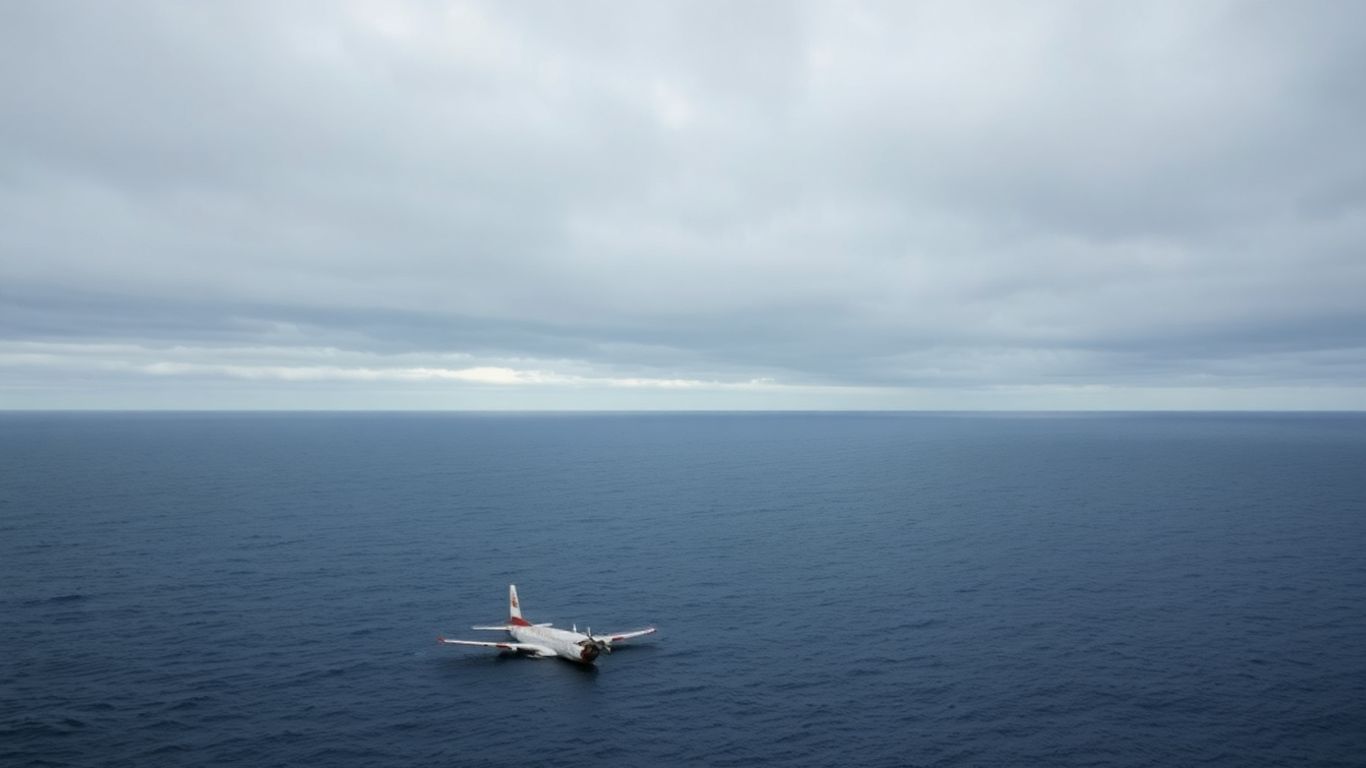
Years have passed since MH370 vanished, and for the longest time, it felt as though we might never find any physical evidence of its fate. Then, slowly but surely, pieces of the aircraft began to appear, scattered across incredible distances. It was a grim confirmation of a tragic end, but each discovery seemed to raise more questions than it answered.
Debris Found On Réunion Island
More than a year after the plane disappeared, a significant piece of wreckage washed up on the shores of Réunion Island, a French territory located far to the east of Madagascar. This was no random piece of flotsam; it was a flaperon, a component of the wing. Investigators soon confirmed it belonged to MH370. This discovery was the first concrete proof that the plane had crashed into the ocean. It was a monumental breakthrough, but also deeply puzzling, considering how far the debris was from the primary search area. How on earth did it get there? The powerful ocean currents must have carried it for thousands of kilometres.
Further Discoveries Along African Coastlines
After the Réunion find, more items started turning up along the coastlines of eastern Africa. Debris that investigators later linked to MH370 was reported in places like Tanzania, Mozambique, and Mauritius. These discoveries included a cabin panel and other parts of the plane's interior, painting a tragic picture of an aircraft that had broken apart, its remnants scattered across a vast expanse of the Indian Ocean.
Theories Hinting At Onboard Fire
Interestingly, some of the debris—particularly fragments found on the beaches of Madagascar—appeared to have scorch marks. Amateur investigators, such as Blaine Gibson, who dedicated himself to the search, collected these pieces and suggested they could point to a fire on board the aircraft. While authorities haven't officially confirmed that these specific fragments are from MH370 or that a fire was the cause, it adds another compelling layer to the mystery. Could an electrical fault have sparked a blaze? Did something ignite in the cabin? These are tantalising possibilities that continue to fuel debate.
Here’s a look at some of the key confirmed and suspected debris finds:
- Réunion Island Flaperon: Confirmed as a part of MH370.
- Tanzanian Debris: Believed to be from the horizontal stabilizer.
- Mozambique Debris: A large metal object, possibly from the fuselage.
- Mauritius Debris: A small piece of fabric and an interior panel.
- Madagascar Fragments: Suspected burnt interior panels, yet to be definitively confirmed.
The journey of these scattered pieces across the ocean is a stark reminder of the sea's immense power and vastness. Each fragment tells a silent story, but the full narrative remains elusive, lost somewhere in the deep.
Theories Surrounding The Malaysia Missing Flight Disappearance
So, what really happened to MH370? It’s the question that has kept investigators, families, and the public guessing for years. Honestly, there are plenty of ideas floating around, but the frustrating part is that none of them have been definitively proven.
Pilot Suicide And Rogue Pilot Theories
This is perhaps one of the most discussed—and controversial—theories. Attention has often focused on the captain, Zaharie Ahmed Shah, particularly after data recovered from his home flight simulator showed a plotted course deep into the southern Indian Ocean. This led many to speculate that he deliberately steered the plane to its doom. His family and friends, however, have fiercely defended him, describing him as a kind man who loved life. Without the black box, it’s just about impossible to know for sure what was happening in the cockpit.
Hypoxia And Depressurization Events
Another prominent theory suggests that a technical malfunction led to a loss of cabin pressure. If this happened, everyone on board could have lost consciousness from hypoxia within minutes. This scenario would explain why the plane continued to fly for hours on autopilot without any communication from the crew. It's a chilling thought, but it neatly accounts for the lack of distress calls and the aircraft's long, silent journey before it eventually ran out of fuel.
Electrical Failures And Sabotage
Then, of course, there's the possibility of a catastrophic electrical failure or even sabotage. Key communication systems, like the transponder, were turned off. Was this the result of a fire that destroyed the equipment, or did someone manually disable them? If it was sabotage, who was responsible and why? The fact that two Iranian men had boarded the flight using stolen passports initially raised alarms, but the possibility of a hijacking was later dismissed. It leaves a very large and troubling question mark over the whole affair.
The lack of clear communication and the plane's bizarre flight path have fuelled so many different ideas. It feels like a jigsaw puzzle with most of the pieces missing, and everyone is trying to imagine what the final picture looks like.
Here's a quick summary of the key points that fuel the debate:
- Communication Shutdown: Essential systems like the transponder and ACARS stopped transmitting signals early in the flight.
- Erratic Flight Path: The plane deviated sharply from its intended route, instead heading towards the remote southern Indian Ocean.
- No Distress Signal: Despite flying for hours after going off-course, no 'Mayday' call or any other emergency signal was ever made.
- Debris Findings: Pieces of the aircraft washing ashore have confirmed it crashed, but they don't tell us where or, more importantly, why.
It remains a true mystery, and until the main wreckage is located and examined, these theories will likely continue to be debated for years to come.
Families' Quest For Answers On The Malaysia Missing Flight
It’s hard to fathom the sheer agony of waiting, day after day, year after year, with no real answers. For the families of the 239 people on board MH370, this has been their painful reality since 8 March 2014. They've been left to piece together fragments of information, grapple with endless speculation, and endure the profound pain of unresolved grief. It is a burden no one should ever have to bear.
The Pain Of Unresolved Grief
The disappearance of MH370 tore a gaping hole in the lives of hundreds of families. Without a confirmed crash site or a definitive explanation, the grieving process becomes almost impossible. Questions like, "Was he awake? Did he suffer?" continue to haunt loved ones, as Jennifer Chong, whose husband was on the flight, has shared. This lack of closure means the pain doesn't simply fade with time; it lingers, a constant, heavy presence in their lives.
Families Taking Investigation Into Their Own Hands
Frustrated by what many perceived as official inaction and a lack of transparency, numerous families felt they had no choice but to take matters into their own hands. Some have dedicated countless hours to poring over technical reports, analysing satellite data, and even organising their own search expeditions. For instance, a group of next of kin, or 'NOKs' as they refer to themselves, pooled their own money for a trip to the African coastlines where debris had been washing up. This self-funded effort, driven by a desperate need for answers, actually led to the discovery of several potential MH370 fragments.
The Importance Of Finding The Wreckage
For these families, finding the wreckage is about more than just personal closure—it’s about preventing future tragedies. They firmly believe that locating the main body of the aircraft is the only way to truly understand what went wrong. This knowledge could reveal critical design flaws, operational errors, or other vital details that could help ensure such a devastating event never happens again. As KS Narendran, whose wife was on the plane, put it, "If the mystery of MH370 is not solved, it could happen again." The hope is that uncovering the truth will not only bring a measure of peace but also enhance safety for all future travellers.
The relentless search for answers highlights a profound human need for closure and accountability. When official channels seem to falter, it is often individuals, driven by personal loss and a yearning for justice, who step up. The case of MH370 is a stark reminder of the deep emotional and practical toll that unresolved mysteries inflict on families.
Failures And Controversies In The Malaysia Missing Flight Investigation

The disappearance of MH370 wasn't just a baffling tragedy; it also became a case study in how not to manage a crisis. From the very beginning, the response was marred by a cascade of missteps and poor communication that only served to deepen the mystery and frustrate everyone involved—especially the victims' families.
Accusations Against Malaysia Airlines
Some very serious claims have been levelled at Malaysia Airlines regarding its actions in the initial hours. A significant accusation is that the airline was not fully compliant with its own safety regulations. Auditors had reportedly flagged that the long-haul fleet, MH370 included, was not transmitting flight data as frequently as it should have been. Some reports even suggest that MH370 should not have been cleared for take-off because its position wasn't being reported more often than every 30 minutes. This raises uncomfortable questions about the airline's oversight. The airline's handling of information in those critical first hours has been heavily criticised, with claims that incorrect data led to lost opportunities to track the plane.
Government Reluctance And Misinformation
The Malaysian government also faced a barrage of criticism. Families reported a distinct reluctance from officials to engage with them directly, with many emails and calls going unanswered. There's also the troubling issue of debris found on African coastlines that was reportedly not collected with any sense of urgency. This perceived lack of action and transparency from the government only added to the families' distress and fuelled speculation about what might have been withheld or mishandled.
The Impact Of Unanswered Questions
It’s impossible to overstate the pain caused by the lack of definitive answers. The constant churn of unproven theories and the failure to locate the main wreckage or the black boxes have left the families trapped in a perpetual state of uncertainty. This unresolved grief is a heavy burden to carry, and the ongoing questions about the fate of their loved ones continue to haunt them. For many, the hope that finding the wreckage might finally bring some measure of closure remains a powerful, driving force.
The initial hours after MH370 vanished were marked by a confusing mix of conflicting reports and false alarms. Families anxiously waiting for news were subjected to a torrent of rumours and shocks, making an already unbearable situation even more agonising. This period is often cited as a major failure in crisis management.
Here’s a look at some of the key issues that have been raised:
- Communication System Failures: The Aircraft Communications Addressing and Reporting System (ACARS) stopped transmitting at 1:07 AM, with a scheduled update never sent. Shortly after, the plane's transponder—a vital radar system—also went silent.
- Incorrect Tracking Data: There are claims that the airline relied on projected flight paths instead of actual radar data in the initial hours, causing them to believe the plane was in a different location than it actually was.
- Delayed Debris Collection: Reports have indicated that debris found on coastlines, potentially from MH370, was not collected or investigated with sufficient speed by the relevant authorities.
This entire situation has been a difficult chapter for Malaysia and the world, and the lingering questions continue to be a source of pain for everyone connected to the disappearance of Malaysia Airlines flight 370.
The Lingering Questions
So, where does that leave us after all this time? The disappearance of MH370 remains a deeply unsettling puzzle. Despite one of the largest search efforts in history and countless hours of analysis, the plane and the 239 people on board are still missing. The families are left with a grief that has no end, and the world is left with a stark reminder of just how much we still don't know about our own skies. While some debris has surfaced, offering small, grim clues, the big answers—why this happened and where the main wreckage lies—are still lost to the ocean. It’s a story marked by confusion, frustration, and a profound sense of loss, leaving us all to wonder if we’ll ever truly know what happened on that fateful night.
Frequently Asked Questions
What was the last thing heard from MH370?
The final words from the cockpit of MH370 were "Good Night, Malaysian Three Seven Zero." This was a routine sign-off to Malaysian air traffic control, but it turned out to be the last communication anyone ever received from the plane.
When did MH370 disappear, and where was it going?
Malaysia Airlines flight MH370 went missing on 8 March 2014. It was flying from Kuala Lumpur, Malaysia, to Beijing, China, with 239 passengers and crew on board.
What happened to the plane after its last transmission?
Shortly after the final radio call, the plane veered dramatically off its planned route. It continued to fly for about seven more hours, and investigators believe it ultimately crashed into the southern Indian Ocean. Crucially, no distress signal was ever sent.
What evidence has been found so far?
Several pieces of debris confirmed or believed to be from MH370 have washed up on islands and coastlines in the western Indian Ocean, including Réunion Island and parts of the African coast. These findings confirm the plane went down, but not its exact location.
What are some of the main theories about why MH370 disappeared?
The leading theories include a deliberate act by the pilot, a sudden loss of oxygen (hypoxia) that incapacitated everyone on board, a catastrophic technical failure like a fire, or even an act of sabotage. Without the main wreckage and the black boxes, none of these can be proven.
Why is it so important to find the wreckage?
Finding the main wreckage, especially the flight data and cockpit voice recorders (the 'black boxes'), could provide definitive answers about what happened. This information is vital for understanding the cause, preventing similar tragedies in the future, and finally giving the families the closure they deserve.


