


resources
Unveiling the Most Populous Cities of New York: A 2026 Ranking
13 Mar 2026

Thinking about the biggest cities in New York and their projected population trajectories for 2026? This is, indeed, a fascinating subject. We'll delve into the factors driving growth in these urban centers, explore prevailing discussions surrounding them, and examine how they stack up against other major global cities. It’s not merely about deciphering statistics; it’s about grasping the very pulse of these vibrant metropolitan areas and understanding what makes them thrive. Join us as we explore what the data reveals about New York's prominent cities by population.
Key Takeaways
- New York City's immense metropolitan population, projected to reach approximately 19.9 million by 2026, is propelled by robust economic opportunities in finance and technology, alongside its unparalleled cultural attractions and entertainment offerings.
- Urban development remains a persistent focus, with ongoing housing initiatives and infrastructure enhancements—including vital airport and transit upgrades—designed to support growth and elevate residents' quality of life.
- The housing market continues to exhibit high demand, evidenced by sustained new construction and even the innovative conversion of older office buildings into residential units to address burgeoning needs.
- Tourism plays a pivotal role, drawing visitors who significantly boost the local economy and contribute to the city's dynamic cultural scene.
- New York City consistently maintains its status as a top global city, distinguished not only by its substantial population but also by its significant economic output and far-reaching influence, even as it navigates complex challenges such as housing costs and infrastructure demands.
New York's Metropolitan Population Landscape
Projected Population Figures for 2026
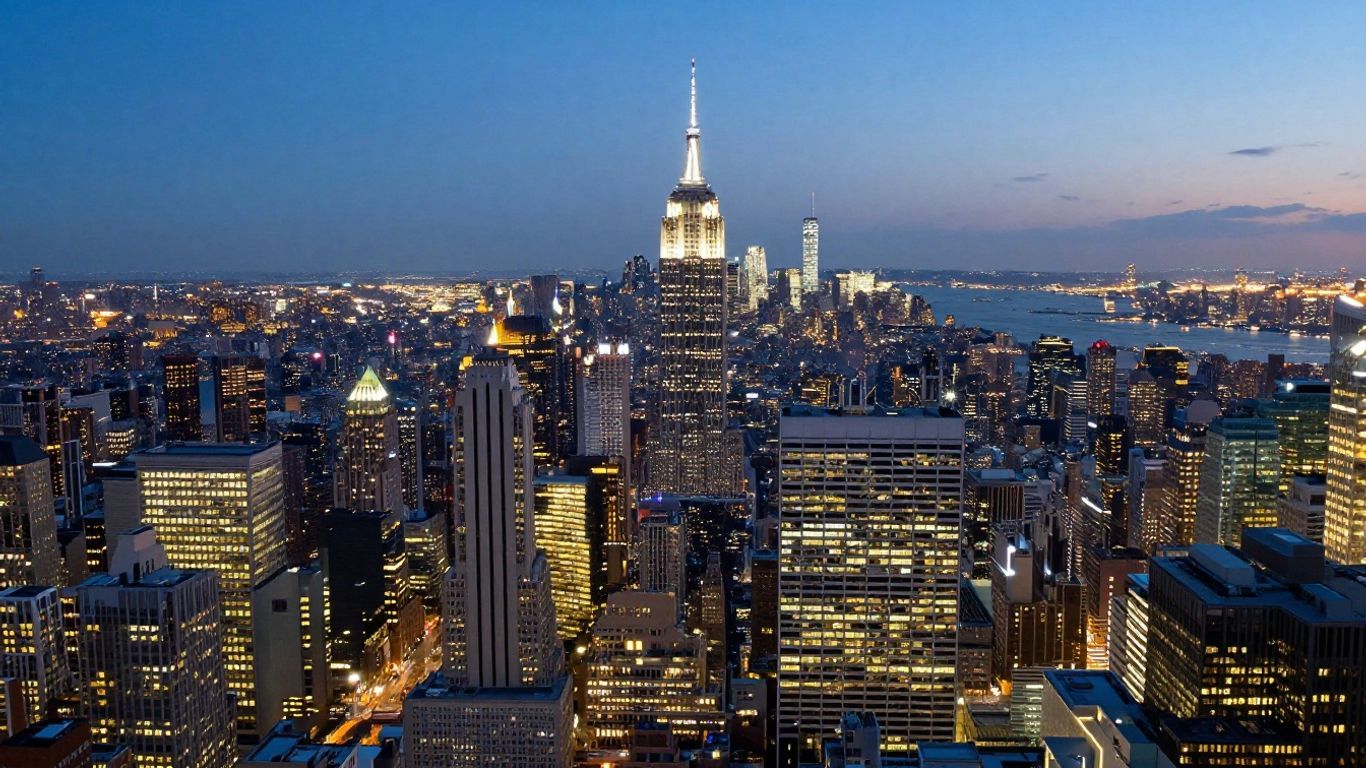
New York's metropolitan area persists as a significant demographic magnet, continually attracting individuals from across the globe. By early 2026, projections indicate approximately 19.9 million people will call this expansive region home. This figure transcends a mere statistic; it represents a vast, intricate tapestry of diverse communities, economies, and cultures, all coexisting and contributing within one of the world's most renowned urban landscapes. The sheer magnitude of this populace ensures the city must perpetually adapt to the evolving needs of its residents – a challenging, yet ongoing, endeavor.
Key Demographics and Growth Drivers
The population dynamics here are fundamentally shaped by several core elements:
- International Migration: The arrival of individuals from other nations has consistently been a foundational aspect of New York's growth.
- Domestic Movement: Migration from other parts of the United States also plays a substantial role in population expansion.
- Natural Increase: While births generally outnumber deaths, contributing to population growth, this factor is comparatively minor when juxtaposed with migration.
These contributing factors coalesce to create a vibrant and perpetually evolving demographic landscape. Indeed, the city's robust economy and the myriad opportunities it presents serve as the primary motivators for individuals choosing to relocate here.
The uninterrupted influx of people, both from abroad and within the country, alongside natural growth, sustains New York's vibrant and expanding population. It’s an intricate interplay that profoundly defines the city's distinctive character.
Population Metrics and Global Comparisons
Examining New York's population numbers, one finds it consistently positions itself among the most populated metropolitan areas globally. This immense scale is an unequivocal indicator of its lasting appeal and its undeniable importance on the world stage. Doesn't the city's remarkable ability to attract and sustain such a vast number of people attest profoundly to its economic strength and its enduring status as a preeminent global center?
Urban Development Shaping New York's Future
New York's iconic skyline is in a constant state of flux, and much of this dynamism is intrinsically linked to how the city is growing and adapting. More than merely expanding its physical footprint, the focus is on building smarter and, crucially, enhancing the overall livability for all its inhabitants.
Housing Initiatives and Residential Expansion
Finding a suitable place to live in New York has historically presented a significant hurdle, one which the city is actively endeavoring to mitigate. There's a concerted effort to create more housing—not only through the construction of new apartment buildings but also by strategically repurposing existing office spaces. Some of these older commercial edifices are undergoing conversion into residential units, which notably contributes to injecting greater residential vibrancy into locales that might have previously been predominantly business-focused during daylight hours. This innovative approach also helps foster round-the-clock vitality in these neighborhoods.
- New construction projects are adding more housing units.
- Office-to-residential conversions are becoming more common.
- Rezoning efforts aim to allow for more diverse housing types.
Infrastructure Investments and Connectivity
To support its burgeoning population, New York is channeling substantial investment into its foundational infrastructure. This commitment translates to upgrading transportation systems, improving key airports, and ensuring the commensurate evolution of essential utilities. Consider, for instance, the extensive revitalization initiatives underway at JFK Airport – they are designed to streamline ingress and egress for travelers. Similarly, the subway system is receiving considerable focus, with upgrades geared towards bolstering its reliability and expanding accessibility for a wider populace.
| Project Area | Investment Focus |
|---|---|
| Transportation | Signal modernization, accessibility, new routes |
| Housing | Office conversions, new developments, rezoning |
| Infrastructure | Airport expansion, climate-resilient design |
| Economic Development | Low-carbon projects, tech and media sector support |
Sustainable Waterfront Projects
New York is also increasingly turning its attention to its extensive waterfronts for novel opportunities. Projects along the rivers transcend the mere creation of new recreational green spaces; they are also fundamentally about fortifying these vital areas against the impacts of climate change. This involves erecting enhanced protective measures against rising sea levels and extreme weather events, all while simultaneously creating appealing zones for both residential and leisure pursuits. It's a strategic way to optimize the utilization of existing urban real estate while simultaneously fostering a greener cityscape.
The city's comprehensive developmental ethos underscores a profound commitment to improving living conditions and fostering more sustainable neighborhoods. This crucially includes proactive climate change adaptation strategies and the creation of superior public spaces for everyone.
These ongoing developments are all integral components of a larger, cohesive plan to orchestrate the city's continuous growth, ensuring its enduring vibrancy and livability for its millions of residents.
Economic Engines Fueling Population Dynamics
The Dominance of Finance and Technology Sectors
New York's esteemed status as a global hub for finance and technology serves as a primary magnet for aspiring professionals. These industries are not merely expansive; they are in a perpetual state of evolution, generating novel employment opportunities that entice skilled individuals globally. The unparalleled concentration of financial institutions and tech companies means that the abundance of opportunities is matched only by the intense competition to secure premier talent. This dynamic environment not only supports the current population but also acts as a powerful magnet for those seeking career advancement. Who wouldn't want to be at the heart of such innovation?
Impact of Economic Opportunities on Migration
The widespread availability of jobs, particularly within high-growth sectors, exerts a direct influence on residential relocation decisions. New York's robust economy, especially its strong performance in finance, technology, and media, has historically been a catalyst for substantial migratory movements. People move here not solely for immediate employment, but also for the promise of upward mobility and the unique opportunity to contribute to industries spearheading innovation. This concomitant influx of talent enriches the city's diverse workforce and bolsters its overarching economic vitality.
Future Economic Outlook and Stability
Looking ahead, New York's economic trajectory appears robust, albeit not without its inherent challenges. Strategic investments in new infrastructure and a pronounced focus on sustainable industries are strategically positioned to preserve the city's competitive edge. The economic outlook is intricately linked to its adaptive capacity amidst global economic shifts and its sustained ability to provide a stable environment for businesses and residents alike. A diverse economic base is key to weathering any potential downturns.
To contextualize, consider these key economic indicators:
| City | Estimated Metro Population (2026) | GDP per Capita (USD) | Employment Growth (Annual %) |
|---|---|---|---|
| New York | 21,500,000 | 75,000 | 1.2% |
| London | 14,800,000 | 70,000 | 1.0% |
| Tokyo | 37,300,000 | 65,000 | 0.8% |
The economic health of a city is a fundamental determinant in its population growth. Where employment opportunities abound and industries flourish, individuals are more inclined to relocate to and establish roots within that urban center. This creates a virtuous cycle—a positive feedback loop where a strong economy attracts people, and a larger population, in turn, fuels further economic activity.
Cultural Appeal and Lifestyle Factors
New York's draw extends far beyond mere economic prospects or financial incentives. It profoundly captivates individuals through its unparalleled breadth of offerings—a sheer variety of things to see and do. Consider, for a moment: world-class museums, globally acclaimed Broadway productions, and an uninterrupted current of artistic and musical innovation. Indeed, the city exudes a palpable energy, an omnipresent sense of discovery. It truly feels like there's always something happening, something new to uncover.
Attractions Driving Tourism and Residency
The city's famous landmarks and cultural institutions are a fundamental cornerstone of its allure for both transient visitors and prospective long-term residents. Places like the Metropolitan Museum of Art, the Museum of Modern Art (MoMA), and the historic theaters in the Theater District serve as potent magnets. Even smaller, specialized museums and galleries further enrich this vibrant cultural tapestry. For 2026, we anticipate sustained investment in these areas, with ongoing renovations and new exhibits planned that are designed to maintain the profound engagement of both tourists and residents alike.
- Iconic Landmarks: Statue of Liberty, Empire State Building, Times Square.
- Museums & Galleries: The Met, MoMA, Guggenheim, Whitney, and countless smaller venues.
- Performing Arts: Broadway shows, Lincoln Center performances, live music venues.
- Parks & Recreation: Central Park, Prospect Park, High Line.
The perpetual hum of activity, from street performers to major festivals, creates an atmosphere that's truly unparalleled elsewhere. It's this infectious energy, wouldn't you agree, that makes New York feel so vibrantly alive and constantly evolving?
Culinary Scene and Entertainment Options
Candidly speaking, New York is a gastronomic haven. One can find virtually every culinary tradition conceivable, from Michelin-starred restaurants to humble street food carts. The sheer density of dining establishments means one could embark on a nightly culinary adventure for years and still barely scratch the surface. This remarkable diversity, moreover, transcends mere culinary offerings, encompassing a broad spectrum of entertainment as well. Whether you're drawn to underground music clubs, cutting-edge comedy shows, or major sporting events, New York invariably delivers. The city is proactively preparing for increased visitor numbers in 2026, partly due to major events like the FIFA World Cup, which will further accentuate its dynamic entertainment landscape.
| Cuisine Type | Notable Areas/Examples |
|---|---|
| Italian | Little Italy, numerous trattorias city-wide |
| Chinese | Chinatown (Manhattan & Flushing), diverse regional spots |
| Mexican | East Harlem, Sunset Park, various food trucks |
| Indian | Curry Hill, Jackson Heights, diverse neighborhood spots |
| Street Food | Iconic hot dog carts, halal carts, food truck rallies |
Quality of Life Considerations
Prospective residents, when contemplating life in New York, frequently weigh the overarching quality of life. This encompasses critical elements such as access to verdant spaces, the efficacy of public transit networks, and the general security of its diverse neighborhoods. While the city faces significant challenges, like housing affordability, there's a pronounced emphasis on enhancing public amenities and transportation infrastructure. The expansion of parks like the High Line and ongoing upgrades to the subway system are prime examples of efforts aimed at fostering a more livable urban environment. The unique blend of constant stimulation and the welcome availability of quiet retreats, such as its many parks, contributes to a distinctive urban lifestyle. Residents here benefit from a municipality perpetually striving to refine its amenities and services, thereby cementing its appeal as a compelling locale to forge a life.
Navigating Future Urban Growth Challenges
As New York continues its trajectory of growth, it inevitably confronts several substantial challenges. The imperative extends beyond merely accommodating an increasing populace; it's about ensuring the city's foundational resilience and operational integrity. Indeed, consider the implications – more people invariably translates into heightened demand for everything, and that can exert considerable pressure on existing resources and infrastructure.
Addressing Housing Affordability
Finding a place to live in New York has historically presented a formidable obstacle, one that is increasingly intensifying. Given the sustained desirability of the metropolitan area, housing costs continue their upward trajectory. This is not merely a minor inconvenience; rather, it constitutes a pivotal challenge profoundly influencing the economic accessibility for those who seek to reside and work within the city limits.
- Rising Rents and Property Values: Rents in popular areas are consistently high, and purchasing a home is prohibitively expensive for a significant portion of the populace.
- Limited Supply vs. High Demand: The rate of new housing construction frequently lags behind the sheer number of individuals actively seeking residential units.
- Impact on Essential Workers: Teachers, nurses, and service industry staff often struggle to find housing in close proximity to their workplaces, leading to arduous commutes.
Meeting Escalating Infrastructure Demands
An expanding population inevitably translates into increased vehicular traffic, heightened utilization of public transportation, and amplified demand on essential utilities such as water and power. The city's infrastructure, largely conceived for a prior era, is experiencing considerable strain. While modernization efforts are underway, they necessitate continuous and substantial investment. Could we ever truly invest enough to keep pace?
Several critical areas are currently demanding significant attention:
- Transportation Networks: Modernizing subway signals, expanding routes, and making stations more accessible are ongoing projects.
- Utilities: Water systems and power grids need to be sufficiently robust to manage augmented usage, especially during peak times.
- Public Spaces: Parks and community facilities need to accommodate larger numbers of residents.
The city's ability to adapt its physical framework to support a growing population is a direct testament to its unwavering commitment to maintaining a high quality of life for all its inhabitants. This involves not just building more, but building smarter and more sustainably.
Ensuring Environmental Sustainability
Growth and environmental health can occasionally appear to be in tension. New York is actively striving to harmonize developmental imperatives with the preservation of its natural resources and proactive climate change adaptation. This encompasses a comprehensive spectrum of initiatives, spanning from efficient waste management to the cultivation of green spaces and the fortification of its vital waterfronts for enhanced resilience.
- Climate Resilience: Projects are primarily centered on safeguarding shorelines from rising sea levels and extreme weather.
- Green Initiatives: Investments in low-carbon projects and renewable energy are gaining increasing traction.
- Waste Management: Effectively handling the increased waste generated by a larger population requires efficient and sustainable solutions.
New York's Standing Among Global Urban Centers
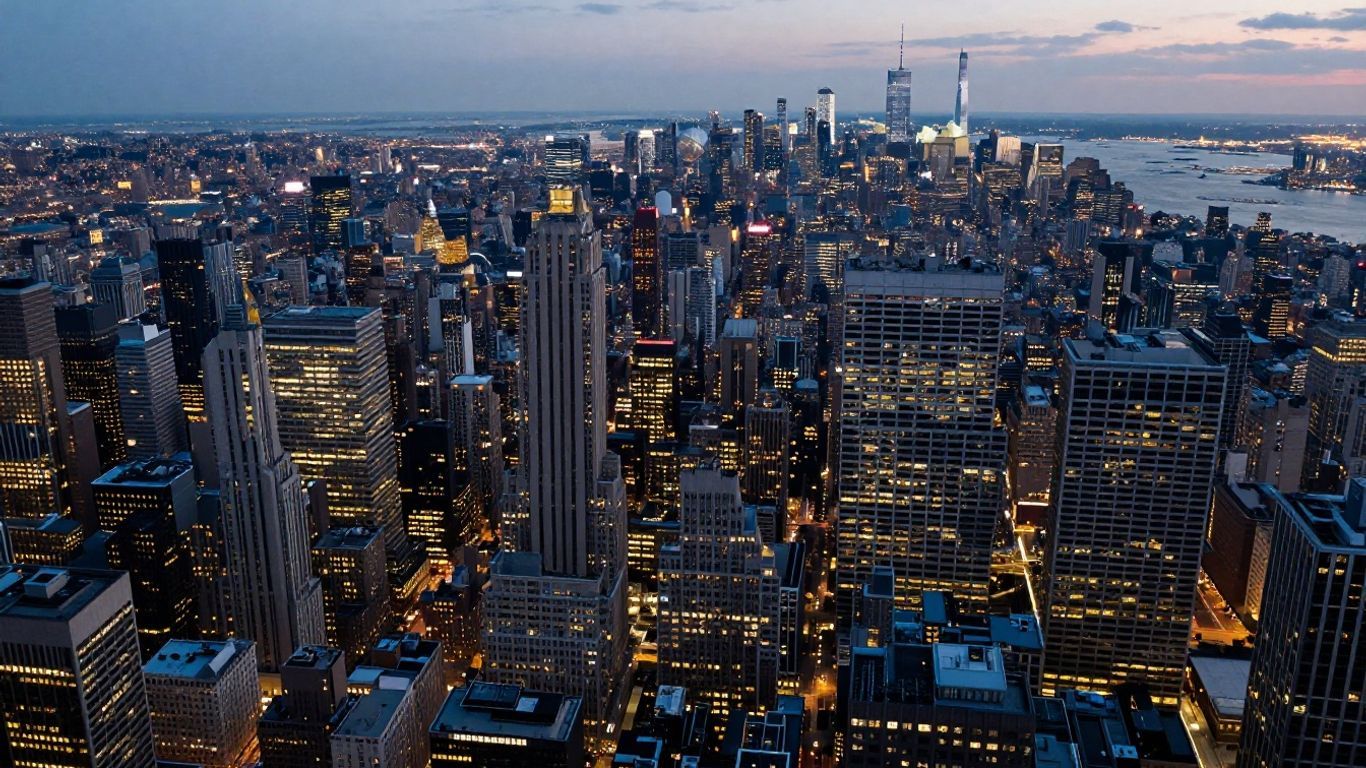
When we examine New York on the world stage, it's unequivocally clear it holds a preeminent position. It's not just about the sheer number of people living here, though that's certainly a significant component of its narrative. New York consistently ranks among the top global cities, not just for its population size but for its economic influence and cultural pull. Comparing it to other major cities helps us understand the fundamental drivers of its dynamism and its future trajectory.
Benchmarking Against International Metropolises
It proves illuminating to observe how New York measures against other colossal urban centers like Tokyo, London, or Shanghai. Various global city rankings employ disparate methodologies, however. Some focus solely on the core city itself, while others encompass the entire metropolitan area, including suburban peripheries. This distinction, naturally, can significantly alter a city's perceived standing on paper. For instance, while Tokyo might boast a larger populace in its wider region, New York is frequently distinguished as a leader in myriad other respects.
Generally, New York consistently occupies a prominent position across several global city ranking metrics:
- Economic Output: Frequently in the top tier, underscoring its robust financial prowess.
- Business Environment: Consistently achieves high rankings, attracting both corporate entities and top-tier talent.
- Culture and Entertainment: A top contender, drawing visitors and residents alike.
The very definition of an urban center's scale holds considerable significance, wouldn't you agree? Whether we're talking about the core city or the entire surrounding area, it presents a distinct portrait of its overall scale and impact. This distinction is critically important when we consider global influence.
Economic Capital and Financial Sector Strength
New York's formidable economy is a paramount determinant of its global standing. It serves as a preeminent nexus for finance, technology, and media. This immense economic power, in turn, acts as a powerful magnet for individuals and enterprises from across the globe. New developments, like those in Hudson Yards, are perpetually transforming the urban landscape, integrating residential units, verdant public spaces, and cutting-edge commercial environments. This consistently demonstrates an unwavering commitment to pioneering advancement.
Global Influence and Connectivity
Beyond its economic might, New York stands as an epicenter for innovation and a broad spectrum of enterprises. It’s a pivotal force in areas like technology and media. The city's constant evolution, marked by new projects and strategic investments, underscores its relentless drive toward future growth. This vibrant business ecosystem nurtures both emerging startups and established corporate giants. It's truly captivating to witness how these transformative shifts sculpt the city's character and draw in novel ventures. The city's role as a global nexus, facilitating everything from international trade to diverse cultural exchange, is undeniable. It's a place where ideas and people from across the planet come together, shaping trends across diverse domains, from high fashion to interactive gaming, where innovation is a constant driving force.
Looking ahead, New York faces challenges like housing costs and infrastructure needs, akin to other major metropolitan areas. The adept management of these complex issues will undeniably delineate its future demographic trajectory and its sustained prominence among the world's preeminent urban centers.
Looking Ahead: New York's Ever-Shifting Urban Scene
Thus far, we've undertaken a thorough examination of the population numbers for New York's cities in 2026. It's unequivocally evident that these urban landscapes are far from stagnant. A perpetual dynamism characterizes them, whether through the continuous erection of new structures, the revitalization of public parks, or the emergence of novel establishments. The demographic figures and developmental initiatives we've explored vividly illustrate how population shifts and burgeoning projects fundamentally mold the character and offerings of these cities. It is, without doubt, a perpetually evolving tableau, and it will be particularly compelling to observe their forthcoming trajectories. Keeping a keen eye on these trends helps us to better understand the intrinsic mechanisms that drive our urban centers and their prospective evolutions.
Frequently Asked Questions
About how many people will be in the New York City area by 2026?
By 2026, the New York City area is expected to have around 19.9 million people. This substantial figure underscores the sheer density of individuals residing and working within this dynamic metropolitan area.
How does New York City's population compare to other big cities around the world?
New York City is consistently recognized as one of the globe's premier urban centers. It's often compared to places like London and Paris because of its considerable scale and profound global influence.
Why do so many people want to live in New York City?
Indeed, numerous factors contribute to New York's enduring allure! It boasts a vibrant cultural landscape, a diverse culinary scene, and an endless array of recreational pursuits. Furthermore, it's a primary global hub for finance, technology, and the arts, attracting skilled professionals from across the world.
Are there new places being built for people to live in New York City?
Yes, there's a continuous stream of new construction! Significant projects, particularly in areas such as Hudson Yards and along the waterfront, are augmenting both residential capacities and public amenities. The city is diligently working to expand housing opportunities for its populace.
What are the main reasons New York City's population is growing?
Employment opportunities serve as a primary catalyst! New York is a global epicenter for finance, technology, and media, drawing in a talented workforce. Additionally, concurrent developmental initiatives are enhancing the city's modernity and overall appeal, encouraging both new arrivals and long-term residency.
What challenges does New York City face with so many people?
With such a substantial population, New York faces challenges like ensuring the provision of adequate affordable housing, meeting the escalating demands for enhanced transportation infrastructure, and safeguarding environmental sustainability for generations to come.


