
resources
Unveiling the Top 10 Largest Cities in the UK: A 2026 Population Snapshot
06 Mar 2026

Ever wondered about the distribution of population across the United Kingdom? It's quite fascinating to observe how some cities experience continuous growth, while others, even with more modest expansion, retain immense significance. London, in particular, truly occupies a category all its own; frankly, no other urban area even approaches its sheer scale. This article will meticulously break down the UK's most populous cities, utilizing the latest available data. While many of these prominent locations will likely be familiar, a couple might just take you by surprise. These figures offer invaluable insights into where individuals are choosing to reside, pursue careers, and build their lives in 2026. Let's delve into the data to uncover which urban areas genuinely stand as the largest.
Key Takeaways
- Undoubtedly, London remains the UK's largest city, boasting a population nearing 10 million residents.
- Beyond the capital, major urban centers like Manchester, Birmingham, and Glasgow consistently feature among the UK's most populous.
- These population statistics provide a clear indication of preferred locations for living and employment in 2026.
- Interestingly, some cities maintain their high rankings, while others are demonstrating substantial growth trends.
- Our comprehensive overview encompasses the most populated urban areas across the entire UK, stretching from England to Scotland.
1. Greater London
When the conversation turns to the UK's largest cities, Greater London stands in a league of its own. It's more than just the nation's capital; it's a quintessential global hub, drawing individuals from every corner of the planet. Its population is simply immense, establishing it as the largest metropolitan area in the UK by a truly significant margin.
London's sheer scale is, frankly, staggering, acting as an undeniable magnet for business, culture, and people from every conceivable background. This remarkable concentration of residents naturally presents unique challenges, such as expertly managing its intricate transport infrastructure and ensuring adequate housing for its vast populace.
Here's a closer look at the estimated population for Greater London in 2026:
| Area | Estimated Population (2026) |
|---|---|
| Greater London | ~9,500,000 |
This figure represents not only those living within the city's official administrative boundaries but also the expansive network of towns and suburbs intricately linked through daily commutes and profound economic ties. It's a remarkably dynamic area steeped in a rich history, and its pervasive influence continues to shape the entirety of the UK's urban landscape.
London's enduring status as a preeminent global hub stretches back through centuries, evolving into a veritable powerhouse for finance, arts, and learning. This lasting appeal, coupled with its robust economic strength and wonderfully diverse culture, makes it an unparalleled draw for millions.
Its colossal size translates into a place of ceaseless activity, offering countless opportunities yet simultaneously necessitating meticulous planning to ensure everything runs smoothly for its millions of inhabitants.
2. West Midlands (Birmingham)
Securing the second position on our list is the West Midlands metropolitan area, with Birmingham undeniably at its very heart. This vibrant region isn't solely defined by a single city; rather, it’s a sprawling, interconnected network that incorporates significant locales like Coventry and Wolverhampton, all seamlessly woven together by daily commutes and shared economic aspirations.
The West Midlands metropolitan area is projected to be home to approximately 3.1 million people by 2026. This makes it an incredibly significant population hub, second only to Greater London in its demographic reach.
Here's a concise overview of its key constituent parts:
- Birmingham: Serving as the core city, it's a major center for commerce, culture, and industry—truly a powerhouse.
- Coventry: Renowned for both its historical significance and its thriving modern automotive and aerospace industries.
- Wolverhampton: Another vital city making substantial contributions to the region's economic strength and overall population.
The remarkable concentration of people here is a direct consequence of centuries of development, particularly its pivotal role as a powerhouse during the Industrial Revolution. Today, it continues to attract residents with its abundant job opportunities and its crucial position as a vital transport and logistics hub.
This area truly represents a dynamic synthesis of urban vitality, a proud industrial heritage, and ongoing progressive development, solidifying its status as a profoundly important part of the UK's demographic landscape.
3. Greater Manchester
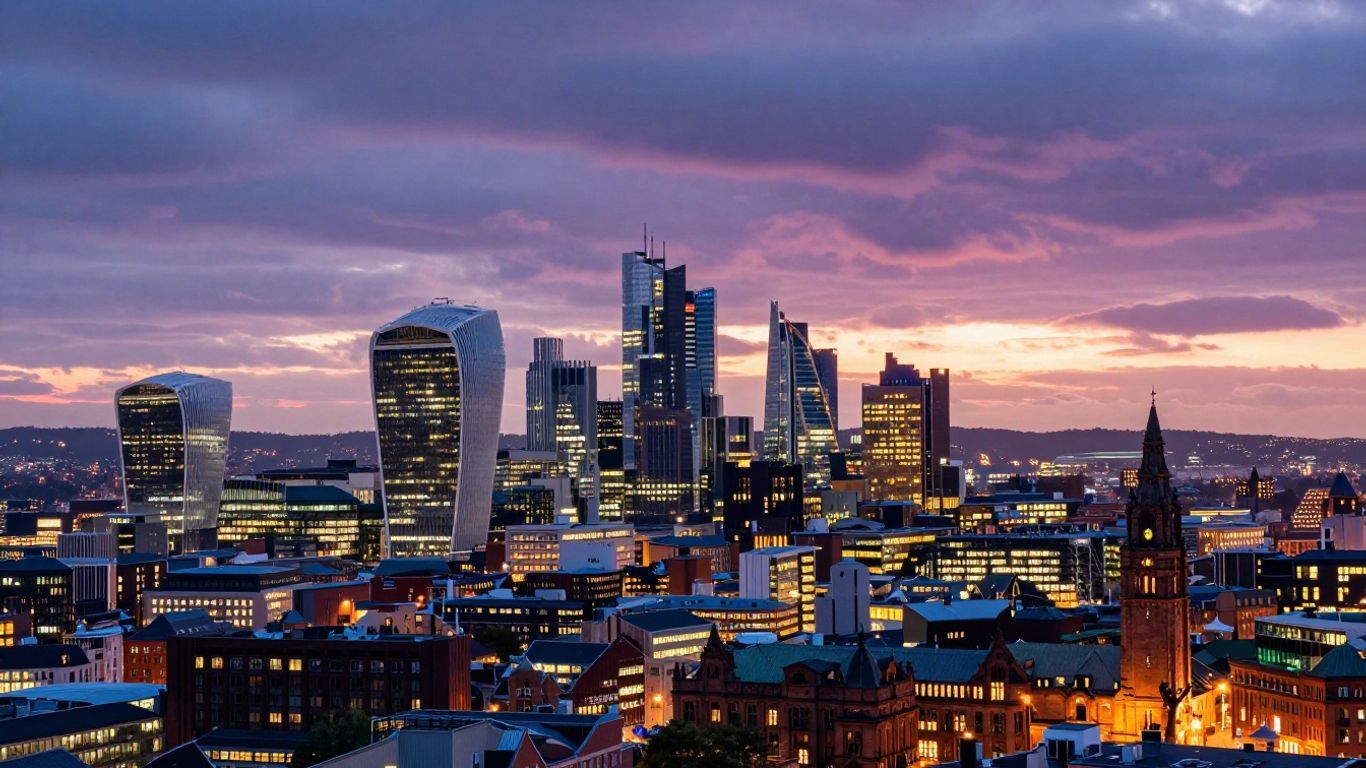
Following closely behind the West Midlands, Greater Manchester stands as another formidable urban powerhouse within the United Kingdom. This extensive metropolitan area, gracefully centered around the vibrant city of Manchester, encompasses a sprawling region that includes surrounding towns and cities such as Salford, Bolton, and Stockport. It's a place with a rich, storied industrial past that has masterfully transitioned into a modern hub for culture, media, and cutting-edge technology.
The collective population of Greater Manchester is projected to reach approximately 2.9 million people by 2026. This impressive figure underscores its immense importance as a pivotal population center, influencing economic activity and shaping social trends across the entire North West of England.
Here’s a glimpse at some of the key components that collectively form the Greater Manchester conurbation:
- Manchester: The indispensable core city, globally recognized for its vibrant music scene, prestigious universities, and thriving business districts.
- Salford: Situated immediately adjacent to Manchester, it has undergone remarkable regeneration, particularly in its flourishing media and digital sectors.
- Bolton: A historic mill town that continues to serve as a significant residential and commercial center, retaining its unique character.
- Stockport: Located to the south-east, it functions as a key commuter town boasting a distinct and lively town center.
The profound interconnectedness of these areas is, in fact, what truly defines Greater Manchester. Daily commutes, shared infrastructure, and a unified economic outlook mean these places function not as isolated towns, but rather as a single, expansive urban entity.
This region's sustained growth is a powerful testament to its inherent adaptability and its enduring appeal to both businesses seeking opportunity and residents desiring the amenities and dynamism a large metropolitan area can so readily provide.
4. West Yorkshire (Leeds)
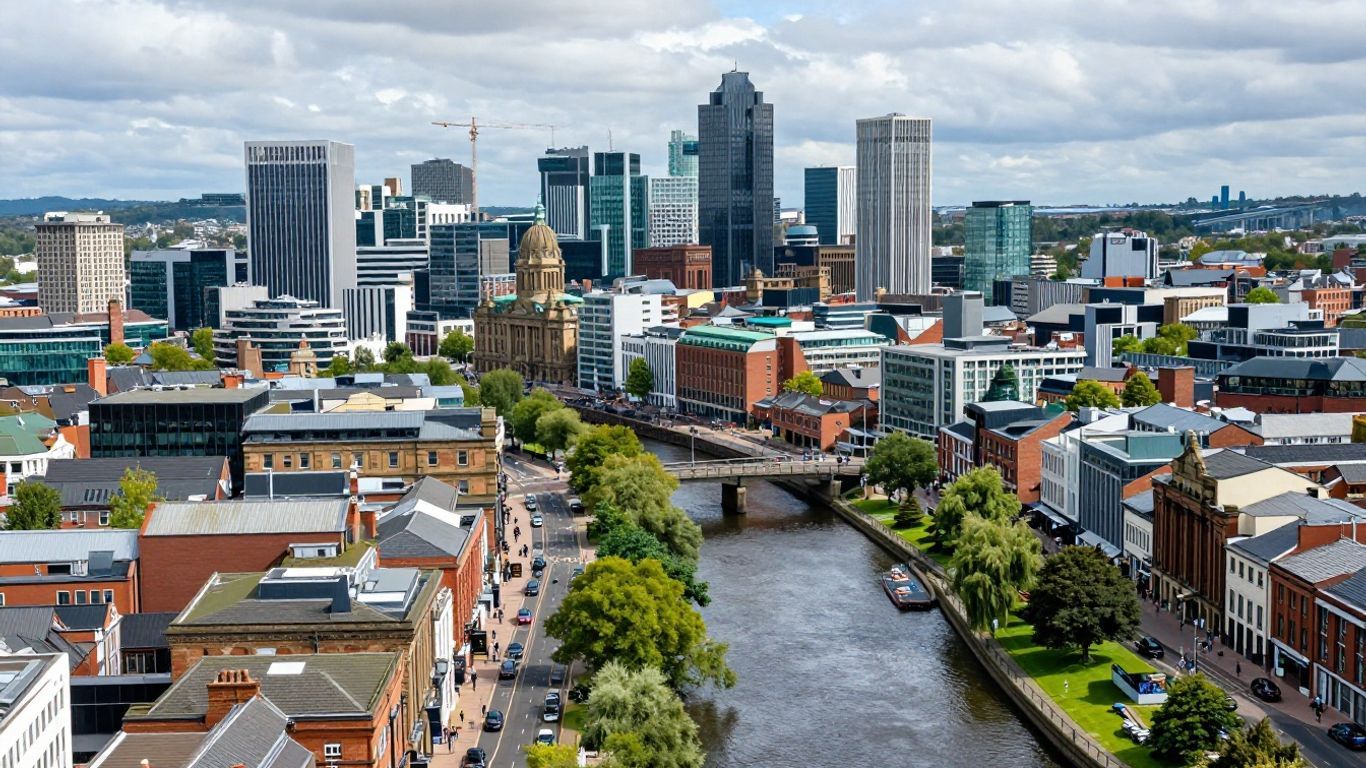
Claiming the fourth spot on our comprehensive list is the West Yorkshire urban area, with Leeds serving as its undeniable primary city. This expansive region represents a hugely significant population hub, its growth and character reflecting a long and storied history of robust industry and continuous development.
The West Yorkshire urban area stands as a major economic and cultural nexus in the North of England. It's important to remember, however, that it's not solely about Leeds; this metropolitan area seamlessly incorporates other crucial towns like Bradford and Wakefield, all making vital contributions to its substantial and growing population.
Here's a detailed look at the estimated population for the West Yorkshire metropolitan area:
| Metropolitan Area | Estimated Population (2026) | Key Cities Included |
|---|---|---|
| West Yorkshire (Leeds) | ~2,700,000 | Leeds, Bradford, Wakefield |
This area has historically been a place where people converge to work and establish their lives. Its strong transport links and the presence of numerous major businesses actively help maintain its status as a perennially popular location. The engaging blend of historic industrial heritage and dynamic modern development truly makes it an exciting and vibrant place to live.
The noteworthy concentration of population in West Yorkshire is a powerful testament to its historical role as an industrial powerhouse and its ongoing, successful adaptation to the nuances of the modern economy. It unequivocally represents a significant cluster of people and economic activity located outside the traditionally larger southern cities.
5. Merseyside (Liverpool)
Journeying further down our list, we arrive at Merseyside, with Liverpool serving as its central, iconic hub. This area embodies a significant population cluster within the North West of England—a region steeped in a profound history, particularly renowned for its maritime past, which has undeniably shaped both its development and the distinctive character of the people who proudly call it home.
Merseyside's estimated population in 2026 is projected to be around 1.5 million people. This figure thoughtfully encompasses not just Liverpool itself but also neighboring towns like Birkenhead and St Helens, clearly illustrating the broader reach and influence of this vibrant urban area.
Here's a concise overview of the key components that define the Merseyside metropolitan area:
- Liverpool: The principal city, a world-renowned cultural and economic center that pulses with energy.
- Birkenhead: Situated across the iconic River Mersey, it stands as a significant urban area, possessing its own rich industrial history.
- St Helens: Known for its prominent glass manufacturing heritage, it remains an important and contributing town within the wider Merseyside region.
The enduring population of Merseyside is a powerful testament to its historical importance as a bustling port and its ongoing, dynamic role as a center for commerce and culture. The area continues its compelling evolution, consistently attracting residents with its unique character and abundant amenities.
Merseyside's urban landscape presents a fascinating blend of historic docklands, ambitious modern regeneration projects, and diverse residential areas. The concentration of people here is the cumulative result of centuries of development, vibrant trade, and the establishment of pivotal industries that drew countless workers to the region. Today, it proudly maintains its status as a vibrant and indispensable part of the UK's urban map.
6. Tyneside (Newcastle)
Ascending further up the list, we encounter Tyneside, gracefully centered around the historic and dynamic city of Newcastle upon Tyne. This compelling region, which thoughtfully encompasses areas such as Gateshead and South Shields, forms a significant urban cluster in the North East of England. It’s a locale steeped in a deep industrial past that has been actively, and successfully, reinventing itself, consistently attracting new businesses and, consequently, new residents.
The Tyneside metropolitan area is estimated to be home to approximately 1.2 million people by 2026. This figure accurately reflects the combined population of Newcastle and its surrounding towns, which, in essence, function as a remarkably cohesive economic and social unit.
Here’s a closer look at the key components frequently included within the Tyneside metropolitan area:
- Newcastle upon Tyne
- Gateshead
- South Shields
- Sunderland (often considered part of the wider conurbation, underscoring regional interconnectedness)
- North Tyneside areas like Wallsend and Whitley Bay
This area boasts a long and proud history inextricably linked to shipbuilding and coal mining; however, in recent decades, it has masterfully diversified. Today, you’ll discover robust sectors in digital technology, bustling retail, and vital services actively contributing to its thriving economy. The presence of prestigious universities in Newcastle also infuses a youthful energy and ensures a steady stream of fresh talent.
The population distribution here cogently illustrates how historical industrial centers continue to serve as major population hubs, even as their fundamental economic bases evolve. Tyneside's story is, in essence, one of profound adaptation and impressive resilience, steadfastly maintaining its importance in the UK's intricate urban landscape.
While it may not achieve the sheer scale of the southern English giants, Tyneside nonetheless remains a vital and distinctive part of the UK's urban network. Its unique identity, coupled with ongoing, progressive development, firmly establishes it as a noteworthy area in any demographic snapshot.
7. Greater Glasgow
Venturing north of the border, we encounter Greater Glasgow, Scotland's most populous city and, indeed, a significant urban center within the UK's broader population landscape. While it may not quite reach the staggering numbers of England's largest conurbations, Glasgow admirably holds its own as a major, vibrant hub.
This dynamic metropolitan area stands as a testament to both Scotland's rich industrial past and its ongoing, spirited evolution as a modern, forward-looking city. It's a place where deep history gracefully converges with contemporary life, consistently attracting residents with its diverse cultural offerings and abundant economic opportunities.
Here's an overview of its estimated population:
| Metropolitan Area | Estimated Population (2026) |
|---|---|
| Greater Glasgow | ~1,200,000 |
Several crucial factors collectively contribute to Glasgow's impressive standing as a major population center:
- Economic Activity: Historically a powerhouse of industry, Glasgow has adeptly transitioned, successfully developing robust sectors in finance, cutting-edge technology, and innovative creative industries, which continually draw in a diverse and talented workforce.
- Cultural Hub: Renowned for its exceptionally vibrant arts scene, world-class music venues, and distinctive architecture, the city consistently offers a rich and immersive cultural experience that appeals to a broad spectrum of people.
- Educational Institutions: Home to several prestigious major universities, Glasgow attracts a significant student population, many of whom, quite naturally, choose to remain in the city after graduation, thereby enriching the city's talent pool and contributing to its overall numbers.
- Connectivity: Its strategic geographical location and excellent transport links establish it as a key gateway for Scotland and a highly desirable place to live for those seeking access to both vibrant urban amenities and the breathtaking natural beauty of the Scottish Highlands.
The precise definition of the 'Greater Glasgow' area typically encompasses the city itself along with surrounding towns that are intimately linked through patterns of commuting and strong economic ties. This broader perspective effectively captures the full extent of its urban influence and profoundly shapes the daily lives of its countless inhabitants.
8. South Hampshire (Southampton)
Claiming the eighth position on our list is the South Hampshire metropolitan area, gracefully centered around the historic port city of Southampton. This dynamic region isn't merely confined to Southampton itself; it also thoughtfully includes the significant naval city of Portsmouth and the bustling town of Eastleigh, together creating a substantial and vibrant urban cluster along England's picturesque south coast.
The South Hampshire area serves as a pivotal economic engine for the South East of England, boasting a strong maritime heritage alongside a rapidly expanding service sector. Its strategic geographical location has, for centuries, established it as a vital hub for trade and travel, an importance that, remarkably, continues unabated today.
Here's a closer look at the estimated population breakdown for the core components of this metropolitan area:
| City/Town | Estimated Population (2026) |
|---|---|
| Southampton | ~650,000 |
| Portsmouth | ~250,000 |
| Eastleigh | ~100,000 |
| Total Area | ~1,000,000 |
Life in South Hampshire offers a compelling blend of delightful coastal living and urban convenience. Here, you'll find:
- Ready access to the stunning Solent coastline and the charming Isle of Wight.
- Major transport links, including a bustling international airport and a vital ferry port, connecting you effortlessly.
- A remarkably diverse job market, particularly robust in marine industries, aerospace, and retail sectors.
- A rich array of cultural attractions, ranging from historic dockyards steeped in heritage to cutting-edge modern arts venues.
The profound interconnectedness of Southampton and Portsmouth, despite their distinct individual identities, forms a truly powerful economic unit. Commuting between the two is remarkably common, effectively blurring the traditional municipal lines and creating a single, expansive urban zone that, for many residents and businesses, functions as one cohesive entity.
9. Sheffield
Sheffield, a city with a rich and storied industrial past, particularly in the realm of steel production, now confidently stands as a significant urban center in the UK. While it might not always command the same national headlines as some of the larger conurbations, its substantial population consistently ensures its role as a key player in the nation's demographic landscape.
Sheffield's impressive transformation from a manufacturing powerhouse to a dynamic modern city is, in essence, a compelling narrative of resilience and astute adaptation. It’s a place where one can still discern echoes of its industrial heritage beautifully woven into the architecture, yet it has wholeheartedly embraced new industries and a flourishing cultural scene.
Here’s a look at some key aspects that define Sheffield:
- Economic Diversification: Beyond its historical association with steel, Sheffield has successfully cultivated robust sectors in advanced manufacturing, innovative digital industries, and creative businesses. This strategic shift has been instrumental in sustaining and indeed growing its population.
- Green Spaces: Often affectionately dubbed the 'greenest city in the UK,' Sheffield proudly boasts numerous parks, extensive woodlands, and is uniquely situated on the very edge of the breathtaking Peak District National Park, offering an unparalleled quality of life that consistently attracts residents.
- Educational Hub: Home to two major universities, the city naturally attracts a large and vibrant student population, many of whom, quite significantly, choose to remain after graduation, thereby enriching the city's talent pool and contributing to its overall demographic strength.
The city's strategic location in South Yorkshire, coupled with its ongoing regeneration projects and a relatively affordable cost of living compared to some of the larger southern cities, continues to draw people in. It masterfully offers a compelling blend of urban amenities and enviable access to nature that many find immensely appealing—what's not to love?
While precise population figures for 2026 are, by their nature, estimates, Sheffield consistently ranks among the UK's most populous cities, a clear reflection of its enduring appeal and economic vitality.
10. Bristol
Rounding out our top 10 list is Bristol, a city widely celebrated for its fiercely independent spirit and wonderfully vibrant cultural scene. It truly is a place that feels as though it cultivates its own distinct persona, purposefully separate from the sometimes overwhelming hum of the larger national hubs.
Bristol's population has, for some time, experienced steady growth, firmly establishing it as a significant urban center in the South West of England. It’s a city that expertly balances its historical roots—think its rich maritime past—with a forward-thinking approach, particularly excelling in dynamic areas like creative industries and cutting-edge technology.
Here’s a quick glance at some key aspects that define Bristol:
- Independent Spirit: Bristol is famously known for its strong sense of independence, a quality vividly reflected in its thriving independent businesses, eclectic music venues, and vibrant arts scene.
- Street Art Culture: The city proudly stands as a global hub for street art, most famously associated with the enigmatic artist Banksy, whose iconic work can, to this day, still be discovered adorning its historic walls.
- Economic Drivers: Key sectors driving its prosperity include aerospace, creative industries, digital technology, and finance, all working in concert to attract a diverse and skilled workforce.
- Connectivity: It boasts excellent transport links, including a major port and a bustling international airport, ensuring seamless connection to the rest of the UK and wider Europe.
Bristol's unique character is, without doubt, a huge part of its enduring appeal. It's a city that doesn't merely follow trends; rather, it often sets them, particularly within the dynamic spheres of the arts and its innovative approach to contemporary urban living.
While it may not possess the sheer scale of London or Manchester, Bristol nonetheless offers a compelling blend of opportunity, rich culture, and a distinct way of life that firmly establishes it as a major player in the UK's intricate urban landscape.
Looking Ahead: The Shifting Sands of UK Urban Populations
So, having thoroughly explored the UK's largest cities based on their resident populations, we've gained some valuable perspective. London is, as anticipated, comfortably leading the pack, yet it’s undeniably interesting to observe how other major players—such as Birmingham, Manchester, and Glasgow—continue to hold their strong positions. This demographic snapshot truly highlights where people are actively choosing to put down roots, seek employment, and build their lives. These figures are far more than mere statistics; they are narratives about jobs, burgeoning opportunities, and the intrinsic qualities that render a place attractive for living. While the most prominent cities predictably continue to expand, it serves as an important reminder that the UK's population map is forever subtly—yet significantly—changing. Understanding these dynamic trends helps us to discern how the country is evolving and where future growth, and indeed, future challenges, might be headed.
Frequently Asked Questions
What is the biggest city in the UK?
Unquestionably, Greater London stands as the largest city in the United Kingdom. Its sheer scale places it in a league of its own, boasting millions more residents than any other city nationwide.
Are there other really big cities besides London?
Yes, absolutely! While London certainly holds the top spot, cities like Birmingham and Manchester are also immensely large and are often referred to as 'secondary mega-cities' due to their substantial populations and their critical roles as significant centers for both employment and culture.
Why do so many people live in these big cities?
Individuals tend to gravitate towards larger cities for a multitude of compelling reasons. Typically, these urban hubs offer a greater abundance of job opportunities, superior educational institutions, and a wider array of cultural and recreational activities. In some instances, it's worth noting, living costs can even prove more manageable in certain large cities when compared to others.
Does the population of these cities change much?
Indeed, the populations of cities are in a constant state of flux. Some cities experience rapid growth, often driven by new job creation or sustained inward migration, while others may exhibit slower growth or maintain a relatively stable population. It's akin to a vast, intricate puzzle where demographic pieces are perpetually shifting.
Are most of the biggest cities in England?
Yes, predominantly, the majority of the UK's largest cities are located within England. This phenomenon is largely attributable to England's long-standing historical development, its robust economy, and its well-established transportation networks. Prominent examples include London, Birmingham, Manchester, and Leeds, all situated in England.
What is a 'metropolitan area'?
A 'metropolitan area' broadly encompasses the principal city alongside all the surrounding smaller towns and suburbs that are intricately connected to it. This connection is typically characterized by individuals commuting to and from the central city for work, education, or other significant activities. This expanded definition offers a more accurate representation of the true number of people who fall under the extensive influence of that major urban center.


