
resources
Unveiling the Top 10 Smart Cities in the World: Innovations Shaping Our Urban Future
09 Jan 2026

Thinking about the dynamic shifts reshaping our urban landscapes? The concept of 'smart cities' has undeniably moved to the forefront of modern discourse. At their core, these urban centers strategically leverage technology to enhance the quality of life for their inhabitants. From optimizing traffic flow to purifying the air, such cities exemplify the pinnacle of modern urban living. This article delves into the top 10 smart cities worldwide, illustrating how groundbreaking innovations are redefining urban existence and charting a course for the future.
Key Takeaways
- Cities are deploying advanced technologies like AI and IoT to streamline the management of essential services such as traffic, energy, and public safety.
- Achieving greater urban sustainability is a paramount objective, with many cities prioritizing enhanced public transportation and reduced energy consumption.
- The overarching aim remains the improvement of citizens' daily lives through superior services and optimized urban infrastructures.
- While technological integration is crucial, effective governance and the cultivation of appealing living environments are equally vital.
- Ultimately, cities are evolving to become more interconnected, functionally efficient, and altogether more desirable places to reside.
1. Singapore
Singapore has consistently stood at the forefront of urban innovation, strategically utilizing technology to render city life smoother and more efficient. It's far more than mere technological window dressing; it's about how these advancements are practically applied to enhance daily life for residents and bolster the city's operational efficacy. Indeed, their "Smart Nation" plan has been a long-term endeavor, and its tangible impact is readily observable.
A significant pillar of this strategy involves making government services remarkably streamlined and accessible. Consider, for instance, the ease of paying bills or applying for permits – a substantial portion of these tasks can now be completed online, directly from a phone or computer. This translates directly into considerable time savings and reduced administrative burden for its citizens.
Transportation is another area where Singapore truly excels. They leverage vast datasets to meticulously optimize traffic management and ensure public transport operates with enhanced efficacy. The palpable outcome? Significantly reduced commute times and more reliable bus and train schedules, which, let's be honest, makes navigating the city a decidedly less arduous experience.
Singapore's pragmatic strategy vividly illustrates how a city can effectively employ technology to address tangible urban challenges, ranging from making commutes easier to improving essential services. It serves as a compelling blueprint for other cities aspiring to forge superior urban environments.
Here are some key areas they're focusing on:
- Green Transport: Significant effort has been invested in making public transit and cycling both straightforward and universally accessible. This naturally leads to fewer vehicles on the road and cleaner air quality.
- Digital Access for All: High-speed internet and comprehensive digital services are considered standard provisions, ensuring everyone can connect and access information with ease.
- Community Needs: The city actively works to be inclusive, paying close attention to the diverse requirements of all its residents.
2. Zurich
Zurich regularly secures a prominent position on smart city lists, and its reputation isn't built merely on possessing the newest technological marvels. This astute Swiss city focuses intently on substantive, practical enhancements that genuinely uplift daily life for its inhabitants. It’s a sagacious approach to urban planning that offers broad benefits to everyone.
So, what exactly makes Zurich such a standout?
- Seamless Public Transportation: Zurich has invested considerably in making public transit and cycling convenient and readily available for all. This inherently leads to a reduction in private vehicle usage and contributes to cleaner air.
- Robust Digital Inclusion: High-speed internet access and comprehensive digital services are regarded as standard, not mere optional extras. This ensures consistent connectivity and informed citizenry.
- Prioritizing Community Well-being: The city diligently works to embrace all residents, giving thoughtful consideration to the varied needs of people from every walk of life.
Zurich eloquently demonstrates that true 'smart' city status is less about a sheer abundance of technology and more profoundly about its judicious application to resolve genuine problems and elevate the quality of life for its citizens. It represents a holistic methodology that many other global cities are now carefully observing.
This city's unwavering dedication to environmental sustainability and an exceptional quality of life is a pivotal factor in its sustained prominence. They are not merely chasing fleeting trends; rather, they are actively constructing an urban environment designed for enduring liveability and future resilience.
3. Barcelona
Barcelona has truly carved out a notable reputation for itself when it comes to smart city technology. They were among the pioneering cities to embark on this journey, hosting the Smart City Expo and World Congress as early as 2011. That pivotal event effectively laid the groundwork for their ambitious vision: to cultivate a city that is interconnected, sustainable, and fundamentally people-centric.
A compelling aspect of Barcelona's strategy is its innovative use of technology to address quotidian challenges. Indeed, ubiquitous sensor networks diligently monitor air pollution and noise levels across the city. Furthermore, they deploy intelligent systems to optimize waste management and meticulously ensure water usage, mitigating waste. And if you've ever experienced traffic congestion there, you'll surely appreciate their smart parking and traffic lights, which are specifically engineered to alleviate bottlenecks and improve air quality. It's a discernible improvement for anyone living in or visiting the city.
Here are some of the notable smart initiatives Barcelona is spearheading:
- Environmental Tracking: Utilizing sensors for real-time monitoring of air quality and ambient noise levels.
- Resource Management: Employing smart grids for energy distribution and sophisticated systems for water management.
- Urban Mobility: Implementing intelligent traffic lights and innovative parking solutions to facilitate smoother transit.
- Citizen Connection: Providing digital tools that empower residents to report issues and conveniently access city services online.
Barcelona's approach shows that smart city initiatives aren't just about fancy gadgets; they're about using technology to make life better for everyone living there.
4. Helsinki
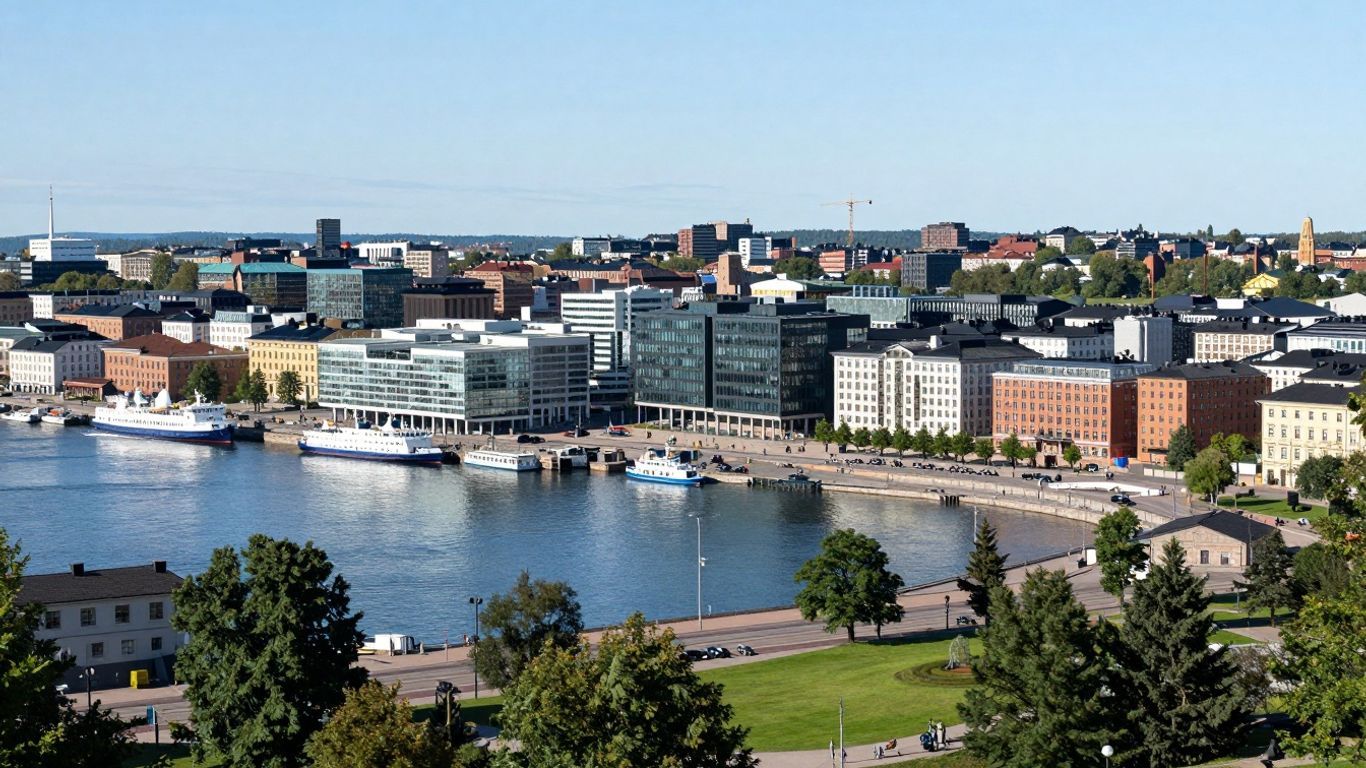
Helsinki frequently appears on top-tier smart city rankings—a vibrant place where technology and nature appear to coexist in harmonious synergy. The city is profoundly dedicated to enhancing the quality of life for its people through ingenious, smart ideas. Even if its exact spot on various global lists might fluctuate, Helsinki's unwavering commitment to environmental consciousness and ensuring universal access to digital services is a significant and unwavering priority.
A striking characteristic of Helsinki is how skillfully they employ technology to optimize urban operations and foster a more congenial living environment. They meticulously examine every aspect, from how citizens navigate the city to the ease of accessing municipal services online. One might even perceive it as a tangible glimpse into the urban future, wouldn't you agree?
One of the key contributors to Helsinki's success is that they champion transparent data sharing and robust citizen engagement. By democratizing access to crucial urban data and actively soliciting residents for their insights, the city ensures its smart initiatives are genuinely responsive to community requirements.
Here are some areas where Helsinki particularly distinguishes itself:
- Smart Mobility: They have introduced a plethora of innovative transportation solutions, including electric buses, comprehensive bike-sharing programs, and real-time traffic management systems. This considerably enhances the fluidity of urban transit.
- Digital Services: From booking medical appointments online to engaging digitally with municipal government, Helsinki offers a wide array of online services. This significantly simplifies administrative interactions for residents seeking information or assistance.
- Sustainability: This city maintains a serious commitment to mitigating pollution and adopting eco-friendly methodologies. Consider their advanced district heating systems and pioneering waste-to-energy projects—they are truly striving to be a global leader in green urban development.
Helsinki's smart city plan is predicated on principles of open data sharing, empowering both citizens and enterprises to make more informed decisions. Its transportation system is quite remarkable, seamlessly integrating public transit, bike-sharing schemes, and electric vehicle options, all managed via intuitive mobile applications. Plus, the entire system runs on clean energy, which is a significant environmental benefit.
The city's Smart Kalasatama project is an exemplary initiative, specifically designed to cultivate a neighborhood where technology facilitates time-saving and promotes a more sustainable lifestyle for residents. This area functions as a vibrant proving ground for testing new smart and green solutions in a real-world, dynamic setting.
5. Copenhagen
Copenhagen is decidedly embracing a future where technology and environmental stewardship are inextricably linked. It transcends merely deploying novel technological devices; the city is profoundly committed to optimizing energy usage, ensuring its transportation network is impeccably clean, and forward-thinking, long-term urban planning. The main idea is unambiguous: to cultivate a superior urban environment for everyone who resides here.
They are striving diligently towards carbon neutrality, seamlessly integrating intelligent technologies into their energy management and mobility frameworks. It's a monumental undertaking, and the implementation of which is genuinely inspiring to observe. Advanced smart grids are being utilized to optimize energy distribution and minimize wastage. Public transport is also undergoing a transformative evolution, with electric buses and smart traffic systems making journeys smoother and cleaner. Furthermore, new buildings are designed to be highly energy-efficient, and older structures are receiving eco-conscious retrofits.
Here are some of the core strategic pillars guiding Copenhagen's initiatives:
- Smart Energy Grids: These sophisticated systems aid in managing energy distribution, with the aim of reducing waste and enhancing overall energy efficiency.
- Sustainable Transportation: This encompasses elements such as electric buses and intelligent traffic control, all designed to make urban transit cleaner and more efficacious.
- Green Building: The city actively encourages construction and renovation practices that prioritize energy conservation, thereby lessening the environmental footprint of its structures.
The city has a sophisticated, real-time monitoring system that vigilantly oversees critical urban parameters like traffic congestion and air quality. It interlinks disparate municipal services, from parking meters to traffic lights, to facilitate more fluid urban management. This system can dynamically adapt in response to variables such as traffic density, meteorological conditions, and even fuel costs—all to make city services operate with heightened efficiency.
For the sizable cycling community in the city, there's even an intuitive application that harnesses this comprehensive data pool. It can help them find the most efficient routes and even advises on optimal pedaling speeds to synchronize with green light sequences. It’s a compelling illustration of how smart city data can streamline daily routines.
6. Pittsburgh
Pittsburgh could perhaps raise an eyebrow for some observers on a list of top smart cities, but this former industrial powerhouse has, in truth, undergone a subtle yet impactful reinvention. It's not simply a matter of deploying the latest gleaming technologies; it's about leveraging innovation to address concrete challenges facing its populace. Think of it as a city that’s judiciously assimilated lessons from its past and is now assiduously building a smarter future, one pragmatic solution at a time.
One of the foremost initiatives generating considerable discussion is their pioneering work in traffic management. Pittsburgh's Scalable Urban Traffic Control (SURTRAC) system is a seminal illustration of how intelligent technology can yield concrete improvements. This AI-driven system dynamically analyzes live traffic conditions, adjusting signals in real-time to reduce congestion and mitigate vehicular emissions. Reports suggest it has significantly cut travel times and lowered pollution levels, which is a considerable triumph for a city that historically grappled with air quality concerns.
Extending beyond traffic optimization, Pittsburgh is focusing on several key areas:
- Smarter Transportation: Building upon the success of SURTRAC, the city continues to explore diverse avenues to make urban transit easier and more efficient, seamlessly integrating various modes of transport.
- Data-Driven Governance: Employing data analytics to gain deeper insights into city operations and thereby enhance public services for all residents.
- Innovation Hubs: Fostering the expansion of its burgeoning tech and research sectors, transforming former industrial sites into dynamic centers for novel ideas and employment opportunities.
- Energy Efficiency: Actively seeking innovative methods to make city buildings and overarching infrastructure more energy-conscious.
The city's approach is frequently distinguished by a robust collaborative ethos between its esteemed universities, the dynamic private sector, and the dedicated city government. This potent partnership model facilitates the translation of pioneering research into practical applications, thereby manifesting the smart city vision into tangible urban realities.
Pittsburgh's transformative journey powerfully testifies that being a smart city is not solely contingent upon the deployment of avant-garde devices; it's about sagacious planning, active community engagement, and an unremitting commitment to improve the lives of the people who reside there. It's a powerful testament to a city's capacity for profound transformation and leadership in urban innovation.
7. Dallas
Dallas is demonstrating a significant acceleration in its smart city endeavors, actively putting plans into action rather than merely articulating aspirations. Their focus is clearly on optimizing operational efficiencies for everyone who lives and visits there. It’s a notably ambitious undertaking for a city of its considerable size.
One of the primary focus areas for Dallas's urban development is intelligently upgrading its foundational infrastructure. Consider, for instance, elements such as traffic lights that can dynamically adjust based on real-time traffic density, or initiatives aimed at bolstering the resilience of its power grid. They are also heavily invested in leveraging data analytics to refine municipal service delivery. This entails meticulously analyzing data to pinpoint areas ripe for efficiency gains or where citizen support can be enhanced.
Here’s a look at some key areas they're focusing on:
- Modernizing Transportation: Dallas is investing in methods to make getting around easier and faster, including sophisticated smart traffic management systems.
- Improving Public Services: Technology is being used to make city services more accessible and responsive to the community's needs.
- Sustainability Efforts: The city is engaged in projects designed to reduce its environmental impact, such as promoting cleaner energy sources and more effective waste management.
Dallas is poised to forge a more connected and efficient urban environment through the judicious integration of technological solutions.
The city recognizes that true 'smart city' status extends beyond the mere acquisition of cutting-edge devices. It's about employing technology pragmatically to address concrete challenges and elevate the daily experiences of its populace. This judicious approach actively contributes to the cultivation of a more robust and liveable urban landscape for the future.
8. Seoul
Seoul, South Korea, is a veritable powerhouse in the seamless integration of technology into daily urban life. It's not merely characterized by ostentatious gadgetry; the city focuses intently on pragmatic applications that render urban living more fluid and efficacious for its millions of residents. Considering its vast populace—millions call Seoul home—the scale of needs to be addressed is, frankly, immense!
One of the city's most significant achievements is its exemplary approach to public transportation. The subway system is legendary, lauded for both its impressive punctuality and expansive network. But it's the intelligent layer on top that truly elevates the experience. Real-time arrival information is universally available, and integrated payment systems make transitioning between buses and trains remarkably effortless. Furthermore, they've been a fervent proponent of electric vehicle adoption, with a rapidly expanding charging infrastructure having emerged across the city.
Here are a few areas where Seoul particularly distinguishes itself:
- Digital Governance: Seoul has made interacting with municipal services incredibly straightforward online. Need to settle a bill, acquire a permit, or report an issue? An app or website is most likely available for that purpose, significantly cutting down on paperwork and prolonged waiting periods.
- Connectivity: High-speed internet access is practically a given, and the city has been a global leader in the widespread rollout of 5G networks. This super-fast connectivity underpins everything from sophisticated smart traffic management to advanced public safety systems.
- Environmental Monitoring: Through an extensive network of sensors, Seoul vigilantly monitors air quality and other crucial environmental factors. This invaluable data helps them respond promptly to emerging issues and meticulously plan for a healthier future.
Seoul's strategy is fundamentally centered on leveraging technology to resolve genuine urban challenges for its citizens. It's a city that's in a perpetual state of experimentation and adaptation, making it a compelling exemplar of dynamic urban innovation.
9. Melbourne
Melbourne is truly generating considerable recognition when it comes to being a smart city. They're not merely a case of indiscriminately applying technology to issues; rather, they are deploying it judiciously to genuinely enhance the quality of life for the people living there. Think about their profound focus on making public transport exceptionally user-friendly and accessible. They've invested in electric buses, boast an extensive bike-sharing infrastructure, and employ systems that manage traffic in real-time. Collectively, these initiatives contribute to less time stuck in traffic and cleaner air, which is a significant boon for urban dwellers.
Beyond just efficient transit, Melbourne is a strong advocate for pervasive digital access. High-speed internet is not merely a desirable amenity, but a fundamental expectation, ensuring universal connectivity and access to vital information. This commitment to digital inclusion forms a central tenet of its strategic vision.
Equally commendable is how thoughtfully they're approaching community integration. They're diligently striving to ensure their smart city frameworks are inclusively designed, irrespective of socioeconomic standing or background. It’s ultimately about fostering an urban environment that truly serves its entire populace.
- Eco-friendly transport options
- Universal digital access
- Community-focused initiatives
Melbourne's approach shows that being a smart city is fundamentally rooted in practical solutions that improve daily life. It's less about acquiring the most recent technological marvels and more about the judicious application of technology to address tangible challenges and cultivate a more liveable urban landscape for everyone.
10. Hong Kong
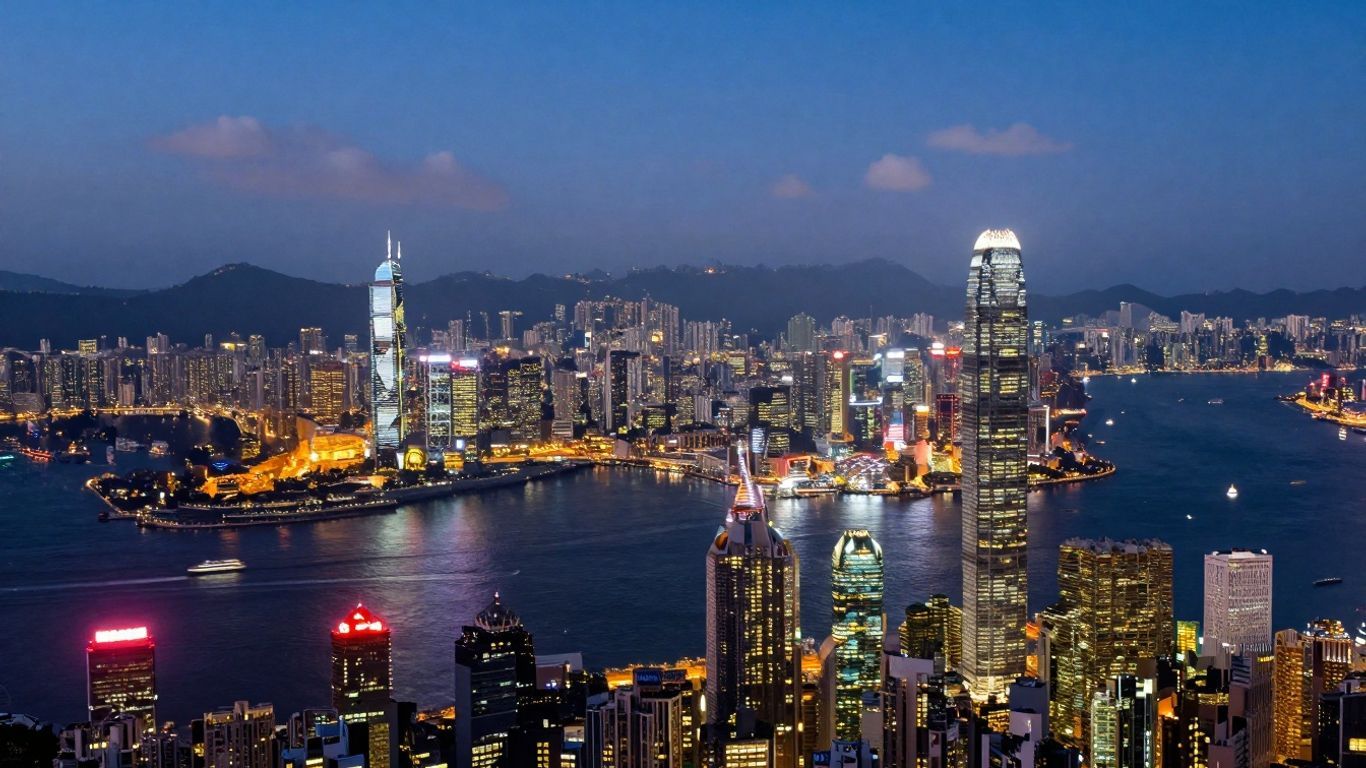
Hong Kong, a vibrant global hub, is diligently endeavoring to embed smart city principles into its urban tapestry. The city's comprehensive approach is meticulously articulated within its comprehensive Smart City Blueprint 2.0, launched in late 2017, which delineates upwards of 76 distinct initiatives, each geared towards elevating daily life and enhancing municipal governance. These concerted efforts are strategically distributed across six pivotal domains: smart living, smart mobility, smart government, smart environment, smart people, and smart economy.
The city has already achieved notable advancements in its digital infrastructure, including extending its free public Wi-Fi network and introducing the iAM Smart digital services platform. This platform streamlines access to a diverse array of governmental and private sector offerings, thereby rendering civic interactions considerably more convenient for residents. Other implemented projects encompass the Faster Payment System for easier transactions and the 'StayHomeSafe' and 'LeaveHomeSafe' systems, which proved especially instrumental during the recent global health crisis for managing home quarantine and facilitating contact tracing.
Looking ahead, Hong Kong is focusing on several visionary projects on the horizon:
- Smart Village Pilots: Exploring novel methodologies to introduce smart solutions to more localized communities.
- Traffic Data Analytics System: Utilizing advanced data analysis to gain superior insights into and effectively manage traffic flow, with the ultimate aim of reducing congestion.
- LawTech Fund: Actively supporting the adoption of technology within the legal sector, thereby promoting enhanced efficiency and innovation.
- Building Information Modelling (BIM): Encouraging the widespread use of advanced digital modeling in construction for superior planning and execution processes.
Hong Kong's smart city strategy underscores the pragmatic deployment of technology to confront tangible urban dilemmas, with the ultimate goal of fostering a more accessible, effective, and congenial urban milieu for its citizens.
Looking Ahead: Our Evolving Urban Landscape
So, we've taken a comprehensive look at some truly remarkable urban centers spearheading the movement in enhancing urban living through technological innovation. It's evident that municipalities globally are diligently striving to utilize new tools, such as intelligent traffic lights and more sophisticated energy management systems, to optimize operational fluidity and cultivate greater environmental stewardship. However, it’s imperative to recognize that this paradigm transcends mere flashy gadgetry. The fundamental objective remains the amelioration of daily convenience and overall enjoyment for everyone who resides there. As technology continues its relentless evolution, these cities will persistently innovate solutions and forge truly desirable urban communities where people genuinely aspire to be. It’s an undeniably thrilling era as we observe how our urban landscapes will perpetually evolve and elevate the collective human experience for all of us.
Frequently Asked Questions
What exactly is a smart city?
A smart city is an urban center that effectively leverages technology and data insights to enhance the quality of life for its inhabitants. Imagine it as an urban center endowed with intelligent faculties that facilitates more streamlined management of critical functions such as traffic, energy, and public safety. Ultimately, it's all about making the city operate more efficiently and be a more congenial living environment.
Why are cities becoming 'smarter'?
Cities are adopting smarter paradigms primarily to accommodate burgeoning populations and address pressing urban challenges such as traffic congestion, environmental pollution, and excessive energy consumption. By strategically deploying technology, cities can discover innovative methodologies to foster greater efficiency, ecological cleanliness, and enhanced public safety for everyone.
What kind of technology do smart cities use?
Smart cities utilize a diverse array of sophisticated technologies. This includes instrumentation such as sensors for real-time monitoring of traffic flow or air quality, surveillance cameras for public safety enhancements, and intuitive mobile applications designed to aid urban navigation. Moreover, they harness advanced data analytics and intelligent computational systems—including Artificial Intelligence—to inform strategic decision-making.
Are smart cities only about technology?
Decidedly not! While technology plays a crucial role, smart cities also profoundly focus on prioritizing the holistic well-being and contentment of their residents. This encompasses ensuring access to quality green spaces, pristine air, secure thoroughfares, and guaranteeing seamless access to municipal services for all. Good urban planning and robust community involvement are just as paramount.
How do smart cities help the environment?
Many smart cities are diligently pursuing environmental sustainability. They deploy technology to optimize energy conservation, actively promote electric vehicle adoption and enhance public transportation efficacy, implement more effective waste management strategies, and cultivate additional verdant urban areas. The overarching goal is to mitigate pollution and safeguard natural ecosystems.
Will my city become a smart city?
Many cities around the world are actively progressing towards greater urban intelligence. While some are at varying stages of development, the overarching trajectory is unequivocal. Cities are perpetually seeking novel applications of technology and innovative strategies to elevate the daily lives of their inhabitants.


