
resources
Unveiling the Top 50 Smart Cities in the World: A Look at Global Innovation in 2025
16 Nov 2025

Are you curious which urban centers are truly excelling in their "smart city" initiatives for 2025? It's certainly a comprehensive topic, and honestly, identifying the top 50 smart city in world can indeed feel like a considerable challenge. These aren't merely populous or bustling locales; rather, they are pioneering novel ideas and cutting-edge technology to significantly enhance the quality of life for all residents. We've delved into the core elements that define their success, from innovative traffic management to stringent air quality maintenance. It's a fascinating evolution, unequivocally demonstrating how cities are adapting and progressing.
Key Takeaways
- New York once again leads the vanguard, primarily propelled by its vast economy and pivotal role as a global hub for finance and technology.
- London follows closely, demonstrating exceptional performance in nurturing an educated and skilled populace, while also boasting numerous large corporate headquarters.
- Paris maintains its status as a significant global player, celebrated for its rich culture and as a premier tourist destination, underpinned by a robust service-based economy.
- San Francisco is experiencing a notable resurgence, driven by advancements in AI and concerted efforts to revitalize its downtown core, cementing its reputation as an excellent business environment.
- Bengaluru stands out as an 'Emerging Standout' within India, characterized by rapid growth and improving incomes that surpass national averages.
1. New York
New York City, a metropolis truly earning its "city that never sleeps" moniker, resolutely maintains its position as a global powerhouse. Indeed, it's a destination where ambition converges with unparalleled opportunity, and the sheer energy is undeniably palpable. For this year, NYC earns recognition not only for its dynamic economic landscape but also for its unwavering dedication to both urban development and profound cultural enrichment.
The city's economic engine is unequivocally firing on all cylinders, powerfully driven by its formidable presence across finance, technology, and media sectors. Boasting the world's largest metro economy, New York presents a scope of opportunity that very few other global cities can genuinely rival. This inherent economic strength, in turn, fuels substantial investment in both its infrastructure and vital public services, all geared towards sustaining the city's vanguard position in innovation.
So, what exactly positions New York as a premier smart city? Here’s a concise overview:
- Infrastructure Upgrades: Significant undertakings, such as the ambitious new terminal project at JFK Airport, are actively progressing. These efforts aim to markedly enhance connectivity and the overall passenger experience—a clear reflection of a long-term vision for global accessibility.
- Housing and Development: Current initiatives are strategically focused on augmenting the housing supply and invigorating urban districts, always striving to balance growth judiciously with the essential needs of its diverse resident base.
- Cultural Vibrancy: From impressive museum expansions to the introduction of innovative new performance venues, New York's steadfast commitment to arts and culture persists as a pivotal draw, captivating both international visitors and top-tier talent.
The city’s remarkable capacity to adapt and continually reinvent itself, all while preserving its distinct and iconic character, serves as a powerful testament to its inherent resilience and distinctly forward-thinking approach. Indeed, this ceaseless evolution is precisely what solidifies New York’s standing as an utterly captivating and profoundly influential global center.
While perennial challenges such as escalating housing costs and complex transit financing are—as expected—ever-present, the city’s proactive strategy in tackling these issues, combined with its immense scale and inherent dynamism, unquestionably positions it robustly for the future. New York, one might argue, transcends being merely a city; it stands as a global benchmark for urban innovation and an enduring wellspring of inspiration.
2. London
London, often lauded as the "Capital of Capitals," steadfastly maintains its stature as a global powerhouse, consistently securing its place among the world's foremost smart cities. It functions as a dynamic hub for innovation, adeptly drawing talent and substantial investment from every corner of the globe. The city’s profound commitment to continuous reinvention is clearly manifest in its array of ongoing projects—initiatives that skillfully meld rich tradition with truly forward-thinking urban development.
London's overarching strategic vision is sharply focused on fostering inclusive economic growth alongside robust sustainability. The city is diligently pursuing ambitious targets for achieving net-zero carbon emissions and has set a goal to construct a substantial volume of new council homes by 2030. This unwavering dedication to enhancing livability and embracing environmental responsibility forms a cornerstone of its comprehensive smart city strategy.
Among the pivotal initiatives actively shaping London's smart city landscape, one might highlight:
- Infrastructure Upgrades: Considerable investments are presently directed towards refining its transportation networks, most notably through the expansion of the Elizabeth line—a development that has dramatically enhanced connectivity throughout the city. Complementary airport upgrades at Heathrow and Gatwick further underscore London's commitment to facilitating efficient travel.
- Economic Development: Visionary projects such as "Canary Wharf 3.0" are deftly transforming erstwhile traditional business districts into dynamic, mixed-use communities. These incorporate burgeoning life sciences hubs and actively cultivate innovation. London, it's worth noting, remains a premier destination for inward investment, especially within the burgeoning tech sector.
- Placemaking and Green Spaces: Innovative urban renewal projects, like the much-anticipated Camden Highline, are perceptibly elevating urban livability. They achieve this by introducing refreshing new green spaces and vibrant public areas, often drawing inspiration from successful international paradigms.
Artificial intelligence, quite predictably, is assuming an increasingly prominent role across myriad sectors—from sophisticated transportation management to resilient infrastructure—all designed to bolster efficiency and tangibly improve the daily lives of its residents. The city's comprehensive approach to growth is meticulously guided by a strategic 10-year plan, meticulously calibrated to escalate economic output and generate high-quality employment opportunities.
London’s exceptional capacity to adapt and continually evolve, combined with its robust emphasis on both economic prosperity and resident well-being, unequivocally solidifies its standing as a leading smart city. This metropolis, one might contend, isn't solely defined by its profound historical significance; it is, rather, fundamentally dedicated to constructing a future that is deeply connected, inherently sustainable, and genuinely accessible for everyone.
Furthermore, the city's tourism sector continues to exhibit remarkable robustness, with international visitor spending charting a robust recovery. London & Partners, serving as the city's official tourism and investment agency, has articulated ambitious objectives: to position London as the most visited and sustainable global city destination by 2030. This endeavor aims to draw millions more visitors and substantially augment annual spending figures.
Related Contents: surat economy
3. Paris
Paris, a city renowned for its rich history, persistently commands global attention, deftly blending its heritage with truly forward-thinking urban development. The metropolis has conspicuously embraced initiatives aimed at enhancing its livability, particularly following the 2024 Olympics, which vividly underscored its immense potential for transformative change. Indeed, one can almost sense this shift upon arrival—an unmistakable feeling of increased tranquility, enhanced greenery, and a renewed emphasis on its people.
The city's steadfast commitment to sustainable transport forms a pivotal component of this profound transformation. For example, the ubiquitous 30 kph (approximately 18.6 mph) speed limit is now a prevalent feature, and urban cycling has experienced a tremendous surge in popularity. With projections for over 600 miles of dedicated bike lanes by mid-2025, it's hardly surprising that a growing number of Parisians are opting for bicycles. Many thoroughfares, once congested with vehicular traffic, have been skillfully converted into pedestrian-friendly zones, thereby augmenting the city's inherent charm and notably improving air quality. The ongoing "Plan Vélo" is specifically designed to further expand this bike infrastructure, incorporating essential maintenance stations and valuable assistance for tourists eager to explore by bicycle.
Beyond this, Paris is also diligently modernizing its extensive public transport system. The Grand Paris Express, an ambitious new metro network, is progressively rolling out, thereby connecting a wider array of districts and substantially simplifying travel across the broader metropolitan region. These new lines, complemented by aesthetically redesigned metro trains and extended operating hours, are collectively contributing to a transit system that feels both contemporary and significantly more accessible.
Even the long-standing housing situation, which has presented considerable challenges, is now exhibiting some encouraging positive momentum. New developments are systematically introducing more affordable and mixed-income housing units, thereby assisting in rebalancing the city's dynamic real estate market. While property prices certainly remain elevated, they have not experienced the precipitous increases observed in some other major global cities.
Paris is diligently striving to cultivate a more harmonized urban environment, consistently prioritizing expansive green spaces, efficient sustainable transport, and notably enhanced public services. This strategic emphasis on livability, without a doubt, is profoundly reshaping the city's very identity.
While Paris demonstrably excels in numerous domains—such as its vibrant cultural scene and burgeoning tourism sector—it nonetheless contends with persistent challenges related to income inequality within certain neighborhoods. The city is proactively endeavoring to mitigate this through the establishment of innovative job training programs, particularly targeting the tech and hospitality industries, and by creating dedicated employment hubs designed to empower residents with valuable new skills.
4. San Francisco
San Francisco is undeniably experiencing a significant resurgence, fueled by a powerful surge in AI innovation and some truly ambitious urban planning initiatives. Following a period marked by vacant office buildings, the city's downtown core is now undergoing a comprehensive—and rapid—makeover. This swift transformation is a primary factor in San Francisco's impressive ranking as number one for its business environment and second for overall economic output.
A host of new initiatives are specifically designed to address pressing urban challenges. Among these are a concerted plan to tackle homelessness and addiction, alongside proposals to revise zoning regulations, thereby facilitating the creation of significantly more housing units. These prospective changes hold the potential to profoundly reshape the urban fabric of the city. Moreover, San Francisco persistently expands its network of bike lanes and pedestrian-friendly zones, often outpacing many other major U.S. cities. Even public transit is receiving dedicated attention, evident in ongoing upgrades to BART stations and the introduction of more streamlined payment solutions.
Let's examine some of San Francisco's pivotal strengths:
- Business Ecosystem: Achieving a #1 global ranking, this metric clearly signifies a robust and highly conducive environment for both nascent and expanding enterprises.
- Economic Output: Maintaining the #2 position, this figure points to an exceptionally vigorous and productive economy.
- Standard of Living: Standing impressively at #4, this ranking strongly suggests a superior quality of life for its diverse resident population.
- Air Quality: Noteworthy as among the top 5 globally—a substantial victory for both public health and environmental stewardship.
The technology industry, it must be acknowledged, remains the primary propellant behind San Francisco's dynamism. Venture capital, in 2024, conspicuously flowed into Bay Area startups, constituting an enormous proportion of all funding allocated across the U.S. Furthermore, esteemed universities play a crucial role in ensuring a consistent influx of highly talented individuals into the city—a factor undeniably key for sustaining future innovation.
Beyond its economic prowess, the city is also intently focused on enhancing the fabric of daily life. Consider, for instance, improvements to public transport networks and the creation of additional green spaces. Fundamentally, it's a city actively engaged in reinventing itself, skillfully blending its tech-forward identity with a refreshed, vital emphasis on livability and community well-being.
Read More: karachi
5. Tokyo
Tokyo, a truly monumental city, consistently impresses with its continually evolving approach to urban living. In 2025, its strategies appear even more refined, deftly balancing methodical planning with courageous experimentation, all while preserving a discernible human touch, even amidst its sprawling scale.
The city is resolutely doubling down on enhancing accessibility and ease of navigation, a critical focus given the sheer volume of visitors. Japan notably welcomed nearly 37 million international travelers in 2024, and Tokyo anticipates an even greater influx of visitors in 2025. To adeptly manage this, authorities are diligently improving airport connections and streamlining wayfinding systems throughout the metropolis.
Consider some of the pivotal developments underway:
- Tokyo Sky Corridor: The venerable Tokyo Expressway (KK Line) is in the process of being reimagined as an elevated green walkway. While still within its design phase, sections of this ambitious project are slated to commence opening in the coming years, particularly in prominent areas such as Ginza and Kyōbashi.
- Shibuya's Major Transformation: The iconic Shibuya district is currently undergoing a monumental metamorphosis, with the bulk of this undertaking anticipated for completion by 2027-28. Here, innovative new pedestrian bridges and modern buildings are strategically connecting what is, without question, one of the world's busiest train stations.
- Autonomous Vehicle Trials: In 2025, Tokyo significantly broadened its testing of self-driving vehicles, with robotaxis actively operating in designated zones like Odaiba and Nishi-Shinjuku. Concurrently, the city is piloting electric and hydrogen-powered fleets, an integral component of its broader strategy to mitigate carbon emissions.
Tokyo also stands as a vanguard in the realm of expansive green spaces and profoundly thoughtful urban design. Initiatives such as the revitalization of the Kanda River and the waterfront precincts in Odaiba clearly demonstrate a deep-seated commitment to seamlessly integrating nature and human-scale living within this bustling metropolis.
Regarding hospitality and culture, Tokyo is equally resplendent. A wave of new luxury hotels has emerged, and beloved attractions such as teamLab Borderless continue to draw considerable crowds. This, synergistically combined with its world-renowned, top-ranked restaurants, renders Tokyo an exceptionally vibrant destination for both its residents and discerning tourists.
6. Bengaluru
Frequently dubbed the "Silicon Valley of India," Bengaluru is a city that unequivocally lives up to its distinguished moniker. It represents a compelling nexus where cutting-edge technology converges with a vibrant cultural tapestry, thereby forging a dynamic hub for both innovation and contemporary daily life. The city’s business ecosystem is robust, evidenced by major tech companies establishing substantial campuses and progressively expanding their operations. This consistent influx of industry not only propels economic growth but also cultivates a remarkably fertile ground for burgeoning startups and top-tier tech talent.
However, Bengaluru isn't solely defined by its professional pursuits; it is, quite clearly, also a city that embraces a high quality of life. It consistently garners high rankings for its family-friendly attractions, providing a diverse array of options—from captivating wildlife encounters to exhilarating amusement parks. Furthermore, its profound commitment to green spaces is readily apparent, with expansive, beautiful parks nestled right in the city center and serene natural getaways conveniently located nearby. This harmonious balance between abundant professional opportunity and an enviable quality of life forms a significant part of Bengaluru's undeniable appeal.
For a quick overview of what distinctly sets Bengaluru apart, consider these highlights:
- Thriving Tech Hub: As home to a considerable number of influential IT companies and innovative startups, it actively propels both innovation and robust job creation.
- Green Spaces: The city proudly features large, meticulously maintained parks such as the renowned Lalbagh Botanical Garden and Cubbon Park, offering both residents and visitors a refreshing respite.
- Culinary Delights: A wonderfully diverse food scene awaits, encompassing everything from authentic traditional South Indian cuisine to sophisticated modern international flavors, truly catering to every imaginable palate.
- Cultural Richness: A fascinating amalgamation of historical landmarks and contemporary attractions, eloquently reflecting its deep cultural roots while simultaneously embracing a forward-looking ethos.
The city's infrastructure, it must be noted, is also undergoing substantial upgrades. This includes the introduction of new public transport lines that skillfully connect various parts of this sprawling metropolis, thereby simplifying mobility for residents and enabling them to fully experience all that Bengaluru genuinely has to offer.
When one comprehensively considers its robust business environment, its steadfast dedication to green living, and its effervescent cultural scene, it becomes abundantly clear why Bengaluru holds such a significant—and indeed, growing—position within the global smart city landscape.
7. Los Angeles
Los Angeles is assertively embracing its identity as a global hub, a commitment particularly evident given the incredibly packed sports schedule looming on its horizon.
The city is diligently preparing to host an impressive roster of major events, including the 2026 FIFA World Cup, the 2027 Super Bowl, and the 2028 Olympic Games. Yet, beyond the grand stadiums, a multitude of transformative developments are taking shape. Consider, for instance, the ambitious Rams Village in Woodland Hills—a substantial mixed-use project slated to commence construction in 2027. This development will encompass offices, residential apartments, and green parks, powerfully signaling a profound confidence in reshaping the Warner Center area from a predominantly commercial zone into a vibrant, integrated living space.
Let's examine some of the pivotal developments currently underway:
- Sports Infrastructure: The city is undertaking significant initiatives to bolster its capacity for upcoming major sporting events. These encompass both new constructions and vital upgrades, all strategically designed to accommodate an influx of athletes and spectators.
- Cultural Expansion: Los Angeles maintains its commitment to investing in its vibrant cultural landscape. The Natural History Museum's innovative new wing, NHM Commons, has recently opened its doors, while the much-anticipated Lucas Museum of Narrative Art is poised for its debut soon. These additions are intended to draw more visitors and enrich the city's experiential offerings.
- Tech and Education Growth: UCLA's cutting-edge DataX center is rapidly emerging as a magnet for talent in the fields of AI and STEM, thereby underscoring the city's escalating prominence in both technology and advanced research.
The city's concentrated focus on hosting large-scale events and spearheading significant new developments is fundamentally reshaping its urban fabric. This encompasses not merely sports facilities but also substantial investments in its esteemed cultural institutions and burgeoning technology hubs—all with the overarching objective of cultivating a more dynamic and interconnected urban environment for both its residents and visitors.
Even amidst challenges, such as recent unprecedented weather events, Los Angeles presses onward with a suite of ambitious projects. The impressive reopening of the Sixth Street Viaduct, for example, has breathed new life into the Arts District, successfully drawing people to its diverse galleries, distinctive shops, and vibrant restaurants. It serves as a compelling indicator of the city's continuous evolution and its remarkable capacity for resilience.
8. Singapore
Singapore, a city-state lauded for its unparalleled efficiency and abundant green spaces, consistently impresses with its profoundly forward-thinking approach to urban development and overall quality of life. It is, quite simply, in a perpetual state of evolution. Its steadfast commitment to seamlessly integrating technology into the fabric of everyday living stands as a principal driver of its esteemed smart city status.
Indeed, several ambitious, large-scale projects are actively shaping Singapore's forthcoming trajectory. The Great Southern Waterfront, for instance, is currently undergoing a comprehensive reimagining, with plans for thousands of new homes slated to commence construction imminently. Concurrently, Marina Bay Sands is in the process of expanding its iconic offerings with a new hotel tower and an expansive arena, targeting a 2031 debut. Furthermore, NS Square, scheduled to unveil in 2027, is set to become a significant new downtown anchor point.
Singapore's unwavering dedication to sustainability is exceptionally evident. With over 40% of its landmass already designated as green space, the city is further extending its innovative Park Connector Network, which will link more than 230 miles of trails. Simultaneously, it's systematically incorporating vertical gardens into new residential developments. This comprehensive green initiative—a hallmark of its urban planning—significantly bolsters its high global ranking in both nature and parks.
Economically speaking, Singapore steadfastly remains an undisputed powerhouse. The Tuas Mega Port is rapidly evolving into a pivotal global logistics hub, distinguished by its advanced automation capabilities. Substantial investments from technology giants such as Google, Microsoft, and Apple are energetically propelling its tech sector forward. This inherent economic strength, it's worth noting, is plainly reflected in its remarkably low unemployment rate and the robust presence of numerous large corporations.
The city’s vibrant hospitality and cultural scenes are also experiencing notable growth, marked by the emergence of new restaurants and the expansion of its esteemed museums. This compelling blend of innovation, dedicated green living, and formidable economic strength collectively positions Singapore as a truly standout smart city.
Among the key strategic areas undergoing vigorous development, one can identify:
- Infrastructure Expansion: Ambitious projects such as the Tuas Mega Port and ongoing airport upgrades are actively solidifying Singapore's indispensable role as a global hub.
- Green Initiatives: This involves the sustained expansion of its extensive park networks and the systematic integration of vertical gardens into forward-thinking urban planning.
- Technological Advancement: Substantial investments from leading tech companies are serving as powerful catalysts, driving innovation across a diverse range of sectors.
- Urban Redevelopment: A thoughtful reimagining of its iconic waterfront areas and the strategic development of innovative new mixed-use spaces are also central to its vision.
9. Seoul
Seoul, a metropolis that masterfully intertwines its profound historical legacy with a distinctly forward-thinking approach to urban living, unequivocally emerges as a global frontrunner in smart city innovation. It is, truly, a place where technology isn't merely overlaid; rather, it is intricately woven into the very fabric of daily life, with the explicit aim of enhancing everything from transportation efficacy to the delivery of public services.
The city's unwavering commitment to intelligent infrastructure is clearly manifest in its highly advanced public transit system, a network that ingeniously leverages real-time data to optimize routes and significantly alleviate congestion. This pervasive emphasis on efficiency extends seamlessly into its sophisticated energy management strategies, where smart grids and pioneering renewable energy initiatives play a pivotal role in its comprehensive sustainability endeavors. Moreover, Seoul excels in the domain of digital governance, providing citizens with intuitive and accessible online platforms for a myriad of services and crucial information, thereby rendering civic engagement notably more straightforward.
Seoul's profound dedication to innovation is further underscored by its exceptionally vibrant startup ecosystem and its esteemed educational institutions. These critical elements synergistically converge to propel advancements in burgeoning fields such as AI, semiconductors, and cloud computing, thereby positioning the city firmly at the vanguard of technological development. Beyond this, the city also serves as a vibrant hub for rich cultural experiences, boasting an expanding repertoire of museums and a dynamic culinary scene that captivates global attention. The prestigious Seoul Design Award, for instance, stands as a compelling testament to the city's unwavering focus on practical design solutions for pressing global challenges.
Among the key strategic areas defining Seoul's smart city initiatives, one can identify:
- Smart Mobility: This encompasses seamlessly integrated public transport networks, sophisticated intelligent traffic management systems, and an active promotion of environmentally conscious transportation alternatives.
- Digital Governance: Characterized by intuitive online platforms for essential citizen services, proactive open data initiatives, and innovative digital tools designed to foster greater public participation.
- Sustainable Infrastructure: Featuring advanced smart energy grids, optimized waste management systems, and cutting-edge smart building technologies.
- Public Safety: Incorporating advanced surveillance systems, meticulously coordinated emergency response protocols, and data-driven strategies for effective crime prevention.
Seoul's comprehensive approach serves as an excellent paradigm of how an urban center can effectively prioritize both cutting-edge technological advancement and the paramount quality of life for its citizenry. It is, undeniably, a holistic strategy that thoughtfully encompasses environmental stewardship, community vitality, and robust economic growth.
10. Berlin
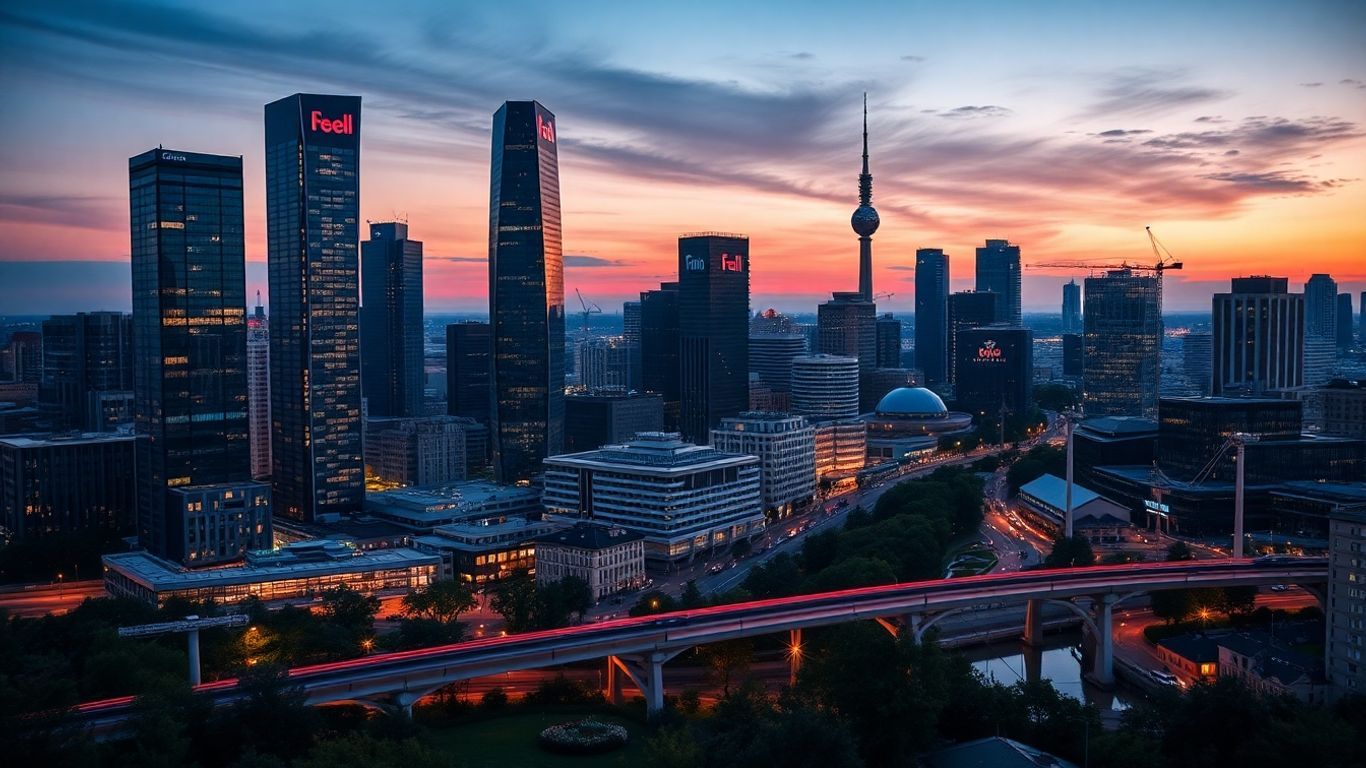
Berlin consistently impresses observers with its singular blend of tolerance, profound cultural ambition, and an expanding reservoir of talent. It presents itself as a city that feels simultaneously steeped in history and distinctly forward-looking, thereby solidifying its role as a significant—indeed, pivotal—player within the global innovation landscape.
Among its most ambitious undertakings is the Berlin TXL redevelopment—a visionary project transforming the former Tegel Airport into a dynamic hub for research, industry, and residential living. This truly massive endeavor aims to generate thousands of employment opportunities in critical sectors such as clean energy and advanced mobility, all energized by an innovative, sustainable thermal network. It stands as an unequivocal testament to Berlin's steadfast commitment to future-proof urban development.
Beyond these expansive infrastructure initiatives, Berlin is also diligently cultivating an environment of creativity and community engagement. Projects such as the Reethaus, a distinctive architectural installation situated on the Spree riverfront, eloquently demonstrate the city's dedication to innovative design and inviting public spaces. The ongoing, highly successful cleanup of the Spree river has progressed to such an extent that residents are now, quite remarkably, organizing 'swim demos'—a powerful testament to the city's tangible environmental progress.
Berlin's burgeoning reputation is further bolstered by substantial investments in cutting-edge digital infrastructure, including the development of a major data-center campus specifically engineered to manage intensive AI workloads. This pronounced emphasis on technology, when harmonized with its dynamic arts scene and comparative affordability against other major European capitals, renders Berlin an exceptionally appealing destination for both established businesses and individual innovators. Moreover, the city is proactively enhancing its public transport network, with new metro lines and rail extensions in the planning stages—all designed to facilitate even more effortless urban mobility.
Consider, if you will, a concise overview of Berlin's key developmental initiatives:
- Urban Tech Republic: An exclusively dedicated zone for advanced research and industry, forming an integral part of the expansive TXL project.
- Schumacher Quartier: A thoughtfully planned residential district poised to accommodate a thriving community of over 10,000 residents.
- "berlin modern" Museum: The highly anticipated new Museum of the 20th Century, slated to open in 2027, is expected to substantially enrich the city's already robust cultural offerings.
- Data Center Expansion: Strategic investments in digital infrastructure are actively solidifying Berlin's pivotal role within Europe's rapidly expanding cloud computing network.
The city’s profound commitment to sustainability is conspicuously evident in visionary projects such as the low-energy thermal network at TXL and the ongoing, concerted efforts to significantly enhance the Spree river's water quality. These deliberate initiatives collectively underscore a practical, results-oriented approach to contemporary urban living.
With its remarkably dynamic economy, its exceptionally rich cultural scene, and its distinctly forward-thinking urban planning, Berlin is progressively solidifying its esteemed position as a leading smart city. For those intrigued, you can delve into some of its cutting-edge digital capabilities on the Data Hub Berlin prototype website, which notably launched in late 2025.
11. Madrid
Madrid is conspicuously elevating its stature as a smart and sustainable city, a transformation immediately visible in the widespread, massive green projects unfolding across its landscape. Authorities are actively engaged in cultivating Europe's most expansive metropolitan forest—the Bosque Metropolitano—which is envisioned as an immense arboreal ring encircling the city. This initiative isn't merely aesthetic; it represents a serious, concerted effort to ameliorate the urban climate and enhance overall livability. Furthermore, the city now boasts an impressively extensive electric bus fleet, lauded for its remarkable quietness and environmental cleanliness.
Among its most ambitious undertakings is Madrid Nuevo Norte—a monumental urban regeneration plan poised to transform a vast expanse of former railway land into a vibrant tapestry of homes, offices, and an innovative new transport hub. This project holds immense significance for the city's future growth trajectory and is already garnering considerable interest from the business community.
Madrid’s pronounced emphasis on sustainability and the cultivation of expansive green spaces stands as an unequivocal indicator of its distinctly forward-thinking approach to urban development. The city is strategically investing considerable resources in projects that yield substantial benefits for both the environment and its diverse resident population.
Beyond these large-scale infrastructure endeavors, Madrid is also actively enriching its cultural landscape. The Royal Collections Gallery serves as a significant attraction, and numerous neighborhood venues and cultural centers are currently undergoing revitalization or expansion. It is, in essence, a city that skillfully balances its profound historical roots with a vigorous impetus towards innovation and an better quality of life for everyone.
- Green Initiatives: Notably, the Bosque Metropolitano project, expanding cycle lanes, and a substantial electric bus fleet.
- Urban Regeneration: The ambitious Madrid Nuevo Norte project, designed to deliver innovative new housing and dedicated business spaces.
- Cultural Development: Encompassing new galleries, thoughtfully revitalized neighborhood venues, and expanded cultural hubs.
It is, indeed, exciting to observe how Madrid is seamlessly integrating these intelligent solutions into its very urban fabric. The city is also making preparations to host significant events, such as the Smart City Expo 2025—a clear affirmation of its pivotal role as a hub for urban innovation. Madrid is, without question, a key location for crucial discussions pertaining to smart city development.
12. Toronto
Toronto, serving as Canada's most populous city, is conspicuously forging a formidable reputation on the global innovation stage. It stands as a magnet for brilliant minds, an attraction partially attributable to its formidable universities—institutions like the University of Toronto, York University, and Toronto Metropolitan University, all consistently earning high rankings. This profound emphasis on advanced education ensures Toronto boasts one of the most educated populations globally, a factor that, in turn, vigorously fuels both established corporate giants and a vibrant, burgeoning startup ecosystem.
What is equally noteworthy is the city's remarkable demographic diversity. A substantial proportion of its residents are foreign-born, contributing a rich tapestry of varied perspectives and invaluable skills. This pervasive growth is discernible throughout the urban landscape, from the emergence of new architectural developments to the ongoing transformative projects along its waterfront. The city is investing considerably in its public spaces, exemplified by the expanded Biidaasige Park, and is diligently preparing to host major international events, including the FIFA World Cup in 2026.
Let's consider a few salient aspects of Toronto's robust smart city initiatives:
- Education Hub: Firmly anchored by world-class universities, Toronto consistently achieves high rankings for educational attainment, thereby cultivating an exceptionally skilled workforce.
- Immigration Magnet: The city's inclusive policies and abundant opportunities successfully attract talent from across the globe, significantly enriching its dynamic culture and robust economy.
- Urban Development: Substantial investments are being channeled into critical infrastructure, public parks, and premier event spaces, all designed to elevate the quality of life and draw significant global attention.
- Innovation Ecosystem: A harmonious blend of established multinational corporations and a thriving startup environment actively fosters a culture of profound technological advancement and innovative new business creation.
Toronto is proactively charting its future trajectory by strategically emphasizing its people, its foundational infrastructure, and its pivotal role as a global nexus for talent and innovative ideas. The city’s profound commitment to progressive development and genuine inclusivity is unequivocally manifest in its array of ongoing projects and its well-earned reputation as an eminently desirable place to both reside and pursue professional endeavors.
Indeed, the city's sustained developmental momentum and its remarkable capacity to draw global talent collectively position it as a truly distinctive leader within the smart city landscape.
13. Sydney
Sydney is markedly enhancing its urban offerings, confidently transcending its reputation as merely a picturesque city defined by its iconic harbor. The city's ambitious "24-Hour Economy" strategy is genuinely yielding tangible results, manifesting in an increased number of late-night establishments and the emergence of innovative entertainment zones. This dynamic evolution is particularly commendable, especially considering the city proudly boasts some of the finest air quality globally.
Expansive infrastructure projects also constitute a pivotal element of Sydney's strategic smart city impetus. The Sydney Metro's City & Southwest line is now fully operational, effectively linking new stations such as Barangaroo and Martin Place. By 2026, the entire metro system is projected to achieve full operational frequencies, a development that will considerably streamline urban transit. Moreover, the Western Sydney International Airport is slated to open in 2026, and remarkably, it will even feature its own dedicated metro line by 2027. These advancements are poised to fundamentally transform travel patterns to and from the city.
Let's briefly examine some pivotal developments shaping Sydney's future:
- New Metro Lines: This involves the strategic expansion of public transport connectivity throughout the broader metropolitan area.
- 24-Hour Economy Initiatives: Designed to stimulate late-night activities and encourage businesses to operate longer, thereby invigorating city life.
- Sustainability Goals: The City of Sydney is actively progressing towards achieving net zero emissions by the ambitious target of 2035.
Sydney’s dedicated focus on seamlessly integrating technology with contemporary urban living is plainly evident in its suite of ongoing projects. The city, it appears, isn't merely constructing new infrastructure; it is, rather, fundamentally rethinking how its citizens live, work, and engage in leisure, all with the overarching goal of fostering a more dynamic and sustainable urban environment.
Looking ahead, transformative projects such as Atlassian's new headquarters at Central Station—anticipated for completion in 2027—are poised to further invigorate the burgeoning startup scene and forge tighter connections with universities and major transport hubs. This caliber of development undeniably contributes significantly to Sydney's escalating reputation as a prominent hub for innovation and robust economic activity.
14. Amsterdam
Amsterdam, in a notable shift, is increasingly prioritizing its residents, even while maintaining its welcoming stance towards visitors. It appears the city has embarked on a deliberate, serious strategic reorientation, and frankly, these efforts are proving highly beneficial. The city notably secured the #11 position in our overall Livability index—an undeniably impressive achievement.
Among the significant new additions this year is the Rosewood Amsterdam, which inaugurated in May within the historic Palace of Justice building, gracefully situated on the Prinsengracht. Boasting 134 rooms, three distinct restaurants, and a luxurious pool, its opening feels like a palpable vote of confidence in the capacity of this historic canal district to elegantly host guests.
Then there's the formidable Zuidasdok project. Affectionately dubbed the “Financial Mile,” this represents a truly monumental undertaking. The strategic plan involves submerging a substantial section of the A10 South highway underground and considerably enlarging the Zuid station, thereby transforming it into the city's second-largest train hub by the early 2030s. The overarching vision is to forge a dynamic mixed-use area, replete with modern offices, residential apartments, vibrant cultural venues, and inviting public green spaces. Leading corporations such as ABN AMRO and Boston Consulting Group have already expressed considerable interest.
What precisely is drawing such interest? Amsterdam's exceptionally highly educated workforce serves as a significant magnet. Furthermore, Schiphol Airport, impressively ranked 14th globally, is evolving into more than just a transit point—it's becoming a destination in its own right. They even recently renovated a nearby hotel, notably featuring a retired Boeing 747 in its garden, available for public tours.
Let's take a concise look at some pivotal aspects defining Amsterdam's progress:
- Focus on Residents: A pronounced strategic shift towards elevating the quality of life for those who call the city home.
- Infrastructure Development: Ambitious, large-scale projects such as Zuidasdok are actively transforming and enhancing the urban landscape.
- Economic Hub: Consistently attracting discerning international businesses, drawn by its highly skilled workforce and exceptional connectivity.
- Hospitality Growth: The emergence of new luxury hotels and the revitalization of existing areas are adeptly catering to both its residents and a growing number of visitors.
The city is skillfully maintaining a delicate balance between its inherent historic charm and contemporary urban development, all with the overarching aim of achieving sustainable growth—growth that genuinely benefits every individual who proudly calls Amsterdam home.
15. Stockholm
Stockholm, Sweden's captivating capital gracefully spanning 14 islands, stands as both a dynamic hub of innovation and an exceptionally desirable place to reside. The city is resolutely embracing sustainability, exemplified by visionary projects such as Stockholm Wood City—poised to become the world's largest neighborhood constructed primarily from mass timber. This ambitious initiative seeks to deliver thousands of homes and workplaces utilizing low-carbon materials, aligning perfectly with Stockholm's already impressive ranking for green spaces and its core philosophy of seamlessly integrating nature into daily urban life.
Beyond its commendable green initiatives, Stockholm is also consistently drawing substantial investment. The city proudly features top-tier universities such as KTH and Karolinska Institutet, which collectively contribute to a robust and highly skilled talent pool. This academic strength has, in turn, fueled a notable surge in foreign direct investment, particularly within burgeoning tech sectors like optical communications and artificial intelligence. The Hagastaden area, for instance, is rapidly evolving into a prominent center for life sciences, marked by the opening of cutting-edge new laboratories and advanced research facilities.
Let's examine some salient aspects of Stockholm's distinguishing characteristics:
- Educational Attainment: Impressively ranked #8 globally, this metric eloquently reflects the inherent strength of its esteemed universities and pioneering research institutions.
- Green Space: Holding the #14 position, this ranking underscores the city's profound commitment to integrating nature and providing easily accessible outdoor recreational areas.
- Labor Force Participation: Also ranked #14, this figure clearly indicates the presence of a robust, engaged, and actively employed workforce.
Stockholm is vigorously striving to meet global environmental objectives, meticulously aligning its strategies with established frameworks that guide urban centers in confronting pressing environmental challenges. This deep-seated commitment is clearly discernible across its comprehensive urban planning initiatives and its cutting-edge technological advancements.
The city's unwavering focus on sustainable development, synergistically combined with its robust educational foundation and rapidly expanding tech sector, unequivocally positions Stockholm as a truly forward-thinking smart city. The continuous development of innovative new residential and commercial districts, coupled with strategic investments in advanced research and groundbreaking innovation, collectively points towards an exceptionally bright future for this distinguished Nordic capital.
16. Copenhagen
Copenhagen consistently impresses with its steadfast dedication to its populace and its robust cycling culture. The city's profound commitment to fostering an exceptional quality of life is patently evident throughout—from its impeccably clean harbor waters, now invitingly safe for swimming, to its dynamic and vibrant street life.
The recent inauguration of the M4 Sydhavn metro extension, encompassing five innovative new stations, markedly enhances urban connectivity, seamlessly linking areas such as Enghave Brygge and Sydhavnen directly to the bustling city center. This development streamlines intra-city travel even further, thereby reinforcing Copenhagen's impressive top global rankings for both cycling infrastructure and overall walkability.
Ambitious urban development remains a central theme here. Transformative projects such as Jernbanebyen, an expansive former rail yard situated near the central station, are being skillfully reimagined into dynamic mixed-use districts—meticulously designed to cater to both families and burgeoning new businesses. Green initiatives also command high priority, exemplified by developments like Fælledby, which emphasizes sustainable timber construction and dedicated efforts to preserve vital natural habitats.
Looking towards the future, several significant infrastructure projects are well underway. The Lynetteholm project, an ambitious endeavor to construct a large new island within the harbor, is visibly progressing, with its stone embankments steadily emerging from the water. This monumental undertaking is designed to provide crucial storm surge protection for generations to come, while also strategically planning for innovative new transit links and essential housing provisions.
Copenhagen's widespread appeal is further amplified by its thriving tourism sector. The city's airport recorded a record-breaking number of passengers last year, and innovative new waterfront attractions, such as the picturesque Harbour Circle path, effortlessly enable both visitors and locals to fully appreciate the city's stunning scenic coastline.
| Metric | Rank (Global) |
|---|---|
| Biking | #1 |
| Walkability | #2 |
| Metro Population | 2,198,000 |
17. Zurich
Zurich, Switzerland's largest and most dynamic city, consistently earns top rankings for livability, and the reasons are quite evident. It stands as a place that fundamentally prioritizes efficiency, environmental stewardship, and—remarkably—a minimal reliance on car traffic. While already a global leader in fostering robust biking and walking infrastructure, the city is far from complacent. Ambitious plans are actively underway to implement even more dedicated bike lanes and cyclist-friendly signals, alongside a novel orbital tram line specifically engineered to link burgeoning peripheral areas without exacerbating downtown congestion.
Zurich, in essence, serves as a quintessential example of how a city can seamlessly integrate an exceptionally high quality of life with truly forward-thinking urban development strategies.
Let's take a concise look at some pivotal areas of focus:
- Mobility: The city is diligently expanding its comprehensive public transport network, introducing new tram lines and strategic extensions to suburban rail services, thereby simplifying car-free movement.
- Green Spaces: Zurich maintains an unwavering commitment to safeguarding natural habitats amidst its urban development, meticulously balancing necessary new construction with paramount environmental protection.
- Innovation Hub: Firmly anchored by prestigious universities like ETH Zurich, the city functions as a vibrant hotbed for burgeoning startups, consistently attracting substantial investment and top-tier talent.
The city’s comprehensive approach to urban planning resolutely prioritizes both its people and profound sustainability, thereby cultivating a clean, remarkably safe, and demonstrably happy environment for its residents and visitors alike. This unwavering focus on holistic well-being is unequivocally evident in every facet of its design—from its efficient public transport systems to its steadfast commitment to pioneering green initiatives.
Corporate investment, moreover, remains robust, with major technology companies expanding their operational presence, which further cements Zurich's esteemed position as a pivotal hub for business and innovation. The city's profound dedication to continuously enhancing its infrastructure and elevating its quality of life renders it a truly standout entity within the global smart city landscape, consistently showcasing exceptional efficiency in urban living.
18. Hong Kong
Hong Kong persistently asserts itself as an undisputed powerhouse of global business, even amidst its navigation through evolving political landscapes. The city’s singular amalgamation of Eastern and Western influences, tradition interwoven with modernity, ensures its enduring vibrancy. Indeed, one can seamlessly transition from exploring ancient fishing villages to indulging in high-end retail therapy within the span of a single day.
The city's foundational infrastructure is presently undergoing a significant enhancement, strategically aimed at solidifying its paramount position as a global hub. The Hong Kong International Airport, for example, recently finalized its Three-Runway System and is actively expanding Terminal 2, a project anticipated for completion by the close of 2025. This expansion translates directly into substantially increased capacity for both air travelers and vital cargo logistics.
Let's briefly survey some pivotal developments:
- AsiaWorld-Expo: This prominent venue is already experiencing a densely packed events calendar for the entirety of 2025.
- Kai Tak Sports Park: This impressive new 50,000-seat venue, which opened this year, is poised to host significant sporting events and major concerts.
- The Henderson: A striking new corporate edifice located in Central, it is successfully attracting high-profile tenants.
- Northern Metropolis: This comprehensive program is dedicated to cultivating innovative spaces in close proximity to Shenzhen, thereby actively fostering critical cross-border collaboration.
Despite various challenges it navigates, Hong Kong's intrinsic spirit of pride and profound passion distinctly shines through. Its consistently high ranking in Google Trends, moreover, unequivocally demonstrates the world's enduring and keen interest in the vibrant offerings of this dynamic city.
19. Shanghai
Shanghai is unequivocally embracing the attributes that position it as a truly standout metropolis in 2025. Picture this: dazzling city lights, expansive family attractions, and trade shows that are, quite frankly, unparalleled globally. It is, by all accounts, a place that masterfully integrates serious business endeavors with vibrant leisure pursuits.
This immense metropolis, boasting a staggering metro population exceeding 28 million, persistently captivates with its dynamic energy. Shanghai is resolutely reinforcing its core strengths: a vibrant nightlife scene, captivating family-friendly mega-attractions, and a roster of world-class trade shows.
When one considers entertainment, Shanghai presents an exceptionally rich and diverse offering. The city consistently earns high marks for its family-friendly attractions, featuring venues like the innovative indoor Snow World resort, which guarantees year-round enjoyment. Across the metropolis, Shanghai Disney’s Zootopia remains a significant draw, continually enhanced by fresh programming. The nightlife scene is equally effervescent, extending from the sophisticated rooftops of the Bund to the revitalized Suzhou Creek area, where new riverwalks and vibrant live music venues are steadily drawing enthusiastic crowds.
Shanghai also conspicuously excels in its robust business and innovation sectors. The National Exhibition and Convention Center in Hongqiao stands as one of the world’s largest, regularly hosting pivotal events such as the China International Import Expo. Concurrently, the Lingang Special Area is actively propelling advanced manufacturing initiatives, notably including Tesla’s cutting-edge new Megapack plant. This profound emphasis on innovation forms a critical component of Shanghai's smart city development strategy, firmly establishing it as a preeminent hub for future technologies and industries. This relentless drive is clearly mirrored in events like Tomorrow City Shanghai 2025, which dedicatedly focuses on fostering global smart city innovation and facilitating knowledge exchange [f102].
For a brief overview of Shanghai’s undeniable strengths, consider these points:
- Family Attractions: The city boasts an array of year-round resorts and engaging theme parks, ensuring entertainment for visitors of all ages.
- Nightlife: Offering a truly diverse spectrum of evening entertainment, from sophisticated rooftop bars to vibrant live music venues.
- Business & Trade: It is home to colossal convention centers and a growing advanced manufacturing sector.
- Connectivity: Ongoing, systematic upgrades to its crucial infrastructure, encompassing airports and public transport, ensure the city maintains its relentless pace.
Shanghai’s remarkable ability to artfully balance monumental urban development with a rich array of vibrant cultural and entertainment offerings renders it a profoundly compelling paradigm of a modern smart city.
20. San Jose
San Jose, unequivocally the heart of Silicon Valley, stands as a city that authentically embodies its formidable reputation for innovation and robust economic strength. It consistently achieves high rankings across pivotal metrics, definitively demonstrating that the widespread acclaim it receives is firmly substantiated by empirical data. This metropolis serves as an undisputed powerhouse for economic output and proudly cultivates a thriving business ecosystem.
While the technology industry remains its primary economic engine, San Jose is simultaneously engaged in proactive efforts to enhance its urban living environment. This commitment is visibly demonstrated in projects such as the conversion of CityView Plaza, which involves transforming existing office space into much-needed residential units—an initiative designed to inject renewed vitality into the downtown core. This type of adaptive development is, indeed, crucial for maintaining the city's dynamism.
Let’s examine some of San Jose’s inherent strengths:
- Economic Output: San Jose consistently leads in this metric, clearly signaling its formidable financial foundation.
- Business Ecosystem: It's a premier destination for burgeoning new businesses and sustained technological growth.
- Standard of Living: The city also performs commendably in this regard, skillfully balancing its high-tech focus with an appreciable quality of life for its residents.
Furthermore, significant infrastructure projects are progressing, such as the BART Silicon Valley Phase II extension. While this undertaking possesses a longer projected timeline, it promises substantially improved transit connections for the entire region—a critical factor for future growth and strategic development around pivotal areas like Diridon Station.
Beyond these expansive urban projects, San Jose is also witnessing the emergence of new hotels and retail establishments, exemplified by developments at Westfield Valley Fair. These ongoing initiatives collectively indicate a consistent consumer demand and reflect a city perpetually focused on future advancement.
21. Barcelona
Barcelona, a city long celebrated for its breathtaking architecture and undeniable Mediterranean charm, is currently making substantial progress in harmonizing its global allure with the fundamental well-being of its residents. The municipality is proactively engaged in numerous projects specifically designed to enhance urban living, all while meticulously preserving its distinctive and vibrant character.
The city is steadfastly prioritizing public space and championing sustainable transport, effectively transforming bustling thoroughfares into inviting pedestrian-friendly zones. This strategic approach is clearly manifested in initiatives such as the Consell de Cent corridor, which has skillfully converted several city blocks into verdant promenades—an integral component of a larger network of "superblocks" expressly designed to reclaim urban space for human-centric use.
Among the key initiatives and developmental efforts, one can highlight:
- Urban Redevelopment: Projects are intently focused on reclaiming vital public space and cultivating additional green areas within the city's core.
- Sustainable Mobility: Strategic investments in public transit and dedicated cycling infrastructure are progressively making car-free movement both easier and considerably more enjoyable.
- Economic Growth: Barcelona is actively drawing substantial investment into pivotal tech sectors like AI and cybersecurity, signaling a forward-looking economy.
While the city undeniably confronts the complex challenge of managing a significant influx of tourists, its leadership is judiciously implementing proactive policies. These include, for instance, stricter regulations concerning short-term rentals—measures designed to ensure both long-term sustainability and adequate housing availability for its citizens. This meticulously careful approach strives to safeguard the distinctive qualities that render Barcelona unique, all while adeptly adapting to the evolving needs of a modern, expanding metropolis.
Barcelona’s profound commitment to enhancing its public spaces and vigorously promoting sustainable transport unequivocally demonstrates a clear, compelling vision for a more livable and genuinely people-centered urban environment. This strategic emphasis on quality of life, coupled with its burgeoning tech sector, definitively positions the city for sustained innovation.
22. Rome
Rome, perennially known as the Eternal City, is indeed living up to its venerable name with remarkable vigor in 2025. It stands as a profound locus where ancient history gracefully converges with modern innovation, and this year, it is particularly effervescent. The city recently hosted the Jubilee, an event that drew millions of visitors and, crucially, initiated a widespread wave of urban improvements.
Consider it as a city receiving a fresh coat of paint, yet one applied with significantly greater depth and strategic intent. Streets are notably improved, crucial landmarks have undergone meticulous restoration, and engaging new cultural venues are emerging. For instance, Largo di Torre Argentina, a site of profound historical significance, has been transformed into an accessible archaeological park. Moreover, major art exhibitions are underway, including those showcasing the masterpieces of Caravaggio. These concerted efforts thoughtfully build upon recent enhancements, such as the expanded spaces at the National Gallery of Modern and Contemporary Art and the painstaking conservation work completed on the iconic Trevi Fountain.
Here’s a quick look at some of the city's stats:
| Category | Metric |
|---|---|
| Metro Population | 4,306,000 |
| Sights & Landmarks Rank | Top 5 |
| Livability Rank | Top 5 |
| Lovability Rank | Top 5 |
The city is presently experiencing a significant influx of investment—directed not solely at its myriad historical sites, but also substantially towards its foundational infrastructure. New metro stations are progressively opening, and there are strategic plans for comprehensive mixed-use developments, explicitly designed to cultivate vibrant new areas for both living and working. This dynamic transformation positions Rome not merely as an unparalleled tourist destination, but as a city actively growing and thoughtfully adapting to meet the evolving needs of its residents.
Beyond the historical and cultural revitalization, Rome is also markedly enhancing its hospitality sector. A number of new luxury hotels are opening their doors, and even long-established establishments are undergoing meticulous makeovers. This concerted focus on elevating the visitor experience, coupled with ongoing urban development projects—such as the expansion of new metro lines—unequivocally demonstrates Rome's serious commitment to its future as a leading global city.
23. Vienna
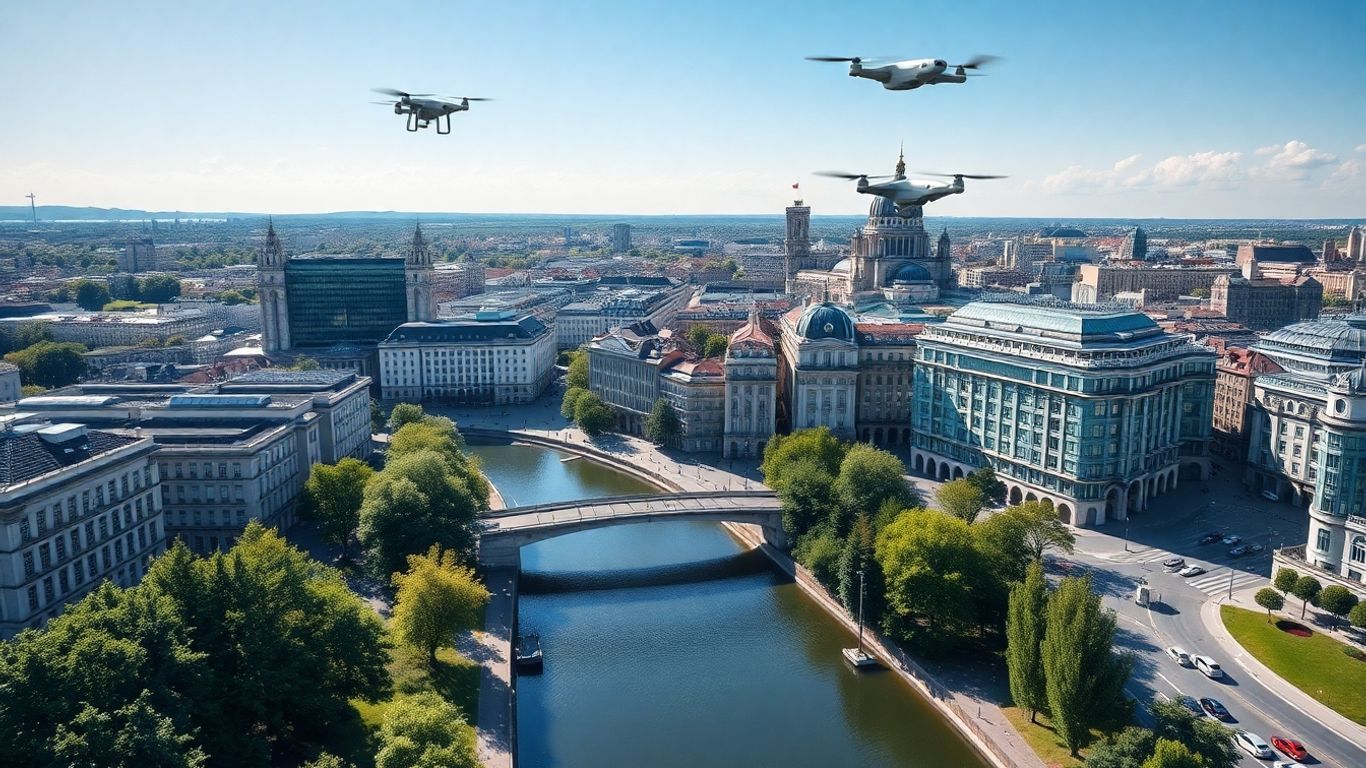
Vienna, the distinguished Austrian capital, is conspicuously elevating its game in the realm of smart city development. Its approach, it is crucial to note, transcends mere technological implementation; it is fundamentally centered on enhancing the quality of life for every individual who calls it home. The city’s foundational vision is unequivocally to cultivate a livable, inclusive, and climate-resilient environment for all its inhabitants. This overarching guiding principle meticulously informs every undertaking, from extensive infrastructure projects to more localized community initiatives.
Among its most impressive attributes is Vienna's profound commitment to sustainable living and the cultivation of abundant green spaces. This is vividly manifest in its extensive network of dedicated bike lanes and inviting pedestrian-friendly areas, which consistently achieve high global rankings. Visionary projects such as the Nordbahnviertel and Aspern Seestadt are systematically introducing new housing and essential amenities, all while strategically prioritizing effortless access via public transport, including the continuous expansion of the U2/U5 metro line. This acute focus on seamless connectivity genuinely makes navigating the city an absolute pleasure.
Beyond its robust infrastructure, Vienna also serves as a vibrant nexus for culture and holistic well-being. The meticulously revamped Wien Museum stands as just one compelling example of how the city is investing in its profound cultural heart. Moreover, with inviting locales such as Danube Island providing miles of car-free recreational opportunities and innovative floating saunas, it becomes abundantly clear that public health and leisure pursuits are deeply interwoven into the fabric of daily life. The city is, furthermore, an expanding center for life sciences and clean technology, consistently attracting significant investment and top-tier talent.
Vienna’s comprehensive approach serves as an excellent paradigm of how an urban center can effectively prioritize both cutting-edge technological advancement and the paramount quality of life for its citizenry. It is, undeniably, a holistic strategy that thoughtfully encompasses environmental stewardship, community vitality, and robust economic growth.
For a concise overview of Vienna's distinguishing strengths, consider these points:
- Sustainable Transport: Consistently achieving high rankings for both biking infrastructure and walkability, further bolstered by its expanding public transit network.
- Green Living: Featuring abundant green spaces and diverse recreational areas, prominently including Danube Island.
- Innovation Hub: Demonstrating a burgeoning presence in the pivotal life sciences and clean technology sectors.
- Cultural Richness: Boasting a vibrant arts scene and a wealth of historical landmarks.
Vienna is unequivocally showcasing a masterclass in building a truly future-proof city, thereby securing its position as a remarkable standout within the global smart city landscape.
24. Dublin
Dublin, a city steeped in rich history, is currently making significant advancements within the smart city landscape. It presents itself as a compelling locale that skillfully intertwines its old-world charm with a distinctly forward-thinking approach to contemporary urban living. One can almost sense this unique energy while navigating its streets—an vibrancy born from the seamless integration of established enterprises and a burgeoning, dynamic startup culture.
The city’s profound commitment to enhancing the daily lives of its residents is undeniably evident in its strategic focus on both connectivity and the provision of green spaces. Authorities have been diligently endeavoring to render the city center more accessible and genuinely pleasant for all. This encompasses concerted efforts to mitigate traffic congestion in core areas and to establish safer, more dedicated routes for cyclists. Fundamentally, it's not merely about deploying novel technologies; it is, rather, about optimizing the city's functionality for the benefit of those who inhabit and work within it.
Let’s examine some pivotal areas where Dublin is conspicuously excelling:
- Walkability and Biking: Dublin achieves high rankings for the ease with which one can navigate on foot or by bicycle. Strategic plans are actively in motion to interconnect various parts of the city, such as the Docklands and Grand Canal areas, through safer, dedicated cycling paths. This significantly enhances the appeal and practicality of choosing active modes of transport.
- Economic Growth: The city is successfully drawing substantial investment, notably within the dynamic tech and life sciences sectors. This robust growth is underpinned by strong educational institutions that consistently supply a pipeline of skilled workers, thereby anchoring companies within the region.
- Quality of Life: Dublin consistently performs commendably regarding its standard of living. This is reflected in the city's inherently compact nature and the continuous efforts to elevate public spaces and transport infrastructure, collectively rendering it a highly desirable place to reside.
Dublin’s underlying approach appears to be one of astute, smart growth, intently focused on seamlessly integrating new developments with its existing urban fabric. It is, by all indications, a delicate balancing act that is yielding palpable dividends, thereby cultivating a city that is simultaneously innovative and profoundly livable.
25. Helsinki and more
Helsinki, the capital of a nation consistently celebrated for its high happiness rankings, is resolutely committed to enhancing the quality of life for its citizens. This dedication is profoundly manifest in its extensive efforts directed towards sustainable transportation and enriching cultural initiatives.
A particularly significant undertaking is the Kruunuvuori Bridge, engineered with an impressive 200-year lifespan. It is poised to become one of the world's longest bridges designed exclusively for trams, pedestrians, and cyclists. Pedestrian access is anticipated in 2026, with trams following in 2027. This ambitious bridge is an integral component of the broader $355 million "Crown Bridges" project, which encompasses five new bridges. The overarching objective is to strategically prepare the city for anticipated population growth and to further enhance its already robust public transit system.
Key Initiatives:
- Green Mobility: This includes the expansion of tram lines and enhanced pedestrian/cyclist infrastructure, notably exemplified by the innovative new Kruunuvuori Bridge.
- Cultural Hubs: Actively hosting prestigious events such as the Helsinki Biennale, which skillfully showcases contemporary art within evocative natural settings.
- Urban Development: Thoughtfully revitalizing key waterfront areas like Makasiiniranta with the introduction of new museums and inviting public spaces.
Helsinki is powerfully demonstrating that thoughtful urban planning—planning that centers on the well-being of its residents—is not merely a luxury, but rather an essential entitlement for everyone. The city takes deliberate measures to ensure nature remains effortlessly accessible, boasting two national parks in close proximity and an extensive, well-connected cycling network.
Beyond its infrastructure, Helsinki is also notably enhancing its hospitality sector. The Hotel Maria, which opened its doors in late 2023, has already garnered recognition in prestigious travel guides. In the vicinity, the new Solo Sokos Hotel Pier 4 forms part of a contemporary waterfront complex that conspicuously champions climate-friendly design. These establishments are ideally suited for visitors attending events such as the Helsinki Biennale, which will bring captivating art installations to the city's islands in the summer of 2025.
For those considering investment opportunities or establishing a business, Helsinki presents an exceptionally high quality of life. With national parks such as Nuuksio and Sipoonkorpi conveniently accessible via the metro, coupled with a robust cycling culture, balancing professional pursuits with immersion in nature is remarkably straightforward. This profound emphasis on well-being is clearly mirrored in its impressive high ranking for air quality. Moreover, the city center is becoming increasingly walkable, augmented by new developments like the revitalized Makasiiniranta waterfront, which is slated to include an innovative new museum dedicated to architecture and design.
Looking Ahead: The Evolving Smart City Landscape
We've certainly delved into some of the foremost cities making significant strides in 2025. It's unequivocally clear that urban centers are in a perpetual state of flux—with some established favorites steadfastly maintaining their lead, while intriguing new contenders are truly beginning to distinguish themselves. What truly captivates is observing how these cities are adeptly confronting multifaceted challenges, ranging from expanding populations to fundamental economic shifts. Their strategies, it turns out, are not merely about deploying advanced technology; rather, they are profoundly focused on enhancing the overall quality of life for their inhabitants. As we progress, it will undoubtedly be fascinating to witness how these dynamic urban centers continue to innovate and adapt, thereby shaping the very future of how we live, work, and interact. The transformative journey of the smart city, indeed, is far from its conclusion, and the forthcoming years promise an abundance of even more exciting developments.
Frequently Asked Questions
What precisely constitutes a "smart city"?
A smart city, at its core, leverages technology and data analytics to significantly enhance the lives of its residents. This comprehensive approach can encompass a wide range of initiatives, such as optimizing public transport, fostering cleaner energy solutions, and streamlining municipal services for greater efficiency. Fundamentally, it's about making the urban environment function more effectively and beneficially for those who reside within it.
Why do major urban centers continue to spearhead smart city innovation?
Despite the rapid growth observed in emerging cities, larger metropolises typically possess greater access to substantial resources and benefit from more robust economies. This inherent advantage empowers them to invest considerably in pioneering new technologies and innovative concepts, thereby enabling them to evolve into even smarter and more efficient urban environments.
What metrics do cities utilize to assess their "smartness"?
Experts meticulously evaluate a multitude of factors, including the city's economic vitality, the educational attainment levels of its populace, the overall quality of life, the efficacy of its environmental stewardship, and the operational effectiveness of its governance. Collectively, these diverse indicators provide a comprehensive understanding of a city's "smart" capabilities.
Are urban centers in developing countries also advancing in smart city initiatives?
Yes, absolutely! While large, well-established cities certainly retain their influence, urban centers in developing countries are experiencing rapid growth and are rapidly ascending in global significance. They are increasingly contributing substantially to the world's economy and are actively discovering innovative and intelligent methods for sustained improvement.
Could you provide examples of smart city technology?
Smart cities deploy a diverse array of technologies. This can range from intuitive mobile applications designed to assist with parking, to sophisticated sensors that dynamically manage traffic signals, to advanced systems ensuring efficient waste collection, or even the strategic application of artificial intelligence to optimize the management of vital urban resources.
What are the tangible benefits of a "smart city" for its everyday inhabitants?
Fundamentally, being designated a smart city translates into a generally more streamlined and enhanced experience for its populace. Residents might enjoy reduced commute times, breathe cleaner air, navigate safer streets, and access superior public services. Ultimately, it is about cultivating a daily life that is both more convenient and genuinely enjoyable.


