


business resources
What Are 7 Essential Accessories Like Suit Lapel Pins?
03 Jan 2026

A suit is a cornerstone of any sharp wardrobe, but simply wearing the jacket, shirt, and trousers doesn't always feel complete. You might find yourself wondering how to inject a bit of your own personality into the ensemble. That's precisely where accessories—like the often-overlooked suit lapel pin—come into play. These small additions are fantastic for showcasing your personal style and helping you stand out from the crowd. Let's explore a few key accessories that can make all the difference.
Key Takeaways
- A tie clip’s job is to keep your tie perfectly in place; you'll typically position it between the third and fourth shirt buttons.
- Lapel pins are all about adding a decorative flair to your jacket’s lapel, making them a great way to express your individuality.
- Reserved for French or double cuffs, cufflinks fasten your sleeves and add a significant touch of polish.
- More than just a timepiece, a quality watch signals punctuality and can act as a status symbol that complements your entire outfit.
- A belt serves the dual purpose of holding up your trousers and defining your silhouette—just be sure to match its color to your shoes for a cohesive look.
1. Tie Clip
A tie clip, which you might also hear called a tie bar, is a clever little accessory with two main jobs: it keeps your tie neatly anchored to your shirt and adds a subtle dash of polish to your look. It’s a genuinely functional piece that stops your tie from swinging around or, even worse, dipping into your soup. One quick tip: if you're wearing a vest or a sweater that already covers your midsection, you can usually skip the tie clip, as those garments do the work of holding your tie in place.
So, how do you pick the right one? When you're selecting a tie clip, there are a couple of key things to remember. The width of the clip should never be wider than the tie it's holding. A clip that extends past the edge of your tie just looks off-balance. A great rule of thumb for placement is to slide it on between the third and fourth buttons of your dress shirt. This spot usually lines up perfectly with the widest part of your tie, known as the blade.
You'll find a huge variety of styles, materials, and finishes out there. Tie clips come in everything from polished silver and brushed gold to modern gunmetal and even colorful enamel designs. The secret is to coordinate the clip’s metal finish with any other metal accessories you have on, like your watch or cufflinks, to pull together a cohesive appearance. For example, if you're wearing a watch with a silver band, a silver tie clip is the natural choice.
Finally, always think about the occasion. A simple, unadorned metal clip is often your best bet for formal business settings or more conservative events. For less buttoned-up gatherings, or when you want to flash a little more personality, you could go for a clip with a subtle pattern or a pop of color. It’s a tiny detail, but it’s one of those things that makes a big impact on how polished you look.
2. Lapel Pin
Unlike a tie clip, a lapel pin isn't about function—it's all about fashion. This small decorative piece attaches to the lapel of a jacket, almost always on the left side. It doesn't hold anything together or serve any practical purpose; its entire job is to add a touch of personal style and flair to your outfit. Think of it as a quiet way to express a piece of your personality without saying a single word.
You'll generally run into three main types of lapel pins:
- Floral Lapel Pins: As the name suggests, these are designed to resemble flowers and are often crafted from materials like fabric or felt. They can be quite eye-catching and are a wonderful way to add a splash of color or a unique texture, especially for more festive events.
- Stick Lapel Pins: These typically have a long, thin metal body with a decorative top. The needle simply passes through the lapel and is secured on the other side. They come in countless shapes, from clean geometric designs to more whimsical motifs like anchors or airplanes.
- Mini Pins (Enamel Pins): These tend to be smaller and more understated. They usually feature a short pin that goes straight through the fabric and is secured with a backing, like a butterfly clasp. They're an excellent choice if you're aiming for a more subtle accessory.
Where does it go? The placement of a lapel pin is typically on the upper part of the left lapel, often right where a buttonhole would be. If your jacket lacks a buttonhole, don't worry—you can carefully pin it directly through the fabric. For the best look, try to angle it so it follows the natural line of the lapel.
When you're deciding which pin to wear, just consider the event and the overall vibe you're going for. Floral and stick pins tend to make a bolder statement, whereas mini pins offer a more low-key addition. While they were once reserved for very special events, today you can rock a lapel pin at nearly any occasion that calls for dressing up, from a work conference to a night out. It’s a simple accessory that can make a surprisingly big difference.
3. Cufflinks
Cufflinks are small details that pack a major style punch when it comes to finishing your look. They are, in essence, decorative fasteners used to close the cuffs on a specific kind of shirt called a French cuff or double cuff shirt. These shirts skip the standard attached buttons and instead have buttonholes on both sides of the cuff, ready to be secured with a pair of cufflinks.
It helps to think of cufflinks as jewelry for your shirt. They have the power to elevate a simple shirt cuff and broadcast your attention to detail. While you'll most often spot them at formal occasions like weddings or crucial business meetings, they can also inject a bit of flair into a smart-casual outfit.
Here’s a quick primer on how they work:
- Shirt Type: First thing's first—you absolutely need a shirt with French cuffs (also called double cuffs) to wear cufflinks. These shirts have extra-long cuffs that you fold back on themselves, creating two layers with aligned buttonholes.
- Placement: The cufflinks pass through all four buttonholes on the cuff. The decorative face should always be visible on the outside of your wrist.
- Visibility: Here's the key to looking sharp: when your arms are resting at your sides, about an inch of your shirt cuff, including the cufflink, should peek out from under your suit jacket sleeve.
Choosing the right cufflinks can truly pull an outfit together, adding a personal touch without being loud or distracting. They're available in all sorts of materials, from classic metals like silver and gold to more distinctive options like enamel, stone, or even wood. The style you land on can say a lot about your personality and the level of formality you're aiming for.
4. Watch
Let's be clear: a watch is far more than just a tool for telling time; it’s a statement piece that can beautifully complement your suit. Sure, our phones can give us the time, but a well-chosen watch adds a level of class and personal style that a glowing screen just can't match. It communicates an attention to detail and a certain old-school sophistication.
When you're picking out a watch to wear with a suit, it helps to keep a few key points in mind:
- Style: It’s usually best to stick with classic designs. Think round faces with clean, uncluttered dials and either a leather strap or a metal bracelet. You'll want to avoid anything that feels overly sporty or bulky.
- Material: If you go with a leather strap, it should ideally match the color of your belt and shoes for a truly cohesive look. For metal bracelets, try to have them complement other metallic accessories you're wearing, like your cufflinks or tie clip.
- Size: The watch face ought to be proportional to your wrist. A diameter that doesn't exceed 42mm is generally a solid guideline for achieving a balanced, elegant appearance.
The right watch can subtly—but effectively—communicate your taste and your respect for punctuality. It's one of those accessories that, when selected with care, really does tie your entire ensemble together.
In formal settings, the watch should be visible but not ostentatious. The cuff of your shirt should typically cover the watch face when your arm is at rest, revealing it only when you check the time.
5. Tie
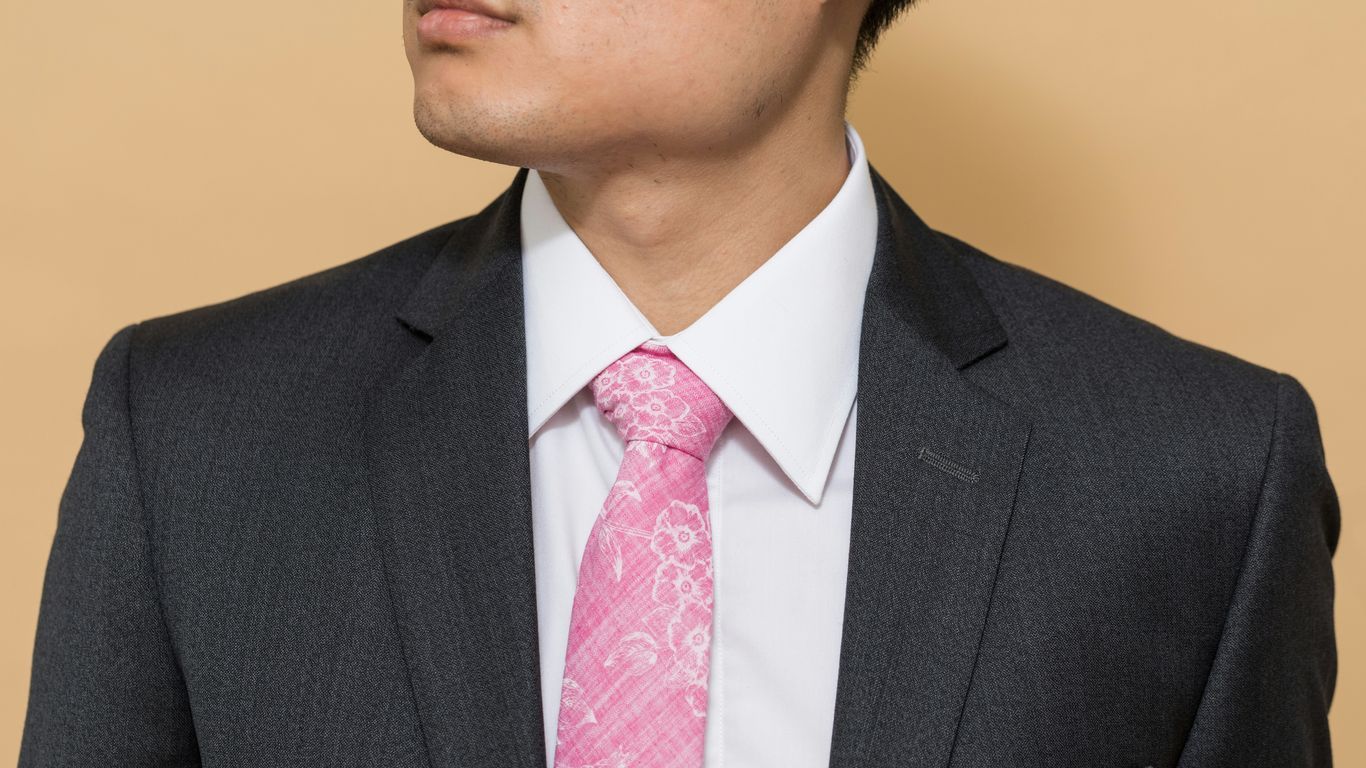
Of all the accessories, the tie is perhaps the most fundamental pillar of men's formal and business wear, and it offers a prime opportunity to express personal style. While it might seem like a simple choice, the decisions you make—from fabric and width to color and pattern—are numerous and have a real impact on your overall look.
A well-chosen tie can elevate a standard suit into a true statement of sophistication.
When you're pairing a tie with your shirt, always consider the interplay of patterns and colors. What does that mean in practice? If your shirt already has a busy pattern, a solid-colored or subtly patterned tie is often the smartest choice to avoid a chaotic look. On the flip side, a plain shirt can easily handle a more vibrant or boldly patterned tie, which can add a welcome dose of visual interest. Length matters, too; the tip of your tie should generally hit at or just above your belt buckle. Tie width is another consideration—wider ties often feel more traditional and formal, while narrower ones can lend a more modern, stylish vibe.
Here are a few more points to keep in mind when selecting a tie:
- Fabric: Silk is the timeless choice for formal events, while materials like wool or knit can add interesting texture and a more relaxed feel, perfect for cooler weather or smart-casual settings.
- Width: A good rule is to match your tie's width to your suit's lapels and your own body proportions. A standard width these days is typically between 2.75 and 3.25 inches.
- Knot: The knot you tie should be appropriate for the tie's thickness and the spread of your shirt's collar. A Four-in-Hand knot is wonderfully versatile, whereas a Windsor knot gives you a more substantial, symmetrical look.
The tie is more than just a piece of fabric; it's a focal point that can tie an entire outfit together. Pay attention to how it interacts with your shirt, suit, and even your overall demeanor.
6. Belt
A belt does more than just the practical job of holding up your trousers. While its function is certainly important—especially if your suit pants aren't tailored to a perfect fit—a belt also plays a key role as a style element. Anytime you're wearing a tucked-in shirt with an open blazer, your belt becomes a visual centerpiece that influences your outfit's overall impression. As a general rule, the color and material of your belt should coordinate with your shoes to create a polished, cohesive look.
When you're choosing a belt to go with a suit, consider these points:
- Width: For dress trousers, a belt width somewhere between 2.5 to 3.5 centimeters (about 1 to 1.4 inches) is usually the sweet spot. This width is substantial enough to be noticed but not so wide that it looks overpowering.
- Material: Leather is the undisputed classic choice for suits. The type of leather and its finish can vary, from smooth and glossy to more subtly textured.
- Buckle: You'll want to opt for a buckle that matches the formality of your suit. A simple, single-prong buckle with an understated design is almost always the best choice for a sophisticated appearance.
It's also worth acknowledging the debate about whether a belt is even necessary with a suit. If your trousers are custom-tailored to fit you perfectly, then from a functional standpoint, a belt might not be strictly needed. Even so, it can still provide that polished finishing touch and an extra opportunity to express your style. If you do opt for a belt, just make sure it harmonizes with your footwear. Brown shoes call for a brown belt, and black shoes call for a black one. It's a simple guideline that helps maintain a clean, unified aesthetic.
7. Suspenders
Often seen as a bit old-fashioned, suspenders are actually making a huge comeback as a sophisticated and stylish alternative to the belt. While they might conjure images of bygone eras, modern suspenders offer a classic way to hold up your trousers that's both practical and dapper. One of their biggest advantages is that they create a clean, unbroken silhouette—especially with a well-fitted suit—because they don't add the horizontal line across your midsection that a belt does.
When you're thinking about trying suspenders, here are a few key things to consider:
- Fastening Type: You'll mainly find two types. Button-on suspenders, which attach to buttons sewn along the inside of your trouser waistband, are the more traditional and secure option. Clip-on suspenders are also out there and offer more convenience, but they're generally considered a bit less formal.
- Strap Width: The width of the straps can change the whole vibe. Thinner straps tend to give off a more contemporary, trend-conscious feel, while wider straps look more classic and conservative. Your choice really depends on the formality of the event and your own personal style.
- Strap Configuration: The most common designs are Y-shaped (with one strap down the back) and X-shaped (with two straps crossing in the back). Y-straps are typically viewed as more formal and are well-suited for business attire, while X-straps can offer a slightly more casual or unique look.
It's a good idea to coordinate the color of your suspenders with your shirt and tie, particularly if you think you might take your jacket off. They should complement, not clash with, the rest of your outfit. And one final, crucial tip: wearing both suspenders and a belt at the same time is a definite style misstep, as it looks redundant and can make your waistline appear cluttered.
Putting It All Together
So, there you have it—a handful of ways to add that extra layer of polish to your suit. Accessories like tie clips, lapel pins, and cufflinks may seem like small details, but they truly make a significant impact. It’s not just about looking sharp; it’s about showing off your personality and making your outfit feel uniquely yours. Remember, you don't have to wear all of them at once. In fact, picking just one or two that suit the occasion and your personal taste is often the most effective approach. These are the details that help transform a standard suit into something that genuinely represents you.
Frequently Asked Questions
What is the main purpose of a tie clip?
A tie clip's main job is to keep your tie from swinging around by securing it to your shirt. It's a simple but effective accessory for maintaining a neat and sharp look all day long.
Can I wear a lapel pin with any suit?
Absolutely. Lapel pins work well with most suits and are a fantastic way to add a bit of personality to an otherwise simple jacket. Think of it as a small, stylish way to express yourself.
When should I wear cufflinks?
Cufflinks are designed for dress shirts that have French cuffs, which feature buttonholes on both sides instead of attached buttons. They're typically worn for more formal events or in professional settings to add an extra touch of class.
Does the color of my watch matter with my suit?
Yes, it certainly can. For a truly polished and cohesive look, it's a great idea to match the metal of your watch to other metals you're wearing, and match a leather strap to your belt and shoes.
How do I choose the right tie for my suit?
A good rule of thumb is to create balance. If your suit or shirt has a bold pattern, opt for a more subtle or solid-colored tie. If your shirt is a plain solid, feel free to choose a tie with a more interesting pattern or color to add some visual flair.
Should I wear a belt and suspenders at the same time?
No, it's best to choose one or the other. Both belts and suspenders are designed to hold up your trousers, so wearing them together is redundant and can make your midsection look cluttered.


