


business resources
What Are the 7 Secrets of Addictive Games?
13 Jan 2026

Ever wonder why some games are just so hard to quit? It’s not just you. Developers often use clever psychological tactics to hook players and keep them coming back for more. Digging into these methods really sheds light on why certain games feel so compelling—and exactly how they're made that way.
Key Takeaways
- Many games build habits by latching onto feelings like boredom, providing a quick escape or a mood boost.
- The feeling of unfinished business—like an incomplete level or quest—creates a powerful urge to return and see it through.
- Small, frequent rewards, such as points or flashy visuals, trigger bursts of satisfaction that keep our brains hooked.
- Quick wins and instant feedback give players a sense of accomplishment, making them feel good and eager to continue.
- Sounds, colors, and other sensory details are used to craft a more immersive and memorable experience.
1. Habit Formation Equals Win
Those games that truly stick with you—the ones you find yourself opening without a second thought—are often masters of a core psychological principle: habit formation. It's not just about being fun; it's about weaving the game into a routine, creating a predictable response to certain triggers. Think about it: you might automatically reach for your phone and launch a game during a moment of boredom or even slight stress. This is rarely by accident. Developers intentionally design games to become a seamless part of your daily rhythm.
This whole process typically kicks off with an internal trigger. Negative emotions, like feeling a bit lonely or simply having nothing on your plate, can nudge someone toward a familiar comfort. A well-designed game cleverly positions itself as that very activity, offering a predictable escape or a simple way to fill the void. For example, a game might serve up a simple, repeatable task that delivers a small but satisfying sense of accomplishment upon completion. This loop – trigger, action, reward – is the very foundation of how habits are formed.
Here’s a breakdown of how that cycle typically plays out:
- Trigger: A pang of boredom, a lull in conversation, or just a few spare minutes. This is the internal prompt.
- Action: Opening the game and engaging in a simple, often repetitive, in-game task.
- Reward: A small victory, a point scored, a level cleared, or even just a pleasing visual or sound effect.
- Investment: This might be the small amount of time you just spent, or perhaps a minor in-game choice that sets you up for future play.
When this cycle is repeated, it effectively trains the brain to link the trigger with the game. Over time, the game becomes the go-to solution for that trigger. It's a potent mechanism that leads to players returning day after day, often without any conscious decision-making. The goal is to make the game an automatic response, not unlike brushing your teeth before bed. That's a key reason why so many games are built around short, repeatable loops that can be squeezed into a busy schedule, making them perfect for quick gaming sessions.
The strongest habits aren't built on huge commitments, but on small, consistent actions that morph into automatic responses. Games that nail this principle become less of a choice and more of a reflex.
2. The Zeigarnik Effect: Unfinished Business Keeps Players Hooked
Have you ever tried to focus on something, only to find your mind wandering back to a task you left half-done? That persistent mental nudge is a well-known psychological phenomenon known as the Zeigarnik Effect. At its core, this means our brains have a peculiar knack for remembering incomplete or interrupted tasks far better than the ones we've actually completed. Game designers cleverly leverage this by making sure players always feel like there’s something left on their to-do list.
Think about it: a progress bar that’s tantalizingly close to full, a quest objective that’s just one item away, or a level you keep failing by the narrowest of margins. These aren't just frustrating coincidences; they are deliberate design choices intended to keep the game lodged in your mind. When a game dangles a challenge that feels *almost* conquered—it creates a powerful psychological pull. You know you’re on the cusp of success, and that feeling is a potent motivator to jump back in and finish the job.
This effect is especially powerful in gaming because it preys on our innate desire for closure. We’re wired to want to tie up loose ends. So, when a game constantly dangles a reward or a sense of completion just out of arm's reach, it manufactures a compelling reason to keep playing. It’s no longer just about having fun; it’s about satisfying that deep-seated drive to complete the task at hand.
The constant reminder of unfinished objectives, whether through visual cues like incomplete maps or auditory signals of pending tasks, keeps the game active in a player's thoughts, driving them to log back in and achieve that satisfying sense of completion.
Here’s how this often shows up in games:
- Near Misses: Games frequently engineer moments where you *almost* get it right. A coin just out of reach, a jump that falls short by a pixel—these create a strong desire to try again instantly.
- Incomplete Collections: Many games hook players with the goal of collecting items or characters. Once you're close to finishing a set, the urge to track down that last missing piece can be overwhelming.
- Unfinished Levels or Quests: Being stuck on a tough level or having a quest that’s 90% complete is a classic example. Your brain flags this as an unresolved problem, prompting you to return.
- Daily Login Rewards (Almost There): Sometimes, a daily reward streak is just one day from a big prize, making you feel compelled to log in again to avoid breaking the chain, even if you don't really feel like playing.
By constantly keeping players in a state of 'almost there,' games masterfully use the Zeigarnik Effect to ensure you'll be back, driven by that simple, yet powerful, need to finish what you started.
3. Dopamine Surges: The Brain’s Reward System
You know that rush you get when you finally conquer a tough boss or snag a rare item? That little jolt of pure satisfaction? You can largely thank dopamine for that. It’s a chemical messenger in your brain, and when something good happens (or when you simply anticipate it), your brain releases a bit of it. This creates a feeling of pleasure and makes you want to repeat whatever action brought on that great feeling.
Games are absolute masters at triggering these dopamine hits. Every time you score points, check off a task, or even see a positive visual flair, your brain gets a small dose. Developers carefully engineer these moments—often in small, frequent bursts—to keep players engaged. Think about the satisfying 'ding!' of collecting coins or the flashy animation when you level up. These aren't just decorative touches; they’re designed to tap directly into our brain's reward pathways.
Here’s how games typically leverage this system:
- Micro-rewards: Instead of one massive reward at the very end, games dish out lots of small rewards along the way. This keeps dopamine levels consistently stimulated.
- Anticipation: Interestingly, even the *thought* of a reward can release dopamine. Loading screens showing progress bars or teasing what’s next can keep you invested.
- Variable Rewards: Sometimes you get a small prize, other times a big one, and sometimes nothing at all. This unpredictability can make the eventual reward feel even more exciting.
The real trick is finding the right balance. Too much constant reward can desensitize the brain, leading to a need for bigger and bigger stimuli. Great game design finds that sweet spot where rewards feel earned and exciting, but not so constant that they lose their punch.
This steady, albeit small, stream of positive reinforcement simply makes playing feel good. It creates a powerful loop: you play, you get a reward, you feel good, and you want to play more. It's a straightforward concept, but it's incredibly effective at keeping players coming back for just one more round.
4. Instant Gratification Through Quick Wins
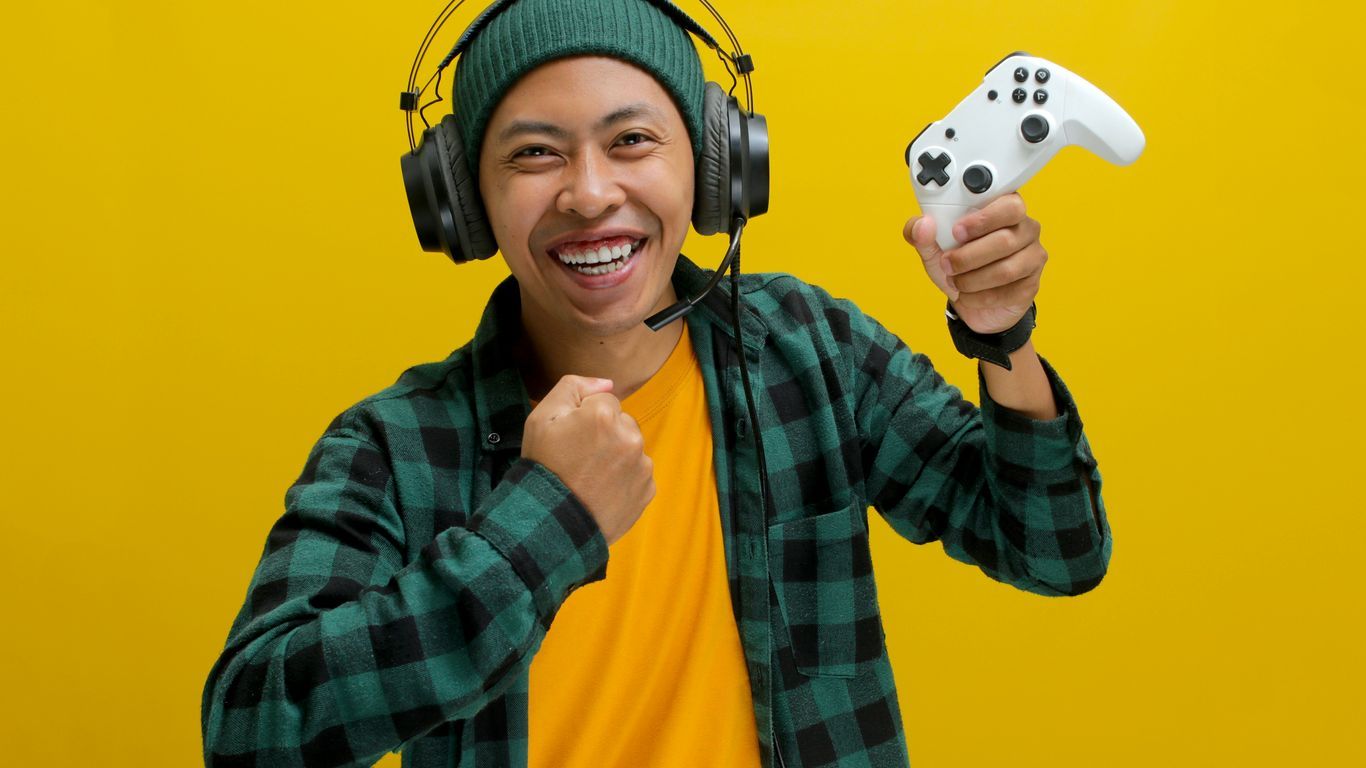
In a world where we're used to getting things instantly, it's no surprise that games have perfected the art of immediate gratification. One of the most effective ways games keep us hooked is by dishing out quick, frequent rewards. Think about it: you perform a small action, and almost immediately, you get a little win. This could be a "ding!" sound, a shower of on-screen coins, or a pop-up announcing you've leveled up. These tiny moments feel great because they trigger a release of dopamine, the brain's feel-good chemical that boosts happiness and motivation.
This constant flow of small victories is intentionally designed to keep us playing. It doesn't take a ton of effort to earn one of these wins, and they pop up all the time. This makes the game feel both accessible and rewarding, even if the ultimate goal is still a long way off. It's like being fed a small, tasty treat every few minutes. This approach also lowers the barrier to entry, making games appealing to just about anyone, not just seasoned players.
So, how do these quick wins actually work?
- Frequent Feedback Loops: Nearly every action you take is met with an immediate response. This feedback loop confirms you're on the right track and encourages you to keep at it.
- Low-Stakes Achievements: These wins are typically small and don't demand a huge amount of skill or time. This means you can get that satisfying feeling without a lot of frustration.
- Visual and Auditory Cues: Games use bright colors, exciting sounds, and lively animations to make these small wins feel even more significant and memorable than they are.
The central idea is to forge a tight loop: a player acts, gets an immediate positive response, and then feels driven to act again. It’s a short, sweet, and incredibly effective cycle for keeping players hooked session after session.
This strategy is especially potent in games designed for short bursts of play. The objective isn't to have players grind for hours on one complex task, but rather to deliver a series of satisfying micro-experiences that accumulate over time. It's all about making every moment feel like a small success, which makes the entire game feel compelling and worth coming back to.
5. Sensory Triggers: Engaging the Senses for Maximum Impact
The games that really get under our skin—the ones we can't stop thinking about—usually do more than just offer a good challenge. They actively engage our senses, creating a rich, multi-layered experience that’s hard to shake. When you think about it, a game that sounds, looks, and even feels right becomes exponentially more compelling.
Developers are well aware that our brains are wired to react to sensory input. Bright, vibrant colors can command our attention and signal success or danger. Catchy sound effects deliver immediate feedback, letting us know instantly when we’ve done something right—or wrong. Even subtle vibrations or haptic feedback can add a surprising layer of immersion, making the digital world feel a bit more tangible.
This isn't just about making a game look and sound good for the sake of it; it's about using these elements with purpose. That well-timed chime when you grab a coin, a flash of light when you clear a level, or a satisfying 'thump' when you land a jump—these are all meticulously designed to reinforce your actions and keep you in the zone. They forge a positive feedback loop that naturally encourages repetition.
Here’s how different senses are often targeted:
- Visuals: Bold colors, fluid animations, and satisfying special effects for achievements or failures. Think of the burst of confetti for a win or a sharp, red 'X' for a miss.
- Audio: Distinct sound cues for actions, background music that sets the game's mood, and memorable character voice lines. A simple 'ding!' can be remarkably powerful.
- Haptics (Touch): Controller or phone vibrations that align with in-game events, like an explosion or a successful hit. This adds a physical dimension to the whole experience.
The magic happens when these sensory inputs work in concert. When multiple senses are stimulated harmoniously, the game world feels more alive, deepening the player's connection to it and making it much harder to walk away.
It’s this careful orchestration of sights, sounds, and sometimes even touch that elevates a simple game into an experience that truly captures our attention and has us coming back for more.
6. Social, Social, Social
It's a simple truth: games that connect people have incredible staying power. When you can share your progress, engage in some friendly competition, or just chat with other players, the game transforms from a solo pastime into a vibrant, shared experience.
Just think about how many times you've seen someone post a game achievement on social media, or how a lighthearted rivalry with a coworker can ignite your desire to play. This is all by design. Game developers know that our fundamental need to connect with and be recognized by others is a massive motivator.
Here are just a few ways social elements make games so much stickier:
- Leaderboards: Seeing your name climb the ranks—or just trying to edge out a friend's score—adds a competitive spark that keeps you deeply engaged.
- Sharing Achievements: When you pull off something cool in a game, the natural impulse is to share it. Making it easy to post high scores or rare finds helps promote the game and tempts your friends to join in.
- Cooperative Play: Working together toward a common goal can be incredibly rewarding. It fosters a genuine sense of teamwork and shared accomplishment.
- Gifting and Trading: The ability to exchange in-game items or help each other out fosters a sense of community and gives players a great reason to interact on a regular basis.
When a game successfully weaves in social features, it taps into our natural drive to belong and compete. This can transform a simple activity into a dynamic social hub, making it significantly harder to put down.
These social ties often make the game feel more meaningful. It stops being just about beating a level; it becomes about doing it alongside—or against—people you know, whether in real life or online.
7. The Cycle Of “Just One More Time”
We've all been there, haven't we? You tell yourself, "Just one more level," or "I'll stop after this match," and then—poof—hours have vanished. This phenomenon isn't a lack of willpower; it's a meticulously crafted loop designed to keep you playing. It’s the grand finale where all the other secrets we've discussed come together, blending excitement, a dash of frustration, and the undying hope for a better outcome next time.
This cycle often kicks off with a "near miss." You *almost* won, *almost* beat your high score, or *almost* nabbed that legendary item. This feeling of being so close is an incredibly powerful motivator. It fools your brain into believing that success is just around the corner, making you eager to try again immediately. It’s the ultimate siren song—pulling you right back in for another go.
Then, the sunk cost fallacy enters the picture. You've already invested your time, effort, and maybe even a little money. Quitting now would feel like admitting defeat and letting all that investment go to waste. So, you press on, hoping that a future win will justify your past efforts.
Here’s how this powerful cycle usually unfolds:
- The Near-Miss: You get a result that's agonizingly close to a win, fueling an immediate desire to try again.
- The Hope for a Prize: The possibility of a tangible reward, no matter how small, keeps the sense of anticipation buzzing.
- The Challenge: Whether it's a personal goal or a social comparison, the game always presents a challenge that feels beatable with just one more attempt.
- The Reward: Even tiny wins or bits of progress provide a satisfying dopamine hit, reinforcing the behavior and making you want to do it all over again.
This continuous loop, where each action feeds the desire for the next, is the engine that drives prolonged engagement. It’s a delicate balance of challenge and reward, designed to make the game feel perpetually on the verge of a breakthrough, making it incredibly difficult to put down.
Games that have mastered this cycle don't just provide entertainment; they offer a persistent, evolving experience. They keep you feeling like you're always on the cusp of something great, which is a very compelling reason to keep on playing.
Bringing It All Together
So, what's the secret sauce that makes games so captivating? As we've seen, it’s not just one thing but a clever cocktail of psychology and design. It’s about how they make us feel, the challenges they throw our way, and even how they slot into our daily lives. Understanding these elements isn't just for game developers; it helps all of us see why we get so drawn into certain digital worlds. Whether it's the thrill of a near-miss, the satisfaction of making progress, or simply a fun way to connect with friends, these secrets reveal a fascinating blend of art and science designed to keep us coming back for more.
Frequently Asked Questions
What makes a game so hard to put down?
It's all about clever design that taps into our psychology. Games build habits, offer frequent little rewards, and create a constant feeling that you're *this close* to winning, making it tough to stop.
Why do I feel like I need to finish something in a game even when I'm not playing?
That’s something called the Zeigarnik Effect. Our brains are wired to fixate on unfinished tasks. Games cleverly use this by leaving you with almost-beaten levels or incomplete quests, creating a mental itch you feel compelled to scratch.
How do games make me feel good?
Every time you accomplish something in a game, like scoring points or clearing a level, your brain releases a chemical called dopamine. This creates a natural feeling of pleasure and reward, making you want to repeat the experience.
Why do games give rewards so quickly?
Games provide rapid rewards, like points or small wins, to keep you engaged. This instant gratification makes you feel successful right away and encourages you to continue playing to get more of those feel-good moments.
How do sounds and colors in games affect me?
Bright colors and exciting sounds are used strategically to grab your attention and heighten the experience. These sensory details make games more immersive and memorable, pulling you deeper into the action.
Why do games encourage playing with others?
Adding a social layer—like playing with friends or competing against others—makes games far more engaging. Sharing achievements, working as a team, or friendly rivalries add powerful motivation to keep coming back.


