
business resources
What Are the Essential E2G Manufacturing Grants for 2025?
10 Dec 2025

Are you looking for a little support to take your manufacturing business to the next level? The E2G manufacturing grants for 2025 might just be the opportunity you've been waiting for. These grants are specifically designed to help smaller companies expand their operations and create new jobs. In this guide, we'll walk you through everything you need to know—what these E2G grants entail, the steps to apply, and some tips to make your application truly shine. We'll even explore a few other funding avenues you might consider.
Key Takeaways
- E2G manufacturing grants provide both financial backing and crucial operational support for small-scale manufacturers.
- The application process runs through Grants.gov, and it demands careful attention to every single detail.
- A standout application will clearly articulate how your business plans to boost the economy and generate employment.
- It’s always a smart move to look beyond E2G and explore other grants from federal, state, or private organizations.
- Preparing for the 2025 grants means getting all your business documentation in order ahead of time and staying informed about any program changes.
Understanding the Core Purpose of E2G Manufacturing Grants
Bolstering Domestic Production and Supply Chains
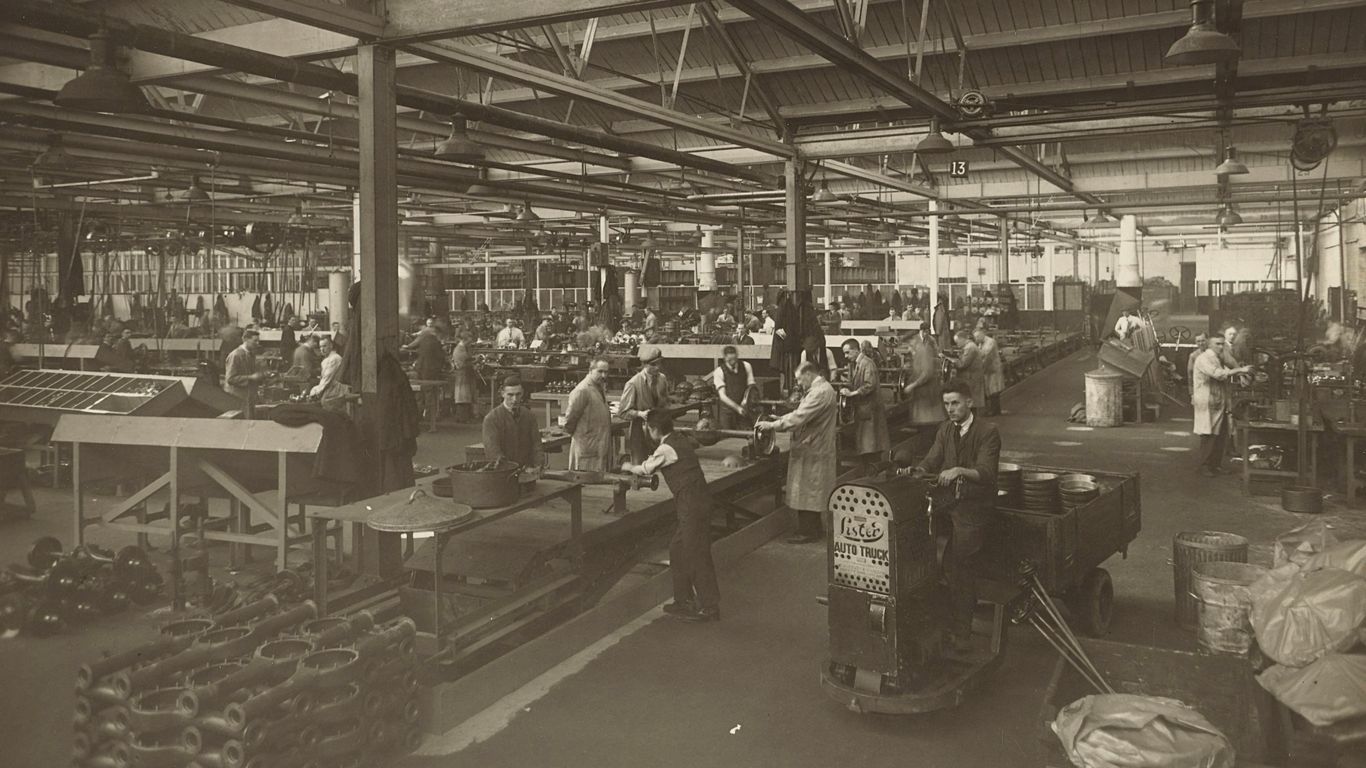
At its heart, the E2G Manufacturing Grants program is all about reinforcing America's capacity to produce goods right here on home soil. It’s set up to help U.S.-based companies expand their operations and sharpen their competitive edge. A huge piece of this puzzle is ensuring our supply chains—the intricate networks that move raw materials and parts to create finished products—are both strong and dependable. By championing domestic manufacturers, the program works to lessen our dependence on foreign sources, which can often be unpredictable. This initiative is a clear commitment to rebuilding and growing the nation's industrial foundation.
Targeted Assistance for Small Manufacturers
This program is specifically geared toward giving smaller manufacturing businesses a much-needed leg up. These companies frequently grapple with unique hurdles—like limited access to capital or specialized expertise—that can really slow down their growth. E2G grants offer financial resources and support services specifically tailored to what these smaller operations need. The whole point is to give them the tools to innovate, fine-tune their processes, and broaden their market reach. The program clearly recognizes that small manufacturers are the backbone of the economy and a vital source of job creation.
Revitalizing the U.S. Manufacturing Sector
Ultimately, the E2G initiative is a strategic investment in the very future of American manufacturing. Its aim is to spark the creation of new jobs and secure existing ones right here in the United States. Through a combination of financial backing and technical guidance, the program empowers manufacturers to modernize their facilities, embrace new technologies, and operate more efficiently. This revitalization effort is all about making sure the U.S. stays at the forefront of manufacturing, fully capable of producing a diverse array of goods and adapting to an ever-changing economic world.
The program’s primary objective is to deliver financial aid and operational support, enabling small manufacturers to compete more effectively and, in turn, contribute to a more resilient national economy.
Key Industries Benefiting from E2G Support
Sectors Crucial for National Security and Economic Resilience
The E2G Manufacturing Grants program isn't simply about across-the-board business growth; it's strategically aimed at industries that are critical to our nation's security and economic stability. We're talking about the sectors that keep the country moving, particularly when times get tough. These are the fields where bolstering domestic capabilities has a direct impact on our ability to operate independently and respond effectively to challenges. The program's goal is to fortify these essential industries, making them more robust and less dependent on outside sources.
Focus on Timber, Energy, Steel, and Aluminum
While the program extends its support across a wide manufacturing spectrum, it places a special emphasis on foundational materials and energy. This focus includes:
- Timber: Supporting sustainable forestry and wood product manufacturing—both crucial for construction and a host of other industries.
- Energy: Fostering innovation and production across both traditional and renewable energy sectors, with an eye toward greater energy independence and cleaner solutions.
- Steel: Bolstering domestic steel production, which serves as the backbone for our infrastructure, defense, and countless other manufactured goods.
- Aluminum: Strengthening the aluminum supply chain, an absolutely vital component for the aerospace, automotive, and packaging industries.
These materials truly are the building blocks for so much of what we produce, making their domestic availability a national priority.
Emphasis on Advanced Manufacturing and Technology Integration
But it's not just about raw materials; E2G is also looking toward the future of manufacturing. This translates to a strong push for companies that are actively adopting or developing:
- Advanced Manufacturing Processes: This includes techniques that leverage cutting-edge technology to boost efficiency, quality, and customization—think 3D printing, automation, and sophisticated machinery.
- Technology Integration: Grants are directed toward businesses integrating digital tools and systems into their workflows. This could mean anything from design software and data analytics for process improvements to full-scale smart factory technologies.
The objective here is to ensure American manufacturers aren't just producing goods, but are doing so with the most modern and efficient methods out there. This focus is designed to help companies maintain a global competitive edge and fuel innovation throughout the sector.
Tangible Advantages for Small Manufacturers
Financial Capital for Growth and Innovation
Securing an E2G Manufacturing Grant is about more than just a simple cash infusion; it's a strategic investment in your company's long-term future. This financial backing can be put to work in several pivotal areas. You could, for instance, acquire newer, more efficient machinery, upgrade existing facilities to meet modern standards, or even bankroll the research and development of new products or processes. This capital is intentionally designed to fuel expansion and facilitate the adoption of new technologies that can dramatically improve both your output and quality.
Access to Expert Training and Technical Support
Beyond the dollars and cents, the E2G program often opens the door to specialized training and technical assistance. What does that mean for you? It means gaining access to expert advice that's tailored to your specific business challenges. Whether you need help refining operational strategies, tightening up quality control, or learning to implement new digital tools, this support can be a genuine game-changer. It's really about building your team's skill set and making sure your business remains competitive.
Fostering Job Creation and Local Economic Impact
A central pillar of the program is to stimulate job growth right here in the United States. By providing the resources needed for expansion and modernization, E2G grants directly encourage manufacturers to bring more staff on board. This doesn’t just benefit your company by boosting capacity; it also creates a positive ripple effect throughout the local economy. More jobs mean more opportunities for people in your community, which contributes to broader economic stability and growth.
Meeting Eligibility for E2G Manufacturing Grants
Before you dive into the application for an E2G Manufacturing Grant, your first and most critical task is to determine if your business actually qualifies. These grants aren't just given away; they're earmarked for a specific profile of manufacturer. So, getting a firm handle on the requirements is an essential first step. It's also wise to consistently check the official grant guidelines, as these rules can—and do—get updated.
Defining Your Business Size and Structure
First things first, your company must be officially classified as a small business. The government has specific metrics for this, and it isn't always as simple as your employee headcount. While many manufacturing businesses with fewer than 500 employees may qualify, your company's annual revenue can also be a deciding factor. The exact thresholds vary by industry, so you'll need to look up the specific standards for your business using its NAICS code. Beyond size, your business must also be independently owned and operated, and it can't be dominant in its field.
Identifying Specific Industry Focus Areas
The E2G program has a tendency to favor industries considered vital to the nation's economy or security. This often includes sectors like timber, energy (with a special nod to clean energy projects), aluminum, and steel. Manufacturing tied to digital technology, digital services, and the automotive industry also receives significant attention. If your business operates in one of these key areas, you're likely a strong candidate. If your industry isn't explicitly listed, you’ll need to build a compelling case for how your work aligns with the program's overarching objectives.
Considering Geographic and Operational Requirements
It's also important to know that these grants sometimes come with rules tied to your business's location. Certain geographic areas might receive priority, or there could be requirements about where your primary operations are based. You'll also want to consider how long your business has been established. Grant programs often prefer companies that have been operating for at least a few years, as this demonstrates stability and a proven track record. It's worth noting, too, that some grants may require you to prove your business is in good financial health, typically by submitting recent financial statements.
It is absolutely critical to consult the official E2G Manufacturing Grants documentation for the most accurate and up-to-date eligibility requirements—this point cannot be overemphasized.
Here’s a quick rundown of the common requirements:
- Business Size: Your business must meet the Small Business Administration (SBA) size standards for your specific manufacturing sector, which are often based on employee count or annual revenue.
- Industry Alignment: Your operations should align with sectors prioritized by the E2G program, such as advanced manufacturing, clean energy, or critical materials.
- Operational History: The program typically requires a minimum period of established operation, which demonstrates business stability and a solid track record.
- Location: There may be specific geographic considerations or preferences for businesses operating in designated revitalization zones or other areas of strategic importance.
Navigating the E2G Application Process
Applying for an E2G Manufacturing Grant can certainly feel like a daunting task, especially when you're already busy with the day-to-day of running your business. But with a clear plan and the right approach, it's entirely manageable. It helps to think of it like any other major project in your facility—it just requires the right tools and a solid strategy.
Thoroughly Understanding Application Requirements
Before you type a single word, take the time to thoroughly read through all the documentation the E2G program provides. This isn't a quick skim; you need to develop a deep understanding of what the review committee is looking for. What are the program's core objectives? Who is their ideal candidate? What kinds of projects are they most excited to fund? Pay meticulous attention to any specific formatting requirements or mandatory documents. Overlooking even a minor detail could significantly weaken your entire application.
Leveraging Informational Webinars for Clarity
Many grant programs, E2G included, host informational webinars for prospective applicants. These online sessions are an invaluable resource. They typically walk you through the application step-by-step, clarify eligibility rules, and discuss the program's mission. Best of all, they offer a rare chance to ask questions directly to the program staff. If you see a webinar on the schedule, make it a priority to attend. It can clear up a world of confusion.
Employing Technology to Simplify Complex Documentation
Let's be honest, grant paperwork can get complicated, often filled with dense technical or legal jargon. Technology can be a real asset here. Using tools designed to simplify complex language can make the grant documentation far more digestible. This ensures you know exactly what is being asked of you, allowing you to craft a clearer and more compelling proposal. Leveraging technology to demystify complex information is a key strategy for a stronger application.
The application process is ultimately designed to help the program identify the best possible stewards for its funding. By carefully preparing and presenting your case, you demonstrate that your business is a sound investment aligned with the grant's objectives. This is your opportunity to articulate precisely why your company deserves the support and how you'll leverage the funds to achieve concrete, positive outcomes.
Key Dates and Submission Guidelines for 2025
As you prepare your application for the E2G Manufacturing Grants, paying strict attention to dates and submission protocols is paramount. Missing a deadline or failing to follow instructions can derail even the most promising applications. Let's review the critical dates and where you can turn for additional guidance.
Adhering to the October 31, 2025 Application Deadline
The absolute final day to submit your E2G Manufacturing Grant application is October 31, 2025. This is a hard deadline, meaning late applications simply won't be considered. We strongly recommend aiming to submit your package at least a week in advance. This builds in a crucial buffer to handle any unexpected technical glitches or last-minute issues that may arise.
The Importance of Timely Submission
Submitting your application on time does more than just meet a requirement; it demonstrates that you are organized and serious about the opportunity. It also ensures the review committee has adequate time to give your proposal the thorough consideration it deserves. Think of it as your application's first impression—a timely submission speaks volumes about your company's professionalism.
Ensuring all your documentation is completed and submitted well ahead of the cutoff date is a cornerstone of a sound application strategy. Procrastination is not your friend here.
Information Webinar Scheduled for September 15, 2025
To help all potential applicants better understand the grant program and the application process, an official informational webinar has been scheduled. This is a prime opportunity to get answers to your questions directly from the program staff. You can find all the registration details on the official E2G Manufacturing Grants website. Attendance is highly recommended for anyone seriously considering an application.
- Date: September 15, 2025
- Time: 10:00 AM Eastern Standard Time
- Topics: The webinar will cover the grant's primary objectives, the types of projects being sought, a detailed walkthrough of the application form, and common pitfalls to avoid.
Wrapping Up Your Grant Application
So, that's the rundown on the E2G manufacturing grants. It's a truly robust program designed to give smaller manufacturers a significant competitive edge, whether that comes from direct funding or expert operational support. While the application process might look intensive at first glance—with all its detailed paperwork and specific criteria—breaking it down into manageable steps makes it completely achievable. Just remember to meticulously verify your eligibility and get a solid grasp of what the reviewers are looking for. Ultimately, a successful application hinges on your ability to clearly show how your business aligns with the program's core goals, like creating jobs and reinforcing domestic supply chains. And don't forget, it's always wise to explore other grants, too. Keep a sharp eye on those deadlines and make every effort to join the informational sessions; they can be incredibly insightful. We wish you the very best of luck with your 2025 application!
Frequently Asked Questions
What's the main goal of the E2G Manufacturing Grants?
The primary goal is to help small manufacturing companies innovate and expand. These grants provide both the capital and the support needed to boost production within the U.S. and, just as importantly, create jobs in our communities.
Who can apply for these grants?
Generally, any business that meets the federal definition of a 'small business' is eligible to apply. The program shows a preference for companies in key sectors, such as energy or national security. It's also typical for applicants to have been in operation for at least a few years to demonstrate stability.
When is the deadline to apply for 2025?
The firm deadline for the 2025 cycle is October 31, 2025. We strongly advise submitting your application a few days early to avoid any last-minute technical difficulties.
Is there a way to learn more before applying?
Absolutely! An informational webinar is scheduled for September 15, 2025. This is a fantastic opportunity to hear directly from the program administrators and get your specific questions answered.
How can technology help me with my application?
Technology can be a huge help in streamlining the process. You can use software to simplify complex legal language, organize your required documents, and even use tools to help polish your narrative, making it clearer and more professional.
What kind of help do the grants offer besides money?
In addition to financial capital for things like new equipment or facility upgrades, the grants often come with access to expert training and technical assistance. This support can help you refine your operations, develop new skills within your team, and ultimately become more competitive in the marketplace.


