


business resources
What Benefits Do High-Precision Bearings Offer Aviation?
28 Apr 2026

When you picture an aircraft, your mind likely jumps to the major components: the wings, the engines, the fuselage. But deep inside, countless smaller parts are doing some serious heavy lifting to keep everything operating flawlessly. We're talking about bearings—specifically, high-precision bearings designed for aviation. These unsung heroes are absolutely crucial to how modern aircraft function, especially given the incredible speeds and immense forces at play. Their job is to reduce friction, extend the life of moving parts, and ultimately, ensure every flight is a safe one.
Key Takeaways
- High-precision bearings are indispensable components within an aircraft, tasked with reducing friction and enabling the seamless operation of everything from engines to flight controls.
- Choosing a quality bearing manufacturer is paramount, as their standards directly influence the reliability, durability, and overall performance of critical aircraft systems.
- Thanks to advanced materials and precision engineering, these bearings can withstand the most extreme conditions—from soaring temperatures to heavy loads—which is fundamental to flight safety.
- Ongoing innovations, such as hybrid and smart bearings alongside new lubrication techniques, are constantly pushing the boundaries of aircraft performance and efficiency.
- Selecting the right bearing manufacturer means looking for a partner who adheres to strict industry standards, offers robust technical support, and shows a deep commitment to operational excellence.
The Critical Role of High-Precision Bearings in Aviation
Understanding Bearing Functionality in Aircraft
Bearings may be small, but they are incredibly important components in any aircraft. You can think of them as the silent workhorses that allow different parts to move smoothly against one another. Without them, things would grind to a halt—quite literally. In an airplane, you'll find these components everywhere, from the massive jet engines to the delicate flight control surfaces like ailerons and elevators. They're engineered to handle immense forces and speeds, all while keeping friction to an absolute minimum. This reduction in friction is the key; it means less energy is wasted and components don't wear out nearly as fast.
- Engines: Bearings support rotating shafts, allowing turbines to spin at thousands of RPMs.
- Flight Controls: They enable precise movement of surfaces that steer the aircraft.
- Landing Gear: Bearings help the wheels turn smoothly during takeoff and landing.
- Accessory Gearboxes: They facilitate the operation of various onboard systems.
At its core, a bearing's primary job is to enable controlled motion while simultaneously reducing unwanted friction.
The Importance of Manufacturer Quality
When it comes to aviation, where your components come from matters immensely. Not all bearings are created equal, and a manufacturer's commitment to quality is absolutely paramount. After all, aircraft operate in some of the most demanding conditions imaginable—think extreme temperatures, heavy loads, and constant vibration. A single bearing failure can have serious consequences. That's why selecting bearings from a manufacturer that adheres to strict quality control and industry standards isn't just a recommendation; it's a necessity. These top-tier manufacturers use advanced materials and meticulous manufacturing processes to guarantee their products can withstand the rigors of flight.
Choosing a reputable manufacturer is an investment in reliability. It’s about the confidence that comes from knowing the components you're using have been built to the highest possible standards, which minimizes the risk of unexpected failures.
Advanced Materials for Demanding Environments
The materials used in aviation bearings are a huge part of what makes them perform so well. Gone are the days when simple steel was the only game in town. Today, engineers leverage a range of advanced materials—often in combination—to meet very specific challenges. High-strength steels are still quite common, but they're frequently enhanced with special coatings or treatments. Ceramics have become another popular choice because they're lightweight, incredibly hard, and resistant to both corrosion and high temperatures. You'll also find composites and specialized polymers, like PTFE (Polytetrafluoroethylene), being used, especially where self-lubrication or chemical resistance is a must. What do all these materials have in common? They're chosen for their remarkable ability to maintain structural integrity and performance characteristics under extreme operational stress.
- High-Strength Alloys: Provide robust support for heavy loads.
- Ceramics: Offer low friction, high-temperature resistance, and electrical insulation.
- PTFE Composites: Used for self-lubricating properties and chemical inertness.
Enhancing Aircraft Performance Through Precision Engineering
High-precision bearings do more than just keep things moving; they are key players in boosting an aircraft's efficiency and capability. Just think about the sheer amount of energy an airplane consumes. Even small improvements in how its parts interact can lead to significant gains. This is precisely where the precision engineering behind modern bearings truly shines.
Reducing Friction for Improved Efficiency
Friction is, quite simply, the enemy of efficiency. It's the force that generates heat and wastes precious energy. In an aircraft, where every ounce of power counts, minimizing friction isn't just a goal—it's a top priority. High-precision bearings are engineered with incredibly smooth surfaces and exceptionally tight tolerances, which means they allow rotating or sliding parts to move with far less resistance.
- Smoother Operation: Less friction leads to smoother movement in critical systems like flight controls, engines, and landing gear.
- Less Energy Loss: When parts move easily, less energy is needed to overcome resistance, meaning more energy is available for actual flight.
- Reduced Heat Generation: Friction creates heat. Lower friction means less heat buildup, which can prevent component damage and reduce the need for cooling systems.
The direct result of all this? A more efficient aircraft, one that's capable of traveling further or carrying more payload on the same amount of fuel.
Extending Component Lifespan
It's a simple principle: when components rub against each other with less force, they naturally wear out more slowly. High-precision bearings contribute significantly to the longevity of the parts they interact with. What does that mean in practical terms? It means fewer replacements, less downtime for maintenance, and a more reliable aircraft over its entire operational life.
- Reduced Wear and Tear: Precision surfaces and tight fits mean less abrasive contact between bearing elements and their housings or shafts.
- Protection of Mating Parts: By providing a smooth interface, bearings prevent damage to more expensive components like gears, shafts, and control surfaces.
- Lower Maintenance Costs: Components that last longer require less frequent servicing, saving airlines money on parts and labor.
The careful design and meticulous manufacturing of these bearings mean they can handle the constant stress of flight without rapidly degrading. This level of reliability is built right into the very nature of precision engineering.
Optimizing Fuel Economy
Ultimately, all these factors—reduced friction and extended component life—circle back to one major benefit: better fuel economy. An aircraft that requires less energy to operate and whose parts last longer is simply a more economical aircraft to fly. This translates directly into lower operating costs for airlines and, potentially, more affordable travel for passengers. The cumulative effect of using high-precision bearings across various aircraft systems can lead to truly substantial savings in fuel consumption over the aircraft's lifespan.
Ensuring Safety and Reliability with Superior Bearings
When we talk about aircraft, safety and reliability aren't just goals; they are absolute, non-negotiable necessities. Every single component, no matter how small, plays a vital role in the aircraft's overall integrity. High-precision bearings are certainly no exception. These components are specifically designed to handle the immense pressures, extreme temperatures, and constant vibrations that are just part of a day's work for an airplane. Just imagine the forces involved in launching into the sky or the stresses during high-speed travel—bearings are right there in the thick of it, working to keep everything moving smoothly and predictably.
Withstanding Extreme Operational Conditions
Aircraft operate in some of the most punishing environments imaginable. From the frigid temperatures at high altitudes to the intense heat blasting from the engines, every component must perform without fail. High-precision bearings are engineered with advanced materials and sophisticated manufacturing techniques precisely to meet these demands. They are built to:
- Maintain performance across a wide temperature range.
- Handle significant radial and axial loads.
- Resist wear and fatigue from constant vibration.
- Operate reliably with minimal maintenance.
This remarkable resilience is key to preventing unexpected failures that could compromise flight safety. The materials used, such as specialized alloys and advanced ceramics, are carefully chosen for their strength, durability, and robust resistance to environmental factors.
Building Confidence Through Trusted Manufacturing
There's a significant level of assurance that comes from knowing the bearings in an aircraft are sourced from a reputable manufacturer. Companies that specialize in high-precision bearings for the aerospace industry live and breathe strict quality control processes and industry certifications. What does this mean for you? It means:
- Each bearing undergoes rigorous testing.
- Materials are sourced and processed to exact specifications.
- Manufacturing processes are meticulously documented and controlled.
This incredible attention to detail is what separates a standard component from one that's truly aviation-grade. It's what builds confidence for pilots, maintenance crews, and passengers alike—the peace of mind that comes from knowing critical systems are supported by reliable, expertly-made parts.
The Impact on Flight Safety and Passenger Peace of Mind
At the end of the day, the quality of the bearings directly influences flight safety. When these components function exactly as intended, they contribute to the smooth operation of engines, control surfaces, landing gear, and countless other systems. This seamless operation translates to predictable aircraft behavior and a significantly reduced risk of mechanical failure. For passengers, this means a safer journey and greater peace of mind. That quiet, reassuring hum of a well-functioning aircraft is, in part, a testament to the reliable performance of its high-precision bearings.
An aircraft's integrity truly relies on the performance of every single part. High-precision bearings, though often unseen, are absolutely vital for maintaining the operational stability and safety that air travel demands. Their ability to perform under extreme conditions, coupled with the assurance of quality manufacturing, forms a cornerstone of aviation reliability.
Innovations Driving the Future of Aviation Bearings
The world of aviation is constantly pushing boundaries, and the components that make flight possible have to evolve right alongside it. Bearings, though they may be small, are at the very forefront of this evolution. New technologies are emerging all the time to meet the ever-increasing demands of modern aircraft. And these advancements aren't just about incremental improvements; they represent significant leaps forward in performance, reliability, and efficiency.
Advancements in Hybrid and Smart Bearings
Hybrid bearings, which cleverly combine ceramic rolling elements with steel rings, are becoming increasingly common. This combination brings several key advantages to the table, including lower weight, reduced friction, and much better performance at high temperatures when compared to traditional all-steel bearings. They're particularly useful in applications where every gram of weight savings is critical.
But the innovation doesn't stop with hybrid designs. The integration of "smart" technology is truly transforming the world of bearings. These smart bearings can incorporate sensors that monitor their own condition in real-time. This opens the door to predictive maintenance, a strategy where potential issues are identified and addressed long before they can lead to failure. Just imagine a bearing that can signal when it needs attention—this capability drastically improves safety and minimizes costly downtime.
- Reduced friction and heat generation
- Enhanced electrical insulation properties
- Improved resistance to corrosion and wear
- Real-time condition monitoring capabilities
Evolving Lubrication Techniques
Lubrication is another area that's seeing some significant innovation. Traditional greases and oils are now being supplemented—or even replaced—by advanced solid lubricants and specialized synthetic oils. These new formulations are engineered to perform flawlessly under the extreme temperature ranges, high pressures, and vacuum conditions found in aerospace applications. In fact, some advanced lubricants can last the entire operational life of a component, which dramatically minimizes the need for maintenance. The ongoing development of self-lubricating materials also plays a crucial role here, reducing the reliance on external lubrication systems.
This quest for better lubrication is really driven by the need for longer service intervals and the ability to operate reliably in the harsh conditions of space and high-altitude flight. The payoff? Less maintenance and greater confidence in component performance.
Partnerships for Technological Advancement
Let's be realistic: no single entity can drive all this necessary innovation alone. That's why collaboration between bearing manufacturers, aircraft designers, and research institutions is so vital. These partnerships pave the way for the co-development of bearing solutions that are perfectly tailored to specific aircraft systems and future flight concepts. By working together, companies can share knowledge and resources to accelerate the development and implementation of next-generation bearing technologies. This collaborative approach is absolutely key to staying ahead in a rapidly changing industry, much like how specialized tools are developed for precise tasks in aerospace manufacturing.
This synergy between material science, sensor technology, and collaborative development is what's paving the way for bearings that are lighter, stronger, and smarter than ever before.
Specialized Bearing Technologies for Aerospace Applications
The Advantages of PTFE Bearings
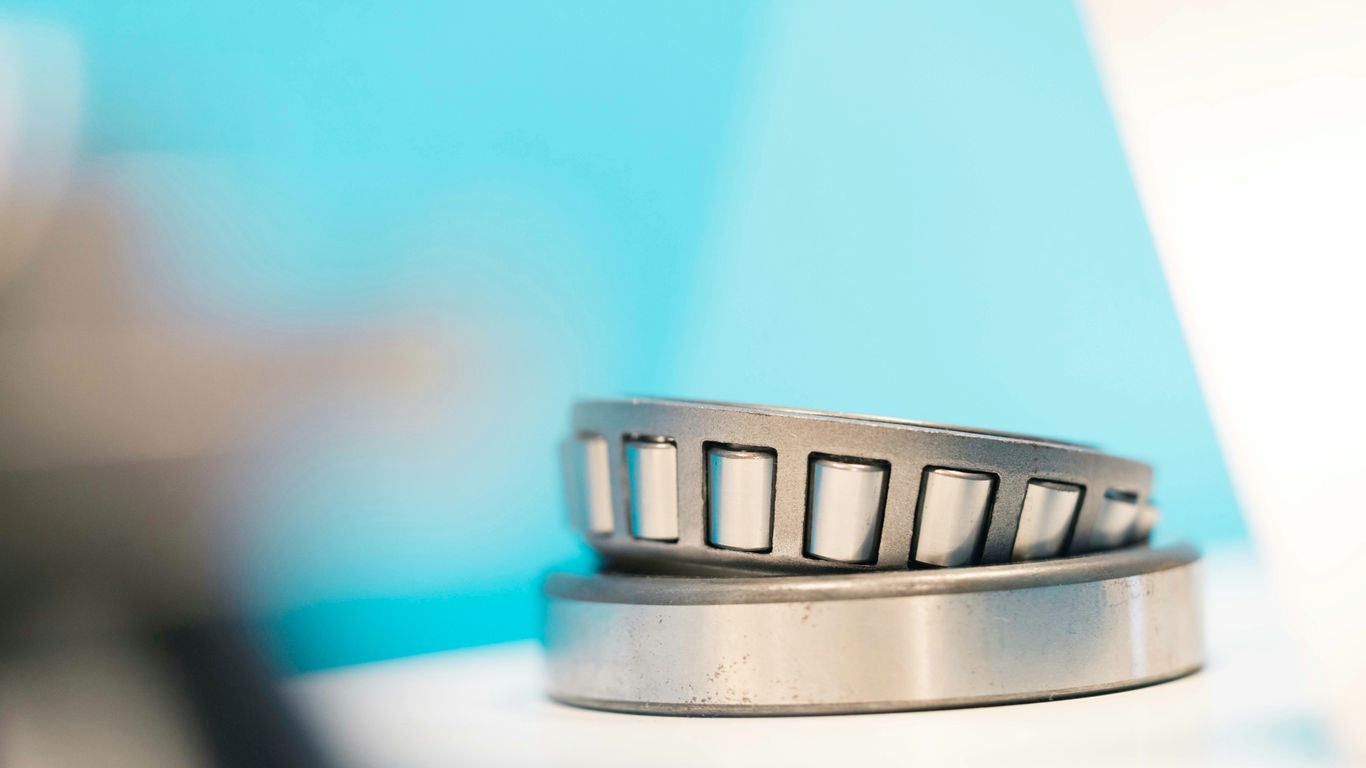
In the world of aviation, every component must perform reliably under tough conditions. Polytetrafluoroethylene (or PTFE) bearings are a perfect example of a specialized technology that rises to the occasion. These bearings are renowned for their incredibly low friction, which is a game-changer for moving parts in flight controls like ailerons and rudders. This smooth, predictable movement helps make flights more stable and safer. What’s more, PTFE bearings often eliminate the need for regular re-lubrication, which slashes maintenance time and costs. For airlines, this means aircraft can be in service more often and have a lower total cost of ownership. Less friction also means less wear and tear, so these parts last longer—even under heavy use. And because they don't require bulky lubrication systems, they also contribute to a lighter, simpler aircraft design, which is always great for fuel economy and overall reliability.
However, it's not always a perfect solution. PTFE can slowly change shape over time if it's subjected to a lot of constant pressure—a phenomenon engineers call 'creep' that they must account for. Pure PTFE also can't handle the same heavy loads as some metal bearings. To get around this, it's often paired with a stronger metal backing or reinforced with fillers like glass fiber to make it tougher. Another consideration is that PTFE expands and contracts more with temperature changes than metal does, so designs must account for this to prevent the bearings from seizing up.
Air Bearings for Unparalleled Accuracy
For tasks where exact positioning is absolutely critical, air bearings are a top choice in the aerospace sector. How do they work? These unique bearings use a thin film of pressurized air to separate moving surfaces, creating a virtually frictionless environment that allows for incredibly precise movement. Take the manufacturing of jet engine turbine parts, for example; even microscopic misalignments can introduce vibrations and negatively affect engine performance. Air bearings help ensure these components are manufactured to near-perfect tolerances, which boosts engine performance and extends its lifespan. This remarkable level of accuracy is also vital when creating optical components for systems like space telescopes and advanced surveillance cameras.
Air bearings are especially useful in manufacturing processes that demand sub-micron precision, making them indispensable for the production of high-tolerance aerospace components.
Spherical Plain Bearings for Shock Absorption
Aircraft are subjected to a tremendous amount of stress, from the forces of takeoff and landing to the jarring effects of turbulence. Spherical plain bearings are specifically designed to handle these kinds of dynamic forces. They feature an inner ring that can tilt and rotate within an outer ring, a design that accommodates movement in multiple directions and helps absorb shocks and vibrations. This makes them perfectly suited for applications where components might experience misalignment or need to articulate at an angle—such as in certain landing gear systems or key structural connections. Their ability to manage misalignment and dampen impacts contributes significantly to the overall durability and smooth operation of critical aircraft systems.
Selecting the Right High-Precision Bearings Manufacturer
Meeting Industry Certifications and Quality Standards
When you're looking for a bearings manufacturer for aviation applications, you can't just pick any name out of a hat. The aerospace industry operates under some incredibly strict regulations. It's essential to ensure the company you choose follows all the critical quality standards and holds the right certifications—we're talking about credentials like ISO 9001 and, more specifically, AS9100. These aren't just fancy acronyms; they serve as proof that the manufacturer has a robust system in place to guarantee their products are safe and consistent, time and time again. It means they've been audited and have proven they can meet the high bar that the aviation industry demands. This unwavering commitment to quality is the first major sign of a reliable partner.
Leveraging Technical Expertise and Consultative Support
Beyond just selling components, a great bearings manufacturer acts as a true partner. Their team should be staffed with people who genuinely know their stuff. They should be able to sit down with you, discuss your aircraft's specific needs, and help you pinpoint the absolute best bearing for the job. This involves deep conversations about loads, speeds, temperatures, and required service life. A good partner can clearly articulate why one bearing type or material might outperform another for a specific application on the plane. It's like having an extension of your own engineering team—someone who can guide you through the technical maze and help you avoid costly missteps. And, of course, they should be completely up-to-date on the latest materials and design innovations.
Ensuring Compliance and Operational Excellence
Ultimately, the bearings you select have a direct impact on your aircraft's performance and, most importantly, its safety. Working with a manufacturer who deeply understands this responsibility is key. They must be able to provide comprehensive documentation proving that their bearings meet all required specifications and regulatory standards, which is crucial for your aircraft's overall compliance. A manufacturer dedicated to operational excellence will also have a proven track record of delivering parts on time and with unwavering quality. This consistency keeps your production or maintenance schedules running like clockwork. It's all about building a relationship with a company you can truly count on to support your mission of safe and efficient flight.
The Last Word on High-Precision Bearings in Aviation
So, when you next think about an airplane, it’s natural to focus on the big, impressive parts like the engines or the wings. But the truth is, those tiny, often-overlooked bearings are doing some seriously heavy lifting behind the scenes. They are the fundamental reason why everything moves smoothly, safely, and efficiently—from the powerful jet engines to the most delicate flight controls. Choosing the right bearings, crafted from advanced materials and engineered with true precision, isn't just a maintenance task; it's a critical decision that ensures everyone on board arrives at their destination safely. It’s a small part with a massive responsibility, and that’s precisely why they’re so indispensable in the world of flight.
Frequently Asked Questions
What are high-precision bearings, and why are they so important in aviation?
High-precision bearings are specialized components used in airplanes that allow moving parts to spin or slide smoothly with minimal friction. They're critical because they ensure that aircraft engines, landing gear, and flight control systems can operate safely and efficiently, even when faced with extreme conditions.
How exactly do high-precision bearings improve an airplane's fuel efficiency?
These bearings work by dramatically reducing friction between moving parts. When there's less friction, engines and other systems don't have to work as hard to do their job. This means the aircraft consumes less fuel to fly, which helps airlines save on operational costs and is also better for the environment.
What kinds of materials are used to make high-precision bearings for aircraft?
High-precision bearings are typically crafted from very robust materials, such as specialized steel alloys, ceramics, or advanced polymers like PTFE. These specific materials are chosen for their ability to handle high speeds, heavy loads, and extreme temperatures without degrading or wearing out quickly.
In what ways do high-precision bearings make flying safer?
Because these bearings are engineered to be exceptionally strong and reliable, they play a key role in preventing component failures during a flight. This reliability gives pilots, crews, and passengers confidence that the aircraft will continue to operate properly, even during challenging weather conditions or on long-haul journeys.
What are some of the new technologies we're seeing in aviation bearings today?
Some of the latest technologies include hybrid bearings, which combine different materials for optimal performance; smart bearings that have built-in sensors to monitor their own condition; and air bearings that use a thin layer of pressurized air to reduce friction even further. These innovations are helping aircraft run more smoothly and last longer.
How do airlines go about choosing the right high-precision bearings manufacturer?
Airlines typically look for manufacturers that meet stringent industry standards and hold key quality certifications, like AS9100. They also prioritize companies that offer deep technical expertise and consultative support, ensuring they can select bearings that perfectly fit their needs and contribute to keeping their fleet safe and reliable.


