


education culture, resources
What Human Activity Uses The Most Water In The United States?
Human Activity Uses The Most Water,water supply,Which Human Activity Uses The Most Water
20 Feb 2025

Did you know agriculture consumes about 80% of the U.S. water supply? With irrigation using 118 billion gallons daily, water scarcity is a growing crisis. What human activity uses the most water in the United States? How sustainable solutions can reduce waste and protect resources for future generations?
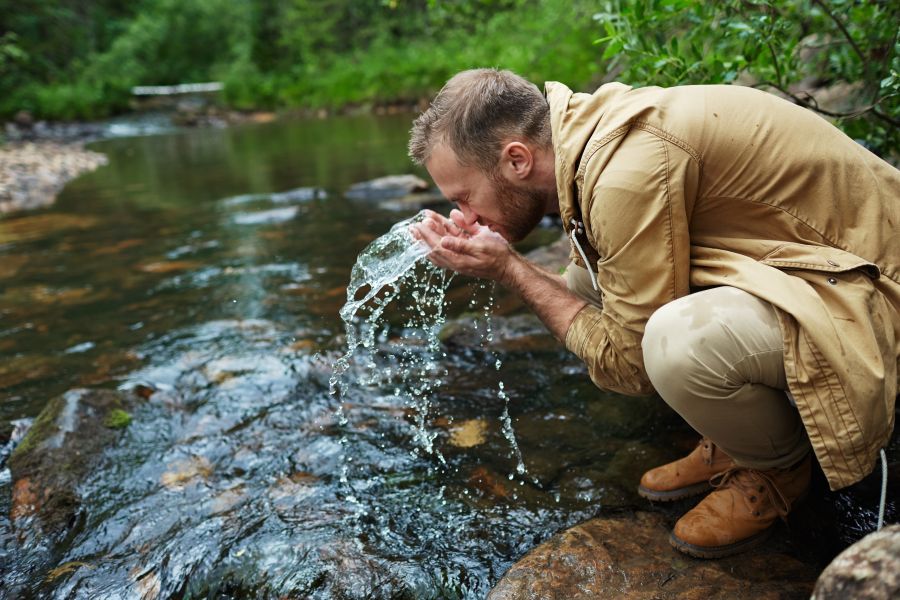
Water is one of the most vital resources on Earth, essential for sustaining life, supporting ecosystems, and driving economic activities. In the United States, water usage is a critical issue, particularly as population growth (expected to reach 366 million by 2050, according to the U.S. Census Bureau), urbanisation, and climate change place increasing pressure on freshwater supplies, which make up only about 2.5% of the world’s total water resources.
According to the U.S. Geological Survey (USGS), total water withdrawals in the U.S. amounted to 322 billion gallons per day in 2015. Of this, agriculture is the largest consumer, accounting for approximately 80% of total U.S. water consumption and 42% of all freshwater withdrawals. Irrigation alone uses about 118 billion gallons per day, making it the dominant water-consuming activity in the country.
Understanding which human activities consume the most water is crucial for developing sustainable water management practices. This article explores the scale of agricultural water use, its implications, and how it compares to other major water-consuming activities in the United States.
The dominance of agricultural water use
Agriculture is the largest consumer of water in the United States, accounting for approximately 80% of the nation’s total water consumption and 42% of total freshwater withdrawals, according to the U.S. Geological Survey (USGS). This figure varies by region, with agricultural water use being particularly dominant in the western states, where arid conditions necessitate extensive irrigation to support crop production.
The primary reason for this high level of water use is the need to grow crops that are not naturally suited to the local climate. For example, crops like alfalfa, corn, and cotton require significant amounts of water, and in regions with limited rainfall, irrigation becomes essential.
California alone accounts for about 9% of the nation’s total water withdrawals, with agriculture consuming over 80% of the state’s water supply. Despite frequent droughts, the state produces a substantial portion of the nation’s fruits (over 66%), vegetables (33%), and nuts (80%), relying heavily on irrigation systems fed by reservoirs, groundwater, and aqueducts.
Types of irrigation and their efficiency
The methods of irrigation used in agriculture also play a significant role in determining water consumption. Traditional flood irrigation, which involves flooding fields with water, is one of the least efficient methods, as much of the water is lost to evaporation or runoff. However, it remains widely used due to its low cost and simplicity.
In recent years, there has been a shift towards more efficient irrigation techniques, such as drip irrigation and sprinkler systems. According to the USDA, drip irrigation can reduce water use by up to 60% compared to flood irrigation.
Similarly, modern sprinkler systems can cut water use by 20% by targeting specific areas and adjusting for weather conditions. Despite these advancements, the adoption of efficient irrigation technologies remains at only about 40% due to high upfront costs and lack of infrastructure.
The role of livestock and aquaculture
While crop irrigation dominates agricultural water use, livestock farming and aquaculture also contribute significantly. Livestock require water for drinking, cleaning, and feed production. Similarly, aquaculture, or fish farming, relies on large volumes of water to maintain healthy aquatic environments. In regions with intensive livestock farming, such as the Midwest, water use for animal agriculture can rival or exceed that of crop irrigation.
According to the Water Footprint Network:
- Producing one kilogram of beef requires about 15,000 liters (4,000 gallons) of water.
- A liter of milk requires about 1,000 liters (264 gallons) of water.
- A single chicken requires approximately 4,300 liters (1,135 gallons) over its lifetime.
Comparing agriculture to other water-use sectors
While agriculture is the largest consumer of water in the United States, other sectors also contribute significantly to the nation’s water footprint. These include public water supply, industrial use, and thermoelectric power generation.
Public water supply
Public water supply systems, which provide water for households, businesses, and public services, account for approximately 12% of total water withdrawals in the United States. This includes water used for drinking, cooking, cleaning, and landscaping. According to the Environmental Protection Agency (EPA), the average American household uses 300 gallons of water per day, with outdoor water use accounting for 30-60% of total household water consumption.
Efforts to reduce water use in the public sector have focused on:
- Promoting water-efficient appliances (e.g., low-flow toilets and showerheads).
- Fixing leaks, which waste nearly 900 billion gallons of water annually.
- Encouraging conservation practices such as xeriscaping (landscaping with drought-resistant plants).
Industrial water use
Industrial activities, including manufacturing, mining, and energy production, account for around 5% of total water withdrawals in the United States. Water is used in these sectors for cooling, processing, cleaning, and as a raw material in certain products. Many industries have adopted water recycling and reuse practices to reduce their consumption, with some facilities recycling up to 90% of the water they use.
- Producing one ton of steel requires approximately 62,600 gallons of water.
- Paper manufacturing consumes around 324,000 gallons of water per ton of paper produced.
Thermoelectric power generation
Thermoelectric power plants, which generate electricity by burning fossil fuels or using nuclear energy, are another major consumer of water. These plants use water primarily for cooling purposes, accounting for 41% of total water withdrawals in the United States.
However, most of this water is returned to its source after use, albeit at a higher temperature, which can have environmental impacts on aquatic ecosystems. The transition to renewable energy sources such as wind and solar power has the potential to reduce water use in the energy sector. Unlike thermoelectric plants, renewable energy systems require little to no water for operation.
The environmental and social implications of high water use
The extensive use of water in agriculture and other sectors has significant environmental and social implications. Over-extraction of groundwater for irrigation, for example, has led to the depletion of aquifers in many parts of the United States, including the Ogallala Aquifer in the Great Plains, which supplies water to over 2.3 million people.
Additionally, the diversion of water for irrigation and other uses can disrupt natural water cycles, reduce river flows, and harm aquatic habitats. For instance, the Colorado River has seen a significant reduction in its flow, leading to water disputes between farmers, urban residents, and environmental groups.
Towards sustainable water management
Addressing the challenges posed by high water use requires a multifaceted approach that balances the needs of different sectors while protecting the environment. Key strategies include:
- Improving irrigation efficiency: Expanding the adoption of drip irrigation and precision farming can significantly reduce agricultural water use.
- Promoting water conservation: Encouraging water-saving behaviors in households and industries can help reduce overall demand.
- Investing in infrastructure: Upgrading ageing water infrastructure can reduce water losses and improve efficiency.
- Implementing integrated water resource management: Coordinating water management across different sectors and regions ensures sustainable use.
- Supporting research and innovation: Research into drought-resistant crops, alternative water sources, and water recycling technologies can provide new solutions.
Final thoughts
In the United States, agriculture is the human activity that uses the most water, primarily due to the extensive irrigation required for crop production. While other sectors, such as public water supply, industry, and thermoelectric power generation, also contribute to water use, their impact is relatively smaller. The high level of water consumption in agriculture has significant environmental and social implications, necessitating urgent action to promote sustainable water management practices.
By improving irrigation efficiency, promoting conservation, investing in infrastructure, and fostering collaboration, the United States can work towards a more sustainable and equitable water future. As population growth and climate change continue to mount, addressing the issue of water use will remain a critical priority for the nation.
Read More:


