
business resources
What is Energy Production and Why Is It Essential?
23 Mar 2026

Every single day, we use energy—often without giving it a second thought. From the lights that illuminate our homes to the vehicles that get us from place to place, energy powers nearly every aspect of our lives. But have you ever paused to consider where all that power originates? This article delves into the world of energy production: what it is, why it's so vital, and the methods we're using today and looking toward for the future. It's a vast subject, but we'll break it down into manageable pieces.
Key Takeaways
- At its core, energy production is the process of transforming natural resources into usable forms of power, such as electricity or fuels.
- The primary methods for generating energy today—fossil fuels, renewables, and nuclear power—each come with their own distinct advantages and drawbacks.
- Electricity is absolutely crucial for modern society, powering everything from our homes and industries to our transportation systems.
- When it comes to energy production, we face some significant challenges, including meeting a growing demand, curbing pollution, and tackling climate change.
- The path forward for energy production almost certainly involves a greater reliance on low-carbon sources and a wider use of electricity to power our world.
Understanding Energy Production
Energy production is, quite simply, the process of converting natural resources into usable forms of energy. You can think of it as the very first step in a long supply chain that ultimately powers our homes, businesses, and transportation networks. Without this critical conversion, the electricity that lights up our rooms or the fuel that propels our cars simply wouldn't exist.
Defining Primary and Secondary Energy Sources
Energy sources are generally grouped into two main categories: primary and secondary. Primary energy sources are those found in nature that can be used in their raw state. These include resources like coal, crude oil, natural gas, sunlight, wind, and nuclear materials. They are the raw ingredients, so to speak.
Secondary energy sources, on the other hand, are created by converting primary sources. The most familiar example here is electricity. We don't just find electricity flowing in nature; it’s generated by transforming primary sources like coal, natural gas, or solar power into electrical energy. Hydrogen is another key example of a secondary energy source.
It's also useful to draw a line between renewable and nonrenewable sources. Nonrenewable sources, like fossil fuels, are finite—they exist in limited quantities and are used up far more quickly than they can be naturally replaced. Renewable sources, such as solar and wind, are replenished naturally and can be harnessed over and over again.
Measuring Energy Consumption and Production
Discussing energy can get a bit technical, primarily because different sources are measured in different units. For instance, you'll often see liquid fuels measured in barrels or gallons, natural gas in cubic feet, and coal in tons. Electricity, meanwhile, is typically measured in kilowatts (kW) for power capacity and kilowatt-hours (kWh) for the amount of energy used over time.
So, how do we compare these diverse forms of energy on a level playing field? A common unit is often used for standardization. In the United States, that's frequently the British thermal unit (Btu), which is a measure of heat energy. This allows for a consistent way to track total energy production and consumption across all source types.
Here's a quick look at some common units:
| Energy Source | Common Units |
|---|---|
| Liquid Fuels | Barrels, Gallons |
| Natural Gas | Cubic Feet |
| Coal | Short Tons |
| Electricity | Kilowatts (kW), Kilowatt-hours (kWh) |
| General Comparison | British Thermal Units (Btu) |
The Role of Energy in Modern Life
It’s difficult to overstate just how fundamental energy production is to our daily lives. From the moment we wake up until we go to sleep, we depend on energy for almost everything—it powers our communication devices, heats and cools our homes, cooks our food, and makes travel possible.
The availability of reliable and affordable energy underpins economic activity, public health, and overall quality of life. It enables advancements in education, healthcare, and technology, making it a cornerstone of modern society.
Energy consumption is generally broken down into several key sectors:
- Electric Power: This sector focuses on generating electricity, which is then distributed to the other sectors.
- Transportation: This encompasses fuels for cars, trucks, airplanes, and ships.
- Industrial: This refers to the energy used in manufacturing facilities and production processes.
- Residential: This is the energy consumed in our homes for heating, cooling, lighting, and appliances.
- Commercial: This includes the energy used in businesses, offices, and public buildings.
Understanding these different sources, along with how we measure and use energy, is the first step toward appreciating the intricate systems that keep our world running.
The Diverse Landscape of Energy Production
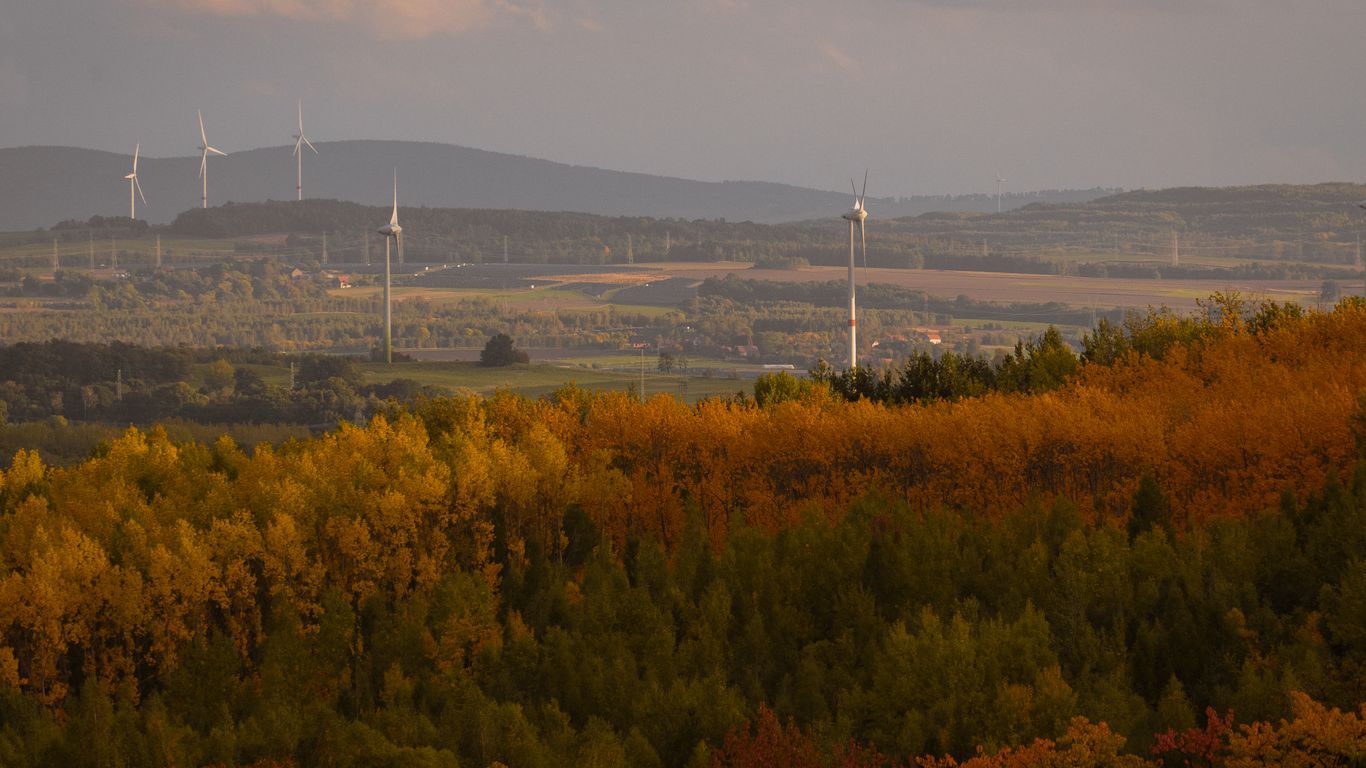
Energy production isn’t a one-size-fits-all endeavor. The world relies on a wide array of sources to power our lives, and each one brings its own unique characteristics and contributions to the table. Understanding this energy mix is essential to grasping how we meet our global power needs.
Fossil Fuels: A Dominant Source
For a very long time, fossil fuels—coal, oil, and natural gas—have served as the backbone of global energy production. Formed over millions of years from ancient organic matter, these fuels release a tremendous amount of energy when burned. This is precisely why they've been so widely adopted for electricity generation, heating, and transportation. However, their use comes with a significant trade-off: considerable environmental costs, including the emission of greenhouse gases.
The Growing Importance of Renewables
Renewable energy sources, which are naturally replenished, are becoming an increasingly vital part of the energy equation. This category includes a variety of technologies:
- Solar Power: Harnessing energy from the sun using photovoltaic panels or concentrated solar thermal systems.
- Wind Power: Capturing the kinetic energy of the wind with massive turbines.
- Hydropower: Utilizing the powerful force of moving water, typically through dams.
- Geothermal Energy: Tapping into the immense heat from within the Earth's core.
- Biomass: Using organic materials, such as wood and agricultural waste, to generate energy.
These sources present a much cleaner alternative to fossil fuels, though their output can sometimes be intermittent, and they often require significant land or water resources to deploy at scale.
Nuclear Energy's Contribution
Nuclear energy is produced through a process called nuclear fission, which releases an enormous amount of heat. This heat is then used to create steam that drives turbines to generate electricity. One of the main benefits of nuclear power is its consistency; plants can operate for long stretches without interruption and—crucially—do not produce greenhouse gas emissions during operation. Still, concerns around the long-term disposal of nuclear waste and plant safety remain important public considerations.
The way we produce energy is in a constant state of flux. While fossil fuels have historically dominated the scene, the accelerating shift towards renewables and the steady role of nuclear power paint a picture of a complex and dynamic global energy system.
Key Sectors of Energy Consumption
Energy doesn't just materialize where we need it; it's consumed by different segments of our society in various ways. Understanding where all this energy goes helps us appreciate its importance in our daily lives and the broader economy. We can typically break down energy usage into a few main categories, each with its own distinct demands and characteristics.
The Electric Power Sector
The electric power sector operates a bit differently from the others. Its primary job is to generate electricity, which is then distributed to all the other sectors. Think of it as the central hub that converts primary energy sources—like coal, natural gas, nuclear fuel, and renewables—into the electricity that lights up our homes and powers our industries. While this sector is a major consumer of primary energy itself, its main purpose is to supply electricity to the rest of the economy. The efficiency of this sector, from the power plant all the way to your wall socket, directly influences how much energy is lost before it ever gets used.
End-Use Sectors: Transportation, Industry, and Homes
These are the sectors where energy is put to direct use to accomplish specific tasks. They depend on both primary energy sources and the electricity provided by the power sector.
- Transportation: This sector is all about moving people and goods. It's overwhelmingly reliant on petroleum products like gasoline and diesel for cars, trucks, and airplanes. While electric vehicles are beginning to change this landscape, liquid fuels still dominate.
- Industry: Factories and manufacturing facilities use a great deal of energy for a wide range of processes, from powering heavy machinery to intricate heating and cooling systems. This sector often consumes natural gas, electricity, and sometimes coal or petroleum.
- Residential: This category covers the energy we use in our homes for heating, air conditioning, lighting, and running all our appliances. The main sources here are typically electricity and natural gas.
- Commercial: This includes energy consumption in businesses, offices, schools, and hospitals for purposes similar to residential use—lighting, climate control, and operating equipment.
Understanding Energy Use Across Different Sectors
It's fascinating to see how energy consumption patterns differ. The transportation sector, for instance, is almost entirely dependent on petroleum. The electric power sector, by contrast, uses a diverse mix of fuels, with natural gas playing a much larger role in recent years. Coal, which was once the king of electricity generation, has seen its share decline as other, cleaner sources have become more competitive.
Here's a general overview of how energy consumption is categorized:
| Sector | Primary Energy Use | Purchased Electricity | Energy Losses | Other Losses |
|---|---|---|---|---|
| Electric Power | High | Low | High | Moderate |
| Transportation | Very High | Very Low | Low | Low |
| Industrial | High | High | Moderate | Moderate |
| Residential | Moderate | High | Moderate | Low |
| Commercial | Moderate | High | Moderate | Low |
The way we consume energy is constantly evolving. Shifts in technology, economic activity, and environmental policies all play a part in shaping which energy sources are used and how much is consumed by each sector. Keeping track of these trends is key to planning for the future.
Each sector faces its own unique set of challenges and opportunities when it comes to improving energy efficiency and transitioning to cleaner sources. For example, electrifying the transportation network is a major goal, but doing so places greater demands on the electric power sector. Likewise, many industrial processes require extremely high temperatures that can be difficult to achieve with electricity alone, which explains the continued reliance on fuels like natural gas.
Drivers and Challenges in Energy Production
The landscape of energy production is continually shaped by a complex interplay of forces—some pushing us forward and others holding us back. On one hand, the global demand for energy is steadily growing, fueled by expanding populations and economic development. This ever-increasing need for power is a primary driver for energy production. At the same time, there's a powerful movement to make our energy sources cleaner and more efficient, driven largely by concerns about climate change. We're also seeing a significant trend toward electrifying more areas of modern life, from our cars to our heating systems, which naturally means we need more electricity.
However, this progress is not without its hurdles. Storing large quantities of electricity remains a difficult and expensive challenge, which means power generation must often match demand in real-time. The construction of new energy infrastructure, like transmission lines, frequently encounters local opposition due to visual impact or land-use concerns. And, of course, the very fossil fuels we've relied on for generations come with a heavy environmental price tag, including greenhouse gas emissions and air pollution.
Here's a closer look at some of the key factors influencing energy production:
- Growing Global Demand: As populations rise and economies grow, especially in emerging nations, the overall need for energy escalates. This necessitates a constant expansion of production capacity.
- Climate Change Mitigation: International agreements and mounting public pressure are accelerating the shift away from carbon-intensive energy sources, driving investment in low-carbon alternatives.
- Technological Advancements: Innovations in renewable energy, battery storage, and smart grid management are opening up new pathways to produce and distribute energy more cleanly and efficiently.
- Energy Security: Many nations strive to secure a stable and reliable energy supply, a goal that can influence decisions about domestic production, imports, and the types of energy sources they prioritize.
The core challenge lies in balancing the rising demand for energy with the urgent need to reduce our environmental footprint. This often involves difficult trade-offs, requiring a careful weighing of economic, social, and environmental factors.
And here's a glance at some of the persistent challenges:
- Intermittency of Renewables: Power sources like solar and wind depend on weather conditions, making their output variable. This creates a need for reliable backup power or sophisticated energy storage solutions.
- Infrastructure Costs: The price of building new power plants, transmission lines, and grid upgrades to support a modern energy mix can be incredibly high.
- Public Acceptance: Major energy projects can face resistance from local communities worried about their environmental or aesthetic impacts—a phenomenon often called "NIMBY" (Not In My Backyard).
- Resource Availability and Geopolitics: Access to certain energy resources is unevenly distributed across the globe, which can lead to geopolitical tensions and supply chain vulnerabilities.
The Future of Energy Production
The Need for Low-Carbon Energy Sources
The global energy landscape is in the midst of a profound transformation, one driven by the urgent need to address climate change and slash greenhouse gas emissions. The future of energy production hinges on a decisive shift towards low-carbon sources. This transition isn't just an environmental imperative; it's also an economic and social necessity. As we gradually move away from the fossil fuels that have long dominated energy generation, we must fully embrace technologies that minimize our impact on the planet. This requires a multifaceted strategy that integrates a variety of clean energy solutions to sustainably meet the world's growing energy demands.
Electrification as a Decarbonization Tool
Electrification is rapidly emerging as a cornerstone strategy for decarbonizing sectors that have traditionally relied on the direct combustion of fossil fuels, particularly transportation and industry. By converting these energy needs to run on electricity, we can then power them with an increasingly clean grid. What does that mean for us? This shift demands substantial investment in our grid infrastructure and the development of more efficient electric technologies. For example, electric vehicles (EVs) are becoming a more common sight on our roads, and industrial processes are being re-engineered to operate on electricity. The ultimate goal is to create a virtuous cycle—where rising electricity demand is met by cleaner generation, further driving down overall emissions.
Balancing Supply and Demand in a Changing World
Successfully managing our future energy supply means carefully balancing the variable nature of many renewable sources with our consistent demand for power. Technologies like solar and wind are intermittent; their output fluctuates with weather conditions. This reality underscores the need for robust energy storage solutions and flexible backup generation.
- Energy Storage: Advanced battery technologies and other storage methods are absolutely critical for capturing excess renewable energy and deploying it when the sun isn't shining or the wind isn't blowing.
- Grid Modernization: Smart grids are essential for managing a diverse and distributed network of energy resources, ensuring the reliable delivery of power.
- Diversified Portfolio: A healthy mix of renewable sources, alongside other low-carbon options like nuclear power and perhaps even advanced fossil fuel technologies with carbon capture, will be needed to ensure grid stability.
The challenge lies in creating an energy system that is not only clean but also reliable and affordable for everyone. This requires continuous innovation and strategic planning to adapt to evolving technological capabilities and global energy needs.
As we look to the future, the integration of renewable energy solutions will undoubtedly play an ever-larger role. The development of smart grids and advanced energy storage will be paramount in ensuring that electricity remains a dependable power source, even as the generation mix continues to evolve.
Looking Ahead: The Future of Energy Production
So, we've explored what energy production entails and why it's so fundamental to nearly everything we do. From powering our homes to driving our industries, it’s a massive undertaking. For now, we lean heavily on fossil fuels, but the tides are turning. We're seeing a steady rise in renewable sources like solar and wind, which is great news for the planet. On top of that, new technologies are constantly emerging to make things more efficient. The great challenge ahead is figuring out how to keep the lights on for a growing global population while safeguarding our environment. It's a delicate balancing act, to be sure, but it’s one we absolutely must get right for the future.
Frequently Asked Questions
What is energy production?
Energy production is simply the process of creating usable power from various sources. Think of it like cooking: we take raw ingredients—like coal, sunlight, wind, or even atomic power—and convert them into forms of energy like electricity that we can use to power our homes, cars, and businesses.
Why is energy production so important?
It’s incredibly important because our entire modern world runs on it! Energy powers everything from the lights in your home and the smartphone in your pocket to sprawling factories and critical hospitals. Without a reliable supply of energy, our daily lives and the global economy would grind to a halt.
What are the main types of energy sources?
There are two main categories: primary and secondary. Primary sources are the raw materials we find in nature, like coal, oil, and natural gas (fossil fuels), as well as nuclear materials and renewable sources like sunlight and wind. Secondary sources are what we create from those primary ones, with electricity being the most common example.
Why are we talking so much about renewable energy?
Renewable energy sources, like solar and wind power, are gaining prominence because they're a much cleaner option for the environment. Unlike fossil fuels, they don't produce significant pollution or the greenhouse gases that contribute to climate change. Plus, as their name suggests, they won't run out like finite resources such as coal or oil.
What are the biggest challenges in energy production today?
A major challenge is meeting the ever-growing demand for energy as the global population increases and more people gain access to electricity. Another is tackling climate change and pollution; we need to find ways to generate power without harming the planet. It’s a constant balancing act between ensuring energy abundance and maintaining environmental health.
What does the future of energy production look like?
The future is leaning heavily toward clean energy. This means a gradual shift away from fossil fuels and a greater reliance on renewable sources like solar and wind. We'll also likely see a trend called "electrification," where more things like cars and home heating are powered by electricity, which is a cleaner way to use energy—especially when that electricity comes from clean sources.


