
business resources
What's the Secret to Up Your Style Game Quickly?
13 May 2026

Stepping up your style game is a common goal, but it's not always easy to know where to begin. This guide is designed to break down the process into clear, manageable steps. We'll explore how to understand your personal style, make smarter wardrobe choices, and use simple styling tricks to look—and feel—your absolute best. We’ll cover everything from identifying what truly works for you to building a functional wardrobe and even incorporating new trends without losing that personal touch. By the end, you'll have a much clearer path to refining your fashion sense.
Key Takeaways
- Pinpoint your personal style by reflecting on what you love now and what you've enjoyed in the past.
- Build a more effective wardrobe with fewer, higher-quality pieces that you can easily mix and match.
- Incorporate new trends with a careful eye, choosing only those that complement your look and body type.
- Master simple styling techniques like the front tuck and using accessories to transform your outfits.
- Snap photos of your outfits to get a better sense of what works and make gradual improvements over time.
Understanding Your Personal Style
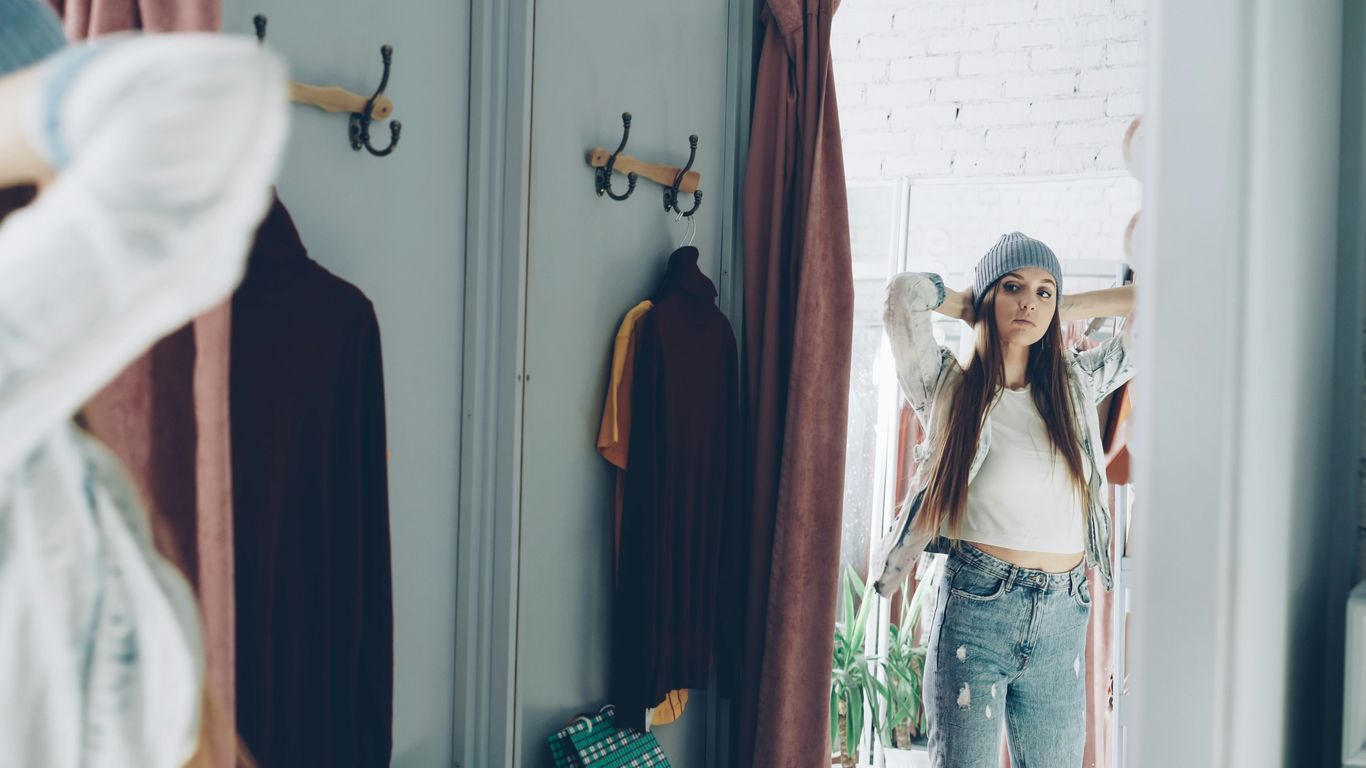
Before you can truly elevate your look, it's essential to first get a handle on what your personal style actually is. This isn’t about chasing every fleeting trend or copying someone else's outfits; it’s about discovering what makes you feel confident and look fantastic. Think of it as laying the foundation for a wardrobe that genuinely reflects who you are.
Identifying Your Core Aesthetic
What is a core aesthetic? It's the underlying theme or vibe that connects your clothing choices, essentially the essence of your style. To nail this down, take a moment to consider the clothes you're naturally drawn to. Do you find yourself reaching for minimalist pieces, or are you all about bold patterns and vibrant colors? Are you more comfortable in structured, tailored items, or do you prefer relaxed, casual silhouettes? Ask yourself what kind of impression you want to make. Professional, creative, approachable, or something else entirely? The goal is to align your outward appearance with your inner self.
The Influence of Past and Present
Our style is rarely formed in a vacuum; it’s often a rich blend of influences from our past and present. Think back to what you wore and loved as a child or a teenager—sometimes, these early preferences can offer surprising clues to your current aesthetic. For instance, if you always prioritized comfortable, practical clothes, you might find that those same qualities appeal to you in your adult wardrobe. It's also worth considering the people, cultures, or subcultures that have inspired you. These influences can show up in subtle ways, from your go-to color palettes to specific types of clothing. Of course, your lifestyle and environment shape your choices, too; what works for someone in a bustling city might be quite different from what’s practical in a rural setting.
Embracing Your Style Evolution
Here’s something important to remember: personal style isn't static. It evolves as you do. As you gain new experiences, learn more about yourself, and watch your priorities shift, your style will likely shift right along with you. It’s completely normal to outgrow certain looks or to discover new preferences along the way. Instead of fighting this change, why not embrace it? View your wardrobe as a dynamic collection that can adapt with you. This journey might involve experimenting with new silhouettes, colors, or even entirely different aesthetics. Don't be afraid to try things that are a little outside your comfort zone—sometimes, the most exciting style discoveries happen when you step into the unknown. You might find that pieces you once dismissed now speak to you, or that a new trend aligns perfectly with your evolving taste. This continuous exploration is what keeps your style feeling authentic and current.
Strategic Wardrobe Enhancement
A thoughtfully curated wardrobe is the very foundation of a strong personal style. This isn't about having a closet bursting with clothes, but rather about making intentional choices that truly serve you. This section is all about refining what you already have and making smart, strategic additions.
The Power of a Capsule Collection
A capsule wardrobe is a compact, versatile collection of clothing where nearly every piece can be mixed and matched to create a wide range of outfits. This approach not only simplifies the daily routine of getting dressed but also encourages more mindful purchasing. Building a capsule collection means focusing on quality pieces that you genuinely love and that fit you perfectly.
- Identify Core Pieces: Start by selecting versatile basics like well-fitting trousers, a classic white shirt, a sweater in a neutral color, and a timeless jacket.
- Choose a Color Palette: Sticking to a cohesive color scheme is key, as it ensures maximum mix-and-match potential for all your items.
- Prioritize Versatility: As a rule of thumb, each item should work with at least three other pieces in your capsule.
The goal of a capsule wardrobe isn't restriction—it's liberation. By owning fewer, more intentional items, you reduce decision fatigue and free up mental space for more important things.
Investing in Quality and Longevity
When it comes to building a style that lasts, the quality of your clothing really does matter. Investing in well-made pieces, even if they have a higher price tag upfront, often proves to be more economical in the long run. These items tend to endure longer, hold their shape and color better, and simply look more polished.
Pay close attention to the materials and construction of a garment. Natural fibers like wool, cotton, and linen generally wear better over time than most synthetics. Look for sturdy seams, clean finishing, and durable hardware. And don't forget that repairing a beloved item, rather than replacing it, is a cornerstone of both sustainable and stylish dressing. You might find a local seamstress or cobbler who can help with minor garment repairs.
Decluttering for Clarity
Before you can effectively build up your wardrobe, it's crucial to understand what you're working with. A thorough decluttering session can unearth some hidden gems and clearly show you where your collection might be lacking.
- Assess Each Item: Ask yourself honestly: have I worn this in the past year? Does it still fit well? Does it align with my current style?
- Sort into Categories: Create distinct piles for items you want to keep, donate, sell, or discard.
- Organize What Remains: Arrange your keepers logically, perhaps by clothing type or color. You might want to consider using smart storage solutions to keep everything visible and tidy.
Incorporating Current Trends Thoughtfully
Staying current with your style doesn't mean you have to chase every fleeting fad. It’s more about selectively weaving in new ideas that genuinely align with your personal aesthetic and lifestyle. The fashion world moves at a dizzying pace, with new microtrends popping up all the time. Trying to keep up with everything can be overwhelming and, frankly, not every trend is going to be a good fit for every person. The key is to approach trends with a discerning eye, choosing only those that truly add something valuable to your existing wardrobe. This thoughtful approach allows your style to evolve naturally, without ever feeling forced or inauthentic. Remember, modern fashion is shifting towards personalization and moving away from one-size-fits-all looks.
Adopting Accessible Trends
When you're looking at new trends, focus on those that are easy to incorporate and don't require a complete style overhaul. These are often the trends that build on classic styles or offer simple, modern updates. For example, a trend toward a certain color or fabric texture can be easily introduced through an accessory or a single new piece of clothing. It’s also wise to consider trends that seem to have a longer lifespan or are fresh interpretations of existing styles. This strategy ensures your choices will remain relevant for more than just a season.
- Fabric Updates: Keep an eye out for updated takes on classic materials, like tweed in a modern colorway or leather in fresh silhouettes.
- Color Palettes: Pay attention to the season's trending colors and see if they complement your existing wardrobe and skin tone.
- Accessory Focus: Trends in jewelry, scarves, or bags offer a wonderfully low-commitment way to experiment with what's current.
- Silhouette Variations: Subtle shifts in popular shapes, like a slightly wider-leg pant or a more relaxed blazer, can be adopted without dramatic changes.
Integrating New Silhouettes
Beyond just colors and fabrics, trends often introduce new garment shapes and silhouettes. Instead of rushing out to buy a whole new outfit in a trendy shape, try experimenting with pieces you own that offer a similar feel. For instance, if oversized blazers are having a moment, why not try layering a slightly larger blazer you already have over your usual tops? If wide-leg pants are in, consider a pair with a more relaxed fit rather than an extreme cut. This allows you to test the waters and see how a new silhouette works for you—before you make a significant investment. It's all about adapting the trend to fit your comfort level and your existing closet.
Approaching new silhouettes calls for a bit of experimentation. Think about how a new shape could be styled with items you already own. Sometimes, a simple change in how you wear something familiar, like rolling your jean cuffs differently, can give it a fresh, on-trend feel.
Experimenting with Textures and Fabrics
Textures and fabrics play a huge part in how a trend is perceived and can add so much depth and interest to your outfits. For example, if satin or silk is trending, you could try a satin camisole or a silk scarf. If shearling or faux fur is popular, a textured jacket or even a piece with textured trim can be a fantastic addition. These elements can instantly update even the most basic outfits. When you're choosing, think about how the texture feels and how it drapes on the body. This is where you can really play with the tactile qualities of fashion and make your look feel both current and sophisticated. For instance, pearls are a classic that can be worn in countless ways—from jewelry to shoe embellishments—adding a touch of timeless trendiness. Fashion trends are always evolving, so being aware of these shifts is a smart way to keep your style fresh.
Mastering Styling Techniques
Beyond just choosing the right clothes, the way you actually wear them has a massive impact on your overall look. Mastering just a few key styling techniques can completely transform your existing wardrobe, making your outfits look more polished and intentional.
The Art of the Front Tuck
The front tuck is a simple yet incredibly effective trick that involves tucking only the front part of your shirt into your waistband. What does this do? It creates definition at your waist, which keeps an otherwise shapeless top from overwhelming your frame. It works beautifully with all sorts of tops—from t-shirts and blouses to sweaters—and can be adjusted for a looser or neater effect depending on the look you're going for. This one small adjustment can make a surprising difference in how your proportions appear.
Elevating Outfits with Accessories
Accessories are like the punctuation marks of an outfit; they add personality and complete the whole look. They can be anything from jewelry and scarves to belts and bags. The secret is to choose accessories that complement your clothing rather than compete with it. Think about the scale and color of your accessories in relation to your outfit. For example, a delicate necklace can add a subtle touch of elegance to a simple top, while a statement belt can cinch your waist and create visual interest on a dress or tunic. Learning about different fabric types, like those featured in seasonal fabric trends, can also inspire your accessory choices.
The Impact of Proper Garment Fit
Here's a hard truth: even the most expensive clothing won't look its best if it doesn't fit correctly. Garments that are too tight can be uncomfortable and unflattering, while those that are too loose can just look sloppy. It's so important to understand your body shape and seek out pieces that are tailored to your proportions. Don't underestimate the power of minor alterations, like hemming trousers or taking in the waist of a jacket—they can make a world of difference. Ultimately, paying attention to how clothes drape and move on your body is far more important than the brand on the label.
When you're assessing fit, don't just consider how a garment looks when you're standing still. Think about how it feels and appears when you move. Comfort and ease of movement are great indicators of a good fit, contributing to both your confidence and the overall success of your outfit.
Cultivating a Confident Fashion Persona
Beyond the clothes themselves, the way you carry yourself plays a huge role in your overall style. Developing a confident fashion persona is all about owning your choices and presenting yourself with assurance. It's more than just wearing nice outfits; it's about how those outfits make you feel and how you project that feeling to the world.
The Role of Confidence in Style
Confidence is, without a doubt, the ultimate accessory. When you feel good in what you're wearing, it shows. This inner self-assurance can elevate even the simplest ensemble into something remarkable. It allows you to *wear* your clothes, rather than letting your clothes wear *you*. Think about how a well-tailored suit or a favorite dress can make you stand a little taller and feel more capable. That's not magic; it's the power of feeling comfortable in your own skin, amplified by your clothing choices. Your hairstyle, for example, can greatly impact this perception, with a polished look conveying professionalism and a more unique style highlighting individuality [d4e0].
Developing a Personal Style Uniform
A personal "uniform" doesn't mean you wear the exact same thing every day. Instead, it's about identifying a set of core pieces or silhouettes that consistently work for you and align with your aesthetic. This approach simplifies getting dressed and ensures you always have go-to options that make you feel put-together. It’s all about recognizing the types of garments, colors, and fits that best suit your body and lifestyle, and then building your wardrobe from that foundation. This can lead to a much more streamlined closet and far less decision fatigue in the morning.
Consider these elements when defining your uniform:
- Fit: Which silhouettes are most flattering and comfortable for your body type?
- Color Palette: What colors complement your skin tone and make you feel your best?
- Fabrication: Do you prefer natural fibers, easy-care synthetics, or a happy medium?
- Occasion Appropriateness: What pieces can easily transition from a casual day to a more formal evening?
Seeking Inspiration from Diverse Sources
As you develop your personal style, looking to others for inspiration can be incredibly helpful. The key, however, is to draw from a wide range of sources rather than fixating on a single trend or person. This broadens your perspective and helps you curate a style that is uniquely yours, not just a carbon copy. Think about people whose style you admire—and not just celebrities, but perhaps friends, colleagues, or even characters in books and films. Analyze what it is about their style that appeals to you. Is it their color choices, their knack for mixing pieces, or their overall attitude?
Drawing inspiration is about collecting ideas and then adapting them to your own context. It’s a process of observation and thoughtful integration, not direct replication. The goal is to find elements that speak to you and weave them into your own aesthetic in a way that feels completely authentic.
Exploring different fashion eras, art movements, or even subcultures can also provide a rich wellspring of ideas. Remember, the most compelling personal styles are often those that blend influences in unexpected and interesting ways. This thoughtful curation can help you refine your look and present yourself with greater polish in various social settings [0d2d].
Practical Approaches to Style Improvement
Improving your personal style doesn't have to involve a complete wardrobe overhaul or a major financial investment. More often than not, it comes down to adopting a few smart habits and making more conscious choices. These practical methods can help you steadily refine your look and make better decisions about what you wear.
The Hanger Trick for Wardrobe Analysis
This is a wonderfully simple yet effective way to figure out what you *actually* wear from your wardrobe. Here's how it works: at the start of a season, turn all the hangers in your closet so they're facing the same direction. Each time you wear an item and put it back, turn its hanger the opposite way. After a few months, you’ll have a clear visual of your most-worn pieces versus those that just hang there. This method is great for identifying gaps in your wardrobe or items that are no longer serving you.
The Benefits of Outfit Photography
Taking a quick picture of your outfits can be surprisingly insightful. When you see yourself in a photograph, you get a much different perspective than you do from just looking in a mirror. It allows for a more objective assessment of how an outfit really looks, how the colors work together, and how the proportions are balanced. Regularly photographing your outfits helps you identify what works best for you and lets you build a visual library of successful looks. This practice can be especially helpful when you're trying to curate your closet with key items.
Making Small, Incremental Changes
Trying to make a significant style shift all at once can feel overwhelming. A much more manageable approach is to make small, consistent changes over time. This could be as simple as adding one new accessory a month, experimenting with a different way to tuck in a shirt, or trying a new color you wouldn't normally wear. These minor adjustments allow you to step outside your comfort zone gradually, making the process of style evolution feel less daunting and much more sustainable. It’s all about consistent progress, not an overnight transformation.
Style is a journey of continuous learning and adaptation. By using straightforward techniques like the hanger trick and outfit photography, and by committing to gradual improvements, you can systematically refine your personal aesthetic without feeling overwhelmed. These methods provide tangible feedback, empowering you to make informed decisions about your wardrobe and how you present yourself.
Putting It All Together
Improving your personal style doesn't demand a complete overhaul or a massive budget. It’s really about making small, consistent changes and paying attention to what makes you feel your best. Whether you're experimenting with new accessories, trying a different way to tuck your shirt, or just taking a closer look at what's already in your closet, these small steps can lead to a big shift. Remember, style is a journey, not a destination. By embracing these simple strategies, you can build a wardrobe that truly reflects who you are and boosts your confidence every single day.
Frequently Asked Questions
How can I figure out my own style?
A great way to start is by looking at what you already enjoy wearing. Think about the colors, cuts, and fabrics that make you feel good. It's also helpful to save pictures of outfits you admire and look for common themes. Don't be afraid to experiment a little, even if something seems different at first—your style will evolve over time, and that's a good thing!
What is a capsule collection?
A capsule collection is essentially a small, curated selection of clothes that are designed to work well together. The idea is that you can mix and match almost everything to create lots of different outfits from just a few core items. It simplifies getting dressed and helps you make more intentional choices when you shop.
Is it better to buy trendy clothes or classic pieces?
A healthy mix of both is usually the best approach. Trendy pieces are fun for experimenting with new looks, but classic items like a great-fitting pair of jeans or a simple t-shirt have real staying power and can be styled in countless ways. Your best bet is to focus on quality items that you genuinely love and that fit you well, rather than just chasing every new fad.
How important is the fit of my clothes?
The fit of your clothes is incredibly important! When your clothes fit you properly, they not only look much better but also make you feel more confident. Even the simplest outfit can look elevated if the fit is perfect. If you find something you love but it doesn't fit quite right, consider taking it to a tailor for a few adjustments.
What are some easy ways to update my look?
You can easily update your look with accessories like a great scarf, some interesting jewelry, or a stylish belt. Trying a simple styling trick, like a 'front tuck' with your shirt, can also make a huge difference. Even something as small as changing how you roll your sleeves or cuff your pants can give an outfit a fresh, modern feel.
How can I avoid buying clothes I won't wear?
Before buying something new, it's a good idea to take stock of what you already have. The 'hanger trick' is great for seeing what you wear most often. Also, try to be mindful about what you truly need and what will work with your existing wardrobe—this can help you avoid making those impulse purchases you later regret.
Share

Peyman Khosravani
Industry Expert & Contributor
Peyman Khosravani is a global blockchain and digital transformation expert with a passion for marketing, futuristic ideas, analytics insights, startup businesses, and effective communications. He has extensive experience in blockchain and DeFi projects and is committed to using technology to bring justice and fairness to society and promote freedom. Peyman has worked with international organisations to improve digital transformation strategies and data-gathering strategies that help identify customer touchpoints and sources of data that tell the story of what is happening. With his expertise in blockchain, digital transformation, marketing, analytics insights, startup businesses, and effective communications, Peyman is dedicated to helping businesses succeed in the digital age. He believes that technology can be used as a tool for positive change in the world.


