


business resources
What To Do After an Injury in Palm Desert, California: A Practical Guide
17 Sept 2026

An injury can turn an ordinary Palm Desert day into a stressful series of decisions. Whether it happens in a traffic collision, a store, a parking area, a neighborhood, or another setting, the priorities are safety, medical attention, and clear documentation. If questions about an injury claim arise later, Valero Law Group Injury Lawyers may be a resource for people seeking professional guidance about their individual situation.
Palm Desert's heat, busy seasonal traffic, pedestrian activity, and wide roadways can all create circumstances in which a careful response matters. Start by focusing on immediate needs, then preserve the information that may help explain what occurred. For local emergency contacts and reporting information, Palm Desert residents can review the city's public safety resources.
What to Do in the First Few Hours
Do not let the desire to document an incident override your safety. Move away from traffic, unstable conditions, fire, broken glass, or any other immediate danger if you can do so safely. Call 911 when someone has a serious injury, needs urgent medical help, or the circumstances require emergency assistance.
Take a calm, factual approach
- Report the incident to the appropriate property owner, manager, law enforcement agency, or other authority.
- After a vehicle collision, exchange contact, vehicle, and insurance information when it is safe.
- Avoid arguing about fault or making guesses about why the event happened.
- Write down the date, time, location, weather conditions, and sequence of events while details are fresh.
- Note anyone who saw the incident or assisted afterward.
Even a short note made on a phone can be useful later. The goal is not to create a perfect legal account at the scene. It is to preserve your own accurate recollection before details become harder to remember.
Why Prompt Medical Care Matters
Some symptoms are obvious immediately, while others may develop or become more noticeable after the initial shock of an incident. A person may feel soreness, stiffness, headaches, numbness, dizziness, or reduced mobility later that day or over the following days. Medical professionals, rather than insurers or online search results, should evaluate symptoms and recommend treatment.
Follow the care plan you receive, attend follow-up appointments, and tell providers about all symptoms and limitations. Keep discharge instructions, appointment dates, test results, referrals, prescriptions, and therapy records. Do not stop prescribed treatment simply because pain improves temporarily without discussing it with the treating provider.
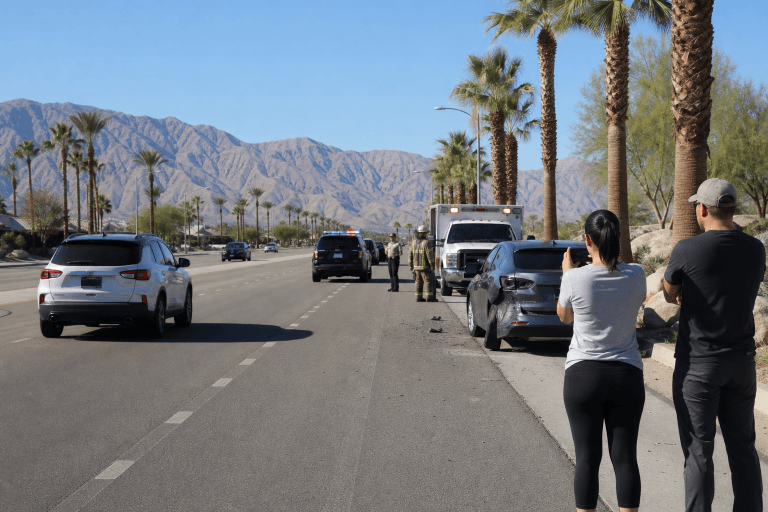
For example, someone involved in a low-speed crash may initially focus on vehicle damage, then notice increasing neck or back discomfort several days later. Seeking an appropriate evaluation provides that person with medical information to inform their health decisions and a dated record of the symptoms reported.
How to Preserve Helpful Evidence
Evidence may help establish what happened, identify conditions at the location, and show how an injury affected your everyday life. Gather what you can without putting yourself at risk, and retain original files whenever possible.
- Photograph the scene, vehicles, hazards, visible injuries, clothing, and damaged property.
- Take wide photos for context and closer images for details.
- Save original videos, texts, emails, and messages connected to the incident.
- Collect witness names and reliable contact information.
- Keep damaged personal items in a safe place rather than repairing, discarding, or replacing them immediately.
- Request available incident or traffic collision reports through the proper process.
A nearby business, residence, or vehicle may have video that is not kept indefinitely. Make a timely, polite request to preserve relevant footage. Do not edit original photographs or videos, and avoid deleting social media posts or messages related to the event. Save copies in a secure cloud folder, on a separate device, or both.
Records and Costs to Track
Organized records can reduce confusion during recovery. In injury cases, useful proof may include photographs, medical documentation, witness statements, and police reports. The California Courts guide on personal injury cases also identifies medical bills, doctor reports, photos, witness statements, and police reports as examples of evidence that may support a case.
Create folders, either digital or paper, for medical care, income loss, property damage, correspondence, photos, and reports. Add documents as you receive them, rather than trying to reconstruct months of information later.
- Medical bills, receipts, and explanation-of-benefits statements
- Prescription, assistive-device, and medical-equipment costs
- Mileage, rideshare, parking, and other appointment transportation expenses
- Pay stubs, work schedules, and employer communications showing missed work
- Receipts for household assistance or services made necessary by the injury
- A dated journal describing pain, sleep disruption, activity limits, and recovery changes
Dealing With Insurance Companies
Insurance communication requires care. Notify the appropriate insurer within the timeframe required by your policy, but keep your statements factual. It is reasonable to provide basic details about an incident without guessing about fault, causes, diagnoses, or the full future impact of an injury.
- Record the date, time, representative's name, and summary of every phone call.
- Keep copies of emails, letters, claim forms, and requests for information.
- Ask for settlement offers and important requests in writing.
- Review any release carefully before signing, because it may affect the ability to pursue further payment.
- Gather medical and financial records before evaluating whether an offer addresses known and anticipated losses.
California Deadlines to Watch
Deadlines can significantly affect an injury claim. California courts state that a personal injury lawsuit must usually be filed within 2 years of the injury, but the applicable deadline may depend on the facts and legal theory involved. Claims involving a government agency can require earlier action and additional procedures. Do not assume that a general deadline applies to every situation.
It is especially important to seek timely, case-specific advice if a public entity, public roadway, government vehicle, or government employee may be involved. An online legal guide is helpful background information, but it cannot determine the deadline for a particular claim.
Common Mistakes That Can Weaken a Claim
- Delaying medical evaluation despite ongoing symptoms
- Failing to report an incident promptly
- Throwing away damaged clothing, equipment, or property
- Missing follow-up care without discussing it with a provider
- Posting guesses, accusations, or angry comments online
- Giving inconsistent accounts because details were never written down
- Accepting a quick settlement before understanding current and future costs
Memories naturally fade. A person may remember a key detail differently weeks after an incident than they did on the same day. A factual, dated record helps preserve details without relying solely on recollection.
When Professional Guidance May Help
Legal guidance may be useful when an injury is serious, fault is disputed, several parties may be responsible, treatment may continue for an extended period, or a deadline appears close. It can also help when an insurer requests a broad release, a recorded statement, or documents that you do not understand.
Final Checklist
After an injury in Palm Desert, focus on the next practical step: get safe, obtain appropriate medical care, report the incident, preserve evidence, track expenses, communicate carefully, and identify relevant deadlines. Every situation is different, but early organization can make the recovery process and any later claim decisions much clearer.


