
resources, healthcare sustainability
What to Know About Modern X-Ray Services
06 Oct 2025

X-ray technology has come a long way since its discovery in the late 19th century. What was once a groundbreaking but rudimentary diagnostic tool has evolved into a precise, versatile, and indispensable component of modern medicine. From detecting fractures to guiding advanced surgical procedures, X-rays play a critical role in diagnosing and treating a wide range of conditions.
For patients, understanding what modern X-ray services offer helps ease anxiety, improve preparation, and make the most of medical appointments. With advancements in imaging techniques and equipment, these services are more efficient, safer, and more informative than ever before.
The Expanding Role of Modern Imaging
Today’s medical imaging landscape goes far beyond simple black-and-white images on a lightbox. Digital imaging has replaced film in most facilities, improving clarity, speed, and storage capabilities.
Modern X-ray systems capture high-resolution images that can be enhanced and analyzed in real time, helping physicians make accurate diagnoses quickly. Many facilities now provide a range of X-ray services, including chest X-rays, bone imaging, dental X-rays, and specialized procedures like fluoroscopy. These techniques help diagnose various conditions such as fractures, lung infections, digestive issues, and vascular problems. The expansion of X-ray applications has made imaging an integral part of nearly every medical specialty, from orthopedics to cardiology.
How Digital X-Rays Differ From Traditional Film
Traditional film-based X-rays required chemical processing and physical storage, which often led to delays and image degradation. Digital X-rays, in contrast, produce images almost instantly. Technologists can view and adjust these images on computer screens, enhancing visibility without needing additional exposures.
The digital format allows for seamless sharing between medical professionals. If a patient needs to see a specialist or obtain a second opinion, their X-rays can be transmitted securely within seconds. This instant accessibility leads to faster decision-making, better coordination between healthcare providers, and more efficient patient care.
Improved Safety Through Lower Radiation Doses
One of the most significant advancements in X-ray technology involves radiation safety. Modern X-ray machines use much lower doses of radiation than older models while still delivering high-quality images. This is particularly important for patients who require multiple scans, such as those with chronic conditions or children with ongoing health concerns.
Protective measures like lead aprons, thyroid shields, and specialized positioning techniques further reduce exposure. Healthcare providers follow strict safety guidelines to ensure that patients receive the lowest dose necessary to achieve diagnostic accuracy. As a result, X-rays today are considered a safe and routine part of medical care.
Specialized X-Ray Techniques for Better Diagnostics
Modern imaging facilities use specialized X-ray techniques to target specific areas and provide more detailed insights. For example, fluoroscopy uses a continuous X-ray beam to create real-time moving images, allowing doctors to observe functions like swallowing or blood flow. This technique is invaluable in procedures such as catheter placements, gastrointestinal studies, and joint injections.
Another specialized method is computed radiography, which captures digital data using imaging plates. This approach bridges the gap between traditional film and fully digital systems, offering flexibility for clinics transitioning to advanced technology. Cone-beam computed tomography (CBCT), often used in dental and orthopedic imaging, provides 3D views of structures, giving clinicians a more comprehensive perspective.
Streamlining Patient Experiences
Modern X-ray services are designed to be faster and more comfortable than older systems. Appointments typically take only a few minutes, and patients receive clear instructions on positioning to minimize discomfort. Technologists use digital tools to ensure accurate alignment on the first try, reducing the need for repeat scans.
Patients often receive their results more quickly as well. Digital images can be interpreted soon after they’re taken, allowing doctors to provide same-day feedback or plan next steps without long waits. This speed is particularly beneficial in emergency settings, where rapid imaging can influence critical treatment decisions.
Supporting Early Detection and Preventive Care
X-rays play a vital role in early detection, allowing healthcare providers to identify issues before they become severe. Regular dental X-rays can uncover cavities, bone loss, or impacted teeth that might not be visible during a standard examination. Chest X-rays can detect lung infections or abnormalities that may indicate underlying health problems.
In orthopedics, early imaging can reveal stress fractures, joint misalignments, or degenerative changes, enabling interventions that prevent further damage. By incorporating X-ray imaging into preventive care strategies, healthcare professionals can catch conditions in their early stages and improve patient outcomes.
Enhancing Accuracy Through AI and Image Processing
Artificial intelligence and advanced image processing technologies are becoming increasingly common in modern X-ray services. AI algorithms can detect subtle abnormalities that may be difficult for the human eye to catch, such as early signs of lung disease or small fractures. These tools act as a second layer of analysis, supporting radiologists in delivering more accurate diagnoses.
Image enhancement software allows clinicians to adjust contrast, zoom in on specific regions, and compare scans with incredible precision. These technological enhancements improve diagnostic accuracy and speed up workflows, allowing radiologists to handle more cases efficiently.
Accessibility and Integration With Other Medical Services
Modern X-ray facilities are more accessible than ever. Patients can find imaging services in hospitals, urgent care centers, dental offices, and specialized clinics. Many providers integrate X-ray services with other diagnostic tools like ultrasound, MRI, and CT scans, allowing for comprehensive evaluations in a single visit.
Integration with electronic health record (EHR) systems means that imaging data becomes part of a patient’s complete medical history. This connectivity allows healthcare providers to track progress, monitor chronic conditions, and make informed decisions based on a holistic view of the patient’s health.
What Patients Can Do to Prepare for X-Ray Appointments
While X-rays are quick and straightforward, a little preparation can make the process even smoother. Patients should wear comfortable clothing without metal components, remove jewelry, and inform the technologist about any medical implants or pregnancy. Bringing previous imaging records helps providers compare past and current results for a more accurate diagnosis.
Patients should communicate any discomfort or mobility limitations to the technologist, who can adjust positioning techniques accordingly. Understanding the process in advance helps reduce anxiety and ensures that the appointment runs efficiently.
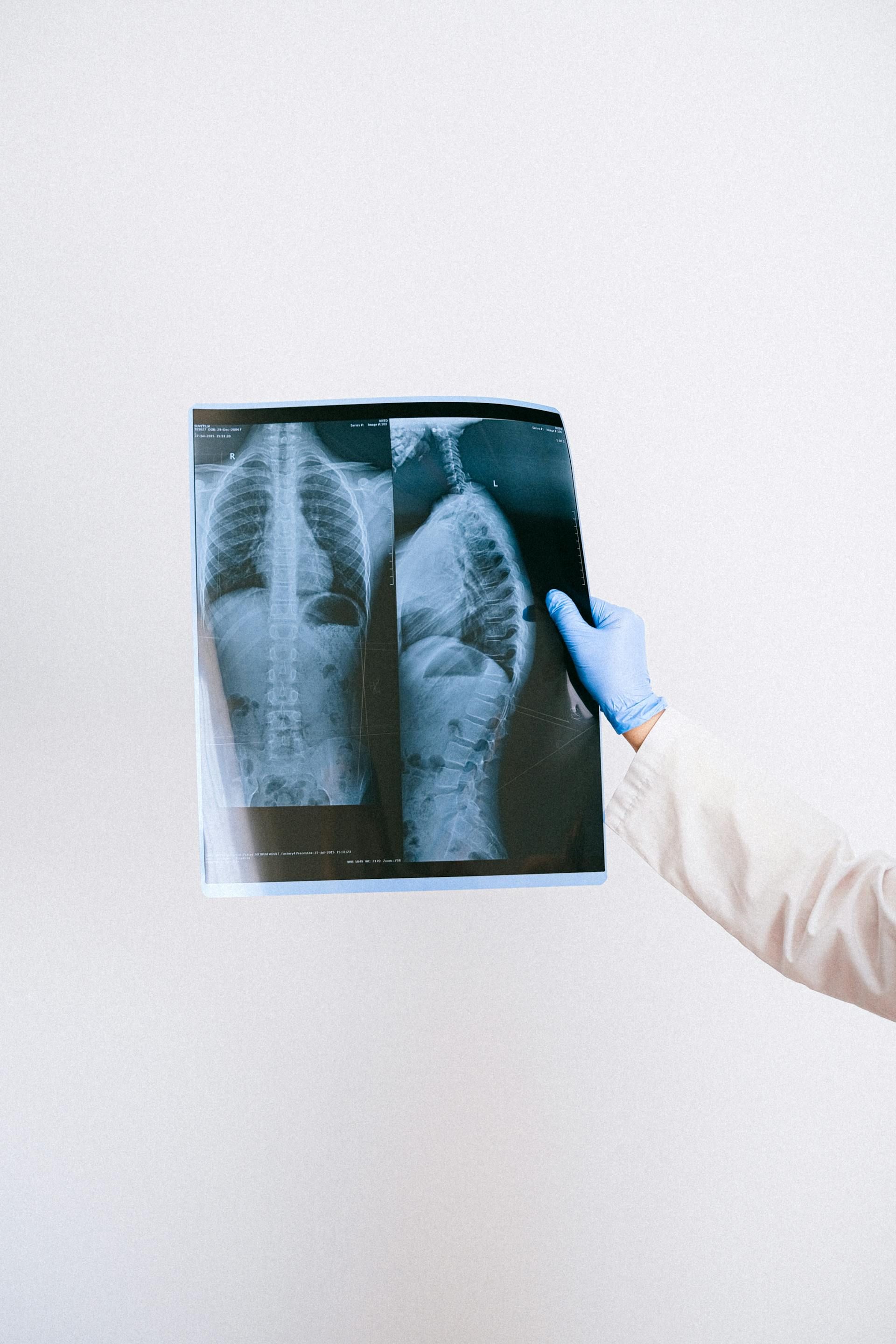
Modern X-ray services combine advanced technology, improved safety, and patient-centered design to deliver fast, accurate, and accessible diagnostic imaging. From digital processing to AI-powered analysis, these innovations have transformed a once-basic tool into a sophisticated component of medical care. By understanding what modern X-ray services involve, patients can approach their appointments with confidence and play an active role in their healthcare journey.


