
business resources
What Traders Learn From Poker That Entrepreneurs Often Ignore
02 Sept 2026

We can definitely say that traders usually understand one poker truth faster than entrepreneurs do: a good decision can still lose. In poker, that is normal. In markets, it is normal too. In business, many founders still struggle with it. They want effort to produce a clear result. They want conviction to reduce uncertainty. Poker does not allow either illusion.
For traders, this way of thinking is routine. They live with variance, position size, timing, and incomplete information. Entrepreneurs face the same conditions, but many act as if vision alone can solve them. Poker shows why that fails. It turns discipline into something concrete. Every hand is a decision about capital, patience, and survival.
Why Poker strategy starts with bankroll control
Poker is often discussed as a game of reads, bluffs, and pressure. The deeper truth is simpler. Strong poker starts with control over money. A player can understand ranges, position, and timing, yet still fail if the bankroll is handled badly. That is why the strategic core of poker lines up so closely with money management.
Many poker strategy tips and guides point back to the same issue. Do not risk too much in one spot. Do not chase losses. Do not confuse a playable hand with a large edge. Do not let emotion set the stake. Those ideas sound basic, but they shape everything. A player with poor bankroll discipline loses room to think clearly. A player who overcommits loses the chance to use skill over time.
Traders recognize the logic immediately
Traders usually connect with poker fast. They already think in terms of exposure. A trade can be sensible and still be too large. A setup can look strong and still deserve caution. Poker works the same way. A hand is never judged in isolation. It has to be judged by the cost of staying in, the likely return, and the damage a loss would do to the total bankroll.
Entrepreneurs often miss this because they treat the business like one long all-in hand. They keep adding capital because they want the idea to work. Poker teaches a harder and more useful rule. Every new bet must earn its place. Past effort does not improve the current odds. A fold is not a failure. It is protection of future opportunities.
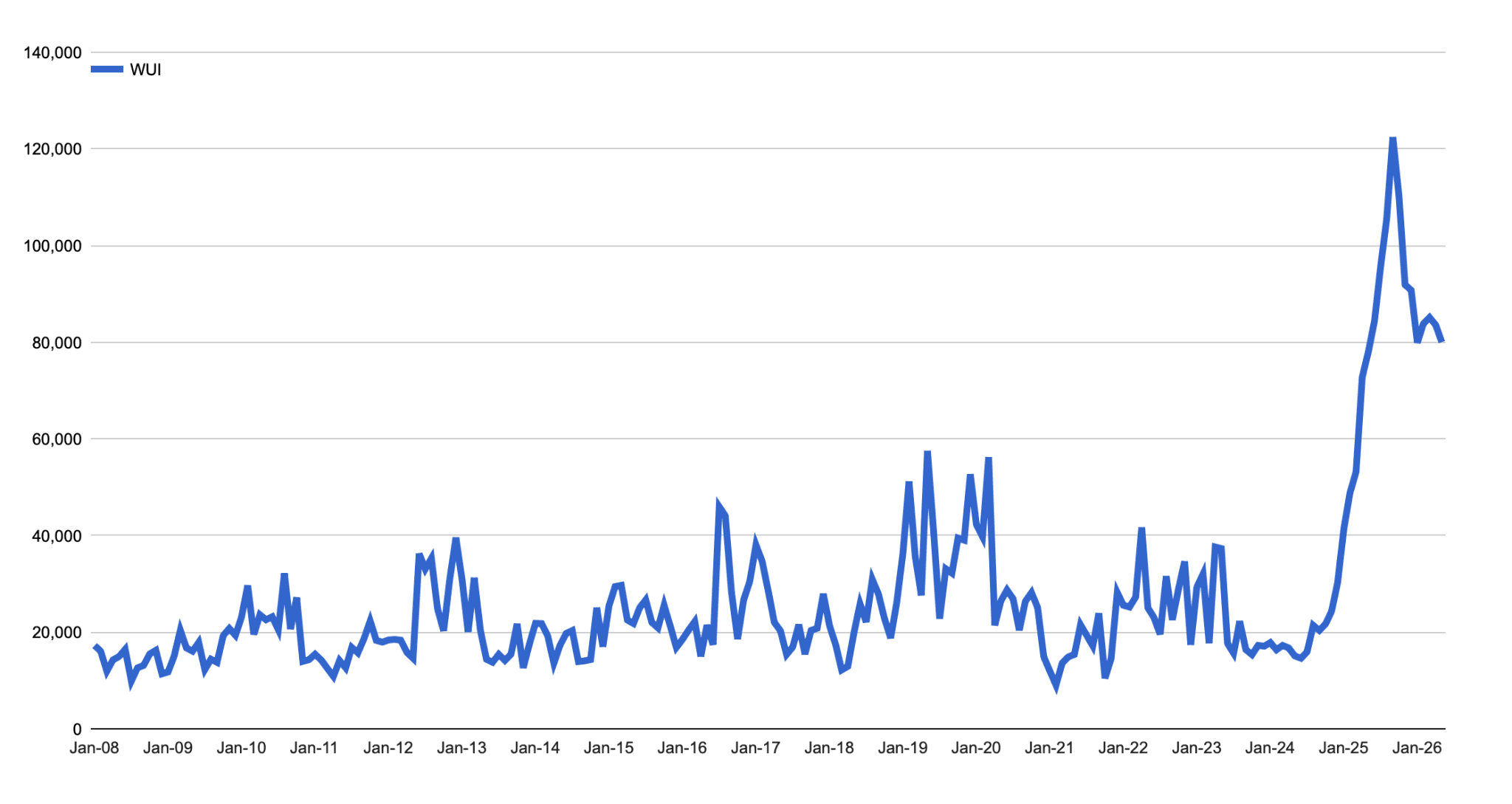
This world uncertainty index, that covers 18 years, shows that uncertainty can rise fast and stay high, which is exactly why poker strategy starts with bankroll control.
That is why poker teaches money management so well. It shows that edge is only useful when the stake fits the situation. It shows that survival is what lets skill compound. Traders absorb that early. Entrepreneurs benefit when they do the same. There are memes circulating on the internet that are fun but also simplify the nature of poker:
For gaming, this is relatable, but professionals who take lessons from poker should always remember that the game is more nuanced and not always a clear choice between folding and going all in.
Where entrepreneurs exactly fail
Entrepreneurs usually fail in the same places weak poker players fail. They play too many hands. They stay in weak spots too long. They overrate their read. They keep adding chips because they are attached to the story.
The mistake is rarely a lack of energy. The mistake is poor judgment under uncertainty. In poker, a player has to keep asking whether the next chip into the pot still makes sense. Entrepreneurs often stop asking that question. A weak launch turns into more spending. A soft market response turns into a bigger commitment. They defend the first decision instead of judging the next one on its own.
Age of business | Share still operating |
1 year | 79.6% |
3 years | 61.4% |
5 years | 50.6% |
10 years | 34.7% |
These figures come from the U.S. Bureau of Labor Statistics tracking private-sector establishments born in 2013. The pattern is clear. Survival drops fast in the early years, then keeps thinning over time.
Poker explains why. Many founders do not fold when the evidence changes. They keep investing in a weak hand because they already paid to see the flop. They mistake persistence for discipline. In poker, discipline means protecting capital when the hand stops making sense. Business needs the same habit.
How poker explains business success when risk has to be taken
Poker does not teach fear. It teaches selective risk. The best players are willing to bet hard, but only when the situation supports it and the loss will not end the game. That is the clearest link to business success. Growth usually requires risk. The real question is how to take it.
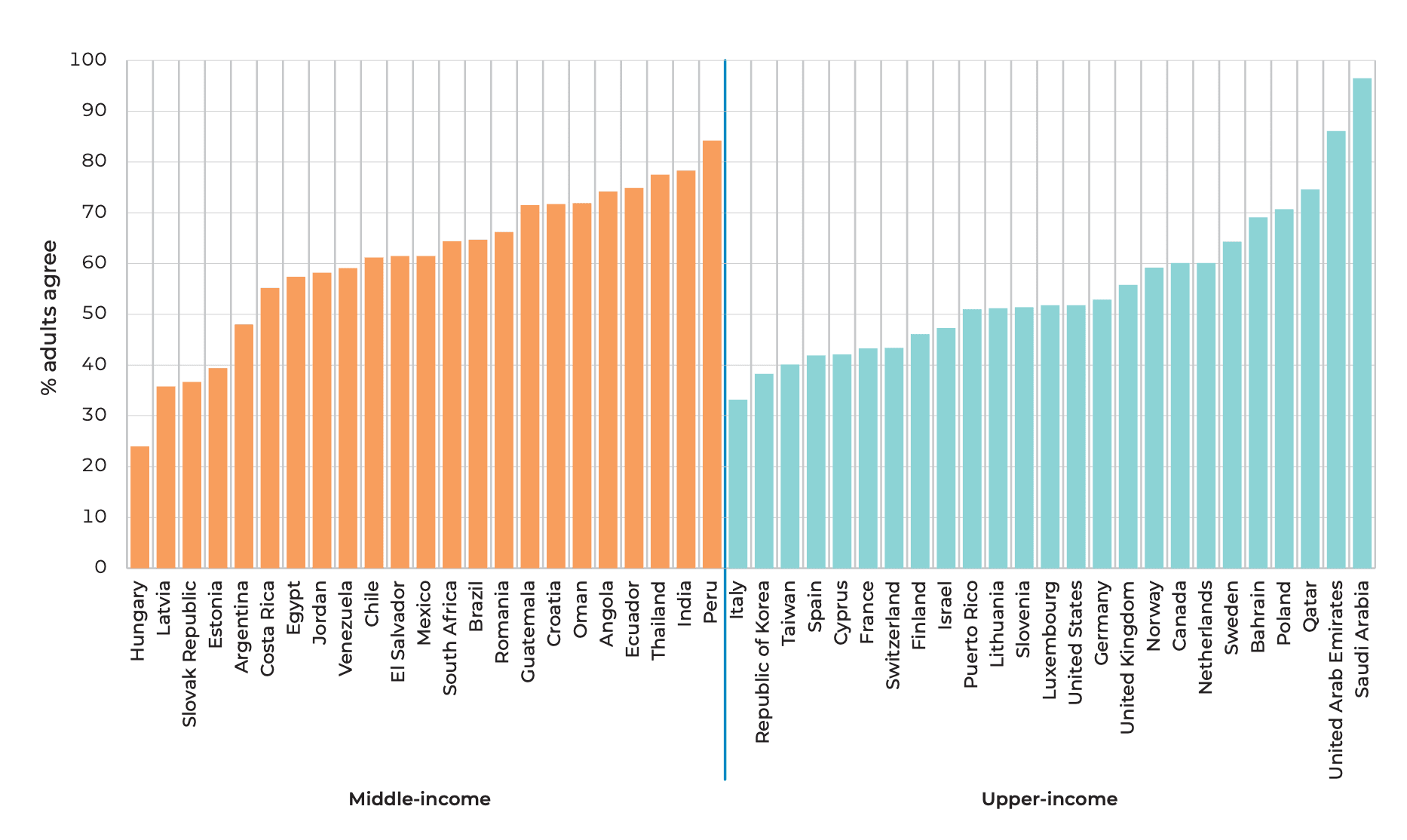 This chart shows that many adults may see strong business opportunities, but poker helps explain that spotting an opening is only the start. Success still depends on judging risk well, sizing the bet carefully, and staying disciplined after the decision.
Poker gives a practical answer. First, accept that certainty will not arrive. Second, use probability instead of hope. Third, size the bet so one wrong move does not destroy future options. That is close to how good traders work, and it is also how durable businesses grow.
Current entrepreneurship data shows something important. The latest Global Entrepreneurship Monitor says fear of failure deters 2 in 5 adults.
A useful line from Chris Mayer, quoted by Big Think, explains the challenge accordingly: “You have to be comfortable with that uncertainty.” Business success in risky periods depends on that skill. Founders have to act without perfect visibility, but they also have to keep enough capital and flexibility to act again after a setback.
One result does not prove the quality of the move
Poker makes this easier to understand because it removes the drama. A strong move can lose. A weak move can win once. Over time, the quality of the decision matters more than the mood around it. That is the lesson traders already know. Entrepreneurs win more often when they learn it too.
In other words, poker teaches that risk should be measured, priced, and sized. That is what keeps traders steady and what many entrepreneurs ignore until the cost is high.


