


business resources
When Upgrading Commercial Insulation Makes Financial Business Sense
18 Feb 2026

Energy costs keep climbing, and businesses are under pressure to cut waste while staying competitive. One area often overlooked is insulation. It may not grab attention, but it directly affects your bottom line. Poor insulation drains money through higher utility bills, equipment strain, and lost productivity.
Upgrading insulation goes beyond energy savings. It’s about making smart financial choices that protect your business now and in the future. Let’s explore when those upgrades make the most sense and how they can deliver measurable returns.
Commercial Insulation Options Explained
To make informed decisions, it helps to know the main insulation materials used in commercial buildings. Here are five of the most widely used and distinct options:
- Fiberglass batts: Affordable and easy to install, these are common in walls and ceilings. They provide reliable thermal resistance at a lower upfront cost.
- Spray foam insulation: This material expands to fill gaps and creates an airtight seal. It offers excellent energy efficiency and moisture control, though installation costs are higher.
- Mineral wool: Durable and fire-resistant, this material also provides soundproofing benefits. It’s a strong choice for businesses prioritizing safety and longevity.
- Rigid foam boards: These are lightweight panels with high thermal resistance. They’re often used in roofs, foundations, and areas where space is limited.
- Cellulose insulation: This material is made from recycled paper products and treated for fire resistance. It’s an eco-friendly option that supports sustainability goals.
- Reflective insulation: This uses foil surfaces to reflect radiant heat. It’s especially effective in buildings exposed to high sun or in warmer climates.
By understanding these core materials, you can match the right solution to your building’s design, budget, and long-term strategy. This knowledge provides a solid foundation for evaluating when upgrades make financial sense.
Rising Energy Bills Reveal the Need for Better Insulation
When your utility bills rise faster than expected, insulation is often the hidden culprit. Heat escapes through walls and roofs, forcing your HVAC system to work harder. That extra strain shortens equipment life and drives up maintenance costs.
Comfort matters too. Drafty offices or warehouses make employees less productive. Customers notice it as well. If your building feels uncomfortable, they’ll spend less time there. That’s lost revenue you can’t afford.
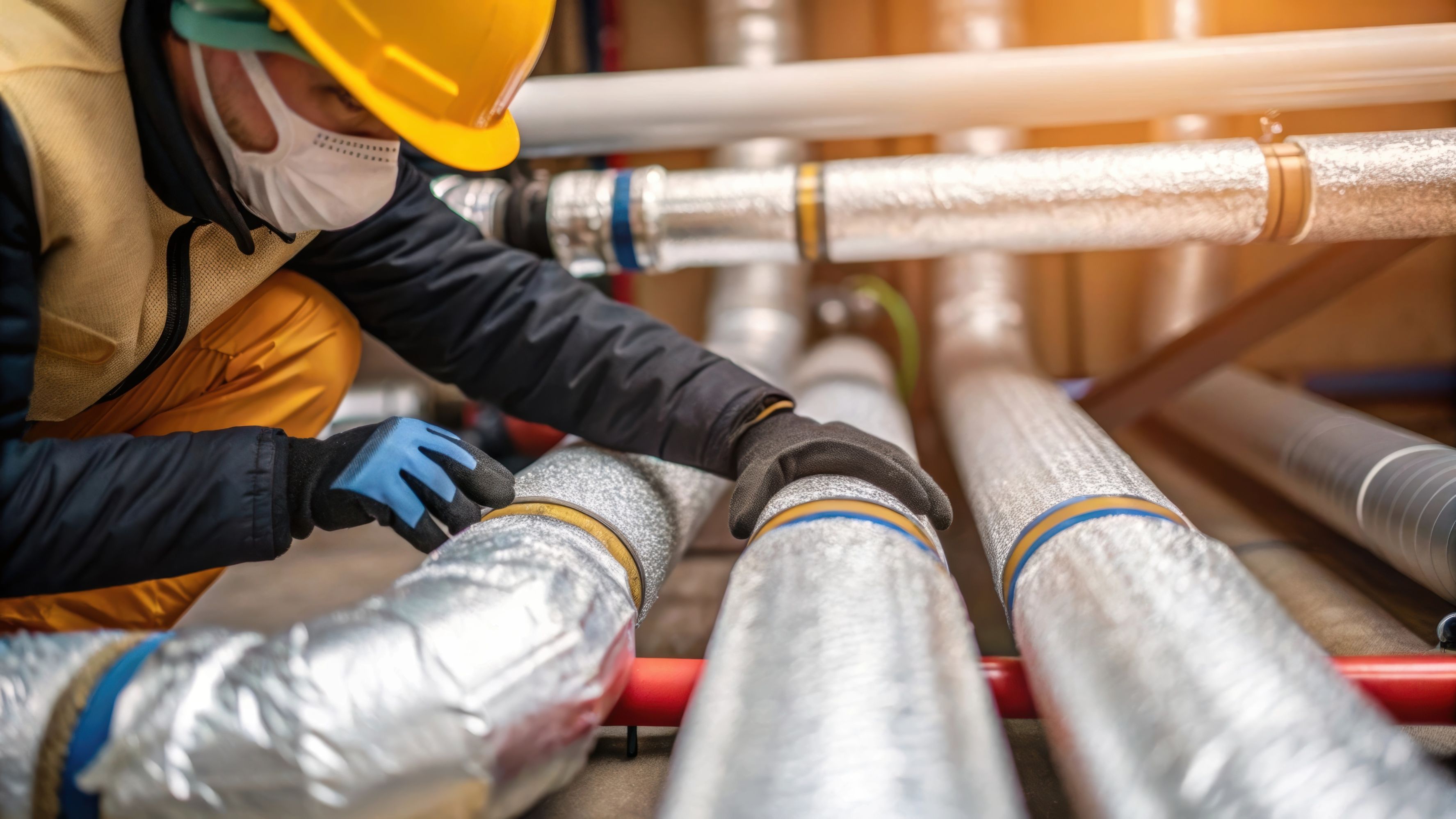
This is where expert help pays off. An experienced pipe insulation contractor can identify heat loss in mechanical systems and detect inefficiencies in insulated piping that you might otherwise miss. They’ll recommend targeted solutions so you can address weak points early and safeguard against larger losses in the long run.
Timing Your Upgrade Maximizes Financial Impact
Insulation upgrades deliver the best returns when you plan them at the right moment. Renovations or expansions are ideal because you’re already investing in construction. Adding roof insulation or improving existing systems during that window avoids extra labor costs later.
Energy prices also matter. When rates spike, every wasted unit of heating or cooling hits harder. Acting before those costs climb further protects your budget. Seasonal timing helps too. Scheduling upgrades before peak heating or cooling seasons ensures your building is ready when demand is highest.
Regulations are another factor. Staying ahead of new efficiency standards saves you from rushed, expensive compliance projects. By planning upgrades strategically, you turn insulation into a proactive move rather than a reactive fix.
Secondary Gains Strengthen the Business Case
Energy savings are only part of the story. Better insulation can reduce unnecessary runtime, easing strain on HVAC components and potentially extending overall system life. Over time, that can translate into meaningful cost savings.
Safety and compliance add more value. Materials with strong fire resistance ratings improve protection and may contribute to lower insurance premiums. Features like sound control also enhance comfort, making your property more appealing to tenants and customers.
Upgrades can even boost property value. Buyers and investors look for efficient buildings with reliable performance. Adding durable solutions such as mineral wool or advanced fire protection positions your property as a safer, smarter investment. These secondary gains show that insulation upgrades are more than an energy solution. They strengthen the overall business case for investment.
Insulation Supports Long-Term Business Strategy
Upgrading insulation isn’t solely about cutting today’s costs. It’s a move that positions your business for long-term success. Investors and customers increasingly expect companies to show progress on sustainability. For instance, choosing wool insulation solutions demonstrates commitment to greener practices while keeping operating expenses lower.
Strong insulation also supports Environmental, Social, and Governance (ESG) reporting. When you can show measurable energy savings and reduced emissions, you build credibility with stakeholders. Pairing upgrades with certifications such as ENERGY STAR strengthens your case even further.
Marketing plays a role too. Highlighting efficiency improvements and sustainable materials gives you a competitive edge. Insulation becomes more than a building feature. It becomes part of your brand story, showing that you’re serious about both financial performance and environmental responsibility.
Evaluating Your Building Ensures Smart Decisions
Before you commit to upgrades, you need a clear picture of your building’s performance. Energy audits and thermal imaging reveal where heat escapes and where improvements will pay off. Looking at the entire building envelope ensures you don’t miss hidden weak spots.
Specialists often recommend technical solutions that boost efficiency. Adding air sealing materials or installing air baffles improves airflow and reduces leaks. Using vapor retarder facings helps control moisture, while advanced thermal control systems help maintain stable indoor temperatures. These details may sound technical, but they directly affect your financial health.
Phased planning makes upgrades manageable. You don’t have to tackle everything at once. Start with the most critical areas, then expand gradually. By evaluating carefully and acting strategically, you make sure every dollar spent on insulation delivers maximum value.
Final Thoughts
Upgrading commercial insulation is more than a maintenance task. It’s a financial decision that protects your business against rising energy costs, equipment strain, and regulatory pressure. When you plan upgrades strategically, the savings compound over time, and the secondary benefits, from safety to property value, make the investment even stronger.
The smartest move is to evaluate your building before problems worsen. By treating insulation as a strategic asset, you position your business for stability, efficiency, and growth. Don’t wait until bills climb or compliance deadlines loom. Take timely action, and you’ll see how insulation upgrades pay off in both immediate savings and long-term resilience.


