
business resources
Why Are High-Precision Bearings for Aviation Critical?
22 Jan 2026

When you picture an airplane, your mind likely jumps to the massive engines or the sprawling wings. But what about the smaller, often-overlooked components that are absolutely essential for a smooth flight? We're talking about high-precision bearings for aviation—truly the unsung heroes of the skies. These aren't just ordinary rings of metal; they are meticulously engineered to meet incredibly strict standards, handling everything from blistering speeds to extreme temperatures. Without them, the intricate systems that make modern flight possible simply couldn't function. So, let’s take a closer look at why these precision bearings are so incredibly vital.
Key Takeaways
- At their core, aviation's high-precision bearings are specialized components, built to exact specifications, that can withstand the intense speeds, heavy loads, and temperature shifts inherent in aircraft operations.
- You'll find these crucial bearings in nearly every key system of an aircraft, including the engines, landing gear, flight controls, and even the sensitive navigation instruments.
- The aviation industry enforces stringent manufacturing standards and quality control for bearings, demanding advanced materials and comprehensive certifications to guarantee their reliability and performance.
- Bearings in aircraft must be exceptionally durable, performing consistently in harsh conditions—from extreme temperatures and high speeds to heavy loads and corrosive elements—without fail.
- Continuous innovation in materials and manufacturing is paving the way for even more advanced bearings, which are essential for supporting emerging aviation technologies like electric and autonomous aircraft.
The Indispensable Role of High-Precision Bearings in Aviation
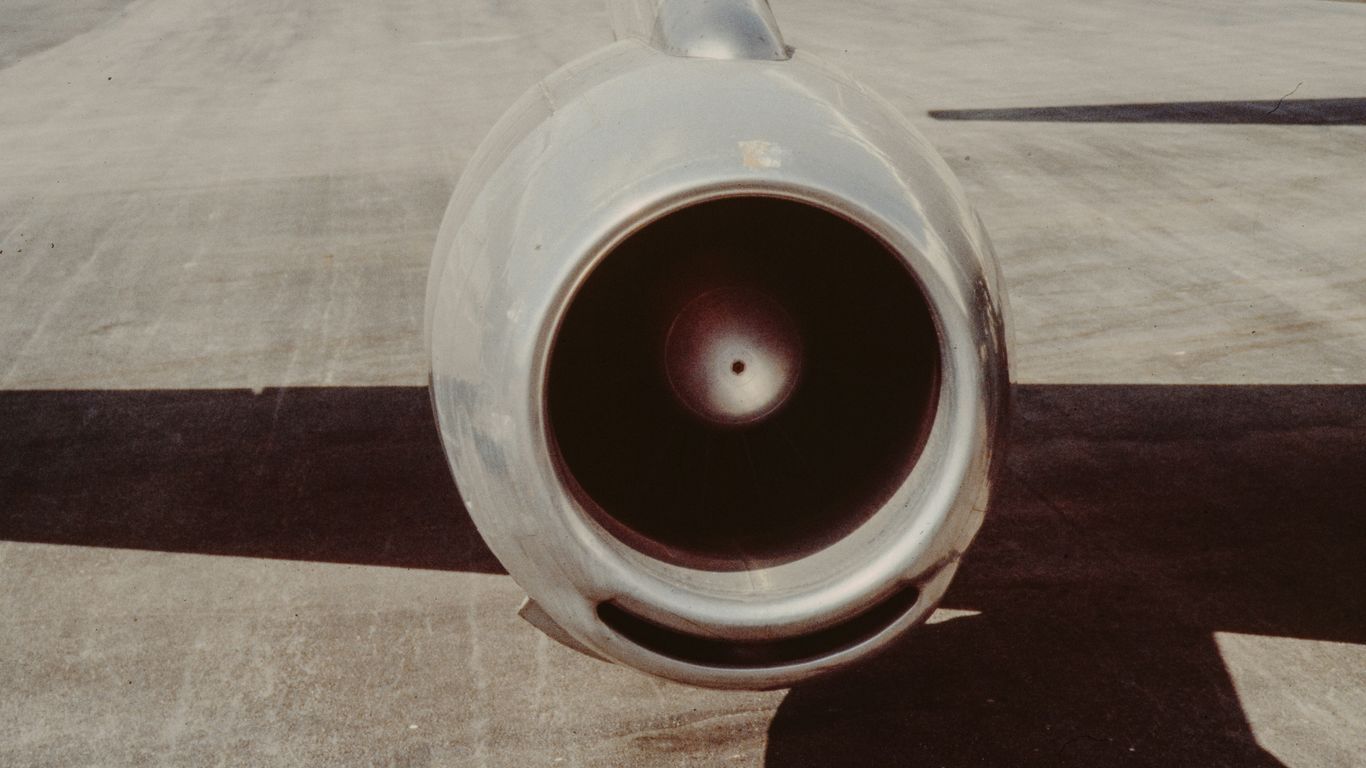
When we think about the marvel of modern flight, it’s easy to focus on the big, impressive parts like powerful engines or sleek wings. Yet, countless smaller, less visible components are just as vital—if not more so—for keeping an aircraft safely airborne. Among these, high-precision bearings stand out. These are a far cry from your standard hardware-store components; they're engineered to incredibly exact standards and are fundamental to the smooth operation of countless aircraft systems.
Understanding Precision Bearings in Aerospace
So what, exactly, makes them so special? Precision bearings are highly specialized components manufactured with incredibly tight tolerances. Unlike standard bearings intended for general use, aerospace bearings are designed to perform flawlessly under the most extreme conditions imaginable. This means they must handle immense speeds, punishing loads, and constant vibrations without a hitch. Think of them as the intricate, hyper-accurate gears in a finely tuned machine—but built to endure the brutal environment of flight.
- Manufactured to exacting standards: They are required to meet specifications that go far beyond typical industrial needs.
- Designed for extreme conditions: These bearings are capable of operating at incredible speeds and under substantial loads.
- Tight operational clearances: This level of accuracy is absolutely key to their performance in sensitive, mission-critical systems.
Manufactured to Exacting Standards
The aerospace industry has some of the most demanding quality requirements of any sector on earth. For bearings, this translates into manufacturing processes that leave virtually no room for error. We're talking about tolerances measured in mere microns, ensuring that each component fits and functions perfectly within its intended system. This meticulous attention to detail is what separates aerospace-grade bearings from their less precise counterparts.
Designed for Extreme Conditions
An aircraft's operating environment is, to put it mildly, incredibly harsh. Temperatures can swing wildly from freezing cold at high altitudes to the intense heat radiating from engines. Speeds can be astonishing, and the forces exerted on components are immense. Precision bearings are engineered to withstand these punishing conditions day in and day out. They must maintain their integrity and performance whether subjected to:
- Extreme temperature fluctuations
- High rotational speeds
- Significant radial and axial loads
- Vibration and shock
The reliability of an entire aircraft truly hinges on the flawless performance of these components. This is precisely why aerospace engineers insist on bearings that meet the most rigorous standards imaginable.
The consequence of even a minuscule flaw in a bearing can lead to increased friction, reduced efficiency, or, in a worst-case scenario, a catastrophic system failure.
Critical Applications of High-Precision Bearings in Aircraft
When it comes to flight, it's easy to focus on the major components like engines or wings. In reality, though, much of what ensures a plane's safe and proper operation comes down to smaller, less visible parts. High-precision bearings certainly fall into that category. They are the quiet workhorses, performing their duties in nearly every major system of an aircraft.
Aircraft Engine and Turbomachinery Performance
Aircraft engines are marvels of modern engineering. They operate under incredibly harsh conditions, with extreme temperatures and pressures, all while rotating components at almost unimaginable speeds—tens of thousands of revolutions per minute. This is where precision bearings become absolutely non-negotiable. They support the main shafts, allowing the compressor and turbine sections to spin smoothly while maintaining perfect alignment. They must handle enormous radial and axial forces without faltering. Without these bearings functioning perfectly, an engine wouldn't just lose efficiency; it could face a complete failure. This smooth, precise operation is fundamental to ensuring engine longevity and fuel economy.
Ensuring Reliability in Landing Gear Assemblies
Consider the immense stresses of takeoff and landing. The landing gear must deploy and retract flawlessly while also absorbing massive forces. The bearings within these assemblies have to withstand huge impacts, manage dynamic loads, and resist wear over thousands of cycles. They support the aircraft's entire weight on the ground and must facilitate smooth articulation during taxiing, takeoff, and landing. The precision of these bearings has a direct and significant impact on the safety and reliability of these critical phases of flight.
Facilitating Movement in Flight Control Systems
Flight control surfaces—such as ailerons, elevators, and rudders—are what a pilot uses to maneuver the aircraft. These surfaces demand precise and reliable movement, even when contending with powerful air currents and high speeds. High-precision bearings are integral to the actuation mechanisms that move these surfaces. They enable smooth, controlled adjustments, which are vital for maintaining stability and executing necessary course corrections. The ability of these bearings to operate with minimal play and friction is directly linked to the aircraft's responsiveness and maneuverability.
The performance of these bearings is not just about smooth operation; it's about maintaining the exact angles and positions required for safe flight. Any looseness or resistance can translate into delayed or incorrect responses from the control surfaces, impacting the pilot's ability to manage the aircraft effectively.
Why Precision is Paramount in Aviation
When we analyze the mechanics of flight, our attention is often drawn to the large-scale components like the engines or the wings. However, a significant portion of what keeps an aircraft safely and efficiently in the air relies on smaller, less conspicuous parts. High-precision bearings are a prime example. They're the quiet enablers, diligently performing their function across almost every major system of the aircraft.
The Unsung Heroes of Flight Systems
These bearings are found in a multitude of critical locations on an aircraft. They allow engine shafts to rotate at incredible speeds, enable landing gear to retract and deploy smoothly, and ensure that flight control surfaces actuate with pinpoint accuracy. Without them, the complex machinery that makes aviation possible simply would not function. They are truly the silent partners that keep everything moving correctly from takeoff to touchdown.
Consequences of Bearing Failure
In the world of aviation, there is virtually no margin for error. Every single component must perform flawlessly, and bearings are certainly no exception. Even a microscopic flaw in a bearing can result in increased friction, reduced operational efficiency, or, in a worst-case scenario, a major system failure. The safety and reliability of an entire aircraft truly depend on these components functioning without issue—which is precisely why aerospace engineers demand bearings that meet the highest possible standards.
- Increased friction and wear: Even minor imperfections can lead to excessive rubbing between parts, causing premature wear and tear.
- Reduced efficiency: Greater friction means more energy is wasted, which can negatively impact fuel consumption and overall performance.
- Compromised control: In flight control systems, imprecise bearing movement can result in delayed or inaccurate responses from the aircraft.
- Catastrophic failure: In the most severe instances, bearing failure can lead to the breakdown of critical systems, posing a grave safety risk.
Ultimately, the effects of a bearing failing in an aircraft can range from minor performance issues to truly disastrous events. Because of this, the manufacturing and selection processes for these parts are scrutinized intensely, with rigorous quality control at every step.
Rigorous Standards for Aerospace Components
The bearings used in aircraft are fundamentally different from those you might find in everyday machinery. They are manufactured to incredibly tight dimensional and geometric tolerances. This level of accuracy is absolutely essential for their performance in sensitive systems where even the slightest amount of play could cause significant problems. They must handle extreme speeds, heavy loads, and constant vibrations without any degradation in performance. Think of them as the precision gears in a fine watch, but engineered to withstand the brutal environment of flight.
Accuracy in Avionics and Instrumentation
Sensitive Navigation Systems
When we consider an aircraft, it's not just about the large mechanical components like wings and engines. Inside the cockpit, there are incredibly delicate systems that are crucial for keeping the plane on its intended course. Think about the gyroscopes and navigation computers—these are the sophisticated instruments that inform the pilot of their position and heading. These systems often depend on tiny, high-precision bearings. Even the smallest amount of play or vibration from a less-than-perfect bearing can disrupt their readings. What does that mean in practice? The navigation data could become inaccurate, which is a significant concern when you're flying miles above the ground.
Reliable Flight Data
These sensitive instruments require bearings that are manufactured to exceptionally tight tolerances. The primary goal is to minimize any unwanted movement or looseness, ensuring that the instruments can provide stable and correct information. If a bearing within a navigation system lacks precision, it can introduce errors in position tracking or heading calculations. This isn't merely an inconvenience; it can directly affect the pilot's ability to fly the aircraft safely and efficiently. The reliability of the entire flight data stream depends on the accuracy of these small, often overlooked components.
Impact on Aircraft Maneuverability
Beyond navigation, precision bearings also play a crucial role in how the aircraft responds to pilot commands. Flight control surfaces like ailerons, elevators, and rudders are positioned by actuators. These actuators, in turn, use bearings to ensure smooth, precise movement. When a pilot adjusts the controls, they expect an immediate and predictable reaction from the aircraft. Any delay or imprecision caused by a faulty bearing in these systems could make the aircraft less responsive and more difficult to control, particularly in challenging weather. It’s a chain reaction: imprecise bearings in flight controls can lead to less predictable maneuverability, which directly impacts flight safety.
Traceability and Certification in Aerospace Bearings
The Foundation of Safety and Reliability
In aviation, where the stakes are incredibly high, the journey of a bearing from raw material to its final installation is meticulously documented. This isn't just about good record-keeping; it's a fundamental practice for building trust and guaranteeing safety. Every single bearing used in an aircraft must have a clear and unbroken history, detailing where its materials originated, the processes used in its manufacturing, and who inspected it at each stage. This detailed lineage—or traceability—is vital. Should any issue ever arise, it allows engineers to pinpoint the exact cause with much greater ease, preventing potential problems from escalating.
Meticulous Record-Keeping
You can think of it as a passport for each bearing. This extensive documentation confirms that the materials used meet strict specifications and that the manufacturing processes adhered to approved aerospace standards. It typically includes:
- Material Certifications: Verifying the exact composition and properties of the raw materials.
- Process Certifications: Confirming that all manufacturing methods meet strict aerospace-grade standards.
- Performance Testing Records: Documenting that each bearing has successfully passed rigorous functional and stress tests.
- Certificate of Conformance: A formal document declaring that the final product meets all specified requirements.
This level of detail ensures that every component will perform as expected, even under the immense pressures and extreme conditions of flight. The entire chain of custody, from sourcing raw materials to final inspection, must be thoroughly documented.
Commitment to Quality Management Systems
Beyond the records for individual components, manufacturers must also demonstrate a deep commitment to overall quality. This is often proven through certifications like AS9100 or ISO 9001. These aren't just badges to display; they represent a structured, systematic approach to quality control and continuous improvement. They signal that the company has robust systems in place to consistently produce reliable parts that satisfy the demanding requirements of the aerospace industry. It’s a tangible promise that quality isn't an afterthought—it's woven into the core of their operation.
The rigorous adherence to these standards is what gives us confidence that these small, often unseen components will perform flawlessly under immense pressure. It's a testament to the dedication required to build parts for aircraft, a process far removed from assembling everyday consumer goods.
Future of Aerospace Industry with Precision Bearings
Advancements in Materials and Manufacturing
The aerospace industry is in a constant state of evolution, always pushing for greater performance and efficiency. This means the components used in aircraft and spacecraft must also improve, and bearings are a critical piece of that puzzle. We're witnessing some remarkable developments that are redefining what these components are capable of. For instance, materials science is making significant strides. Think about new metal alloys and advanced composite materials that are not only lighter but also substantially stronger and more resilient to heat and stress. At the same time, manufacturing is becoming more sophisticated, employing advanced techniques that allow for incredible precision and more complex designs, which ultimately leads to superior performance.
Supporting Emerging Aviation Technologies
As aircraft are designed to fly faster, higher, and carry heavier payloads, the demands placed on their bearings continue to climb. It’s a constant push for components that can operate reliably under increasingly challenging conditions. This means modern bearings need to handle:
- Higher Speeds: As engines and control systems operate at greater velocities, bearings must keep pace without overheating or wearing out prematurely.
- Extreme Temperatures: From the deep cold of high altitudes to the intense heat generated by an engine, bearings have to maintain their structural integrity.
- Increased Loads: Larger aircraft and more sophisticated systems mean that bearings are frequently subjected to greater forces than ever before.
- Reduced Friction: Minimizing friction is a perpetual goal, as it directly improves an aircraft's fuel efficiency and overall performance.
Growing Demand for High-Performance Bearings
The relentless pursuit of innovation in aerospace means that the requirements for precision bearings are constantly evolving. With the rise of electric propulsion, autonomous flight, and more ambitious space exploration missions, the need for bearings that can perform exceptionally well in extreme environments is only going to intensify. These next-generation bearings will need to be lighter, more durable, and capable of operating with even greater accuracy than their predecessors. This ongoing development is absolutely key to enabling the next great leaps in aviation and space travel.
The future of aerospace is closely tied to the advancements in bearing technology. As we push the boundaries of flight and space exploration, these critical components will continue to be the silent enablers of progress, ensuring safety and reliability in the most demanding conditions.
The Bottom Line on Aviation Bearings
In the end, while it's natural to be captivated by the grand scale of an airplane—the engines, the wings, the entire experience of flight—it's truly the small, precise components like these high-quality bearings that make it all possible. They're working tirelessly in countless systems, from the very heart of the engines to the actuators that help the plane turn. Without their flawless performance, modern aviation wouldn't be as safe or as smooth as we've come to expect. The immense effort invested in manufacturing and certifying these bearings is a clear testament to just how vital they are for keeping us all safely in the air.
Frequently Asked Questions
How are airplane bearings different from regular bearings?
Aviation bearings are in a class of their own, manufactured with unparalleled precision from advanced materials. Unlike standard bearings you'd find in everyday machinery, these are engineered to perform perfectly under the extreme speeds, heavy loads, and intense temperatures that are common in flight.
Why are precise bearings so important for airplane engines?
Inside an aircraft engine, bearings play a crucial role by allowing components to rotate at incredibly high speeds. They enable parts like turbines to spin smoothly without issue, even under extreme heat. This ensures the engine operates at peak efficiency and contributes to its long-term reliability.
How do bearings help control an airplane's movement?
Bearings are essential in the systems that move an aircraft's control surfaces, such as the ailerons on the wings and the rudder on the tail. They ensure these parts can pivot and move with ease and accuracy, which is vital for the pilot to steer the plane safely and execute smooth maneuvers.
What happens if a bearing in a plane isn't precise enough?
If a bearing lacks the required level of precision, it can cause premature wear on parts or lead to a decrease in the aircraft's overall efficiency. In a worst-case scenario, a faulty bearing could cause a critical system to fail, posing a serious safety risk to everyone on board.
Are there different types of bearings for different parts of a plane?
Yes, absolutely. Different parts of an aircraft have vastly different operational demands. For example, bearings within the engines are designed for high speeds and extreme temperatures, whereas bearings in the landing gear must be exceptionally robust to handle the immense impact forces and weight during landing.
Why is it so important for bearings to be certified in aviation?
Certification and complete traceability for bearings serve as a guarantee of safety and quality. It confirms that the bearings were manufactured according to strict industry regulations and that their entire lifecycle, from raw material to final product, has been carefully documented. This process helps ensure they will perform reliably and safely under pressure.


