
business resources
Why Cold Storage Facilities Are Becoming Strategic Assets in Global Supply Chains
19 Feb 2026

Global logistics evolution has shifted the perception of cold storage facilities from mere utility spaces to high-value strategic assets. Cold storage was once the quiet backbone of supply chains. That’s no longer the case. Now it’s front and center – vital to how global logistics operates, grows, and competes.
As consumers demand fresher products and product lifestyles become shorter, maintaining the cold chain isn’t just another cost. It’s a strategic move.
Temperature-controlled logistics
Global supply chains are handling more sensitive, perishable, and tightly regulated products than ever.
Consider food, vaccines, biologics, specialty chemicals, cosmetics – the list keeps expanding, and every item relies on precise temperature management.
What’s fueling this change? People are consuming more fresh and frozen foods. Pharmaceutical ad vaccine shipments are surging. Direct-to-consumer delivery is everywhere.
And there’s a universal push for longer shelf life and less waste. Cold storage isn’t optional anymore. It’s essential if you want to keep products safe and reach your customers.
From Warehousing to Strategic Infrastructure
The traditional warehouse is outdated. Today’s cold storage facilities are advanced nerve centers.
They monitor inventory in real time, automate picking and sorting, create multiple temperature zones, ensure compliance reporting, and move products quickly – sometimes bypassing storage altogether with cross-docking.
Instead of just serving as storage space, these facilities help companies respond fast to market changes, supply disruptions, or seasonal peaks.
Global Food Security and Freshness
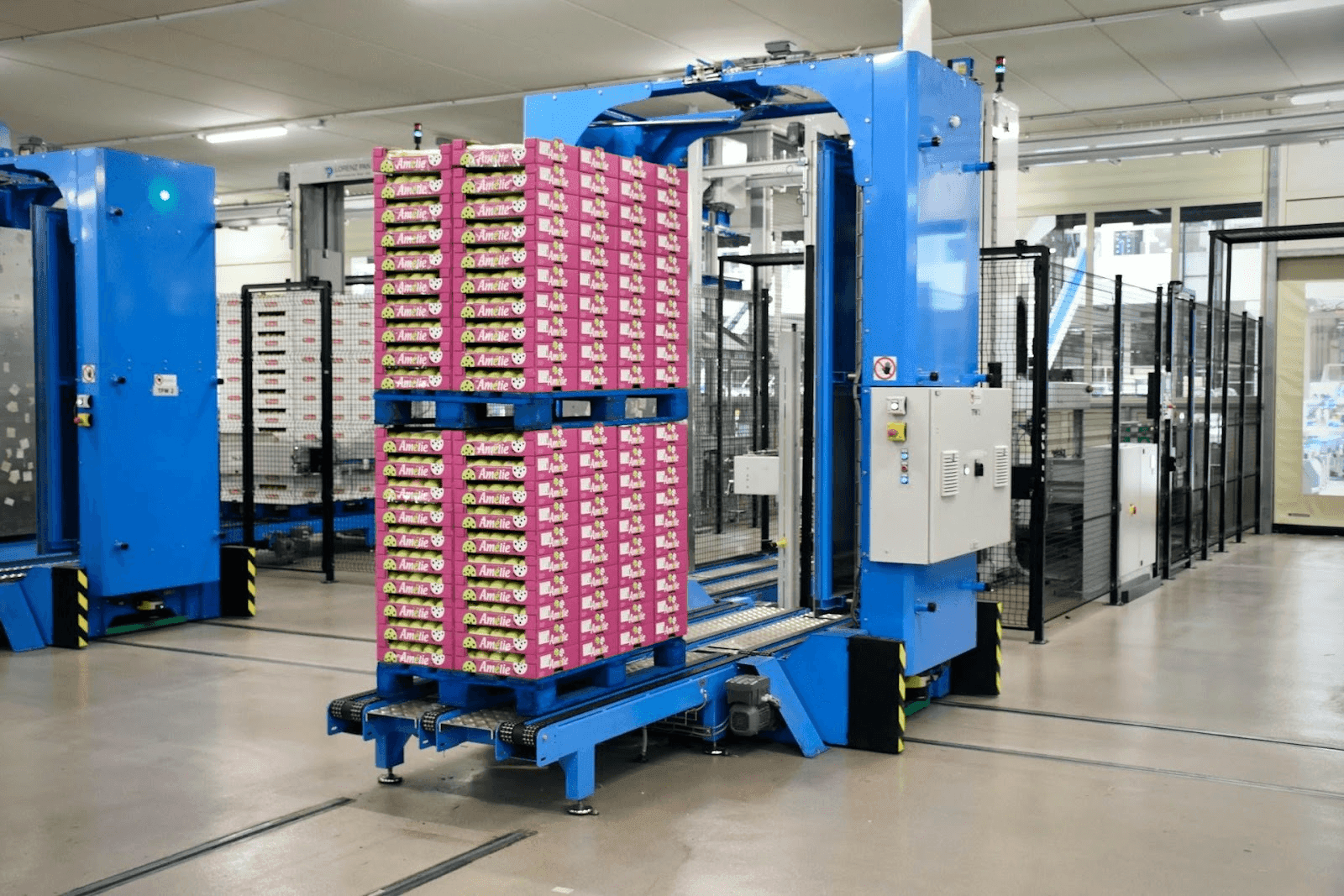
One mistake, and products spoil, recalls happen, and money is lost. Modern cold storage lets companies extend shelf life, reduce post-harvest losses, keep prices stable, reach distant markets, and ensure quality.
In many developing regions, new cold storage means more available food and reduced waste. For exporters, it opens doors to better, high-value markets.
Pharmaceutical and Healthcare Distribution
Pharmaceutical and healthcare logistics are another major area. Delivering vaccines, biologics, insulin, or gene therapies often requires maintaining strict (sometimes ultra low) temperatures.
Even a minor error can ruin an entire shipment. Cold storage now supports long-term stockpiling, emergency response, global clinical trials, pandemic logistics, and just-in-time hospital deliveries.
The pandemic showed that without proper cold storage, you can’t move quickly enough. That’s why governments and companies have invested heavily to prepare for the future.
E-commerce and Direct-to-Consumer
E-commerce has shifted the landscape too. Online grocery and meal delivery aren’t just trends – they're expectations. They want their food fast, fresh, and exactly when they want it, whether that’s today or tomorrow. Real-time tracking? Flexible order sizes? That’s just standard now.
To make this work, companies are building distributed cold storage hubs near cities, not just relying on a few large warehouses. Micro-fulfillment is the strategy now. Winning the last mile requires the right cold storage network.
Risk Management and Supply Chain
Let’s consider risk, because supply chains have faced real disruptions lately. Port backlogs, political instability, pandemics, climate events – all disrupt logistics.
Cold storages allow companies to keep surplus inventory, source products from a wider range of suppliers, manage shipping holdups, and respond to unexpected increases in demand.
Through the expansion and dispersion of cold storage, companies are less susceptible to single points of failure. This kind of resilience is no longer optional – investors, insurers, and regulators all expect it.
Data, Automation, and Smart Infrastructure
Technology is a key factor, too. These facilities rely in IoT sensors, AI-driven forecasting, automated retrieval systems, robotics, and predictive maintenance.
With data analytics included, warehousing and distribution operate more efficiently than ever. As supply chains become more intelligent, cold storage is no longer just a warehouse – it's a true logistics center: smart, connected, and essential.
Sustainability and Energy Efficiency Pressures
Operating cold storage consumes a huge amount of energy. As electricity costs rise and environmental regulations become stricter, operators are being pushed to rethink how they design and manage these facilities.
Today, smart investments are going into high-efficiency refrigeration systems, renewable energy sources, advanced thermal insulation, intelligent energy management, and low-emission refrigerants.
These upgrades reduce expenses and help companies achieve their ESG goals.
Sustainability is no longer a value-added feature but rather an essential component for maintaining long-term competitiveness.
Property and Investment Value
Cold storage is emerging as a first-class asset. However, they cost more to build than standard warehouses, take longer to get up and running, and mainly serve a specific group of customers
They usually secure long-term, stable leases; so, revenue remains consistent. This also makes it quite difficult for new entrants to compete.
Cold storage is viewed as essential by institutional investors and logistics funds, alongside data centers and shipping ports.
The Role of Cold Storage in International Trade: Predictions
Looking ahead, cold storage is only going to get more important for international trade. A few things are driving this: the rise of personalized medicine, the world’s growing appetite for protein, the wildfire growth of e-commerce, climate change shaking up supply chains, and more people living in cities.
Supply chains are getting more complicated and time-sensitive every year, and cold storage sits at the heart of all these temperature-controlled networks.
Shaping Future Trends
Cold storage facilities are essential for food security, healthcare, e-commerce, and achieving sustainability goals.
They have a direct impact on the business’s performance and its reach. For any business today, the act of investing in modern cold storage solutions is not a defensive strategy.
It’s a forward-looking strategy that equips a business to thrive in a world where temperature control has transitioned from being a luxury to a necessity.


