
resources
Why Commercial Kitchen Ventilation Is a Smart Investment for Growing Restaurants
21 Jan 2026

Opening a restaurant is a rush. Growing one takes systems that keep pace with demand. Ventilation is one of those quiet systems that shapes everything from energy bills to staff morale.
As your covers increase, heat, smoke, and grease rise too. A well-planned ventilation setup keeps your line safe, your room comfortable, and your costs predictable. Done right, it becomes a strategic asset rather than another box to check.
What Ventilation Really Does For A Busy Line
Commercial cooking throws off heat, moisture, smoke, and ultrafine particles. Ventilation captures and removes those byproducts at the source so they do not spread across the kitchen. That keeps the line safer and the food quality consistent.
Efficient hoods stabilize temperatures near your hottest equipment. When cooks are not fighting heat, they move faster with fewer errors. You can feel the difference during peak service.
There is a compounding effect as you add more burners and fryers. Without proper capture, airflow requirements balloon and so do costs. With the right design, you control both.
A peer-reviewed study found that on-demand kitchen ventilation significantly cuts energy use by adjusting airflow to real load, with large reductions in airflow and HVAC energy.
Energy Savings That Scale With Growth
Energy costs rise as your kitchen gets busier. A smart ventilation plan keeps those increases in check. It matches airflow to actual cooking, so you do not over-ventilate when the line is slower.
This is where equipment sizing matters. Choosing a hood that fits your current battery and planned expansion helps you avoid costly changes later, and a well-chosen 72 inch range hood can handle multi-appliance runs while still maintaining good capture. The payoff shows up as stable comfort and lower energy per cover.
Think about controls early. If your system can idle during prep and ramp during the rush, you lock in savings every day.
Fire Safety And Code Confidence
Ventilation is a frontline fire control measure. Proper hood, duct, and suppression setups reduce ignition risks and contain incidents quickly. That protects people, equipment, and uptime.
Compliance should feel routine, not stressful. When your system is designed and maintained according to current rules, inspections become straightforward and predictable. That keeps your opening hours and revenue intact.
Regulators publish clear requirements for ventilation in commercial environments. Guidance from workplace safety authorities outlines how ventilation ties into broader health and safety duties, reinforcing the need for proper capture, exhaust, and make-up air in busy kitchens.
Healthier Air For Staff And Guests
Cleaner reduces exposure to harmful particles and gases that can irritate lungs and eyes. Better air helps with hydration and stamina during long shifts.
Guests notice too. Dining rooms that do not carry kitchen odors feel fresher and more premium. That supports repeat visits and longer dwell time.
Use your maintenance plan to protect air quality. Schedule regular filter changes and duct cleanings so capture stays consistent, and pressure drops remain low.
- Prioritize capture at the source with proper hood overhang and height.
- Keep make-up air balanced to prevent drafts and hot spots.
- Track daily cleaning tasks to keep baffles and grease cups effective.
Sizing And Layout That Leave Room To Grow
Plan for today and tomorrow. Start by mapping your current cookline, then sketch the equipment you might add when sales double. Sizing the hood and duct path for that future footprint prevents expensive rework.
Airflow travels the path you give it. Keep straight duct runs where possible and avoid unnecessary turns that add static pressure. This supports quieter operation and smaller fan motors.
Think holistically about the room. Where do cooks stand, where is make-up air delivered, and how does that interact with doors and pass windows? Smooth flow patterns lead to better capture and less fatigue.
Smarter Controls For Leaner Operations
Demand-controlled kitchen ventilation is built for growth. It uses sensors to monitor heat or effluents and adjusts fan speed in real time. That saves energy during prep and late night while keeping full capture during peak.
Smart controls expand your data. You can track fan hours, correlate with sales, and tune settings to match your true schedule. Small adjustments compound over a month of service.
Analysts tracking the ventilation market note strong momentum for demand-controlled systems, with global spending rising and long-term growth projections pointing higher as operators chase energy and maintenance savings across larger portfolios.
- Use sensor-based fan speed to align airflow with actual cooking load.
- Integrate with BAS where possible for coordinated heating and cooling.
- Review trend logs monthly to fine-tune setpoints and schedules.
Noise, Comfort, And The Dining Experience
Ventilation noise sets the backdrop for service. Oversized fans and turbulent ducts can raise sound levels, making headsets and guest conversation harder. Good design keeps SPLs in check without sacrificing capture.
Comfort depends on even make-up air. If replacement air dumps on the cookline or the host stand, staff and guests feel drafts. Diffusers and displacement strategies smooth out delivery.
When the back of the house feels good, the front benefits. Hot lines push heat into the room if capture is poor. Steady temperatures support consistent plating and a calmer dining room.
Total Cost Of Ownership And Payback
Look past the sticker price. A right-sized hood with efficient fans, variable speed control, and simple maintenance often beats a cheaper system within a year. Energy is the big lever, but uptime and labor matter too.
Map costs across the system's life. Include utility use, filter changes, cleanings, inspections, and any downtime risk. Tie that to your growth plan so you are investing where demand is headed.
A practical approach is to set a target payback window and design toward it. For many growing restaurants, ventilation upgrades pencil out as sales increase because savings scale with volume while comfort and speed improve.
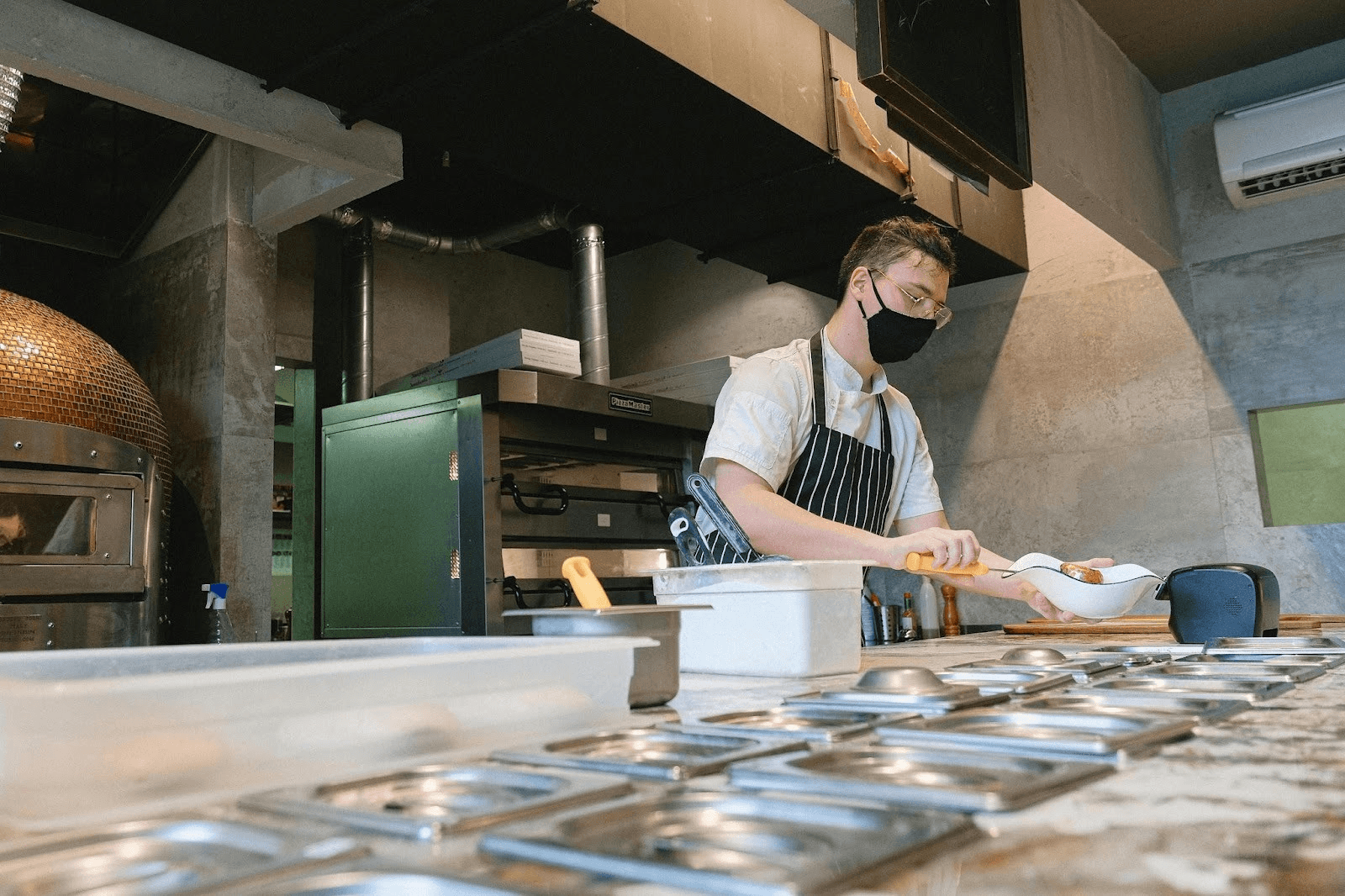
Ventilation touches every shift, every ticket, and every guest. When you plan it as an investment, not just a line item, it returns value through speed, safety, comfort, and lower energy per cover.
As your restaurant grows, the right system lets you add firepower without adding headaches. Build smart airflow into your expansion plan, and it will work quietly in the background while your team and guests feel the difference.


