
Why Homeowners Are Switching From Manual Pool Vacuums to Robots
14 May 2026

Manual pool vacuuming still works, but many homeowners are tired of how much attention it demands. A basic cleaning session can mean connecting hoses, attaching a pole, adjusting suction, moving slowly across the floor, watching for missed debris, and then cleaning up the equipment afterward.
That process is manageable once in a while. It becomes frustrating when wind, rain, trees, kids, pets, and weekend swimming keep bringing debris back.
This is why more homeowners are looking at robotic cleaning. They want pool care to feel more automatic, more consistent, and less physically demanding. Manual vacuums still have a place, especially for spot cleaning and smaller pools, but robots are changing expectations around convenience and long-term value.
Manual Pool Vacuums Still Work, but They Take More Effort
Why Manual Cleaning Can Feel Slow
A manual pool vacuum usually requires the owner to guide the cleaner by hand. The process can be slow because the vacuum has to move carefully across the pool floor. Move too fast, and dirt may scatter. Miss a section, and the pool still looks unfinished.
There are also small frustrations that add up: tangled hoses, uneven suction, tired arms, corners that are hard to reach, and the need to repeat the same passes after debris shifts.
Manual cleaning may still make sense for quick cleanup. If a few leaves settle in one corner, a manual vacuum can handle the job. But for homeowners who want a repeatable routine, it often feels too hands-on.
Why Pump Dependent Cleaning Can Add Strain
Many manual and suction-style systems rely on the pool’s pump and filtration system. That means debris may travel through the pool’s baskets and filter rather than being collected separately.
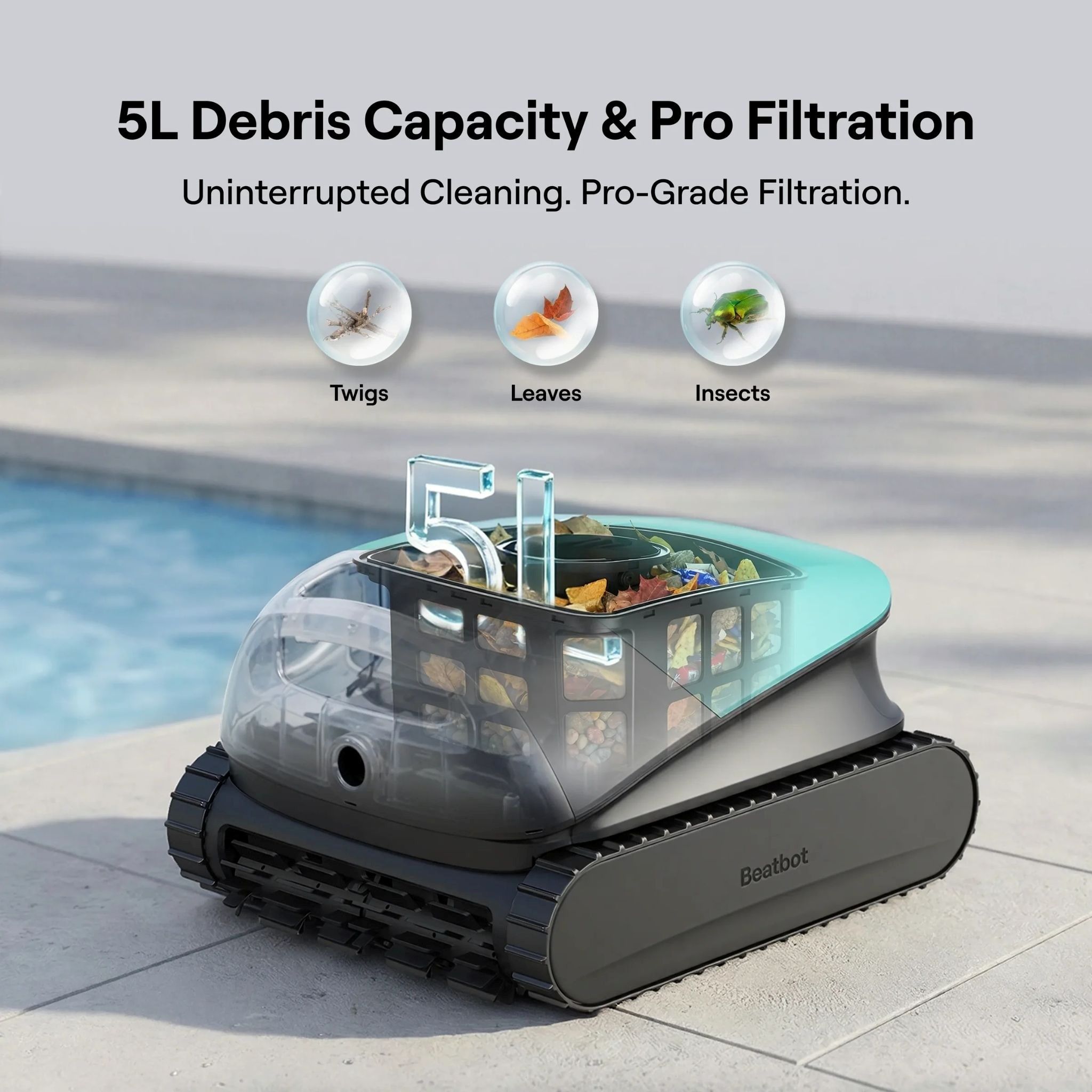
This can lead to more basket emptying, more filter cleaning, and sometimes weaker flow if the system gets overloaded. For pools that collect leaves, dust, insects, and fine debris regularly, that added strain can make the whole pool-care routine feel heavier.
Robotic cleaners are different because many use their own motor and internal debris system. That is one reason homeowners compare them differently from traditional vacuum setups.
What Robots Change About Pool Cleaning
Robots change pool cleaning by reducing the need for constant manual guidance. Instead of standing beside the pool and moving a vacuum back and forth, the owner can start a cleaning cycle and use that time for other tasks.
A homeowner might test the water, rinse the skimmer basket, tidy the patio, or prepare the backyard for guests while the robot works. That is a major lifestyle difference.
The shift also reflects a broader change in how people think about pool cleaners. Homeowners are no longer looking only for something that removes dirt. They want equipment that saves time, reduces repeated effort, and fits into a weekly routine without turning pool care into a full project.
Robots still require care. Their baskets or filters need rinsing, and battery-powered models need charging. But for many families, those small tasks are easier than a full manual vacuuming session.
Better Coverage Is a Major Reason Homeowners Switch
Floors, Walls, Waterline, and Surface Areas Need Different Cleaning
Pool debris does not stay in one place. Sand and dirt settle on the floor. Sunscreen oils collect around the waterline. Leaves may float for a while before sinking. Walls and steps can develop buildup when they are not brushed often enough.
A manual vacuum mainly helps with floor debris. Owners may still need a brush for walls, a skimmer net for leaves, and extra time for waterline marks.
Robotic cleaners are often compared by cleaning zones because broader coverage can reduce the number of separate tasks. For homeowners who want less manual work, this is one of the biggest reasons to consider switching.
Navigation Helps Reduce Missed Spots
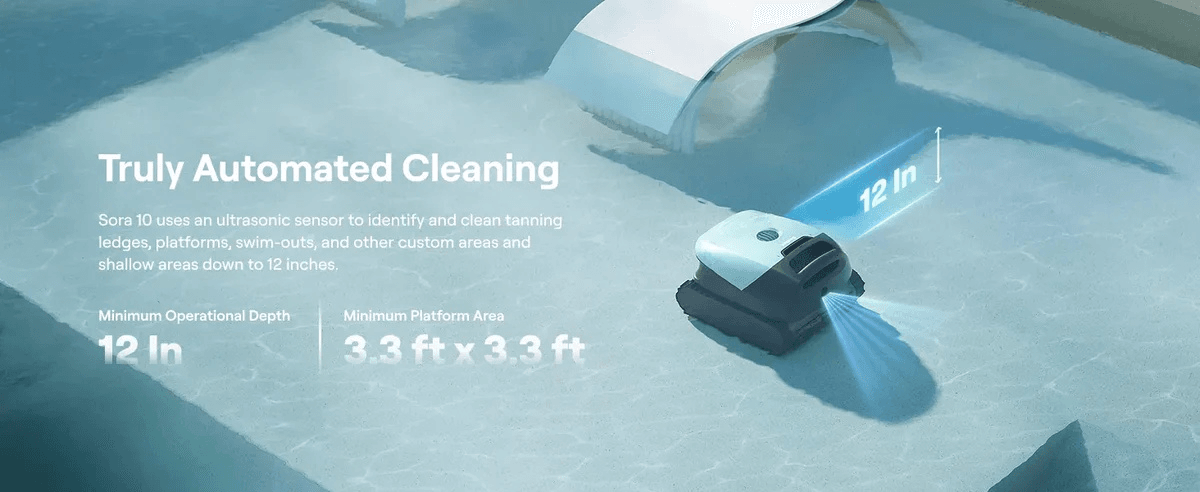
Navigation also matters. Some robots move in a more planned way, helping them cover the pool more consistently. Better movement can reduce repeated passes, missed corners, and the need for manual follow-up after the cycle ends.
This does not mean every robot cleans every pool perfectly. Pool size, surface, shape, debris load, and filter capacity still matter. But compared with manual vacuuming, a robotic pool cleaner can make routine cleaning feel less dependent on the owner’s time and attention.
| Cleaning Method | Best For | Main Trade-Off |
| Manual vacuum | Spot cleaning and smaller pools | Requires hands-on work |
| Suction cleaner | Basic routine floor cleaning | Depends on pump and filtration |
| Robotic cleaner | More independent cleaning | Higher upfront cost |
| Skimmer net | Floating leaves and insects | Does not handle settled debris |
| Pool brush | Walls, steps, and waterline | Requires physical effort |
| Full service care | Owners short on time | Ongoing service cost |
Where a Robot Fits Into a Busy Home Routine
For homeowners trying to move away from manual vacuuming, Beatbot AquaSense 2 Pro is an example of how a robot can handle more of the routine cleaning without needing constant guidance. It can support owners who want help with debris on the floor, walls, waterline, and surface-related areas instead of manually pushing a vacuum around the pool.
In a busy household, the difference is easy to see. Instead of spending part of the weekend connecting hoses, vacuuming by hand, and brushing missed areas, the homeowner can run Beatbot AquaSense 2 Pro while checking water chemistry, rinsing baskets, or preparing the backyard for family use.
Its value is in making cleaning more consistent and less dependent on one long manual session. It can reduce skimming, brushing, and vacuuming work, but it does not replace water testing, filtration, chemical balance, equipment checks, or safe pool habits.
Cost, Convenience, and Long-Term Value
Manual vacuums usually cost less upfront. That makes them attractive for new pool owners or people who only need occasional cleaning. The lower price is real, but so is the time commitment.
Robots cost more initially, but the value comes from convenience, independent operation, broader cleaning coverage, and more consistent use. A robot that runs regularly can help prevent debris from sitting too long and turning into a bigger weekend job.
Before buying, homeowners should compare pool size, cleaning zones, debris type, filter access, robot weight, battery or power needs, warranty, and replacement parts.
Price matters, but time, effort, and weekly cleaning frequency matter just as much. A cleaner that fits the pool’s real routine can be more valuable than a cheaper tool that rarely gets used.
What Robots Still Cannot Replace
Switching to a robot does not remove every pool responsibility. Homeowners still need to test pH and sanitizer, maintain circulation, empty skimmer and pump baskets, rinse the robot filter, brush tight corners when needed, and check pool safety before swimming.
Large debris may still need to be removed before running a cleaner. Water chemistry still needs regular attention. Filters and pumps still need inspection.
A robot can make pool cleaning easier, but it works best as part of a complete routine. It reduces physical labor; it does not replace pool ownership basics.
A More Efficient Way to Keep the Pool Ready
Homeowners are switching from manual pool vacuums to robots because they want less hands-on cleaning, better consistency, and a pool that is easier to keep ready during busy weeks.
Manual vacuums remain useful for budget-conscious owners and quick spot cleaning. Robotic cleaners offer stronger convenience, independent operation, and broader cleaning potential for people who want to spend less time guiding a vacuum around the pool.
The switch makes the most sense when the robot fits the pool’s size, debris level, and owner’s routine. When that match is right, pool cleaning becomes less of a long manual chore and more of a manageable maintenance habit.


