
citiesabc
Why India Needs to Turn Back to Natural Farming
23 Dec 2025

Chemical Farming, Nitrogen Pollution, and Human Health - Why natural farming is a preferred mode for Indian farmers and agriculture experts? How natural farming is aligned with modern ecological science, while offering a viable path forward?
After the Green Revolution, India achieved food security, but this came at the cost of heavy use of chemical fertilizers and pesticides, especially nitrogen-based ones such as urea. Over the years, this approach has led to major environmental, health, and climate problems.
Today, worsening soil quality, water pollution, climate risks, and more cases of diseases like cancer and diabetes make us ask an important question: Is our way of growing food quietly harming both the environment and our health?
In this article, I want to explore these issues and encourage ongoing discussion.
- How chemical farming damages ecosystems
- How nitrogen fertilisers pollute air and water
- The scientific links to cancer and blood sugar disorders
- And how natural farming, as advocated by Acharya Devvrat and aligned with modern ecological science, offers a viable path forward
1. How Chemical Farming Damages the Ecosystem
a) Soil degradation and loss of life
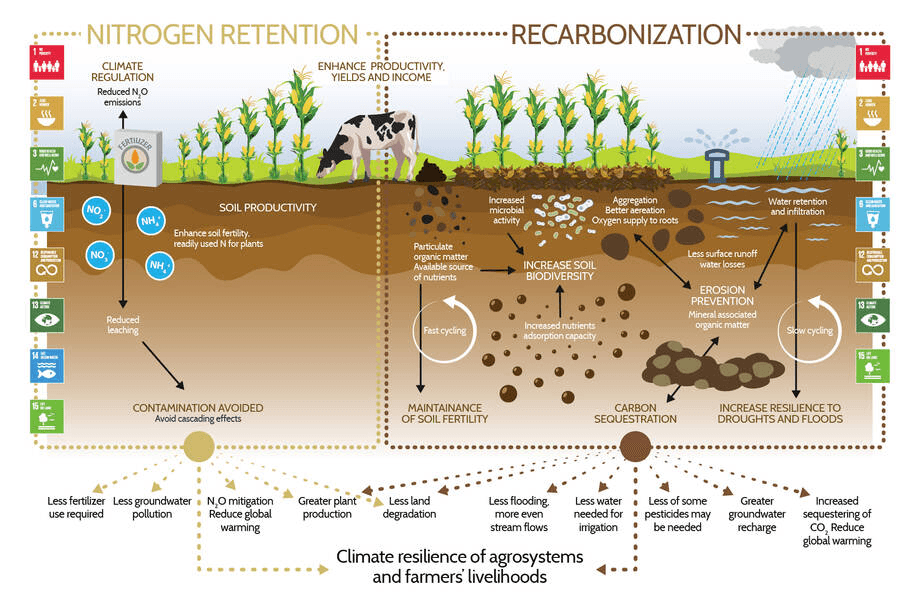
Chemical farming prioritises quick nutrient supply but often neglects soil biology. Repeated use of synthetic fertilisers without adequate organic matter:
- Reduces soil organic carbon
- Kills beneficial microbes, earthworms, and fungi
- Compacts soil, reducing porosity and root growth
When soil biology declines, the soil can no longer cycle nutrients or hold water well. This makes crops increasingly reliant on external inputs.
Right now, India's Soil Organic Carbon (SOC) is about 0.3% to 0.4%. This is much lower than the 1-1.5% needed for healthy soil, raising concerns about fertility, water retention, and food security.
b) Water contamination and falling groundwater resilience
Excess nitrogen fertiliser does not stay in the field:
- Nitrate leaches into groundwater, contaminating drinking water.
- Runoff pollutes rivers, lakes, and wetlands, causing eutrophication.
- Degraded soils reduce rainwater infiltration, lowering groundwater recharge.
So, even areas that get enough rain can still have water problems because of poor soil health.
c) Biodiversity loss
Chemical pesticides:
- Harm pollinators such as bees and butterflies
- Kill natural pest predators.
- Disrupt aquatic ecosystems through runoff.
This weakens nature’s own pest control and makes farmers depend more on chemicals.
2. Nitrogen Fertilisers and Air Pollution: The Invisible Threat
Nitrogen fertilizers react easily. After they are applied, they change in several ways in the soil.
a) Ammonia volatilisation
Urea rapidly converts into ammonia gas (NH₃), which escapes into the air, especially under:
- High temperatures
- Dry soil conditions
- Surface application
Farmers breathe in these fumes when they apply the fertilizer.
b) Formation of nitrogen oxides
Through microbial processes (nitrification and denitrification), nitrogen is converted into gases such as:
- Nitric oxide (NO)
- Nitrogen dioxide (NO₂)
- Nitrous oxide (N₂O)
These gases enter the atmosphere where:
- NO₂ damages the lungs and worsens asthma
- NH₃ forms fine particulate matter (PM2.5)
- N₂O is nearly 300 times more potent than CO₂ and damages the ozone layer
Chemical agriculture is the largest human-made source of nitrous oxide emissions worldwide.
3. Health Impacts: Cancer and Blood Sugar Disorders
a) Cancer risk
Scientific evidence shows that chronic exposure to certain pesticides and nitrogen-related pollutants is associated with a higher risk of:
- Non-Hodgkin lymphoma
- Leukemia
- Prostate and breast cancers
The mechanisms include:
- DNA damage
- Hormonal disruption
- Immune suppression
- Chronic inflammation
Farm workers and people who eat these crops face the highest risk of exposure.
b) Diabetes and blood sugar disorders
In recent years, diabetes has been increasingly linked not only to lifestyle factors but also to environmental exposure.
Certain agricultural chemicals act as endocrine-disrupting chemicals (EDCs) that:
- Interfere with insulin signalling.
- Damage pancreatic beta cells
- Alter gut microbiome
- Promote insulin resistance
Multiple population studies show higher diabetes prevalence among communities with greater pesticide exposure.
c) Food, water, and cumulative exposure
While individual food residues may be within legal limits, the real risk arises from:
- Long-term exposure
- Multiple chemical residues (“cocktail effect”)
- Combined intake through food, water, air, and occupation
This leads to long-term, low-level toxicity that builds up over many years.
4. Can the Damage Be Reversed?
Chemical farming-related health and ecological damage cannot be undone overnight. However:
- Exposure can be significantly reduced.
- Disease progression can be slowed.
- Metabolic health can improve.
- Ecosystems can regenerate over time.
Natural farming is meant to prevent and restore health, but it is not a replacement for medical treatment.
5. Natural Farming: Turning the Wheel Back
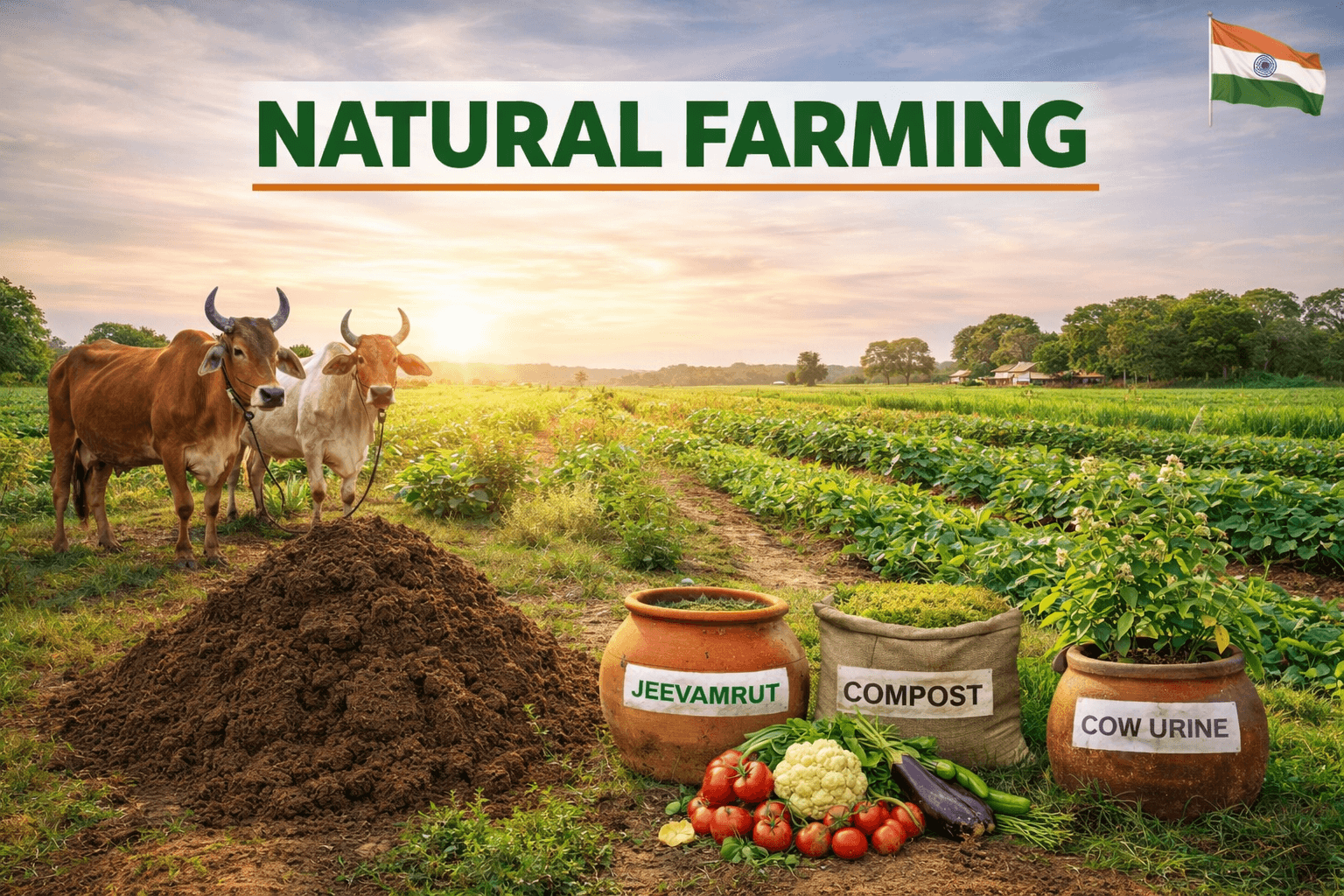
Acharya Devvrat’s natural farming framework emphasises a simple but powerful idea:
“Feed the soil, not the plant.”
Core principles
- Living soil biology
- On-farm organic and biological inputs
- Mulching and soil cover
- Crop diversity and intercropping
- Minimal external chemical inputs
6. How Natural Farming Addresses the Crisis
a) Reduction in toxic exposure
By eliminating synthetic pesticides and fertilisers, natural farming:
- Reduces farmer exposure
- Lowers chemical residues in food
- Prevents nitrate pollution in water
This directly lowers cancer and metabolic disease risk factors.
b) Improved soil carbon and water retention
Higher organic matter:
- Improves soil structure
- Increases water-holding capacity
- Enhances groundwater recharge
- Reduces the impact of floods and droughts impact
Healthy soil soaks up water like a sponge rather than acting like hard concrete.
c) Lower nitrogen pollution
Natural systems:
- Release nitrogen slowly through biological processes.
- Prevent ammonia loss and nitrous oxide emissions.
- Reduce air pollution and climate impact.
In natural farming, soil stores nitrogen rather than releasing it as a gas.
d) Better nutrition and metabolic health
Crops grown in biologically active soils often show:
- Improved micronutrient availability
- Higher antioxidant levels
- Better interaction with the gut microbiome
This supports immunity, insulin sensitivity, and overall health.
7. Yield, Economics, and Transition Reality
Natural farming:
- Can maintain stable yields over time
- Reduces input costs significantly
- Improves net farm income
- Requires a transition period (1–3 seasons)
Success in natural farming depends on using the right methods, adapting to local conditions, and properly training farmers.
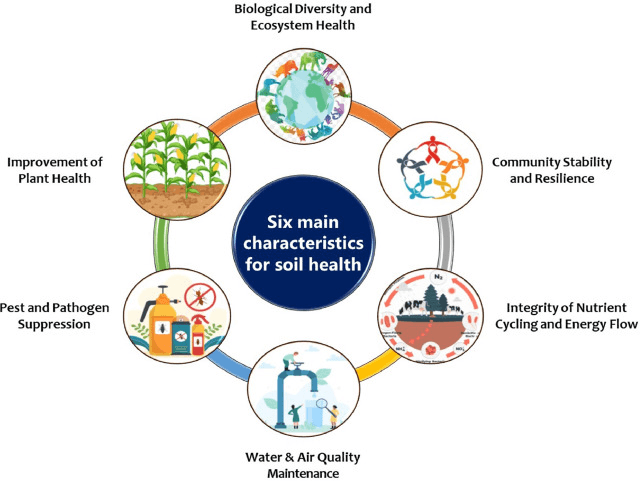
Conclusion: From Chemical Dependence to Regeneration
Chemical farming did not fail suddenly, and its effects did not show up right away. The growing problems of environmental damage, climate change, cancer, and diabetes are the result of decades of pressure on our soil, water, air, and health.
Natural farming does not offer quick fixes. Instead, it provides something more lasting and realistic:
- Lower exposure
- Healthier ecosystems
- Resilient agriculture
- Preventive public health
In a country where food, farming, and health are closely linked, going back to nature-based agriculture is not just a dream.
It is a scientific, ecological, and public-health necessity.


