
business resources
Why is Marketing Automation for B2B Businesses Essential?
22 Jun 2026

If you’re considering bringing marketing automation into your B2B strategy, it's worth keeping a few key points in mind.
Key Takeaways
- Marketing automation frees up valuable time by taking repetitive tasks off your plate.
- It equips your teams to deliver the right message to the right person, precisely when it matters most.
- It simplifies managing high volumes of leads, ensuring no one slips through the cracks.
- Delivering personalized content helps keep prospects engaged and builds lasting customer loyalty.
- Ultimately, better resource allocation translates to increased sales and a healthier return on investment.
Understanding Marketing Automation For B2B Businesses
Marketing automation for B2B businesses is far more than just a buzzword; it’s a strategic approach to making your marketing and sales efforts work smarter, not harder. You can think of it as a digital assistant that handles the repetitive, time-consuming tasks, freeing up your team to focus on what truly matters—building relationships and closing deals. In the complex world of B2B, where sales cycles can be long and involve multiple decision-makers, having a system that keeps everything moving forward is invaluable.
Defining Marketing Automation in a B2B Context
At its core, B2B marketing automation is all about using software to manage and streamline those repetitive marketing tasks and workflows. This isn't about replacing human interaction, but rather enhancing it. Instead of your team manually sending every email, scheduling every social media post, or tracking every lead's activity, automation tools do it for you—allowing your business to operate more efficiently and consistently. The goal is to automate the predictable so you can better focus on the unpredictable. For instance, rather than spending hours on email list segmentation, automation can handle this on its own based on predefined criteria, freeing up your team for more high-level strategic planning.
The Core Purpose of Automation for B2B Operations
So, why do businesses jump on board with marketing automation? The primary reason is to boost efficiency and productivity. It helps manage large volumes of leads, nurtures them through what can be a complex sales funnel, and ensures that no potential customer falls through the cracks. This ultimately means less time spent on manual data entry and more time invested in analyzing results and refining strategies. It's about creating a more organized and responsive marketing and sales process. This approach is absolutely key to developing a sales pipeline that consistently generates qualified leads.
Key Differentiators in B2B vs. B2C Automation
While the fundamental idea of automation is similar across both business-to-business (B2B) and business-to-consumer (B2C) markets, its application and focus can be quite different. B2B automation typically deals with longer sales cycles, multiple stakeholders, and a greater need for educational, value-driven content. The communication style is often more formal and built around relationships. B2C, on the other hand, frequently has shorter sales cycles and leans into emotional connections and immediate action, like flash sales or promotions.
Here’s a quick breakdown of some of the key differences:
- Sales Cycle: B2B sales cycles are notoriously longer and more complex, often involving many decision-makers. B2C cycles, in contrast, are usually shorter and much simpler.
- Communication: B2B communication is centered on building trust and relationships through informative content. B2C often employs more personal and emotional appeals.
- Content: B2B marketing relies heavily on in-depth content like case studies and whitepapers. B2C, however, uses a broader range of engaging content, including sales and promotions.
In the B2B space, automation is less about triggering impulse buys and more about guiding a carefully considered purchase decision. It's really about providing the right information at the right time to the right person, building trust and demonstrating value over an extended period. This careful orchestration is what makes an integrated digital operations strategy so vital for modern businesses.
Enhancing Efficiency and Productivity Through Automation
In today's fast-paced business world, time is perhaps the most valuable commodity. Marketing automation steps in to help B2B companies reclaim that time by taking over tasks that are both repetitive and time-consuming. This isn't about replacing human effort, mind you; it's about redirecting it. When your team isn't bogged down with sending out the same emails or posting the same social media updates day after day, they can focus on bigger-picture items—like strategy, creative content development, and building deeper client relationships. Think of it as giving your team a superpower to do more with less.
Reducing Repetitive Tasks for Strategic Focus
Let's face it, many marketing and sales activities involve a lot of manual, repeatable work. This can include things like:
- Sending follow-up emails after a meeting.
- Updating contact information across different systems.
- Scheduling social media posts.
- Segmenting email lists based on basic criteria.
Automating these kinds of tasks frees up your team's mental bandwidth. Instead of just going through the motions, they can think critically about campaign performance, brainstorm new ideas, and analyze data to find hidden opportunities. This shift allows for a much more strategic approach to marketing, moving from simple execution to planning and optimization. It’s all about working smarter, not just harder, and it can significantly boost the entire team's output. For instance, companies are using warehouse robots to speed up order processing—a similar principle of automating manual tasks for greater output [839e].
Streamlining Communication and Content Distribution
Getting the right message to the right person at the right time is a cornerstone of B2B marketing. Automation makes this far more manageable. You can set up workflows that automatically send specific content to leads based on their actions or declared interests. For example, if a prospect downloads a whitepaper on a particular topic, an automated sequence can then deliver more related content via email or even through targeted ads. This ensures that your communication is always relevant and timely, keeping potential customers engaged throughout their journey. It also means your content is distributed consistently across various channels, maintaining a steady presence without constant manual oversight.
Optimizing Workflow Management for Sales and Marketing
Marketing automation really acts as a bridge between sales and marketing teams, creating much smoother workflows. When marketing identifies a promising lead, automation can instantly notify the sales team and arm them with all the relevant information gathered about that prospect. This dramatically reduces the lag time between a lead showing interest and receiving a personal touch from sales, which is absolutely critical for closing deals. It also helps in managing large volumes of leads effectively, making sure no one gets lost in the shuffle. This coordinated effort means both departments are working from the same playbook, aligned toward the common goal of generating revenue.
Automation is fantastic at aligning sales and marketing efforts. It ensures that leads are passed over with all the necessary context and that communication remains consistent and relevant throughout the buyer's journey. This synergy is vital for efficient pipeline management and—ultimately—for driving business growth.
Elevating Customer Engagement and Personalization
In today's crowded B2B landscape, simply reaching out to potential clients just isn't enough anymore. To truly connect and build lasting relationships, businesses have to focus on making every single interaction feel personal and relevant. This is precisely where marketing automation steps in, transforming how companies engage with their audience.
Delivering Personalized Content at Scale
Today's buyers expect content that's tailored to their specific needs and interests. They aren't looking for generic, one-size-fits-all messages; they want information that speaks directly to their unique challenges and goals. Marketing automation makes it possible to deliver this level of personalization, even when you're dealing with a large number of prospects. By segmenting your audience based on factors like industry, job role, or past interactions, you can send targeted content that truly hits home—whether it's an industry-specific case study or a blog post addressing a particular pain point.
- Automated email campaigns that trigger based on user behavior.
- Dynamic website content that changes based on visitor data.
- Personalized product recommendations based on browsing history.
Nurturing Prospects Through the Customer Journey
The B2B sales cycle is often long and complex. Prospects frequently enter the funnel at different stages, and many aren't ready to make a purchase right away. Marketing automation allows for systematic lead nurturing, which ensures that each prospect receives the right message at the right time. This means you can keep your brand top-of-mind without being intrusive. Automated workflows can carefully guide leads through the sales funnel with a series of well-timed communications, educating them about your solutions and building trust along the way.
Keeping leads engaged over the long haul is absolutely critical. Many B2B buyers require multiple touchpoints and a significant amount of information before they're ready to make a decision. Automation helps manage this process efficiently, ensuring no qualified lead falls through the cracks simply due to a lack of timely follow-up.
Improving Customer Satisfaction and Brand Loyalty
Engagement doesn't just stop once a deal is closed. In fact, automation plays a vital role in post-sale customer satisfaction and in building long-term loyalty. Automated onboarding sequences can help new customers get started smoothly, while regular check-ins and relevant content updates can keep your existing clients engaged. By consistently providing value and showing that you understand their needs, you can turn satisfied customers into loyal advocates for your brand. This continuous engagement strengthens relationships and can lead to both repeat business and valuable referrals.
Driving Growth and Improving ROI
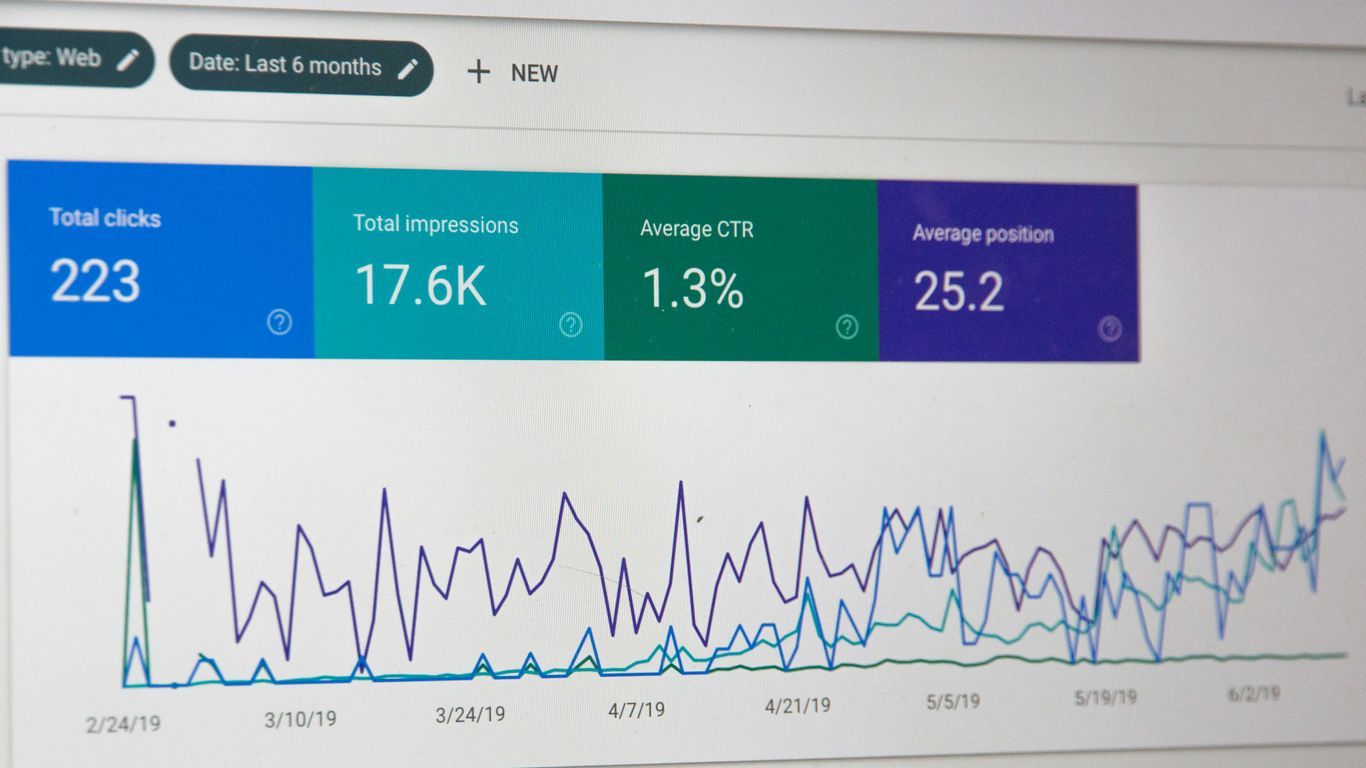
Marketing automation isn’t just a buzzword for B2B companies—it's a real engine for growth that can seriously boost the return on your marketing investment. Businesses that effectively use automation see tangible results, not just in generating more leads, but also in using their resources more wisely and, ultimately, closing more sales.
Increasing Sales Qualified Leads
With automation, you can route promising leads to the right people much faster and more accurately identify which prospects are actually worth pursuing. What does that mean for your team? It means your sales staff doesn’t waste valuable time on leads that simply aren't ready to buy.
Key benefits of automated lead qualification:
- Saves time by sorting leads based on behavior and engagement
- Helps sales focus on the most likely buyers
- Reduces human error in the qualification process
- Allows for ongoing nurturing of leads not yet ready to buy
In practical terms, companies using marketing automation often report a 27% jump in qualified lead volume. What's more, nurtured leads tend to spend up to 47% more on their purchases compared to those who aren’t nurtured.
Optimizing Marketing Resource Allocation
With automation in place, marketing teams can achieve more with less. Those repetitive manual tasks fade away, and resources are better allocated to strategy and creativity. Plus, your analytics become richer, so spending decisions can be based on hard data—not just a gut feeling.
Here’s a sample breakdown of improvements reported after implementing automation:
| Improvement Metric | Average Increase (%) |
|---|---|
| Lead Conversion | 30 |
| Marketing ROI | 25 |
| Sales Productivity | 14.5 |
| Marketing Cost Savings | 12.2 |
In short, automation keeps your budget focused and your team working on what truly matters most.
Supercharging Conversions and Sales Performance
Automated workflows are brilliant for keeping potential buyers engaged long after they fill out a form. Scheduling follow-ups, sending relevant content, or tracking key interactions all become practically effortless.
To really drive conversions and boost sales performance, automation brings several key advantages to the table:
- Fast, tailored response to inbound leads
- Consistent experience for every prospect
- Smart reminders for both sales and marketing teams
- Data-driven insights to refine each step of the buyer’s journey
Even the most talented marketing teams can’t match the sheer speed and consistency of automation when it comes to nudging buyers toward a close. By using tested workflows, you’ll see higher conversion rates—and you’ll know exactly where things are working or slipping because the data is always right at your fingertips.
At the end of the day, marketing automation isn’t just about doing things faster; it’s about making every resource, every message, and every touchpoint count toward more sales and a stronger bottom line.
Leveraging Automation for Lead Management
Managing leads effectively is a cornerstone of B2B sales, and automation makes this entire process much smoother. It helps you sort through who's interested, who's ready to buy, and how to talk to them—all without getting overwhelmed. This means your sales team can spend less time on administrative tasks and more time actually selling.
Automating Lead Qualification and Scoring
Think of lead scoring as a system for ranking your leads based on how likely they are to become customers. Automation tools analyze things like a prospect's job title, company size, and how they've interacted with your content—like downloading a whitepaper or attending a webinar. This scoring helps you figure out which leads need immediate attention from sales and which ones might need a bit more nurturing.
- Demographic Data: Information about the company and the contact person.
- Behavioral Data: Actions taken, such as website visits, email opens, or content downloads.
- Engagement Level: How actively a lead interacts with your marketing materials.
This process ensures your sales team is focusing its efforts on the most promising prospects, rather than chasing down leads that aren't a good fit. It's the classic case of working smarter, not just harder.
Reducing Response Time for Warm Leads
In the world of B2B sales, speed is everything. When a lead shows strong interest—what we call a 'warm lead'—you need to respond quickly. Automation can instantly flag these hot leads and even route them directly to the right salesperson for immediate follow-up. This rapid response can make a huge difference in closing a deal, especially when you're up against tough competition. It keeps the prospect engaged and shows them you're attentive to their needs.
Prompt follow-up with warm leads is critical. Delays can lead to lost opportunities as prospects may turn to competitors or lose interest. Automation systems can significantly cut down this response time, improving the chances of conversion.
Managing Large Lead Volumes Effectively
B2B companies often deal with a massive volume of leads, and just keeping track of them all can be a monumental challenge. Marketing automation platforms are built for this. They allow you to segment your leads based on different criteria, so you can send highly targeted messages to specific groups. This way, you're not blasting generic emails to everyone. Instead, you're delivering content that's genuinely relevant to each segment's interests and their stage in the buying process. This organized approach helps your marketing team build better relationships with potential customers and makes the entire sales process more efficient. For businesses looking to scale their outreach, understanding how to manage these volumes is key, and tools like Zapier can be very helpful in connecting different applications to streamline these processes.
Integrating Automation into Your Tech Stack
To truly get the most out of marketing automation, it needs to play nicely with the other tools your business already relies on. Think of it like building a high-performance team; each player has a role, but they must work together seamlessly to win. This means carefully considering how your automation platform connects with your Customer Relationship Management (CRM) system, your content management system (CMS), and any other software that handles customer data. A well-integrated tech stack ensures data flows smoothly, preventing information silos and giving you a complete, 360-degree picture of your customer.
Essential Tools for B2B Automation Success
When you're building out your automation capabilities, several types of tools are absolutely key. You'll need a robust marketing automation platform, of course, but it's equally important to consider how it fits with:
- Customer Relationship Management (CRM) Systems: These are the backbone for managing leads and customer interactions. Integration here is non-negotiable.
- Content Management Systems (CMS): For delivering personalized content, your CMS needs to be able to pull data and dynamically adjust what users see.
- Data Enrichment Tools: These help fill in the gaps in your customer profiles, making your automation more precise.
- Analytics Platforms: To measure the impact of your automated campaigns and identify areas for improvement.
The Importance of CRM Integration
Your CRM is likely the central hub where most of your customer and prospect data lives. When your marketing automation platform is tightly integrated with your CRM, you can do some incredibly powerful things. For instance, when a lead reaches a certain score based on their engagement with your marketing content, that information can be automatically passed over to your sales team right inside the CRM. This allows sales to prioritize their outreach to the warmest leads, reducing wasted effort and speeding up the sales cycle. It also means that sales activities recorded in the CRM can feed back into the marketing automation system, helping to refine future campaigns. This two-way street of information is vital for aligning marketing and sales efforts—a common challenge in B2B operations. Many businesses find that a strong connection between these systems is a major step towards improving sales productivity.
Data Integration for Product-Led Strategies
For businesses that employ a product-led growth strategy, integrating automation with product usage data is absolutely paramount. This means connecting your automation tools directly to your product analytics. So, what happens then? When a user interacts with a specific feature, or perhaps struggles with one, this event can trigger automated workflows. For example, a user who consistently uses a particular advanced feature might receive an automated email offering a webinar on maximizing its potential. Conversely, a user showing signs of churn could trigger an automated outreach from your customer success team. This level of data integration allows for highly relevant, timely communication that directly supports product adoption and retention, moving beyond traditional marketing metrics to focus on user behavior within the product itself. It's really about using automation to guide users toward success with your product, which in turn drives business growth.
Building a connected tech stack isn't just about having the latest software; it's about making sure your tools can talk to each other effectively. This communication allows for smarter, more personalized interactions with your audience and provides a clearer view of your marketing's impact on the bottom line. Without this integration, you're almost certainly leaving efficiency—and valuable insights—on the table.
Ultimately, choosing the right tools and ensuring they work together in harmony is a massive part of making marketing automation a success. It's not just about the automation software in isolation, but how it fits into the broader digital ecosystem of your business. This interconnectedness is what paves the way for truly sophisticated and effective marketing operations in today's competitive landscape, especially within the fast-moving world of fintech.
Navigating the Future of B2B Marketing Automation
The B2B marketing landscape is constantly shifting, and what works today might not be nearly enough tomorrow. Staying ahead of the curve means looking at what's coming next in the world of marketing automation. Today's buyers expect more personalized and timely interactions, and automation is absolutely key to meeting those demands. The future of B2B marketing automation is all about being smarter, more connected, and more compliant.
Adapting to Evolving Buyer Expectations
Today's B2B buyers are more informed than ever before. They conduct extensive research online long before they even consider speaking to a sales rep. This means your marketing needs to be present at every step, providing relevant information without being intrusive. Automation helps manage these multiple touchpoints, which can often number eight or more before a prospect is ready to engage. Modern tools that can track these interactions and deliver content based on a buyer's specific stage in their journey are quickly becoming standard. This isn't just about sending emails anymore; it's about orchestrating a complete customer experience across a variety of channels.
Ensuring Privacy Compliance in Automation Practices
With the rise of data privacy regulations worldwide, how you collect and use customer information is under intense scrutiny. Marketing automation platforms must be built with privacy as a core feature. This means clear consent management, transparent data usage policies, and the robust ability to handle data securely. Ignoring these aspects can lead to significant legal headaches and, perhaps more importantly, damage the trust you've built with your brand. Companies are prioritizing data quality and identifying their ideal customers—which goes hand-in-hand with respecting privacy. For instance, understanding how to manage data for real estate tokenization requires a rock-solid privacy framework.
The Role of AI in Future Automation Strategies
Artificial intelligence (AI) is poised to completely transform B2B marketing automation. AI can analyze vast amounts of data to predict buyer behavior, personalize content at an unprecedented scale, and even automate complex decision-making processes. Just imagine an AI that can identify which leads are most likely to convert or suggest the very next best action for a sales rep to take. This moves automation beyond simple task management and into the realm of intelligent orchestration.
Here are just a few of the ways AI is expected to shape the future of automation:
- Predictive Analytics: Forecasting customer needs and market trends.
- Hyper-Personalization: Tailoring messages and offers to individual buyer profiles in real-time.
- Automated Content Creation: Generating initial drafts of marketing copy or social media posts.
- Smarter Lead Scoring: More accurately identifying high-potential leads based on complex behavioral patterns.
The focus is shifting from simply automating tasks to using automation intelligently to drive revenue and build stronger customer relationships. This requires a more integrated and data-driven approach, where marketing and sales work in perfect sync, supported by technology that can adapt and learn on its own.
As we look ahead, the most successful B2B businesses will be those that embrace these evolving technologies and buyer expectations, using automation not just for efficiency, but as a strategic driver of growth and customer loyalty.
Conclusion
Marketing automation for B2B businesses isn't just a fleeting trend—it's become a fundamental component of running a successful modern enterprise. By cutting down on repetitive work, helping teams focus on what truly matters, and keeping customers engaged, automation makes a tangible difference. It helps companies handle more leads, communicate with customers in a more personal way, and ultimately achieve better results from their marketing efforts. As the world of B2B sales and marketing continues to evolve, the importance of automation in staying competitive will only grow.
Frequently Asked Questions
What is marketing automation for B2B businesses?
It involves using software to handle repetitive marketing tasks like sending emails, scoring leads, and tracking customer actions automatically. This frees up teams to work more efficiently and strategically.
How does automation help B2B companies?
It eliminates tedious, repetitive work, allowing your team to focus on high-impact projects. It also streamlines the process of identifying, nurturing, and communicating with new customers.
What’s the difference between B2B and B2C marketing automation?
B2B automation typically focuses on longer, more complex sales cycles and relationship-building with business clients. In contrast, B2C automation is often geared toward shorter sales cycles and direct engagement with individual consumers.
Do I need special tools for B2B marketing automation?
Yes, dedicated platforms like HubSpot, Marketo, or Salesforce Pardot are designed specifically for B2B needs. They integrate with your CRM and other systems to provide a centralized hub for managing all your marketing activities.
How long does it take to see results from automation?
While it varies, many businesses begin to see a meaningful impact within three to six months. The timeline really depends on your specific goals and how effectively you implement and optimize the tools.
Is it important to follow privacy laws with automation?
Absolutely. It's crucial to comply with all relevant data privacy regulations, like GDPR or CCPA. Always obtain proper consent and ensure customer data is handled securely to maintain trust and avoid legal penalties.


