
business resources
Why Mining Equipment Repair Is Critical for Modern Mines
28 Jan 2026

Modern mining relies on heavy machinery that operates continuously under demanding conditions. These machines are expected to perform reliably while handling extreme loads, long shifts, and challenging terrain. When equipment condition is overlooked, small mechanical issues can escalate quickly and disrupt the balance of an entire operation.
Repair is no longer a background task handled only when something breaks. It has become a core operational function that influences how smoothly daily activities run and how well a mine adapts to changing demands. Treating equipment repair as a priority reflects a shift in how modern mines manage risk, resources, and operational control.
Read on to understand why mining equipment repair is critical for modern mines and why it remains a foundational part of successful mining operations.
Extending Equipment Lifespan
Mining equipment represents a major capital investment. Extending its usable life depends on how effectively wear is managed, components are restored, and performance is preserved over time.
Below are ways repair supports long-term equipment value without introducing overlap with other operational concerns:
Slows mechanical wear
Ongoing mining equipment maintenance and preventative maintenance reduce the rate at which critical parts degrade under continuous load. Addressing wear on hydraulic cylinders, pivot pins, and wear liners early helps maintain proper alignment and load distribution across assemblies.
This limits secondary damage that often develops when worn components are left in service too long. Methods such as field machining, weld repair, and structural repair correct localized wear before it affects surrounding structures.
Delays replacement costs
When high-wear parts deteriorate but the core structure remains sound, restoration becomes the most practical option. Mines often work with an engineering firm that provides mining component repair through laser cladding technology to rebuild worn surfaces with precision.
This process restores original dimensions and strength without removing entire assemblies. The result is extended service life and controlled capital spending without compromising equipment integrity.
Preserves performance levels
Gradual performance loss often traces back to surface wear or misalignment rather than full system failure. Targeted repairs, including trunnion repair and selective industrial refinishing, help equipment operate within expected tolerances. Consistent output depends on components that maintain proper fit, balance, and load handling throughout their service life.
Extending equipment lifespan through disciplined mining equipment repair strengthens asset planning and maximizes the return on long-term machinery investments.
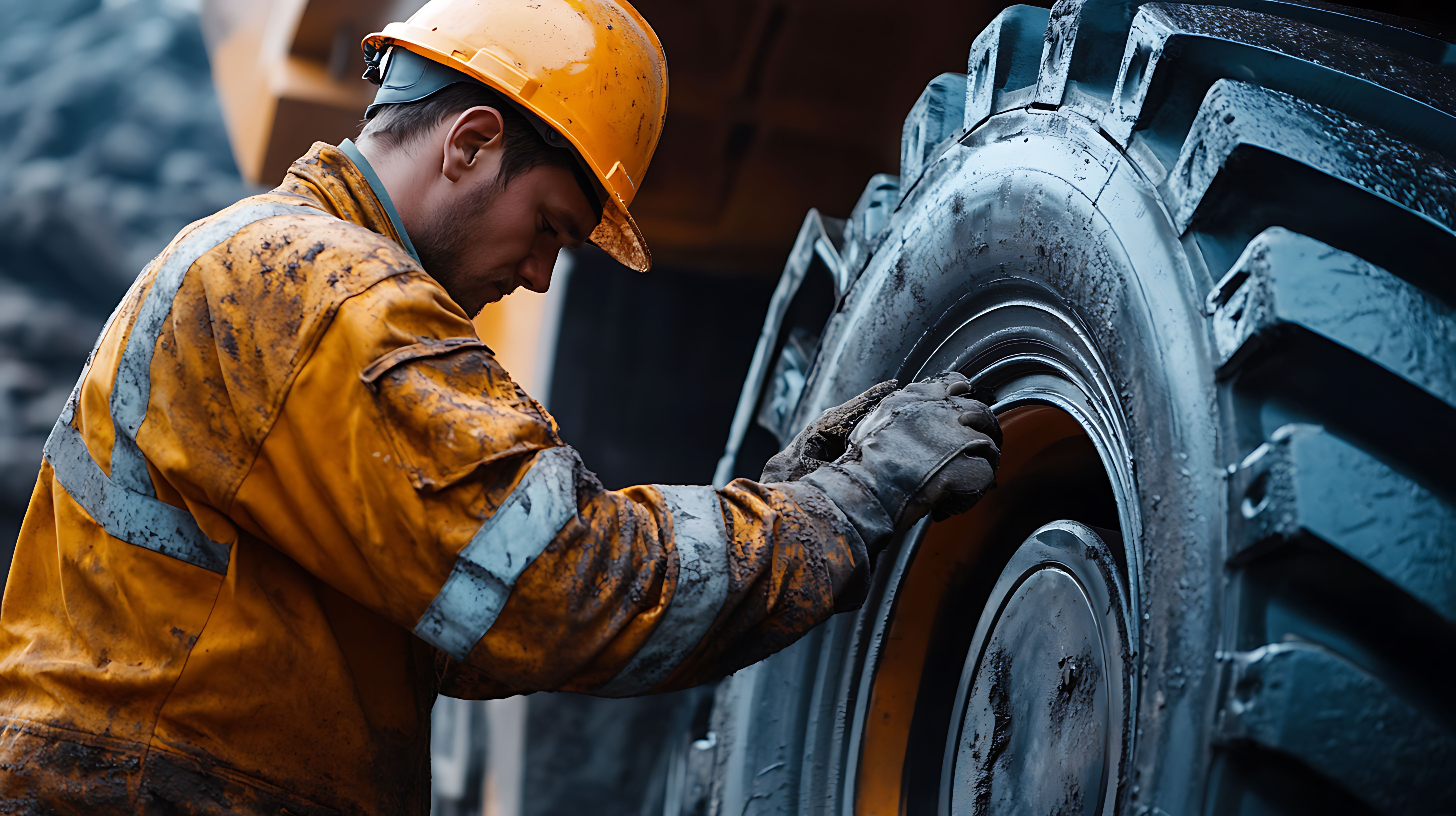
Preventing Costly Downtime
Unplanned downtime disrupts mining schedules and places immediate pressure on output targets. Reducing these interruptions depends on how quickly issues are identified and resolved before equipment reaches a failure point.
The following factors explain how repair practices limit downtime without overlapping with broader performance or safety concerns:
Keeps production moving
When primary machines such as loaders, crushers, or haul trucks stop unexpectedly, downstream activities stall as well. Prompt repair response helps isolate faults before they affect connected systems or supporting equipment. Restoring damaged parts through timely engineering support shortens repair windows and helps operations return to normal output levels sooner.
Reduces emergency shutdowns
Sudden equipment failures often force rushed shutdowns that disrupt crew coordination and maintenance schedules. Proactive repair attention lowers the likelihood of these unplanned stops by addressing early warning signs. Equipment stays available for scheduled use rather than being pulled from service without notice. This stability helps operations maintain continuity across shifts.
Improves planning accuracy
Reliable equipment condition allows maintenance teams and supervisors to plan work without constant adjustments. When repair timelines are predictable, shift assignments and production forecasts remain realistic.
Fewer last-minute changes reduce confusion and keep resources aligned with daily objectives. Consistent repair outcomes support smoother coordination between operations and maintenance teams.
Effective repair practices reduce downtime by keeping interruptions manageable, predictable, and contained within planned maintenance windows.
Ensuring Worker Safety and Compliance
Equipment condition directly affects how safely crews can perform daily tasks on site. Worn or malfunctioning parts increase the likelihood of unexpected movement, loss of control, or system failure during operation. Consistent repair attention reduces these risks by keeping equipment responsive and predictable under normal working conditions, which directly supports workplace safety across active mining areas.
In addition to physical safety, equipment condition plays a key role in meeting regulatory expectations. Mining authorities require machines to operate within defined limits, and unresolved defects can lead to failed inspections or corrective actions. Regular repair work helps ensure equipment remains within acceptable operating standards throughout its service period.
Beyond formal requirements, reliable equipment influences how workers interact with their environment. Operators who trust their machines tend to work with greater focus and consistency. This confidence supports safer decision-making and reinforces adherence to established operating procedures.
Maintaining Productivity in Harsh Operating Conditions
Mining sites expose equipment to constant physical stress from dust, moisture, heat, and vibration. Over time, these factors affect tolerances, seals, and moving parts in ways that are not always immediately visible. Regular repair work helps equipment remain stable under these conditions, allowing operations to continue without gradual performance loss.
As environmental stress accumulates, machinery can begin to operate inconsistently across shifts or work zones. Repairs focused on restoring balance and alignment help maintain predictable behavior during normal use. This consistency allows crews to rely on equipment output even when conditions fluctuate throughout the day.
At the same time, different sites place unique demands on machines based on layout, material type, and operating cycles. Adjustments made through targeted repair ensure equipment remains suited to its specific working environment. Productivity stays intact when machines are kept aligned with the conditions they face on site rather than pushed beyond their intended limits.
Supporting Long-term Asset Planning
Equipment repair outcomes influence more than immediate operations. Over time, repair records provide insight into which assets continue to deliver value and which approach the end of their economic usefulness. This information supports clearer planning decisions without relying on assumptions.
Consistent repair data helps management evaluate whether equipment should remain in service, be refurbished, or be phased out. Patterns in component wear and repair frequency reveal which machines justify continued investment. This clarity improves budget allocation and reduces uncertainty in capital planning.
When repair strategy aligns with long-term planning, mines gain greater control over asset performance and spending. Decisions become based on measured condition rather than reactive replacement. This strengthens operational stability over the full life of the mine.
Final Thoughts
Mining equipment repair supports every part of modern mining, from production and safety to cost control. When repair is treated as a priority, mines operate with fewer disruptions and greater reliability. Strong repair practices help mining operations stay competitive, compliant, and sustainable over time.


