
business resources
Why Outdoor Areas Are Becoming a Major Focus of Modern Home Upgrades
24 Dec 2025

Outdoor spaces have shifted from being secondary features to becoming central components of residential design. Homeowners are no longer viewing patios, yards, and exterior living zones as optional extras but as extensions of daily life that influence comfort, usability, and property appeal. This shift reflects broader changes in how people work, relax, and entertain at home, with boundaries between indoor and outdoor environments becoming increasingly fluid. Design attention once reserved for kitchens and living rooms is now applied to patios, walkways, and gathering areas under open skies. Thoughtful outdoor upgrades support lifestyle flexibility while responding to practical concerns such as durability, climate, and maintenance. Exterior improvements are now shaping renovation priorities across many neighborhoods.
Outdoor Living as a Functional Extension of the Home
Modern outdoor areas are planned with intention rather than decoration alone. Seating layouts, circulation paths, and surface choices are selected to support regular use instead of occasional gatherings. Patios now serve as dining rooms, workspaces, and social hubs, depending on the time of day and season.
This functional approach encourages designs that accommodate power access, lighting, and weather protection without sacrificing visual appeal. When outdoor areas operate as true living zones, they reduce pressure on interior rooms and create more balanced use of the entire property. Homeowners benefit from spaces that adapt easily to changing routines rather than remaining static features.
Lifestyle Changes Driving Exterior Investment
Shifts in work patterns and leisure habits have amplified interest in usable outdoor environments. Remote work has increased time spent at home, making access to fresh air and alternative settings more valuable. Families are seeking areas where meals, conversations, and personal downtime can happen without leaving the property.
Outdoor upgrades respond to this need by offering variety and relief from enclosed interiors. These spaces encourage healthier routines by promoting movement and time spent outside. As daily schedules become more flexible, adaptable outdoor designs provide meaningful support for modern living patterns.
Design Choices That Balance Comfort and Durability
Successful outdoor upgrades depend on selecting materials and layouts that handle frequent use and changing conditions. Surfaces must withstand temperature shifts, moisture, and foot traffic while remaining visually cohesive with the home’s architecture. Designers often prioritize materials that age gracefully and require minimal intervention to maintain their appearance.
Seating walls, retaining structures, and paving systems are planned to support aesthetics and long-term stability. Many homeowners rely on experts such as Indianapolis hardscaping professionals to translate design goals into durable solutions that align with local conditions and usage expectations. This balance between comfort and resilience determines whether outdoor spaces remain inviting year after year.
Social Value and Everyday Gatherings
Outdoor areas increasingly function as primary locations for hosting and connection. Informal gatherings, shared meals, and quiet conversations feel more relaxed when held in open-air settings designed for comfort. Fire features, shaded seating, and defined zones encourage people to linger rather than circulate quickly through the space.
These environments support large groups and small interactions without feeling crowded or underutilized. Well-planned outdoor layouts foster a sense of hospitality that strengthens relationships and daily enjoyment. Exterior upgrades contribute to social well-being as much as physical property value.
Practical Elements That Influence Design Decisions
When planning outdoor upgrades, homeowners often focus on features that directly affect usability and longevity. A clear understanding of priorities helps guide design choices and budget allocation. Key considerations often include:
- Surface materials that provide traction and resist weather-related wear
- Drainage strategies that prevent water pooling and surface damage
- Lighting solutions that support evening use and safe movement
- Seating and layout options that accommodate daily use and gatherings
These factors shape how outdoor areas perform in real-world conditions rather than idealized scenarios. Attention to these details allows spaces to remain comfortable and reliable across seasons.
Property Value and Long-Term Appeal
Outdoor upgrades play a growing role in how properties are perceived and valued. Buyers increasingly look for homes that offer ready-to-use exterior spaces rather than blank yards requiring future investment. A well-designed patio or landscaped area signals care, functionality, and thoughtful planning.
These features can differentiate a property within competitive markets by offering lifestyle benefits that photos and descriptions can easily convey. Even homeowners not planning to sell benefit from improvements that enhance enjoyment and reduce future renovation needs. Exterior spaces designed with longevity in mind continue to support value through sustained usability.
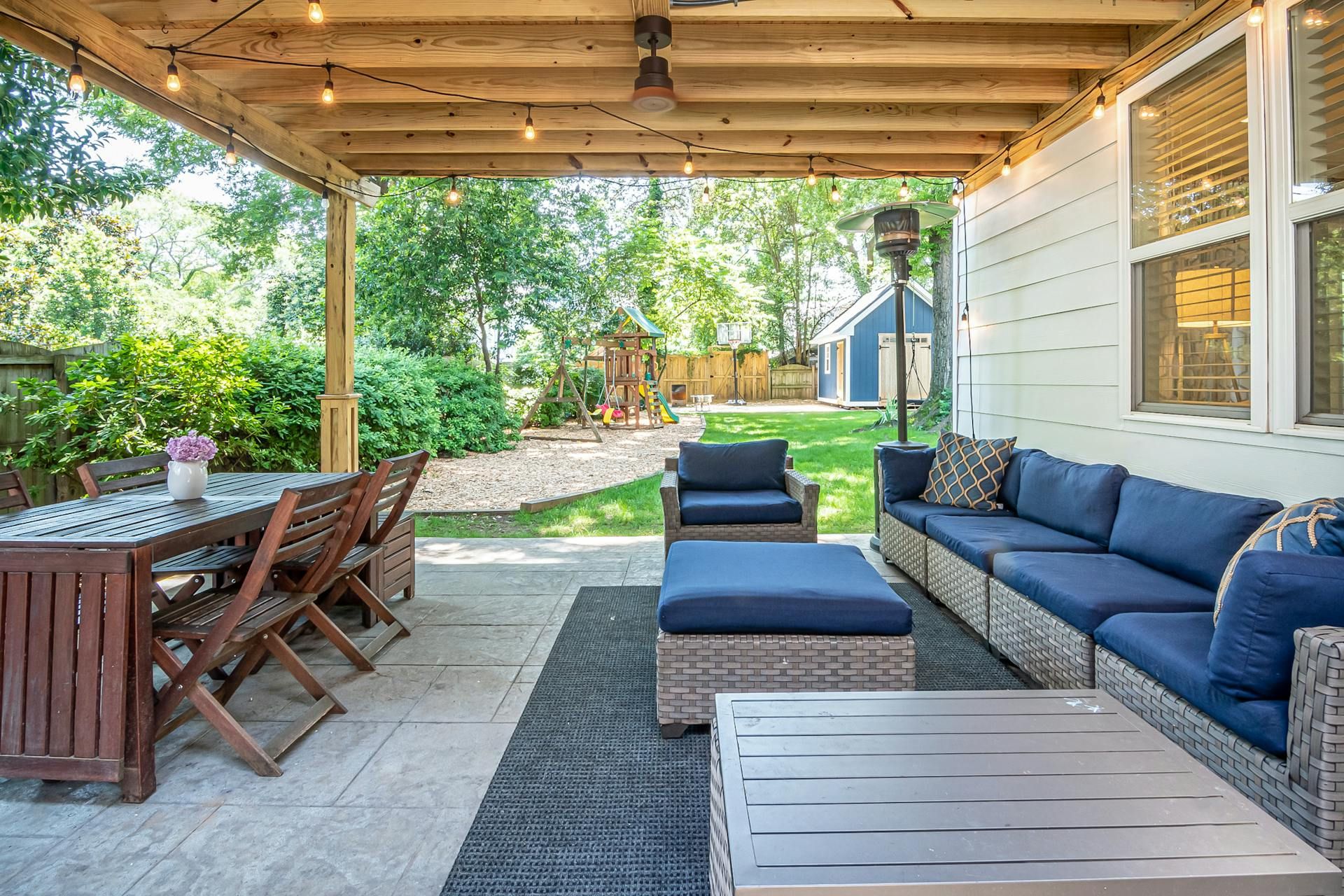
Outdoor areas have become focal points in modern home upgrades because they respond directly to how people live today. By serving as functional extensions of interior spaces, they support flexibility, connection, and daily comfort. Thoughtful design choices ensure these environments remain durable while accommodating evolving routines and social needs. As homeowners seek spaces that balance practicality with enjoyment, exterior improvements offer meaningful returns beyond aesthetics alone. The growing emphasis on outdoor living reflects a broader desire for homes that adapt gracefully to changing lifestyles.


